
In an era where personal branding is indistinguishable from one’s digital footprint, every aesthetic choice serves as a marker of identity. For professionals who navigate the intersection of faith and corporate branding, the ancient debate surrounding tattoos and body piercings is no longer just a theological curiosity—it is a question of brand identity, professional signaling, and the cultural narrative one constructs for their audience. When we analyze the scriptural discourse on body modification through the lens of modern brand strategy, we move beyond legalism and toward a sophisticated understanding of image management and audience perception.
The Biblical Foundation: Cultural Context vs. Modern Expression
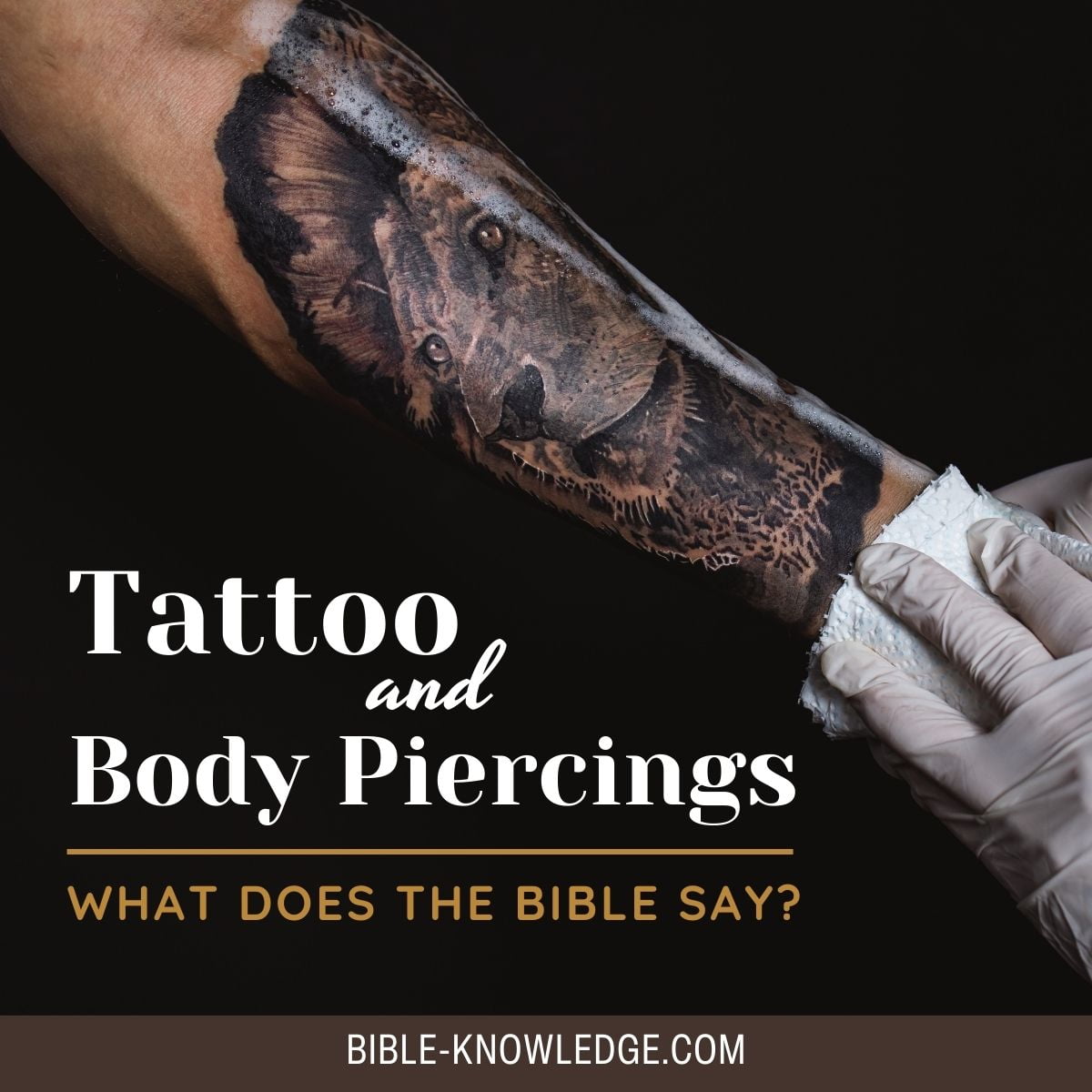
To understand the biblical perspective on tattoos, one must first look at Leviticus 19:28: “You shall not make any cuttings in your flesh for the dead, nor tattoo any marks on you: I am the Lord.” From a brand strategy standpoint, it is vital to discern the difference between a “statute” and a “foundational principle.”
The Cultural Context of Ancient Branding
In the Ancient Near East, tattoos were not merely decorative. They were deeply tied to idol worship, pagan mourning rituals, and the marking of slaves. In the context of the tribal dynamics of the time, such markings were essentially “competitor branding.” They signaled allegiance to deities or social structures that directly opposed the identity the Israelites were tasked with maintaining.
Modern Application: The Identity Shift
Today, the “brand” of a person is no longer defined by tribal paganism. In modern brand strategy, identity is a fluid, curated construction. If the biblical prohibition was rooted in preventing an association with a counter-productive cultural movement, how does that translate to the professional of today? The theological framework suggests that identity should be centered on internal values rather than external signals. When a professional chooses to modify their body, the strategic question is: Does this aesthetic enhance the core message of my brand, or does it signal an allegiance to a narrative that contradicts my professional mission?
Personal Branding and the Theology of the Temple
A cornerstone of biblical teaching is the concept that the body is the “temple of the Holy Spirit.” In corporate identity, we often speak of “maintaining the integrity of the brand.” If we view the body through this professional lens, the preservation of that “temple” becomes a masterclass in brand consistency.
Intentionality in Design
Branding is fundamentally about intentionality. A company does not haphazardly slap a logo on a billboard; it considers the placement, the message, and the long-term impact on the target audience. Similarly, the theological view suggests that body modification should not be a reactionary or impulsive act.
If your personal brand is built on authority, trustworthiness, and approachability, you must audit whether your physical aesthetic aligns with those pillars. In some sectors—such as creative arts or niche consulting—tattoos can be seen as an extension of a “bold/innovative” brand identity. In traditional financial or legal sectors, they may be perceived as a deviation from the established “institutional” brand. The biblical principle of stewardship implies that you are the custodian of your public image; thus, every aesthetic choice is a brand decision.
The Audience Perception Factor
In marketing, we always consider the client’s perspective. Paul the Apostle provides a relevant framework in 1 Corinthians 9:22: “I have become all things to all people, so that by all possible means I might save some.” While this is a spiritual mandate, it is also an exercise in communication strategy. If your primary goal is to reach a specific demographic, does your physical aesthetic help or hinder the connection? The “Bible-based” approach to branding is one of mission-focused communication, where physical appearance is secondary to the accessibility of your message.
Professional Signaling and Cultural Bias
Whether we like it or not, we live in a world where subconscious bias dictates professional outcomes. Tattoos and piercings carry “brand equity” that varies wildly depending on the environment.
Managing the “Visual Asset”
Just as a tech company might rebrand from a playful, disruptive aesthetic to a more stable, enterprise-level look as it scales, an individual’s personal brand undergoes maturation. Biblical wisdom warns against being a “stumbling block.” In a modern professional context, this translates to avoiding aesthetic choices that distract from the primary value proposition you are trying to deliver.
If your body art becomes the lead topic of a business meeting rather than your strategic insights, you have effectively “overshadowed” your own product. A strategic approach to body modification involves evaluating whether your personal “visuals” are acting as a catalyst for your message or a distraction from it.
Authenticity vs. Professional Conformity
There is a prevailing tension between “being yourself” and “fitting the mold.” Christianity often emphasizes authenticity of character over mere conformity to rules. From a branding perspective, this is the difference between a “generic” brand and a “differentiated” brand.
If your brand identity is built on transparency, honesty, and individual expression, then your physical choices should reflect that authenticity. The Bible does not provide a mandate against body modification for the sake of aesthetics; it provides warnings against pagan assimilation and vanity. Therefore, the modern professional is free to utilize body art as a form of personal expression, provided that the expression is rooted in truth and serves the integrity of their overall professional mission.
The Strategy of Stewardship in Modern Aesthetics
When integrating faith into a professional career, one must adopt a strategy of stewardship. You are essentially managing a brand—your reputation—that must remain resilient across different cultural landscapes.
Creating a Sustainable Aesthetic
In financial planning, we talk about sustainability and long-term viability. When considering body modifications, ask yourself: Is this choice a passing trend, or is it a long-term element of my brand identity? A mistake many early-career professionals make is adopting a visual aesthetic that clashes with their projected long-term goals.
The biblical perspective favors wisdom and patience over impulsivity. By waiting, deliberating, and ensuring that any physical change is a reflection of a core internal identity rather than an external trend, you protect the “brand equity” you have spent years building.
Conclusion: Aligning Physicality with Professional Mission
Ultimately, the Bible does not explicitly condemn body modification for the contemporary believer in the way many traditionalists assume. It demands a higher standard: the standard of mission, intentionality, and stewardship.
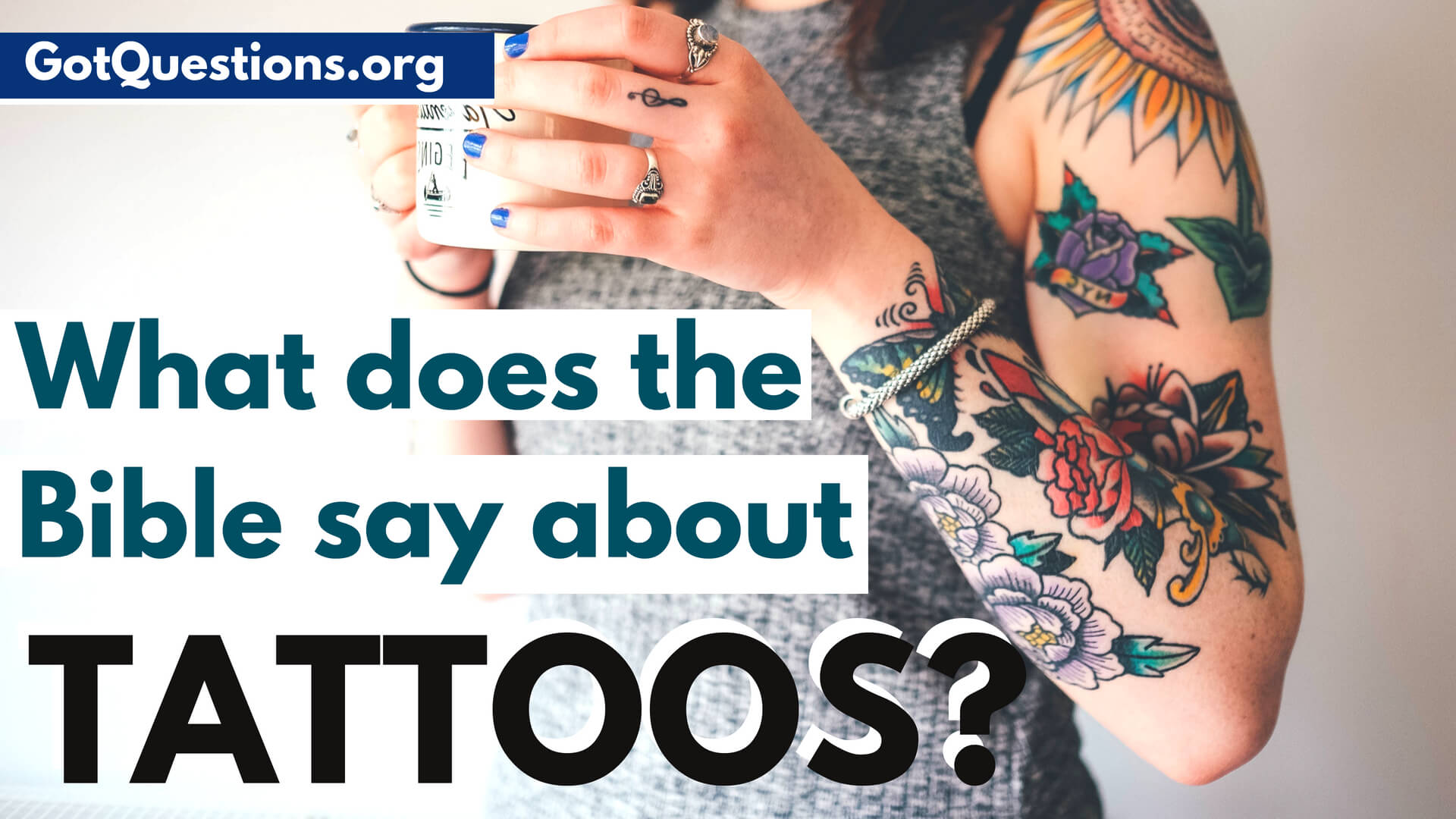
Your tattoos or piercings are not just ink or jewelry; they are brand assets. In the same way you would perform due diligence before adopting a new marketing strategy or a change in company logo, you must apply the same level of care to your physical self. If your physical presence aligns with your professional mission, reinforces your brand values, and communicates effectively to your target audience, it serves its purpose. If it distracts, misleads, or complicates your professional witness, it may be time to re-evaluate the strategy. In the modern marketplace, where your personal brand is your most valuable asset, treat your temple with the same level of strategic, high-level consideration as you would any other aspect of your business.
aViewFromTheCave is a participant in the Amazon Services LLC Associates Program, an affiliate advertising program designed to provide a means for sites to earn advertising fees by advertising and linking to Amazon.com. Amazon, the Amazon logo, AmazonSupply, and the AmazonSupply logo are trademarks of Amazon.com, Inc. or its affiliates. As an Amazon Associate we earn affiliate commissions from qualifying purchases.