
While the question of marriage between cousins often invites curiosity regarding social norms and legal statutes, it is equally vital to examine the historical and legislative framework of these unions through the lens of ancient texts. When analyzing what the Bible says about marrying cousins, one finds that the scriptures do not explicitly prohibit the practice. In fact, throughout the narrative of the Old Testament, such unions were not only permissible but, in specific tribal contexts, were practiced among the patriarchs and their descendants to maintain lineage and property rights.
Biblical Precedents and Patriarchal Practices
To understand the biblical perspective on cousin marriage, one must look at the specific examples provided in the Genesis narrative. The early chapters of the Bible describe a world where the preservation of familial inheritance and the consolidation of tribal identity were of paramount importance.

The Lineage of Isaac and Jacob
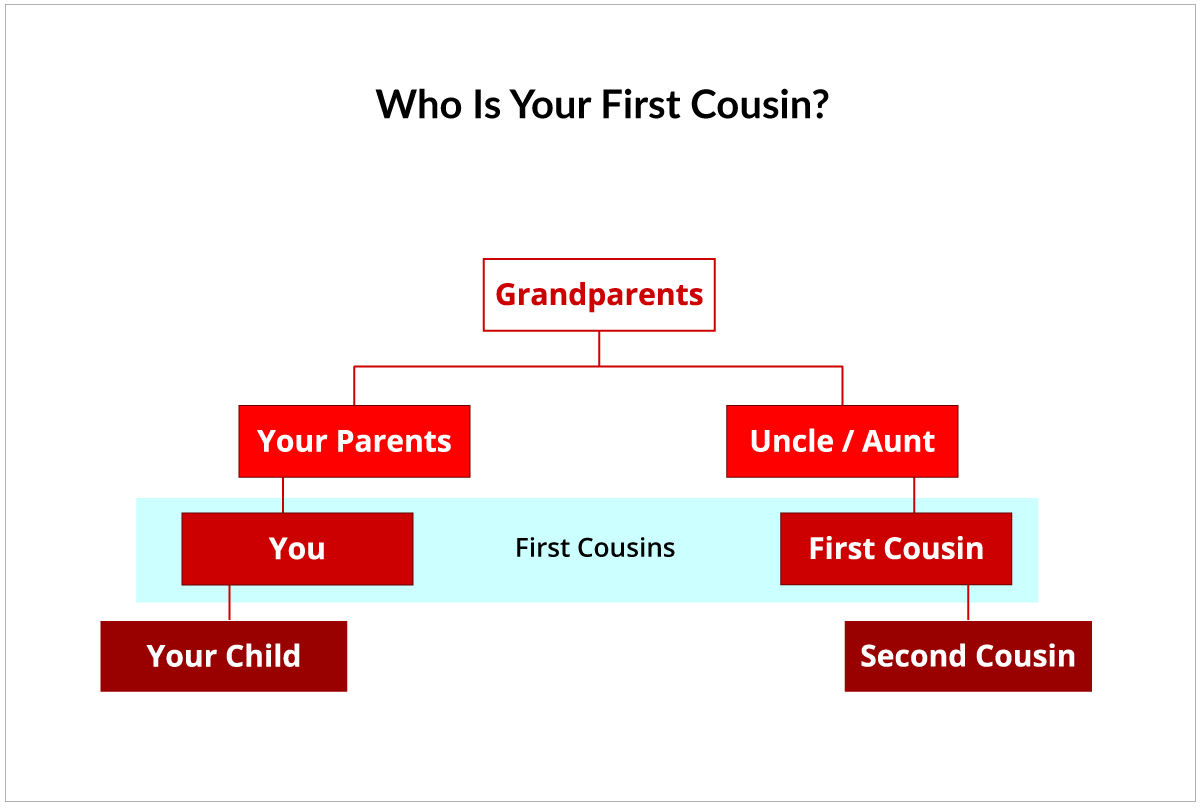
The most prominent examples of cousin marriage in the Bible are found in the genealogy of Isaac and Jacob. When Abraham sought a wife for his son Isaac, he sent his servant back to his own kin in Mesopotamia. Isaac eventually married Rebekah, who was the daughter of Bethuel, the son of Nahor, Abraham’s brother. By marrying his first cousin once removed, Isaac maintained the integrity of the ancestral line.
Similarly, Jacob—the son of Isaac—sought a wife among his mother’s relatives. He traveled to Haran and married Leah and Rachel, the daughters of his uncle Laban. These unions were essentially marriages between first cousins. In the context of these narratives, the Bible presents these events without moral condemnation or divine prohibition. Instead, they are depicted as standard practices intended to keep the family unit intact and to ensure that marriages occurred within the faith community rather than with neighboring, non-believing groups.
The Lack of Explicit Prohibition
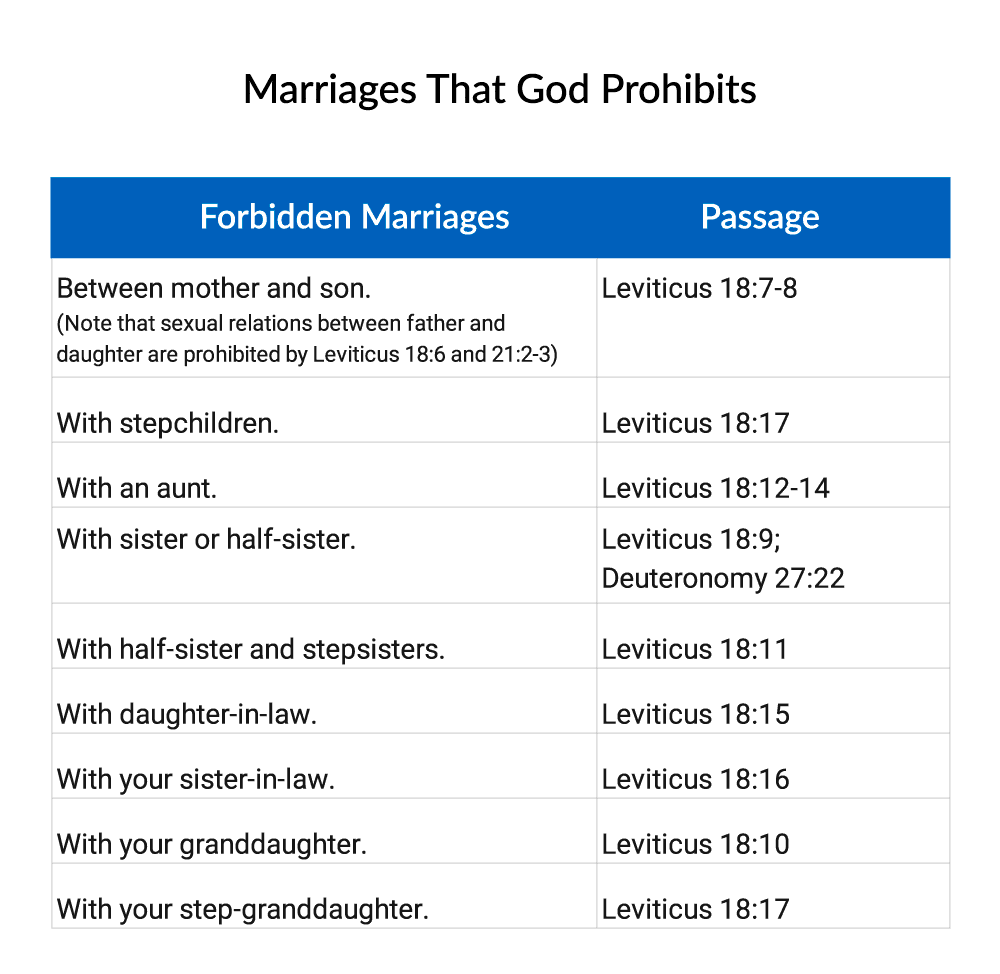
The Mosaic Law, as outlined in Leviticus 18, provides a detailed list of prohibited sexual relationships and marriages, often referred to as the “laws of consanguinity.” While this chapter explicitly forbids marriage between close relatives such as parents and children, siblings, or aunts and uncles, it notably omits first cousins from the list of prohibitions.
Theologians and biblical scholars have long noted that the silence of the Levitical code on the matter of cousins suggests that such unions were not categorized as incestuous under ancient Hebrew law. Because the Law was highly specific about what was forbidden, the absence of a ban on cousin marriage is widely interpreted as tacit permission within the framework of that cultural and historical setting.
The Cultural and Economic Motivations in Antiquity
Understanding the “why” behind these marriages requires a move away from modern Western sensibilities and toward an understanding of ancient Near Eastern social structures. Marriage was rarely merely a matter of romantic individual choice; it was a complex social contract involving property, security, and tribal diplomacy.
Consolidation of Tribal Inheritance
In ancient Israel, land was held in perpetuity by families and tribes. The inheritance laws were designed to prevent land from passing out of the family’s control. By marrying cousins, families ensured that assets, flocks, and real estate remained within the inner circle of the kin group. This provided a form of socio-economic insurance, ensuring that wealth did not dissipate through marriage into external clans that might have different religious or territorial allegiances.
Maintaining Cultural and Religious Identity
The primary concern for the early patriarchs was the preservation of their distinct identity as a people chosen by God. Marrying outside of the kin group—and specifically, marrying individuals from neighboring cultures who practiced idolatry—was viewed as a threat to the spiritual purity of the household. By selecting spouses from within the extended family, the patriarchs ensured that their wives shared the same heritage, customs, and covenantal commitment to the God of Abraham. Cousin marriage served as a protective barrier, keeping the community insulated from the perceived corruption of external pagan influences.
Theological Interpretations and the Shift in Perspective
As the biblical narrative progresses into the New Testament and eventually into the traditions of the early Church, the approach to marriage regulations underwent significant changes. While the Old Testament remained the foundational text, the interpretation of marriage evolved alongside the expansion of the faith into the Roman Empire.
Roman Law vs. Biblical Law
It is important to recognize that many of the restrictions placed on marriage in later Christian history were derived more from Roman civil law than from direct biblical mandates. Roman law had its own evolving definitions of incest and prohibited degrees of marriage. As the Church grew, it adopted many of these social standards, leading to a much stricter set of marriage regulations than those found in the Torah. Over the centuries, ecclesiastical law began to prohibit marriage between relatives as distant as fourth or even seventh cousins, a practice that far exceeded anything found in the Bible itself.
The Principle of “One Flesh”
While the Bible does not ban cousin marriage, it does establish the theological concept of marriage as the union of two people who become “one flesh.” Modern theological discussions on this topic often move past the search for explicit prohibitions and focus on the purpose of marriage. The biblical focus on marriage centers on covenant, mutual support, and the creation of a stable environment for the raising of children.
When modern believers ask what the Bible says about this, they are often navigating the tension between ancient freedom and modern biological or social concerns. The Bible provides the freedom to choose a spouse within a broad set of boundaries, but it also emphasizes the importance of wisdom, the well-being of the family, and the broader responsibility to the community.
Modern Application and Ethical Considerations
In the contemporary context, the debate over cousin marriage is often influenced by modern science, genetics, and evolving social ethics, which are distinct from the ancient context of the Bible. While the Bible does not explicitly forbid the practice, the application of biblical wisdom in the 21st century involves balancing historical precedents with modern knowledge.
Distinguishing Tradition from Law
One of the most important takeaways from an analysis of the Bible on this subject is the distinction between biblical law and tradition. The Bible provides a permissive framework regarding cousin marriage, but it does not mandate it. It does not label these unions as a spiritual requirement or a moral imperative. Instead, it presents them as historical realities that fit the needs of that time.
For the modern reader, the lack of a biblical ban means that cousin marriage is not inherently “sinful” from a purely scriptural standpoint. However, Christians are also called to be wise stewards of their lives and to consider the implications of their choices.
The Role of Wisdom and Civic Responsibility
While the Bible is silent on the prohibition, it is not silent on the pursuit of wisdom. In many modern societies, cousin marriage is legal, while in others, it is heavily discouraged or restricted due to genetic and public health concerns. The biblical principle of honoring the laws of the land (Romans 13) suggests that believers should respect the civil statutes of their respective countries.
Furthermore, the general biblical mandate to love one’s neighbor and to care for the well-being of future generations encourages believers to consider the broader implications of their life decisions. The Bible provides the freedom to make choices, but it also encourages those choices to be made with a heart directed toward the welfare of others and the glory of God.
Ultimately, the biblical narrative on cousin marriage is a reflection of a specific time in human history, characterized by the need to preserve heritage and faith in a world where family was the primary unit of survival. By acknowledging that these unions were standard in the lives of the patriarchs, one gains a clearer understanding of the ancient Near Eastern context. Yet, by applying the broader biblical calls for wisdom and respect for civil order, the modern believer can navigate this subject with both historical perspective and contemporary common sense. The Bible does not restrict the practice, but it invites the individual to act with discernment, ensuring that all life choices are made in alignment with the values of love, health, and societal harmony.
aViewFromTheCave is a participant in the Amazon Services LLC Associates Program, an affiliate advertising program designed to provide a means for sites to earn advertising fees by advertising and linking to Amazon.com. Amazon, the Amazon logo, AmazonSupply, and the AmazonSupply logo are trademarks of Amazon.com, Inc. or its affiliates. As an Amazon Associate we earn affiliate commissions from qualifying purchases.