
The concept of anointing is woven throughout the fabric of biblical history, representing a profound intersection of branding, identity, and authorization. In the ancient world, anointing with oil was not merely a ritualistic act; it was a strategic designation that signaled the selection, empowerment, and set-apart nature of an individual. When we examine this practice through the lens of modern brand strategy and personal identity, we discover that the principles of “anointing” mirror the foundational steps of establishing a powerful, authentic, and lasting market presence.
The Foundation of Identity and Purpose
In the biblical narrative, anointing served as a public declaration of one’s purpose. When a person was anointed—whether a king, a priest, or a prophet—it was an act of branding that distinguished them from the general population. It provided them with a specific mandate and a clearly defined role within their community.
Defining the Core Value Proposition
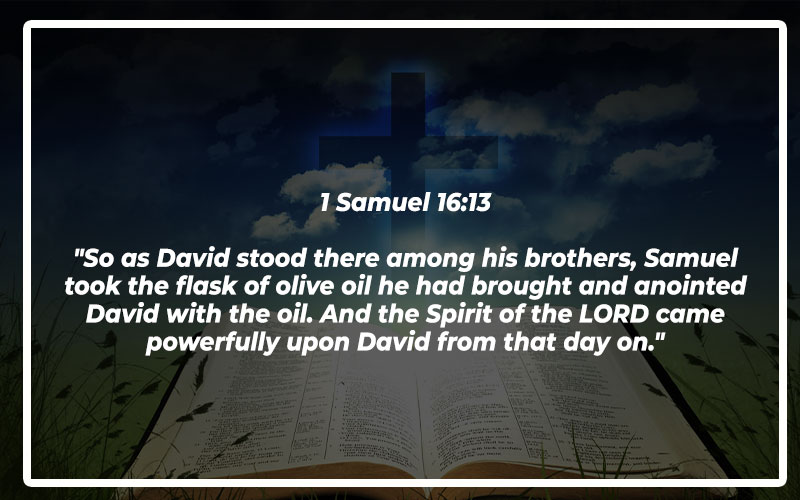
In corporate identity and personal branding, the “anointing” is the unique value proposition that separates an individual or a company from the competition. Much like the biblical figure David, who was anointed in secret before his public rise to kingship, a brand must first define its internal identity before it can effectively communicate its mission to the world. Your “anointing”—your niche, your expertise, and your core mission—is what provides the authority for your brand to exist. If you lack a clear understanding of what you have been “set apart” to do, your marketing efforts will inevitably lack the resonance and authority required to capture an audience’s attention.
Legitimacy and Public Recognition
Anointing served as a symbol of legitimacy. When Samuel anointed David, it was a signal to the surrounding culture that this person had been vetted and authorized for a higher purpose. In modern brand strategy, this is synonymous with social proof and brand equity. A brand without a clear, recognizable identity is like a person waiting for a purpose that has never been confirmed. By refining your brand’s mission and ensuring your public-facing image is consistent with your internal values, you effectively “anoint” your brand with the legitimacy it needs to gain trust in a crowded marketplace.
The Strategic Process of Set-Apart Positioning
The process of anointing involved the application of sacred, aromatic oil—a substance that was costly and intentional. This was not a casual act; it was a deliberate investment in the individual’s future. Similarly, in branding, the process of positioning is an intentional investment of time, resources, and strategy that sets a company or individual apart from the status quo.
Identifying Your Unique Market Niche
Biblical anointing was specific to the role the individual would play. A priest was anointed differently than a king. This teaches a critical lesson in brand differentiation: you cannot be everything to everyone. The most successful brands today are those that have narrowed their focus to a specific “anointing”—a unique problem they solve that no one else can address in quite the same way. By narrowing your scope, you amplify your impact.

The Cost of Excellence
The oil used for anointing was often expensive and required specific ingredients. It represented quality and rarity. In the realm of professional branding, your “oil” is your expertise, your voice, and your aesthetic. If you want your brand to be perceived as authoritative, you must invest in the quality of your output. Mediocrity cannot be anointed with authority. By focusing on high-level content, premium service, and consistent visual identity, you cultivate an environment where your brand is viewed as a “set-apart” leader in your industry.
Empowerment and Sustainable Influence
The biblical text notes that after anointing, the individual was often empowered to fulfill their role through the presence of an external force. This transition from “anointed” to “empowered” is the most critical stage for any brand. It is the move from mere visual representation to active, consistent engagement that leads to long-term market influence.
Building Authentic Authority
Anointing was intended to last. It wasn’t a temporary label but a permanent shift in status. In brand strategy, this longevity comes from authenticity. When a brand’s internal culture matches its external marketing, it builds an authentic connection with its audience. Authenticity is the modern equivalent of the “anointing oil” that creates a lingering, memorable fragrance in the minds of consumers. When your brand acts with integrity and delivers on its promises, you sustain your influence over time, ensuring that your authority remains relevant even as market trends shift.
Expanding the Brand’s Reach
The influence of an anointed figure in the Bible often grew far beyond their immediate vicinity. Their impact reached across nations and generations. For a modern brand, this is the goal of scaling. By establishing a solid, anointed identity, you create a foundation that allows for growth without diluting your core message. Whether you are building a personal brand or a corporate entity, the key to scaling is maintaining the core of your “anointing”—the thing that made you great in the first place—while adapting your delivery methods to reach a broader audience.
The Fragrance of Consistent Messaging
One of the most poetic aspects of the anointing process was the scent. The oil was aromatic, meant to be perceived by the senses of those around the anointed. In the digital age, a brand’s “scent” is its messaging. It is the tone of voice, the design aesthetic, and the overall vibe that lingers after a customer interacts with your website, social media, or marketing materials.
Crafting a Memorable Brand Experience
Your messaging should be unmistakable. Just as the anointing oil was distinct and recognizable, your brand’s voice should be so unique that it is instantly identifiable within the first few seconds of interaction. If your marketing feels generic, you are effectively “un-anointed”—you have no defining mark that sets you apart from the sea of competitors. To correct this, audit your brand’s communication. Is your messaging consistent across all platforms? Does it convey a clear sense of authority? Does it evoke the right emotional response in your target demographic?

The Discipline of Maintenance
Anointing was not a one-time event that eliminated the need for growth; it was the start of a lifetime of duty. Brands often make the mistake of thinking that once a logo is designed or a mission statement is written, the work is done. However, branding is a continuous process of stewardship. You must constantly tend to your “anointing” by refining your strategies, listening to your audience, and staying true to your core mission. By maintaining the discipline of your brand identity, you ensure that your influence remains strong, relevant, and authoritative.
In conclusion, the biblical concept of anointing offers a profound blueprint for modern brand strategy. By identifying your unique value, intentionally positioning yourself in the market, cultivating authentic authority, and maintaining a distinct, high-quality “scent” through consistent messaging, you can transform your professional presence into a powerful, lasting influence. To be “anointed” is to be chosen for a purpose, equipped for the task, and authorized to lead—all of which are the hallmarks of a truly successful brand in the modern era.
aViewFromTheCave is a participant in the Amazon Services LLC Associates Program, an affiliate advertising program designed to provide a means for sites to earn advertising fees by advertising and linking to Amazon.com. Amazon, the Amazon logo, AmazonSupply, and the AmazonSupply logo are trademarks of Amazon.com, Inc. or its affiliates. As an Amazon Associate we earn affiliate commissions from qualifying purchases.