
The question of what happens after death is one of the most profound inquiries in human history. For many, the Bible serves as the primary source for understanding the transition from life to the afterlife. It offers a framework that moves beyond mere philosophy, presenting a narrative of hope, justice, and eternal existence. While the scriptures do not provide a scientific map of the spiritual realm, they outline clear principles regarding the soul’s destination, the state of consciousness, and the ultimate restoration of all things.
The Biblical Perspective on the Human Soul and Consciousness
To understand the afterlife according to the Bible, one must first understand how it defines human existence. Biblical theology generally views humanity as a unity of body, soul, and spirit. When death occurs, this unity is temporarily severed, but the essence of the individual persists.
The Immediate Transition
The New Testament suggests that death is not a cessation of existence but a migration. In his writings, the Apostle Paul describes death as “being away from the body and at home with the Lord.” This implies an immediate conscious transition for the believer. Unlike theories that suggest a period of “soul sleep” or unconsciousness, the biblical narrative often points toward an instant presence with the Divine. When Jesus hung on the cross, his promise to the repentant thief—”Today you will be with me in paradise”—underscores the immediacy of this afterlife experience.
The Intermediate State
Many theologians refer to the period between physical death and the final resurrection as the “intermediate state.” While the physical body returns to the dust, the Bible describes the soul as remaining alert and aware. In the parable of the rich man and Lazarus, Jesus illustrates a post-death environment where communication, memory, and awareness remain intact. This suggests that the afterlife is not a dream-like state but a continuation of the individual’s identity, albeit in a different dimension of reality.
Judgment and the Moral Architecture of the Afterlife
A recurring theme in biblical eschatology is the concept of divine justice. The afterlife is not portrayed as a generic destination for everyone, but as a place defined by the moral trajectory established during one’s earthly life. The Bible emphasizes accountability, positioning the afterlife as the ultimate venue where the inconsistencies of earthly justice are corrected.
The Principle of Accountability
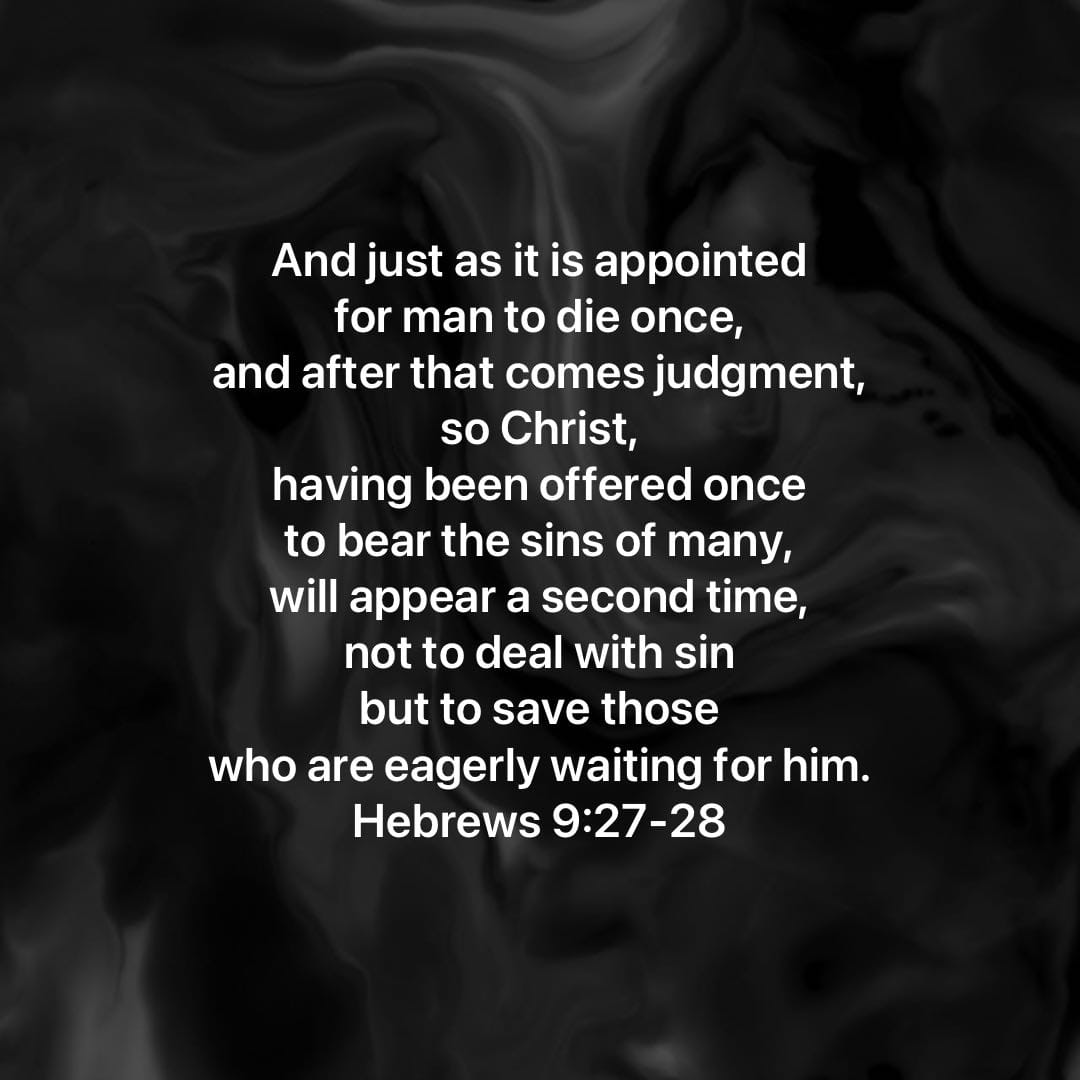
The Book of Hebrews states that “it is appointed for man to die once, and after that comes judgment.” This judgment is not presented as a chaotic or arbitrary process but as an evaluation of a life lived in alignment—or misalignment—with God’s moral law. The concept of “reaping what one sows” extends beyond the grave. The Bible suggests that earthly actions, intentions, and heart attitudes are the currency that defines one’s standing in the afterlife.

The Binary Nature of the Destination
Biblical literature consistently utilizes binary imagery to describe the destination of souls: light versus darkness, life versus destruction, and presence versus exclusion. While popular culture often leans into simplistic depictions of heaven and hell, the biblical text focuses on the presence of God as the defining characteristic of the afterlife. Heaven is described primarily as a place where God’s presence is unobstructed, while the alternative is described as a state of “outer darkness” or total separation from the Source of all good. The focus is less on physical geography and more on the degree of one’s reconciliation with the Creator.
The Hope of Physical Resurrection
Perhaps the most distinct feature of the biblical view of the afterlife is its insistence on the physical resurrection. Unlike Greek philosophical traditions, which often view the body as a “prison” for the soul that should be discarded, the Bible maintains that the physical realm is “very good.” Therefore, the ultimate goal of the afterlife is not to be a disembodied spirit forever, but to be reunited with a perfected physical body.
The Pattern of the Resurrected Christ
The resurrection of Jesus is presented as the “firstfruits” of what will happen to all. When Jesus appeared to his disciples after his resurrection, he possessed a physical body that could be touched and could eat, yet it was transformed, no longer subject to decay, pain, or the limitations of time and space. The Bible teaches that this transformation is the prototype for the believer’s future. The expectation is a “glorified body,” equipped to exist in a new, restored creation.
The New Heavens and the New Earth
The final chapters of the Bible, specifically the Book of Revelation, describe the culmination of the afterlife not in a distant, ethereal cloud-city, but in the renewal of the earth itself. The narrative describes a “new heaven and a new earth” where the division between the divine and the human is bridged. In this vision, death is eradicated, sorrow is abolished, and the focus shifts to the restoration of humanity’s original purpose: living in community with God and one another in a renewed, physical creation. This perspective offers a holistic hope that validates the importance of physical life while promising a future free from the corruption of sin and suffering.
Living in Light of Eternity
The Bible does not detail the afterlife simply to satisfy human curiosity; it does so to provide a framework for how one should live in the present. If the afterlife is a reality, then the choices made in this life carry eternal weight.
The Integration of Purpose
The biblical view of the afterlife encourages a life of integrity, service, and love. If eternity is real, then acts of kindness, the pursuit of truth, and the cultivation of character are not merely fleeting endeavors but are tied to an everlasting reality. The Bible suggests that the “treasures” one accumulates are not material, but relational and spiritual, as these are the only things that transcend the barrier of death.
Overcoming the Fear of Death
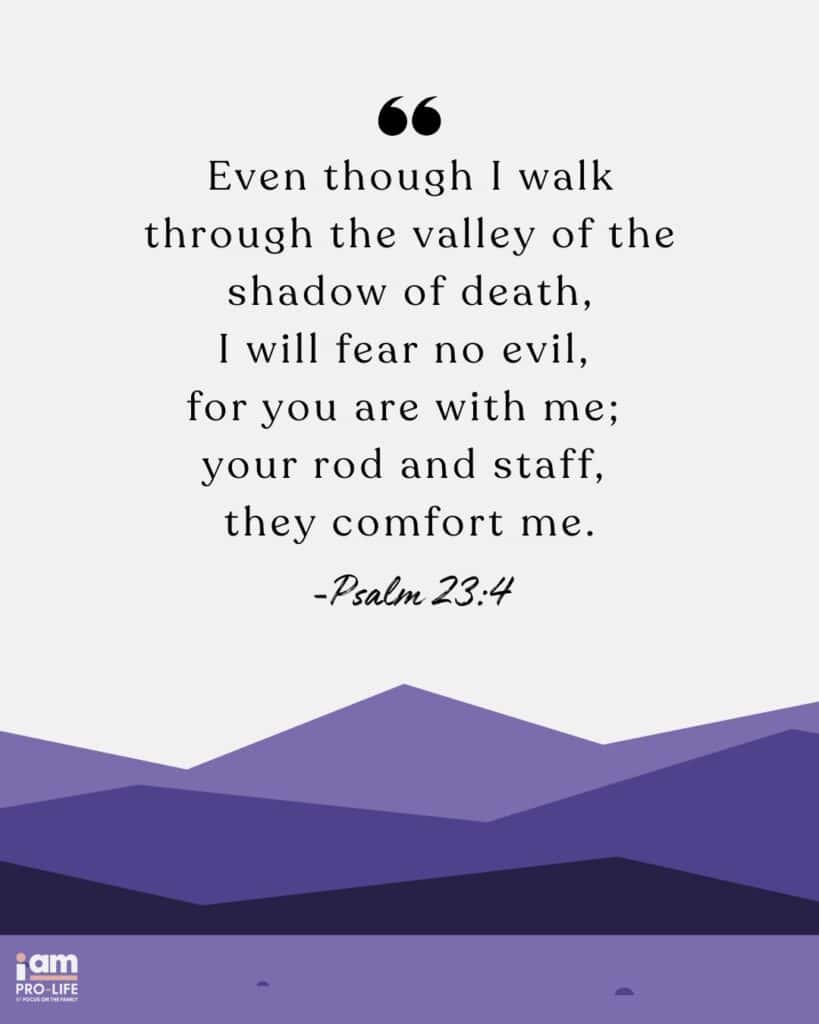
Finally, the message of the Bible regarding what comes after death is designed to remove the “sting” of mortality. By reframing death as a doorway rather than a wall, the scriptures invite individuals to shift their perspective from fear to anticipation. This assurance is rooted in the belief that the afterlife is governed by a God who is both just and loving, ensuring that the transition is held within a framework of grace.
In summary, the Bible describes the afterlife as a conscious, individual experience characterized by accountability and leading toward a physical resurrection. It is a narrative of restoration, where the brokenness of the current world is addressed, and humanity is invited into a perpetual state of existence marked by the immediate, life-giving presence of the Divine. Whether one views these texts through a lens of faith or historical analysis, they remain the foundational pillars for Western civilization’s understanding of death and the hope that lies beyond it.
aViewFromTheCave is a participant in the Amazon Services LLC Associates Program, an affiliate advertising program designed to provide a means for sites to earn advertising fees by advertising and linking to Amazon.com. Amazon, the Amazon logo, AmazonSupply, and the AmazonSupply logo are trademarks of Amazon.com, Inc. or its affiliates. As an Amazon Associate we earn affiliate commissions from qualifying purchases.