
When we contemplate the ultimate horizon of existence, the questions surrounding the afterlife are among the most profound and persistent in human history. For many, these questions are not merely philosophical inquiries but are deeply anchored in the text of the Bible. While the scriptures do not provide a singular, exhaustive technical manual for the mechanics of the afterlife, they offer a tapestry of imagery, theological assertions, and promises that paint a picture of what lies beyond the veil of physical death. Understanding this biblical perspective requires an examination of the nature of the soul, the concept of judgment, and the ultimate restoration of creation.
The Biblical Anthropology of Death and the Soul
To grasp what the Bible says about the afterlife, one must first understand how it defines human existence. The biblical view is not strictly dualistic—meaning a simple separation of a “ghost” from a “machine”—but rather a holistic view of the human person.
The Breath of Life
In Genesis, the creation of humanity is described as God forming man from the dust of the ground and breathing into his nostrils the “breath of life.” This foundational narrative suggests that human life is a composite of the physical (the dust) and the divine (the spirit/breath). When death occurs, the Bible often describes this as a “returning” of the breath to God, while the body returns to the earth. The scriptures frequently refer to death as a “sleep,” a metaphor that emphasizes the temporary nature of this state in the grand scheme of divine history.
The Intermediate State
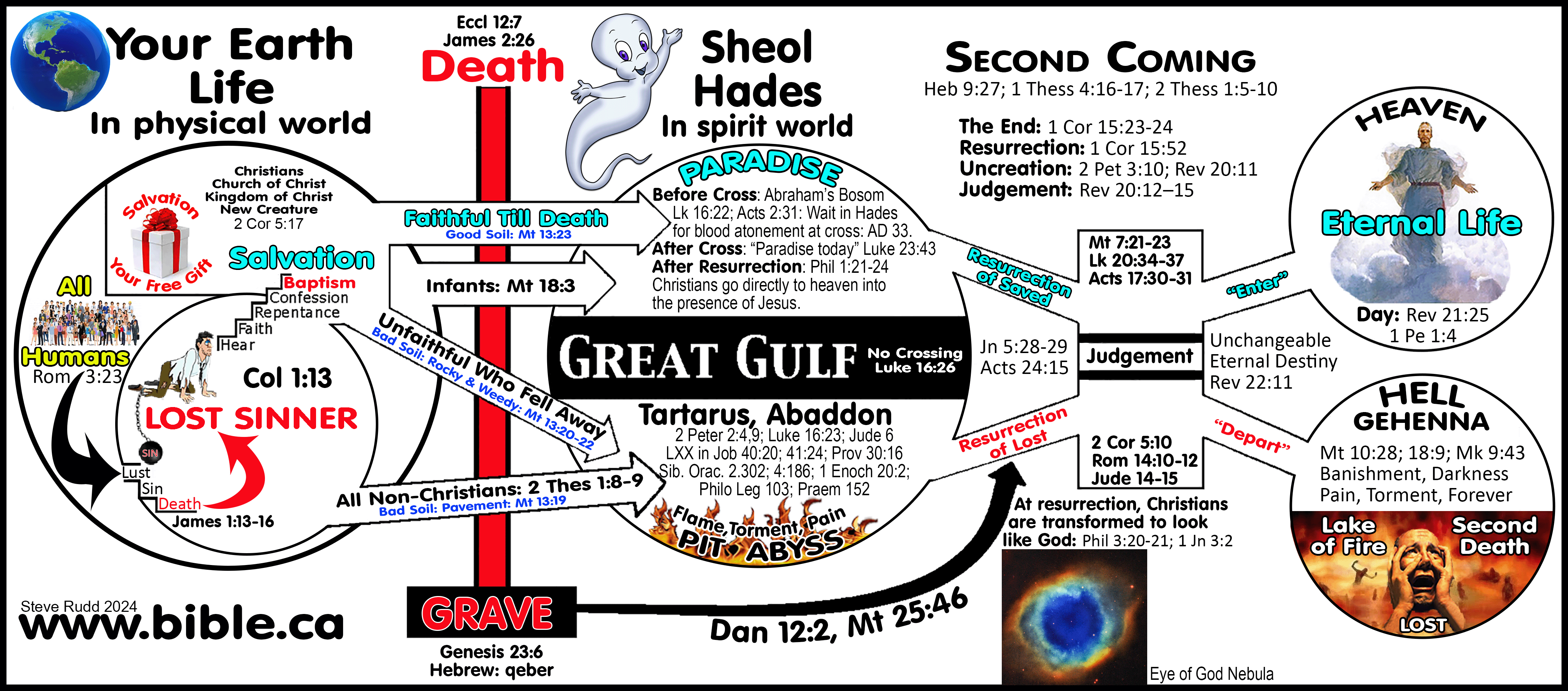
There is a nuanced dialogue in the New Testament regarding the period between an individual’s physical death and the final resurrection. Jesus’ conversation with the thief on the cross—”Today you will be with me in paradise”—indicates an immediate transition for the consciousness of the believer. Similarly, the Apostle Paul speaks of his desire to “depart and be with Christ, which is better by far.” These passages suggest that for the individual, there is no “gap” in experience; the soul’s departure from the physical body results in an immediate encounter with the divine presence.
The Concept of Divine Judgment and Accountability
A central pillar of the biblical narrative concerning the afterlife is the concept of justice. The afterlife is not portrayed as a vague, ethereal mist where all are treated as identical, but rather as a realm where the moral realities of this life are addressed.
The Reckoning of Actions
The scriptures consistently teach that human choices carry eternal significance. The writer of Hebrews states, “It is appointed for man to die once, and after that comes judgment.” This judgment is not presented as an arbitrary trial, but as the final alignment of a person’s life with the truth of God. For those who have lived in alignment with divine grace, the afterlife is a reward; for those who have consistently rejected the light, it is described as a consequence—a separation from the source of all goodness.

The Nature of Hell and Separation
The biblical descriptions of the negative outcome of judgment—often translated as “hell,” “Gehenna,” or “outer darkness”—are heavy with imagery of fire, loss, and weeping. These metaphors are generally interpreted by theologians as the ultimate realization of what it means to live life entirely apart from God. If God is the source of love, peace, and light, then existence entirely devoid of God is, by definition, an existence of profound suffering and darkness. The Bible frames this not as God “sending” people to a place of torment, but as the inevitable destination of a heart that has cultivated a lifetime of rebellion against the divine nature.
The Promise of Resurrection and Restoration
Perhaps the most distinctively “biblical” aspect of the afterlife is its insistence on the resurrection of the body. Unlike many ancient belief systems that viewed the physical body as a cage to be escaped, the biblical view holds that the physical world is “very good” (Genesis 1) and that its destruction is not the final word.
The Transformation of the Body
The Apostle Paul, in his extensive discourse in 1 Corinthians 15, addresses the question, “How are the dead raised? With what kind of body will they come?” He describes the resurrection body as being sown in weakness but raised in power, sown a natural body but raised a spiritual body. The core concept here is continuity—the resurrection body is “you,” but transformed, glorified, and no longer subject to the decay, sickness, or death that plagues our present existence. It is the restoration of the original intent for human life.
The New Heavens and the New Earth
The ultimate vision of the afterlife in the Bible is not merely a spiritual plane of existence in the clouds, but a redeemed physical reality. The book of Revelation concludes with a vision of a “new heaven and a new earth.” The city of God—the New Jerusalem—descends to the earth. This signifies the total reconciliation of the divine and the created. The presence of God, which was once hidden or separated by the veil of human frailty and sin, becomes the ambient reality of the cosmos. In this state, death, mourning, crying, and pain are no more.
The Practical Implications of an Eternal Outlook
If one accepts the biblical narrative of the afterlife, the implications for the current life are profound. The Bible does not encourage its readers to be so focused on the “hereafter” that they become useless in the “here and now.” On the contrary, it emphasizes that the perspective of eternity is the primary catalyst for ethical living.
Living with Purpose
The biblical exhortation is to live in such a way that one’s life acts as a precursor to the coming kingdom. Because the afterlife is viewed as a restoration of justice and love, those who believe in it are encouraged to pursue justice and love in the present world. If the future state is one where the “lion lies down with the lamb,” then the current mandate is to work toward peace and reconciliation among human beings.
Hope as an Anchor
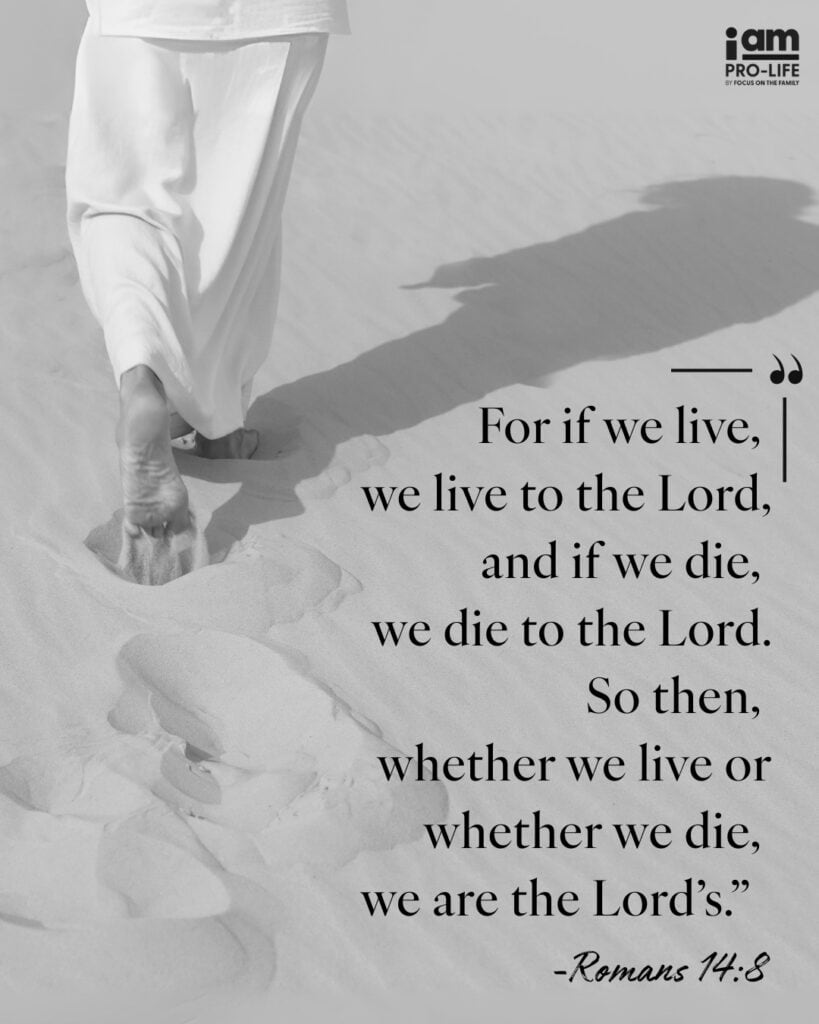
Ultimately, the biblical message regarding death is one of hope. It acknowledges the sting of death—the grief of loss and the fear of the unknown—but places that sting within the context of a larger victory. The narrative is one of a Creator who is actively working to bridge the chasm caused by death. For the believer, death is not a wall but a doorway. It is not the end of the story, but the beginning of a new chapter where the broken pieces of human experience are finally, fully, and permanently mended.
By examining these themes—the transition of the soul, the reality of judgment, the hope of resurrection, and the restoration of the earth—one finds that the Bible offers a holistic and deeply integrated view of what follows our physical exit. It is a view that balances the solemnity of moral accountability with the overwhelming promise of a future where life is restored to its perfect, intended state. Whether viewed through the lens of history, theology, or personal faith, the biblical perspective on the afterlife remains one of the most influential frameworks in the human experience, challenging individuals to consider the weight and direction of their lives in light of eternity.
aViewFromTheCave is a participant in the Amazon Services LLC Associates Program, an affiliate advertising program designed to provide a means for sites to earn advertising fees by advertising and linking to Amazon.com. Amazon, the Amazon logo, AmazonSupply, and the AmazonSupply logo are trademarks of Amazon.com, Inc. or its affiliates. As an Amazon Associate we earn affiliate commissions from qualifying purchases.