
When exploring the intersection of prophetic literature and historical biblical events, the concept of a “three days of darkness” occupies a significant space. While pop culture and contemporary mystical traditions often treat this as a singular, future eschatological event, the biblical narrative presents a more nuanced view. Understanding this phenomenon requires analyzing the specific instances where darkness serves as a divine tool, a prophetic sign, and a symbol of judgment within the framework of scriptural history.
The Historical Precedent: The Plague of Egypt
The most explicit mention of a period of darkness lasting exactly three days is found in the book of Exodus. This event was not merely a meteorological anomaly; it was a profound theological statement regarding the sovereignty of God over the deities of Egypt.
The Ninth Plague as Divine Reversal
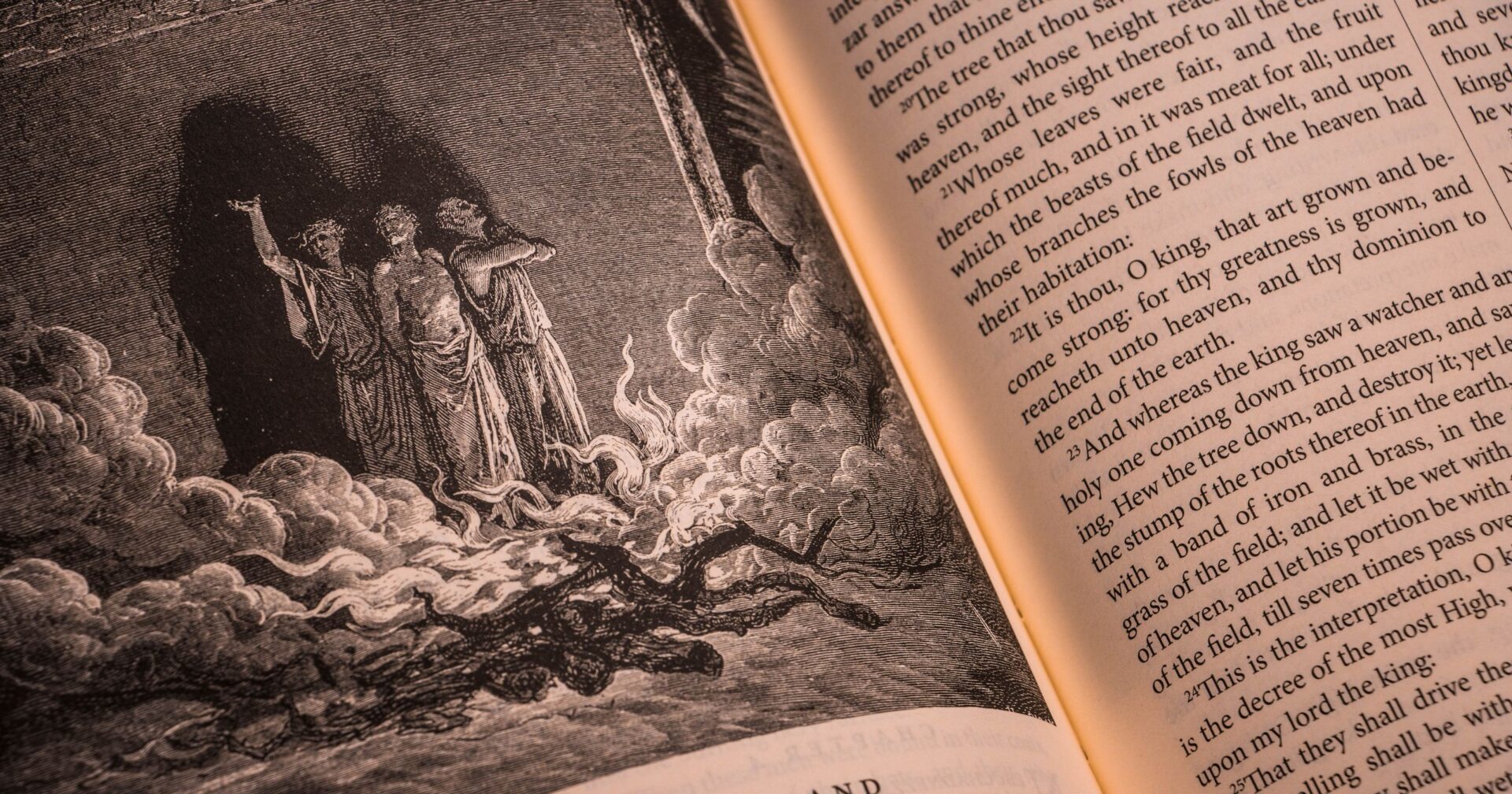
In Exodus 10:21–23, the narrative describes a darkness so thick it could be felt. This occurred as the ninth of ten plagues brought upon Pharaoh’s kingdom. Egypt relied heavily on Ra, the sun god, who was central to their religious and cultural identity. By plunging the nation into a darkness that lasted for seventy-two hours, the biblical text posits that the God of Israel effectively “extinguished” the power of the Egyptian pantheon.
The Contrast of Light
Crucially, the scripture notes that “all the people of Israel had light where they lived.” This distinction creates a narrative pattern that repeats throughout the Bible: the darkness serves as a mechanism of judgment for those in opposition to the divine will, while remaining a sanctuary of illumination for the faithful. This historical event established a precedent that darkness is a temporary, controlled state directed by a higher authority, rather than a permanent loss of cosmic order.
The Prophetic Significance of Cosmic Darkness
Beyond the historical record, prophets frequently utilized the imagery of darkness to describe the “Day of the Lord.” In prophetic literature, darkness acts as a metaphor for the suspension of life-giving forces and the onset of divine judgment.
Joel and the Day of the Lord
The prophet Joel speaks extensively of a day of darkness and gloom, a day of clouds and thick darkness (Joel 2:2). While Joel describes a darkening of the sun and moon, he ties this imagery to the arrival of an invading army and the ultimate judgment of nations. Here, the “darkness” is symbolic of the distress and confusion that precedes the intervention of God in human history.
The Suspension of the Sun and Moon
In Isaiah 13:10 and Matthew 24:29, the darkening of the celestial bodies is linked to the culmination of eras. These passages suggest that when the established structures of power and order reach a point of moral decay, the “light” of the existing world is removed. This serves to humble the pride of humanity. The recurring theme is that darkness is the state of the world when the presence of God is withdrawn or when human arrogance eclipses the truth.
The Darkness at the Crucifixion
The New Testament provides another critical instance of supernatural darkness that occurred during the crucifixion of Jesus Christ. While the duration here is specified as three hours rather than three days, it remains the most profound intersection of divine judgment and redemption within the biblical canon.
The Silence of the Cosmos
According to the accounts in Matthew, Mark, and Luke, darkness covered the whole land from the sixth hour until the ninth hour while Jesus hung upon the cross. If the darkness in Egypt was a sign of judgment against a nation, the darkness at the cross is interpreted by theologians as the moment the weight of human transgression was placed upon the Son.
Theological Implications
The darkness here functions as a veil. In the Temple, the veil separated the Holy of Holies from the rest of the world; at the cross, the darkness served as a cosmic veil. It marked a temporary cessation of the light of the world, signifying the gravity of the event. Unlike the darkness of Egypt, which led to the liberation of the Israelites, the darkness at the crucifixion is presented as the prerequisite for a new covenant. It emphasizes that before a new light can break through—the Resurrection—there must be a period of total, impenetrable darkness.
Analyzing the Concept of “Three Days” in Biblical Numerology
To understand why the duration of “three days” appears so frequently in connection with periods of trial or transformation, we must look at biblical numerology. The number three is traditionally associated with completeness, the divine, and the resurrection.
The Pattern of Restoration
The period of three days is consistently linked to the interval between death and life, or trial and vindication. Jonah was in the belly of the fish for three days before being delivered. Jesus was in the tomb for three days before his resurrection. Consequently, when the Bible discusses periods of darkness, the “three days” duration often implies a trajectory toward restoration rather than a final, permanent state of destruction.
Distinguishing Myth from Scripture
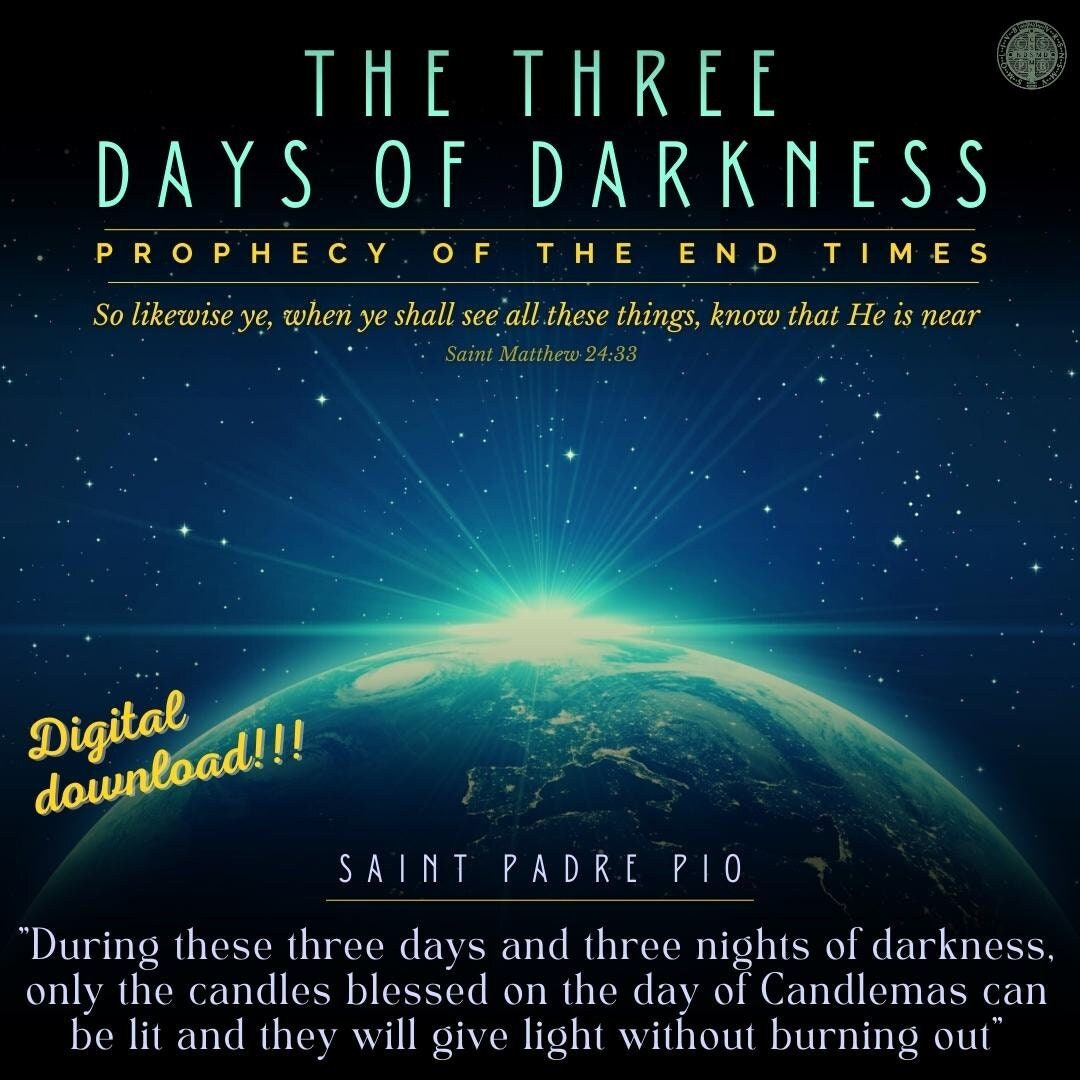
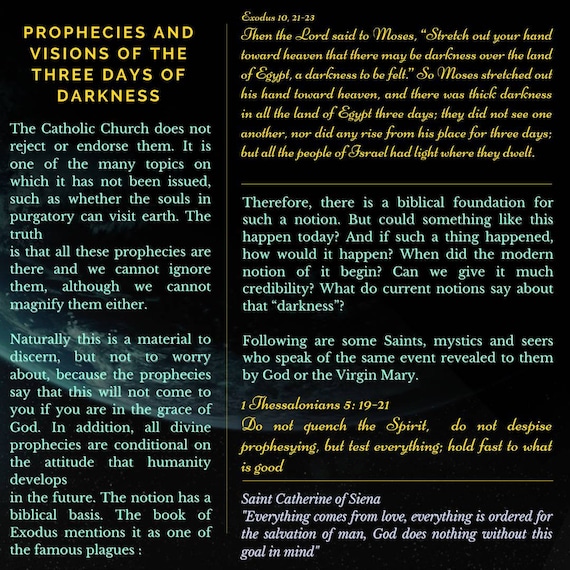
There is a common modern belief—often found in private revelations and folklore—that suggests a future “three days of darkness” will occur where believers must remain indoors with blessed candles to survive. It is vital to distinguish this from the biblical text. The Bible does not explicitly prophesy a future, literal three-day period of global darkness in the manner described by post-biblical mystical writings. Instead, the Bible focuses on the concept of “walking in the light” regardless of the surrounding circumstances. The scriptural focus is consistently on the preparedness of the heart, rather than the physical environment.
The Call to Vigilance
The biblical perspective on darkness is not designed to provoke fear, but to inspire spiritual alertness. Throughout the Old and New Testaments, darkness is frequently contrasted with the “Light of the World.”
The Metaphor of the Heart
When the Bible speaks of darkness, it often refers to the internal state of those who reject the truth. In 1 John 1:5, it is stated that “God is light, and in him is no darkness at all.” Therefore, the most significant “three days of darkness” for any individual is the period in which they are separated from the source of that light. The scriptures urge believers to be “children of light,” suggesting that the external environment—whether it is a literal period of darkness or a metaphorical time of societal confusion—is secondary to the internal posture of faith.
Conclusion: Stability in Uncertain Times
The biblical narrative does not focus on calculating dates for periods of darkness; it focuses on the constancy of the divine character. Whether examining the historical shadow over Egypt, the ominous signs given by the prophets, or the somber darkness of Calvary, the message remains consistent: the light eventually returns. The “three days” is not a countdown to doom, but a measure of transition. For the student of the Bible, these accounts serve as a reminder that even in the deepest periods of uncertainty, the underlying structure of reality is governed by a power that is ultimately directed toward redemption and renewal. Rather than fearing the darkness, the biblical approach is to maintain one’s lamp, ensuring that the light of truth remains burning, regardless of the duration of the shadows that may pass over the earth.
aViewFromTheCave is a participant in the Amazon Services LLC Associates Program, an affiliate advertising program designed to provide a means for sites to earn advertising fees by advertising and linking to Amazon.com. Amazon, the Amazon logo, AmazonSupply, and the AmazonSupply logo are trademarks of Amazon.com, Inc. or its affiliates. As an Amazon Associate we earn affiliate commissions from qualifying purchases.