
The digital landscape has fundamentally altered how we interact, stripping away the formalities of traditional correspondence in favor of rapid-fire, shorthand communication. As social media platforms like Instagram, TikTok, and Snapchat evolve, so does the vernacular used by digital natives. One acronym that frequently appears in comment sections, direct messages, and story captions is “TB.” While users of a certain generation might immediately think of the medical abbreviation for tuberculosis, in the context of modern digital interaction, the meaning is entirely different. Understanding these nuances is critical for effective digital communication and personal branding, as misinterpreting slang can lead to social friction or professional faux pas.

The Evolution of TB in Social Media Vernacular
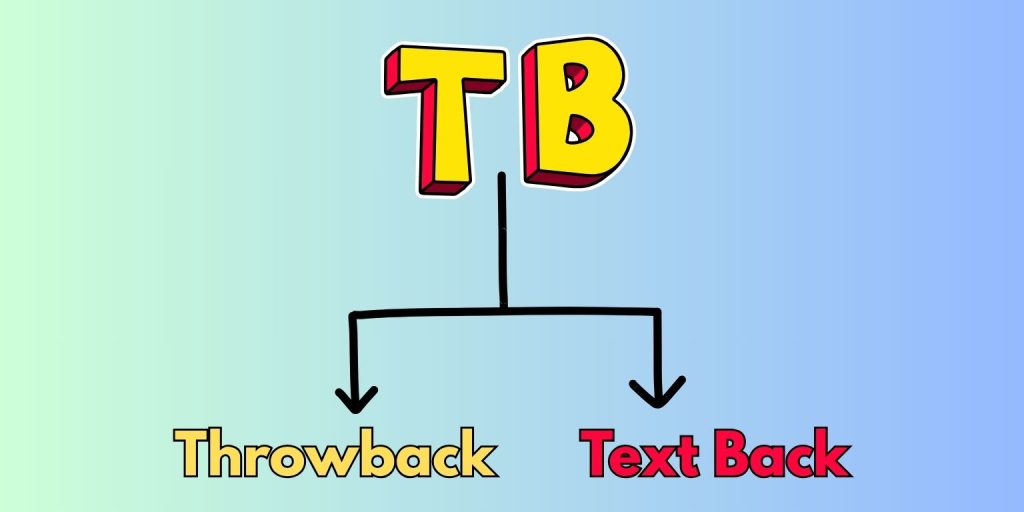
In the fast-paced environment of social media, brevity is the currency of engagement. Acronyms serve as a linguistic compression mechanism, allowing users to convey complex sentiments with minimal characters. “TB” is a classic example of this evolution. Within the ecosystem of Instagram and digital content sharing, “TB” stands for “Throwback.”
Understanding the Throwback Culture
The phenomenon of the “throwback” is rooted in nostalgia. It serves as a digital memory lane, allowing creators to bridge the gap between their current persona and their past experiences. When a user posts a photo or video from a previous period, they are curating their personal history, inviting their audience to engage with a version of themselves that no longer exists in the present. By tagging a post “TB,” the creator signals that the content is archival rather than current.
Contextual Variations
While “Throwback” is the primary definition, slang is rarely static. On some niche platforms, “TB” may occasionally be used as an abbreviation for “Text Back” or “True Blue,” though these usages are significantly less common than the nostalgic iteration. In the world of digital communication, the primary challenge remains decoding the context. A post featuring a childhood birthday party tagged with “TB” is clearly referencing a memory, whereas a DM asking “TB?” is an inquiry regarding a prompt response to a previous message.
Personal Branding and the Power of Nostalgia
From a personal branding perspective, the use of “TB” is a strategic tool. It is not merely a label; it is a narrative device that humanizes the digital persona. In an era where many social feeds are polished, filtered, and highly curated, the “Throwback” provides a necessary injection of authenticity.
Humanizing the Digital Persona
Audiences gravitate toward vulnerability. When a brand—whether personal or corporate—shares a “Throwback” moment, it highlights the journey. It demonstrates that the current level of success or the established brand identity was built over time. By incorporating “TB” posts, influencers and professionals can demonstrate their evolution, thereby building trust with their audience. It shows that the person behind the screen is a living, breathing individual with a history, rather than a static avatar.
Maintaining Engagement Consistency
One of the greatest challenges in personal branding is maintaining a consistent content schedule. The “TB” post acts as an effective “filler” strategy that still provides value. When a creator does not have new content, a well-chosen throwback allows them to keep the engagement loop active without sacrificing quality. It invites comments like, “I remember this!” or “You haven’t aged a day,” which drives the platform’s algorithm to push the content to a wider audience. This interaction cycle is vital for sustaining long-term growth.
The Role of TB in Professional Networking and Digital Etiquette
While “TB” is predominantly casual, its presence in professional digital circles warrants a nuanced approach. The line between professional branding and personal expression has blurred, and understanding how to deploy this slang—or how to interpret it when sent by a colleague—is an essential skill for the modern professional.
When to Use Acronyms in Professional DMs
The transition from formal email to professional direct messaging platforms like Slack, LinkedIn, or Discord has created a gray area for language. Using acronyms like “TB” in a professional setting is generally acceptable if the relationship is established and the culture of the company is tech-forward or informal. However, it should never replace clear, actionable communication. If you are using “TB” to mean “Throwback” on a LinkedIn post highlighting a company milestone, you are leveraging nostalgia for corporate storytelling. Conversely, if you are using it to mean “Text Back,” you should exercise caution; it can come across as demanding or overly familiar.
Avoiding Miscommunication
The potential for misinterpretation is the greatest risk in using slang. To ensure your digital brand remains professional:
- Context is King: Always ensure the visual content supports the acronym. If there is any chance of ambiguity, opt for full phrasing.
- Know Your Audience: Adjust your vernacular based on the demographic you are targeting. A younger audience on TikTok will naturally expect and understand shorthand, while a more traditional audience might find it cryptic or unprofessional.
- Prioritize Clarity: If you are unsure whether the recipient will understand the acronym, avoid it. Digital branding is about communication, not gatekeeping information through code.
The Impact of Slang on Digital Literacy
The proliferation of terms like “TB” is a reflection of digital literacy—the ability to find, evaluate, and communicate information through various digital platforms. The speed at which these terms emerge and fade is a testament to the agility of the digital age.
The Lifecycle of Slang
Slang terms often go through a predictable cycle: introduction, widespread adoption, peak usage, and eventual obsolescence. “TB” has achieved a level of staying power because it serves a functional purpose: labeling content. Unlike fleeting internet memes that vanish within weeks, functional abbreviations that describe the nature of content (like “TB” for Throwback or “OOTD” for Outfit of the Day) tend to stick around.
Adapting to Future Communication Trends
As communication continues to shift toward video-centric formats, the use of text-based slang will likely evolve once more. We are already seeing a rise in visual shorthand, where emojis replace words entirely. However, the need to categorize content—to tell the viewer what they are looking at before they even consume the media—remains a pillar of digital strategy. Mastering the basics of current digital slang like “TB” is the first step in becoming a fluent navigator of the modern web.
By understanding that “TB” is a bridge between the past and the present, and by recognizing the psychological trigger that nostalgia provides, creators can better leverage their content libraries. Whether it is used to anchor a personal brand in history or to foster engagement during a content drought, “TB” remains a vital element of the digital communication toolkit. Keeping up with these trends does not require one to abandon professionalism; rather, it requires the strategic adaptation of language to suit the evolving needs of a digital-first audience. Success in the modern era is defined by how well you can condense your message, humanize your story, and connect with your audience in the fraction of a second they spend scrolling through your feed.
aViewFromTheCave is a participant in the Amazon Services LLC Associates Program, an affiliate advertising program designed to provide a means for sites to earn advertising fees by advertising and linking to Amazon.com. Amazon, the Amazon logo, AmazonSupply, and the AmazonSupply logo are trademarks of Amazon.com, Inc. or its affiliates. As an Amazon Associate we earn affiliate commissions from qualifying purchases.