
The “Swiss Made” label is one of the most powerful marketing tools in the history of horology. It is more than just a geographic indicator; it is a seal of quality, a badge of prestige, and a legal designation that carries significant weight in the luxury brand landscape. For consumers, it serves as a shorthand for reliability and fine craftsmanship. For brands, it is a strategic asset that commands premium pricing and consumer trust. Understanding what this label truly entails—and how it functions as a cornerstone of brand identity—requires peeling back the layers of regulation and the historical weight that luxury watchmakers leverage to distinguish themselves in a crowded global market.

The Legal Framework of Brand Prestige
The designation “Swiss Made” is strictly governed by the Swiss Federal Council. It is not merely an opinion or a marketing flourish; it is a legal status defined by the “Ordinance on the Use of ‘Swiss’ for Watches.” This legal framework is the bedrock of the Swiss watch industry’s corporate identity. To qualify for the label, a watch must meet three fundamental criteria: its movement must be Swiss, the movement must be cased up in Switzerland, and the manufacturer must perform the final inspection in Switzerland.
Defining the Swiss Movement
The technical threshold for a movement to be considered “Swiss” is precise. Currently, at least 60% of the movement’s value—excluding the cost of assembly—must be derived from Switzerland. This percentage was increased from 50% in 2017 to further protect the integrity of the “Swiss Made” brand. This regulation ensures that even if a brand sources certain components from global suppliers, the “brain” of the watch remains inherently Swiss. This distinction is critical for brand strategy; it allows watchmakers to maintain global supply chains for non-essential parts while ensuring that the core identity of the product remains anchored in the Swiss heritage of precision engineering.
The Significance of Final Assembly
Beyond the movement, the requirement for casing and final inspection in Switzerland acts as a bottleneck for quality control. This is where the marketing promise of the label meets the reality of production. By mandating that the final “marriage” of the movement, dial, and case occurs within the borders of Switzerland, the Swiss government ensures that the final consumer experience is consistent with the heritage of the region. For a brand, this requirement is a pillar of their reputation management. It prevents the dilution of the brand identity, ensuring that the labor and expertise associated with the final product remain localized and curated.
The “Swiss Made” Label as a Strategic Brand Asset
In the world of luxury, brand equity is everything. A label is not just a sticker; it is a value proposition. The “Swiss Made” indicator functions as a signal of trust, effectively lowering the cognitive load for potential buyers. When a consumer sees this label, they automatically associate the object with centuries of tradition, rigorous mechanical testing, and enduring value. This perception allows watch manufacturers to implement a premium pricing strategy that competitors from other regions struggle to replicate.
Emotional Branding and Heritage
The “Swiss Made” label taps into the psychology of heritage. Much like “Champagne” from France or “Parmigiano-Reggiano” from Italy, it evokes a sense of place. Brands utilize this connection to tell a story of longevity. Even in an era of smartwatches and digital technology, the Swiss watch industry has successfully marketed its products as “heirlooms” rather than disposable gadgets. This strategy relies heavily on the “Swiss Made” marker to justify the transition from a functional tool to a luxury accessory or an investment piece. By anchoring their identity in a specific region, brands can charge a “geography premium,” where the consumer pays not just for the materials, but for the story of the origin.

Differentiation in a Globalized Market
As global manufacturing becomes increasingly standardized, the “Swiss Made” label serves as a powerful tool for differentiation. In a market where high-quality components can be produced in various parts of the world, Switzerland has focused its brand strategy on the concept of “exclusive craftsmanship.” Even when a brand operates on a global scale, the requirement to perform the final assembly in Switzerland allows the company to retain its identity as a luxury heritage player. This differentiation is essential for companies aiming to maintain high margins in a landscape where mass-produced, lower-cost watches are ubiquitous.
The Consumer Perception of Value
For the average consumer, “Swiss Made” provides an assurance of longevity and resale value. In the world of high-end timepieces, value is often tied to liquidity and secondary market performance. Watches that lack this designation often depreciate faster, as they lack the “stamp of approval” that secondary market buyers look for. This creates a feedback loop: because “Swiss Made” watches are perceived to hold their value better, they become more desirable, which in turn reinforces the strength of the label.
Quality Assurance as Marketing
The label implies a standard of rigor that transcends the movement itself. It suggests that the sapphire crystal is scratch-resistant, the materials are hypoallergenic, and the accuracy is held to a high standard. Brands that leverage this label communicate that their corporate identity is built on technical excellence. This perception is vital for long-term customer loyalty. When a consumer buys a luxury watch, they are often buying into a lifestyle or an image of status; the “Swiss Made” designation validates that purchase by suggesting that the product is a product of unparalleled expertise.
Transparency vs. Trade Secrets
Interestingly, the “Swiss Made” label is also a masterclass in brand transparency—and the lack thereof. While the regulations are strict, they also provide enough flexibility for brands to maintain trade secrets regarding their specific supply chains. The label serves as a shield, focusing the consumer’s attention on the “Swiss” origins while allowing the brand to iterate on production methods internally. This duality is essential for modern luxury firms. They must balance the need for traditional, human-centric craftsmanship with the reality of modern industrial efficiency. The “Swiss Made” label is the bridge between these two worlds, convincing the consumer that despite modern manufacturing advancements, the soul of the watch remains fundamentally Swiss.
The Future of the Swiss Identity
As the industry faces new pressures—such as the rise of smart technology and changing consumer values—the “Swiss Made” brand remains resilient. However, the future of this identity is not stagnant. We are seeing a shift where “Swiss Made” is being complemented by concepts like “Manufacture” (in-house production) to further justify higher price points.
Beyond the Label: The Rise of In-House Prestige
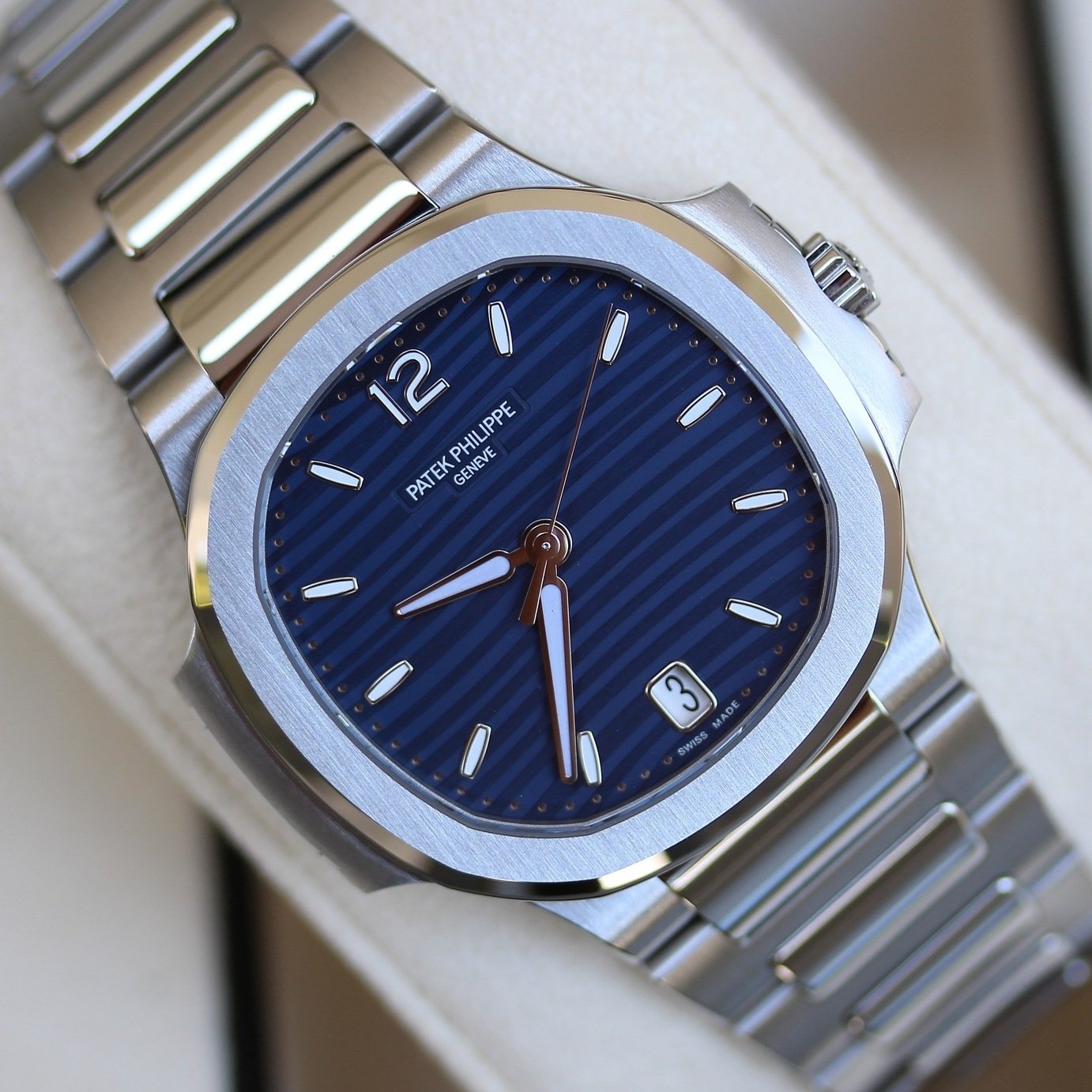
Many high-end brands are finding that while “Swiss Made” is a necessary baseline for success, it is no longer the ceiling. To further distinguish themselves, companies are increasingly emphasizing the “in-house” nature of their calibers. This is a strategic evolution of brand identity. If “Swiss Made” is the baseline expectation for quality, “In-House/Manufacture” becomes the differentiator that separates the mass-luxury market from the ultra-luxury, high-horology market. By keeping the entire production process within their own walls, brands are effectively layering an even stronger, more exclusive identity on top of the traditional “Swiss Made” foundation.
Protecting the Brand Equity
Ultimately, the “Swiss Made” label survives because it is aggressively protected. The Swiss watch industry understands that if the prestige of the label were ever compromised, the entire value proposition of the industry would collapse. Through legal lobbying, strict quality enforcement, and consistent storytelling, the industry ensures that the association between “Switzerland” and “Time” remains unbreakable. For any professional observing the luxury market, the case of the “Swiss Made” label serves as an instructive study in the power of regulation, heritage, and strategic marketing. It proves that when a geographic origin is successfully branded, it becomes a permanent competitive advantage that competitors cannot simply replicate; they must build their own legacy from the ground up, a task that takes decades of sustained investment and reputation management.
In conclusion, “Swiss Made” is far more than a statement of origin. It is a sophisticated brand strategy that leverages legislative support, historical prestige, and consumer psychology to create an enduring market advantage. For the brands that wield it correctly, it acts as both a protective moat and a powerful engine for growth, ensuring that the Swiss watch remains the gold standard of the industry.
aViewFromTheCave is a participant in the Amazon Services LLC Associates Program, an affiliate advertising program designed to provide a means for sites to earn advertising fees by advertising and linking to Amazon.com. Amazon, the Amazon logo, AmazonSupply, and the AmazonSupply logo are trademarks of Amazon.com, Inc. or its affiliates. As an Amazon Associate we earn affiliate commissions from qualifying purchases.