
Road markings serve as the universal language of transportation, acting as the silent traffic controllers that dictate the flow of vehicles and ensure public safety. Among the various symbols and colors painted on the asphalt, the solid white line is perhaps the most ubiquitous, yet it remains one of the most misunderstood elements of traffic regulation. While drivers are taught the fundamentals of road etiquette during their initial licensing phase, the nuanced legal and safety implications of these lines often fade from memory over time. Understanding the precise meaning of the solid white line is not merely a matter of avoiding a traffic citation; it is a critical component of defensive driving and road safety.

The Regulatory Foundation: Defining the Solid White Line
At its core, a solid white line is a demarcation tool used by traffic engineers to manage lane discipline and improve the predictability of traffic flow. Unlike broken or dashed lines, which grant drivers permission to change lanes or overtake, the solid white line serves as a regulatory instruction to maintain position.
Separation of Same-Direction Traffic
The most common application of the solid white line is to separate lanes of traffic traveling in the same direction. When you encounter these lines in the middle of a multi-lane highway or arterial road, they are intended to discourage lane changing. While they do not strictly forbid changing lanes in every jurisdiction—though in many, crossing them is technically a moving violation—the presence of a solid line indicates that the area is considered “high risk” for maneuvering. This is typically found near intersections, freeway on-ramps, and areas with limited sightlines where sudden lane changes would create a significant hazard.
Edge Line Delineation
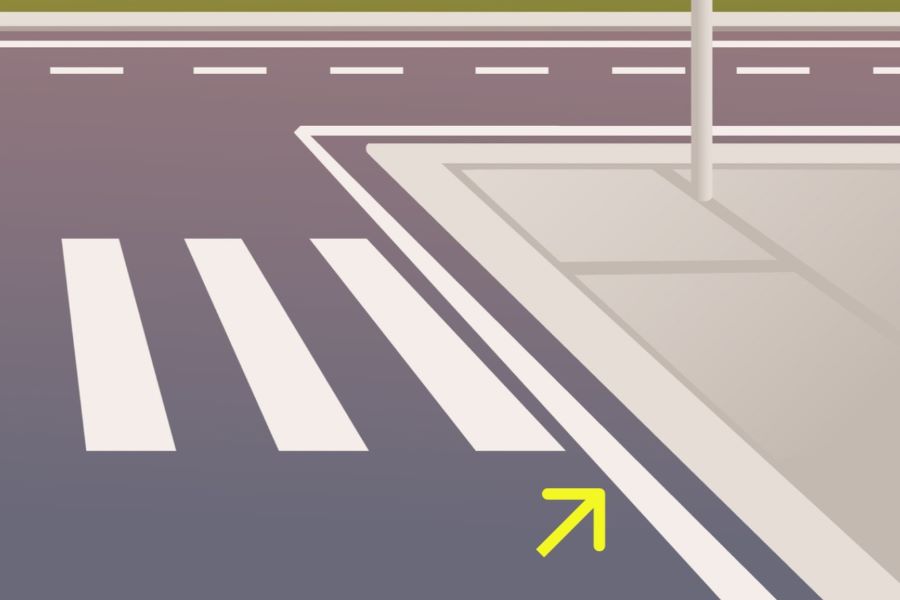
Beyond lane separation, solid white lines are used as edge lines. These mark the right-hand boundary of the travel lane. By defining the edge of the roadway, these lines provide essential guidance to drivers during periods of low visibility, such as heavy rain, fog, or nighttime driving. Crossing this line usually signifies that a vehicle is exiting the designated travel lane, either onto a paved shoulder or off the roadway entirely. Recognizing this edge line is vital for preventing drift and ensuring that drivers remain within the designated travel path, especially on narrow or winding roads.
Navigating Legal Restrictions and Safety Protocols
The legal interpretation of a solid white line varies slightly depending on regional traffic codes, but the underlying safety principle remains constant: caution is paramount. In many states and countries, “discouraging” a lane change evolves into “prohibiting” one when road conditions necessitate stricter control.
When Is Crossing Permitted?
In some jurisdictions, the solid white line is an advisory marking rather than a prohibitive one. In these instances, crossing the line to change lanes is technically legal but highly discouraged. Drivers who choose to cross a solid white line in such areas may find themselves liable if an accident occurs during the maneuver, as the existence of the line implies that the authorities have deemed the area unsafe for weaving.
However, there are specific exceptions to the rule. In emergency situations—such as avoiding debris, navigating around a stalled vehicle, or yielding to emergency response units—drivers are generally permitted to cross solid white lines. The law prioritizes the immediate safety of the occupants and the surrounding traffic over the strict adherence to lane markings. Drivers should always treat these maneuvers with extreme care, utilizing turn signals and checking blind spots thoroughly before deviating from the lane.
The Dangers of Lane Weaving
Ignoring the solid white line is a primary cause of congestion and accidents in urban environments. When drivers ignore these markings to jump ahead in heavy traffic, they disrupt the natural rhythm of the road, forcing other drivers to brake abruptly. This phenomenon, often referred to as a “phantom traffic jam,” can ripple backward, creating a chain reaction of slowing traffic that extends for miles. By respecting the solid white line, drivers contribute to a more fluid, predictable, and safer driving environment.
Advanced Applications: The Double Solid White Line
While a single solid white line is common, the emergence of the double solid white line marks a significant increase in regulatory strictness. These are frequently found in high-traffic corridors, tunnels, and complex multi-lane junctions.
Absolute Prohibition
The double solid white line represents an absolute prohibition against lane changing. When these lines appear, it is usually because the proximity to an intersection or a merge point makes lane switching extremely dangerous. Crossing a double solid white line is almost universally considered a traffic violation, punishable by fines and, in some cases, points against one’s driver’s license.
Managing High-Occupancy Lanes (HOV)
In many modern urban centers, double solid white lines are used to separate High-Occupancy Vehicle (HOV) lanes from standard traffic lanes. These lines ensure that the managed lane remains exclusive to authorized vehicles, preventing standard traffic from slipping in and out to bypass congestion. Understanding the rules governing these specific lanes is essential for modern commuters, as the regulations regarding entry and exit points are often strictly enforced using overhead cameras and automated sensors.
Best Practices for Defensive Driving
Mastering the road means interpreting markings before you arrive at them. Defensive driving is proactive, not reactive. By understanding the intent behind the solid white line, you can adjust your behavior long before you are in a compromising position.
Scanning and Anticipation
A skilled driver scans the road surface 10 to 15 seconds ahead. If you see a solid white line beginning to form, you should anticipate that the traffic pattern is about to become more rigid. If you need to change lanes, do so well before the solid line begins. If you are already in a lane restricted by a solid line, commit to that path. Attempting a last-minute lane change when the line has turned solid is a hallmark of aggressive, high-risk driving.
Maintaining Lane Discipline in Adverse Conditions
During inclement weather, the solid white line becomes your primary reference point. When visibility drops, the white paint—often embedded with glass beads for reflectivity—becomes the most visible guide on the pavement. Staying within the center of your lane and keeping the solid white edge line on your right side provides a consistent frame of reference. If you lose track of the line, it is a sign that you should significantly reduce your speed until you can once again establish your position relative to the road boundary.
Communication and Courtesy
If you must cross a solid white line due to an obstruction, communication is key. Using your turn signal long before you begin the maneuver informs surrounding drivers of your intent, allowing them to adjust their speed or distance. While the solid line tells you to stay put, real-world conditions are rarely perfect. A balance of strict rule adherence and common-sense safety maneuvers defines the most competent drivers on the road.

Conclusion: The Symbolism of Order
The solid white line is more than just paint on a road; it is a manifestation of traffic engineering designed to minimize conflict and maximize efficiency. Whether it is marking the right-hand shoulder to prevent drivers from drifting off the road or acting as a restrictive boundary in a high-density merge zone, the solid white line provides the structure necessary for orderly travel.
By respecting these markings, drivers not only comply with the law but also participate in a collective effort to reduce road stress and prevent preventable collisions. The next time you find yourself behind the wheel, take a moment to observe the lines beneath you. They are communicating vital information about the environment, the flow of traffic, and the safety protocols required for the road ahead. Keeping these lessons in mind will ensure that you remain a vigilant, predictable, and safe driver, regardless of the complexity of the road network.
aViewFromTheCave is a participant in the Amazon Services LLC Associates Program, an affiliate advertising program designed to provide a means for sites to earn advertising fees by advertising and linking to Amazon.com. Amazon, the Amazon logo, AmazonSupply, and the AmazonSupply logo are trademarks of Amazon.com, Inc. or its affiliates. As an Amazon Associate we earn affiliate commissions from qualifying purchases.