
The sloe—the small, dusky, dark-blue fruit of the blackthorn shrub—is a botanical enigma that has long occupied a prized position in the heritage spirits and artisanal food market. While often mistaken for a blueberry or a small plum due to its outward appearance, the sloe possesses a complex chemical profile that defines its unique market value. For those involved in brand strategy within the artisanal food and beverage sector, understanding the sensory profile of the sloe is not merely a matter of culinary appreciation; it is a fundamental pillar of product positioning, consumer education, and brand storytelling.

To successfully market a product derived from a niche botanical like the sloe, one must first dismantle the consumer’s preconceived notions of “fruit” and replace them with a narrative of terroir, craftsmanship, and raw intensity.
The Sensory Profile: Defining the Sloe Identity
The sloe is defined by a paradox: it is almost entirely inedible in its raw state, yet it transforms into a luxury ingredient through specific processing. From a branding perspective, this creates an inherent “transformation narrative” that is highly effective in premium food marketing.
The Raw Reality: Tannic Austerity
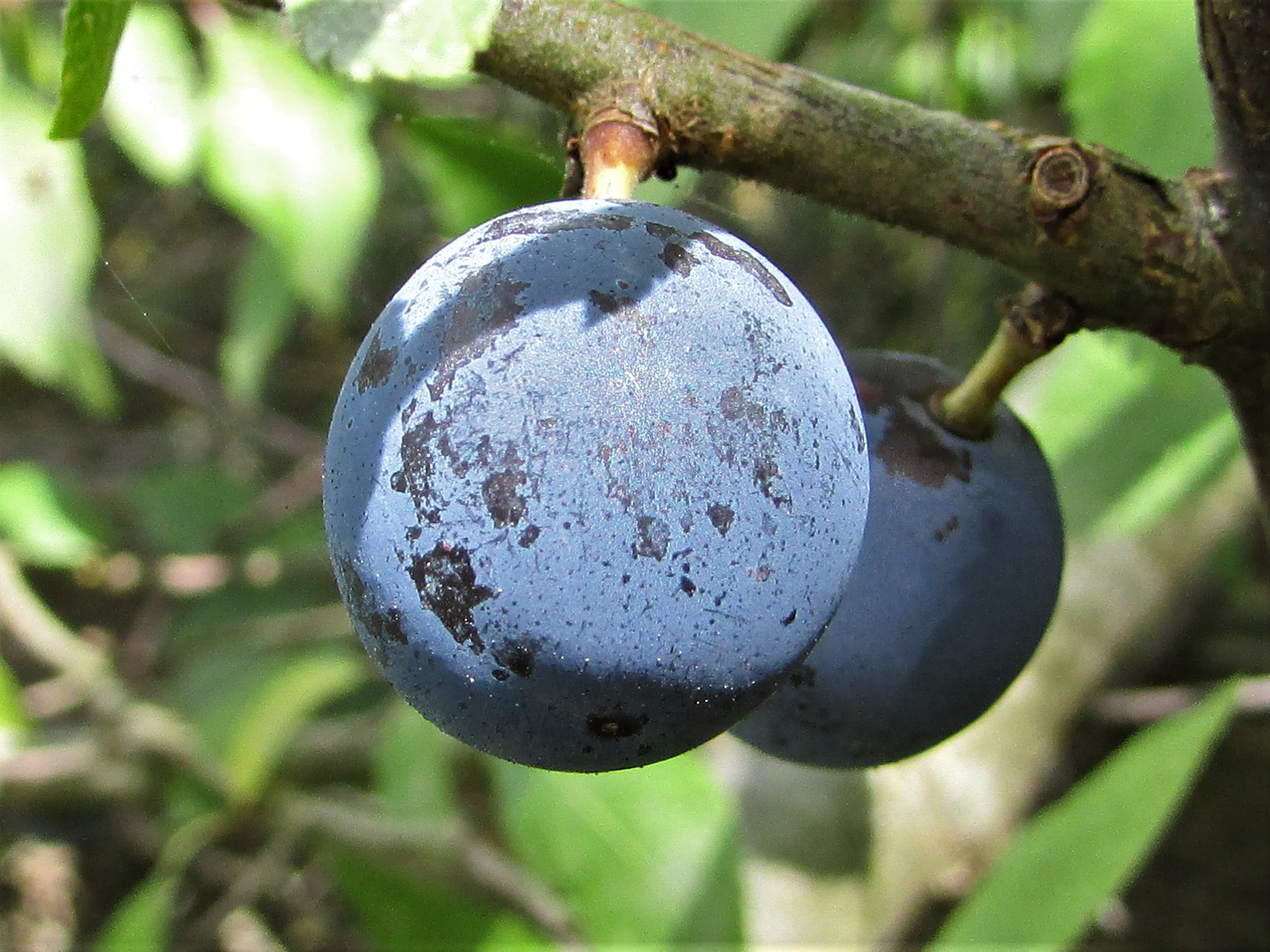
When harvested in late autumn, the sloe is characterized by an extreme level of astringency. Upon biting into a raw sloe, the high tannin content—a result of the fruit’s phenolic compounds—creates an immediate, mouth-drying sensation. It lacks the sugary flesh of a cultivated plum or the sweetness of a berry. For the uninitiated consumer, this initial experience is often negative. Consequently, brand strategy must focus on educating the consumer about the “potential” of the fruit. Marketing copy should pivot from “freshness” to “ripening potential” and “culinary alchemy,” positioning the raw fruit as a base material that requires human expertise to unlock its true value.
The Processed Transformation
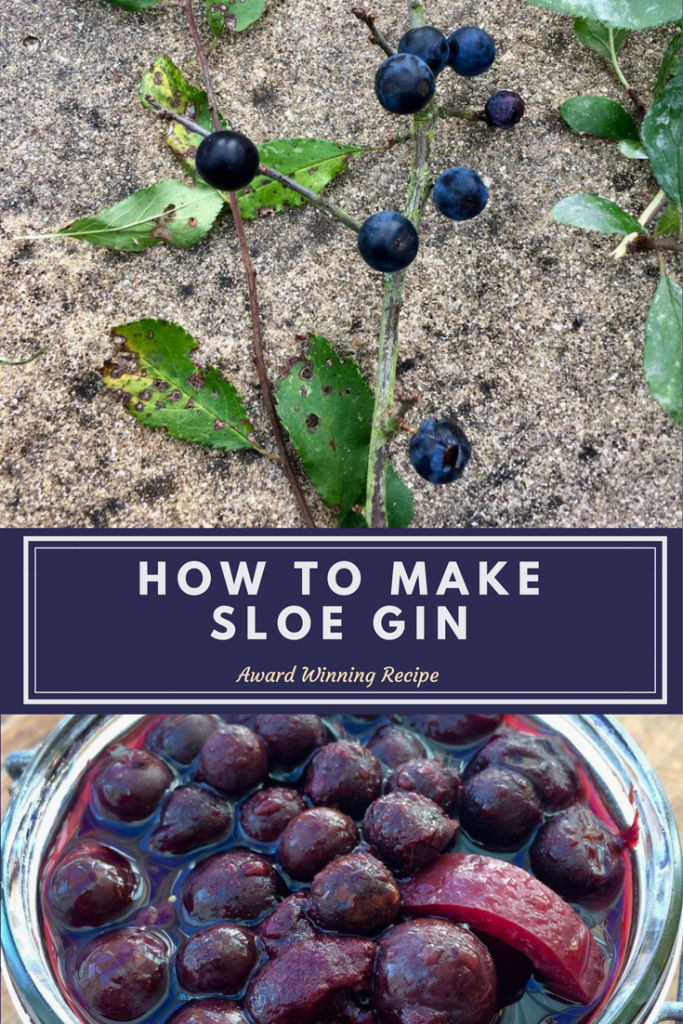
The transition from a raw, tannic fruit to a refined ingredient (most commonly seen in sloe gin or sloe preserves) relies on the infusion process. When steeped in alcohol and sugar, the sloe releases a flavor profile that is deeply nuanced. It moves from bitter to a complex amalgam of almond, dark stone fruit, and earthiness. This shift is the core of the brand value: the brand is not selling the fruit itself, but the result of time-intensive patience and traditional craft. Brands that emphasize the wait—the months required for the maceration process—effectively signal quality to the consumer, justifying a higher price point.
Strategic Positioning: The Sloe as a Premium Asset
In the crowded landscape of craft spirits and artisanal foods, the sloe serves as a powerful differentiator. Its scarcity and seasonal nature allow brands to leverage the principles of exclusivity and limited-batch production to drive consumer demand.
Scarcity and Seasonal Brand Equity
Because sloes are wild-harvested rather than mass-farmed, they carry an intrinsic narrative of “foraging” and “connection to the land.” Modern consumers are increasingly drawn to brands that prioritize provenance. By highlighting the harvesting process—the cold autumn mornings, the challenge of navigating the blackthorn’s sharp spines—brands cultivate an image of authenticity. This is not just a flavor profile; it is an experience. Marketing campaigns that feature the “forager’s story” tap into the consumer’s desire for tactile, grounded connections in an increasingly digital world.
Target Demographics and Value Alignment
The profile of a consumer attracted to sloe-based products is typically someone who values craftsmanship over convenience. They are often “experience-seekers” who appreciate the history behind a product. Therefore, the brand identity for sloe products should lean into heritage, craftsmanship, and minimalism. Avoid the “mass-market” aesthetic; instead, utilize design cues that speak to botanical accuracy, such as hand-drawn illustrations of the blackthorn, muted earth-tone color palettes, and heavy, textured paper stocks for labeling. This consistency in visual branding reinforces the sensory promise of the product: deep, complex, and thoughtful.
Navigating Consumer Expectations: The Branding Challenge
The primary challenge in positioning the sloe is managing the “tasting expectation.” Because the name “sloe berry” shares a phonetic similarity with other berries, consumers may arrive with the expectation of a sweet, fruit-forward experience. This creates a friction point that can lead to brand disappointment if not managed correctly.
The Educational Marketing Bridge
Brands must act as educators. Instead of simply selling a bottle of sloe gin, the brand should sell the usage context. Suggesting recipes that balance the fruit’s natural dryness—such as pairings with sparkling wine, tonic, or citrus—allows the consumer to participate in the flavor-balancing act. By providing guidance, the brand positions itself as a partner in the culinary process. This builds trust and lowers the barrier to entry for consumers who might otherwise be intimidated by the complexity of the sloe.
Aesthetic and Sensory Consistency
The visual identity of a sloe brand should reflect its taste. If the product is dark, moody, and intense, the branding should not be vibrant and neon. It should be sophisticated and nuanced. The deep purple-black hue of the fruit should be reflected in the brand’s color psychology. When the physical packaging matches the internal sensory profile, it creates a “cognitive flow” for the consumer—a psychological alignment that increases perceived value and fosters long-term brand loyalty.
The Future of Botanical Branding
As we look toward future trends in the food and beverage industry, the sloe represents a move toward “botanical authenticity.” Consumers are tiring of artificial flavorings and overly sweetened products. The sloe, with its demanding, complex, and unrefined character, is perfectly poised to thrive in a market that favors authentic, complex, and “challenging” flavor profiles.
Leveraging the Story of Terroir
The “terroir” of the sloe is not just about geography; it is about the specific environmental pressures the shrub faces. Emphasizing the climate of the region where the sloes are harvested—the frost, the soil quality, the wild growing conditions—allows brands to tell a story that mass-market producers cannot replicate. This is a crucial element of brand strategy in an age where “factory-made” is synonymous with “low quality.” By focusing on the conditions that produce the fruit, the brand creates a narrative of resilience and natural pedigree.
Sustaining Interest through Product Evolution
To keep the brand relevant, companies should consider the “limited release” model. Just as fashion houses release seasonal collections, sloe-based brands can treat each year’s harvest as a unique vintage. By communicating the subtle differences in each year’s batch—”this year’s profile is slightly more spice-forward due to a warmer autumn”—the brand transforms a simple product into a collectible asset. This keeps the audience engaged, encourages repeat purchases to compare vintages, and cements the brand’s reputation as a leader in the artisanal space.
Ultimately, the sloe is a powerful tool for brand differentiation. It is a bridge between the wild and the refined, the bitter and the balanced. For those in the brand management and marketing space, the sloe offers an opportunity to craft a story that is as complex and memorable as the fruit itself. By respecting the raw, challenging nature of the fruit and translating it into a refined, narrative-driven experience, brands can capture a high-value, sophisticated segment of the market that craves depth and authenticity in every sip.
aViewFromTheCave is a participant in the Amazon Services LLC Associates Program, an affiliate advertising program designed to provide a means for sites to earn advertising fees by advertising and linking to Amazon.com. Amazon, the Amazon logo, AmazonSupply, and the AmazonSupply logo are trademarks of Amazon.com, Inc. or its affiliates. As an Amazon Associate we earn affiliate commissions from qualifying purchases.