
When navigating the complexities of luxury bedding and textile marketing, the term “sateen” frequently surfaces as a hallmark of premium comfort. For consumers, understanding what sateen actually represents is an essential exercise in brand literacy and informed purchasing. In the world of home goods and retail branding, sateen is not merely a material; it is a specific weave structure that fundamentally alters the tactile experience, durability, and perceived value of a product. By deconstructing the mechanics of the sateen weave, brands can better communicate the value proposition of their linens, while consumers can align their expectations with the technical realities of their sleep environments.
The Technical Anatomy of the Sateen Weave
To understand sateen, one must first distinguish it from the more ubiquitous percale. While percale follows a traditional “one-over, one-under” crisscross pattern, the sateen weave utilizes a “one-over, three-or-four-under” structure. This variation is the defining technical characteristic of the fabric.
The Science of Floating Threads
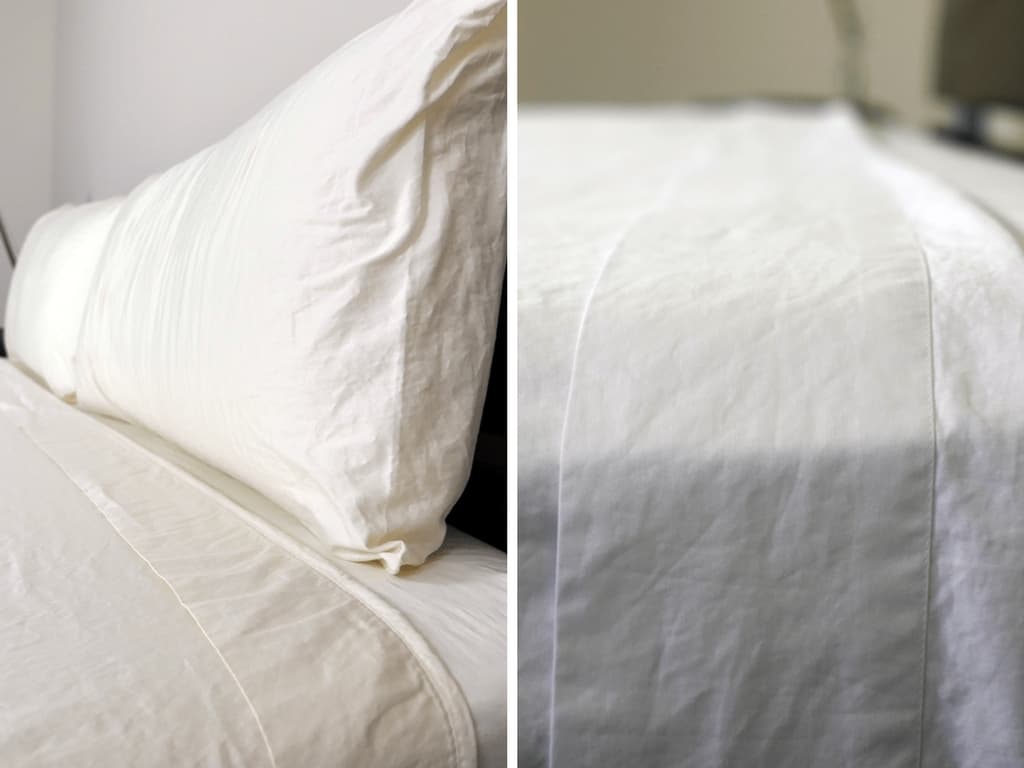
In textile engineering, the “float” refers to the segment of yarn that passes over multiple threads of the opposite direction before being woven back under. In a sateen weave, these longer floats are the secret to the fabric’s signature luster. Because more of the fiber’s surface area is exposed on the face of the fabric rather than being tucked away in a tight interlacing pattern, the material reflects light more efficiently. This creates the characteristic “sheen” that brands market as “silk-like” or “lustrous.”
Fiber Composition and Material Integrity
It is a common misconception that sateen refers to a specific fiber like silk or synthetic satin. In reality, sateen is a weave, not a material. Most high-quality sateen sheets are constructed from long-staple cotton, such as Egyptian or Pima. The brand strategy of luxury bedding manufacturers often centers on this combination: the superior fiber quality (long-staple cotton) paired with the technical weave (sateen). When a brand lists “100% Cotton Sateen,” they are indicating that the luxurious finish is derived from the structure of the cotton thread itself, rather than a chemical finish or a synthetic blend.
Brand Positioning: The Perception of Luxury
The textile industry relies heavily on sensory marketing. Sateen occupies a distinct niche in the hierarchy of home goods branding because it allows companies to market “affordable luxury.” Unlike percale, which is marketed toward those seeking a “crisp, hotel-style” experience, sateen is positioned to appeal to the consumer who prioritizes softness, warmth, and aesthetic elegance.
Marketing the Sensory Experience
From a brand strategy perspective, sateen is a narrative-driven product. Because the weave produces a fabric that feels heavier and more drapable than percale, marketers emphasize terms like “buttery,” “silky,” and “indulgent.” The brand identity of a sateen-focused company is usually centered around intimacy, relaxation, and self-care. By emphasizing the “satin-like” feel without the slippery, sweat-inducing qualities of actual synthetic satin, brands successfully bridge the gap between functional bedding and lifestyle luxury.
Navigating the Thread Count Trap
A critical aspect of brand integrity in the sheet industry involves how companies handle thread count claims. Many low-tier brands artificially inflate thread counts by using multi-ply threads (twisting several weak, low-quality threads together) to create the illusion of density. Reputable brands, however, use the sateen weave to highlight their commitment to quality fiber. In their marketing materials, they explain that a sateen weave creates a denser fabric by default because of the long floats. By educating the consumer on why their sateen sheets feel heavy and soft without relying on deceptive thread counts, brands build trust and authority in a saturated marketplace.

The Practical Performance of Sateen
Beyond the branding and the weave structure, the consumer must consider the functional performance of sateen. A brand that ignores the practical realities of their product will eventually face high return rates and poor customer reviews. Understanding the pros and cons of sateen is vital for the informed consumer and the brand manager alike.
Thermal Properties and Climate Suitability
Sateen is inherently more insulating than percale. Because the weave is tighter and the fabric is heavier, it traps more body heat. This makes sateen an excellent strategic offering for brands targeting consumers in cooler climates or those who suffer from being “cold sleepers.” Conversely, brands that market sateen as a year-round miracle fabric may be setting themselves up for failure among customers who reside in humid or hot environments. Honesty in product specifications—specifically regarding breathability—is a hallmark of a mature brand strategy.
Durability and Maintenance Concerns
While the long floats in a sateen weave provide a beautiful drape, they also make the fabric slightly more susceptible to snagging compared to the tighter, more balanced percale weave. Brands that prioritize long-term customer relationships often provide clear care instructions that emphasize washing on gentle cycles and avoiding contact with abrasive surfaces. This guidance is part of the “post-purchase” experience, a vital component of modern customer retention strategy. By teaching the consumer how to maintain the luster of their sateen sheets, the brand reinforces the perception that the item is an investment piece rather than a disposable commodity.
Strategic Selection: Why Sateen Fits Modern Bedding Portfolios
For companies operating in the home goods space, adding a sateen line is a necessary step for market segmentation. A comprehensive bedding brand must offer a range of textures to capture different customer preferences.
Segmentation and Tiered Offerings
High-end bedding companies often use a “Good, Better, Best” strategy. The “Good” tier might consist of basic percale; the “Better” tier often features standard cotton sateen; and the “Best” tier features long-staple cotton sateen with high-end detailing like hemstitching or embroidery. This structure allows the brand to capture the budget-conscious consumer while simultaneously moving the “aspirational” shopper toward a higher profit-margin product. Sateen, with its inherent sheen, is visually more impressive on showroom floors and in digital photography than its matte counterparts, making it a critical asset for conversion-rate optimization in e-commerce.
The Rise of Eco-Conscious Luxury
In current market trends, the intersection of sateen and sustainability has become a focal point. Consumers are no longer just asking about the weave; they are asking about the supply chain. Brands that market “Organic Cotton Sateen” are tapping into the intersection of two powerful consumer desires: the tactile comfort of a premium weave and the ethical assurance of organic cultivation. By certifying that the fiber is GOTS-certified and the weave is managed in facilities with fair labor practices, brands elevate the sateen product from a simple sheet to an ethical lifestyle choice.

Conclusion: The Synthesis of Science and Style
In summary, the term “sateen” signifies a deliberate engineering choice that dictates the character of a sheet. It is a structure defined by its floating threads, which grant the fabric a distinct luster and a silky hand-feel. For the brand strategist, it represents a high-conversion product category that embodies the intersection of sensory marketing and functional design. For the consumer, it is a choice of preference—a move toward warmth, drape, and visual elegance in the bedroom.
By grounding marketing efforts in the technical reality of the weave—explaining the “why” behind the softness and the “how” of its durability—brands create deeper connections with their customers. Sateen is more than just a marketing buzzword; it is a testament to how traditional textile techniques can be leveraged to satisfy modern demands for comfort and aesthetic sophistication. Whether as a staple of a luxury brand’s collection or a core element of a consumer’s sleep environment, sateen remains a definitive standard in the global textiles market, promising a unique tactile experience that continues to define the landscape of premium bedding.
aViewFromTheCave is a participant in the Amazon Services LLC Associates Program, an affiliate advertising program designed to provide a means for sites to earn advertising fees by advertising and linking to Amazon.com. Amazon, the Amazon logo, AmazonSupply, and the AmazonSupply logo are trademarks of Amazon.com, Inc. or its affiliates. As an Amazon Associate we earn affiliate commissions from qualifying purchases.