
The iconic image of a police dog, a stoic and capable partner to law enforcement officers, often sparks curiosity about their origins. When we ask “what breed is a police dog,” we’re not just inquiring about a simple lineage; we’re delving into the fascinating intersection of animal science, rigorous training, and the evolving demands placed upon our four-legged crime fighters. While a singular “police dog breed” doesn’t exist, certain breeds consistently rise to the top due to their inherent traits, making them ideal candidates for the challenging and vital work they perform. This exploration will go beyond mere breed identification, touching upon the technological advancements aiding their training, the branding of K9 units, and even the financial considerations that support these highly specialized animals.

The Foundation of Courage: Understanding the Core Breeds
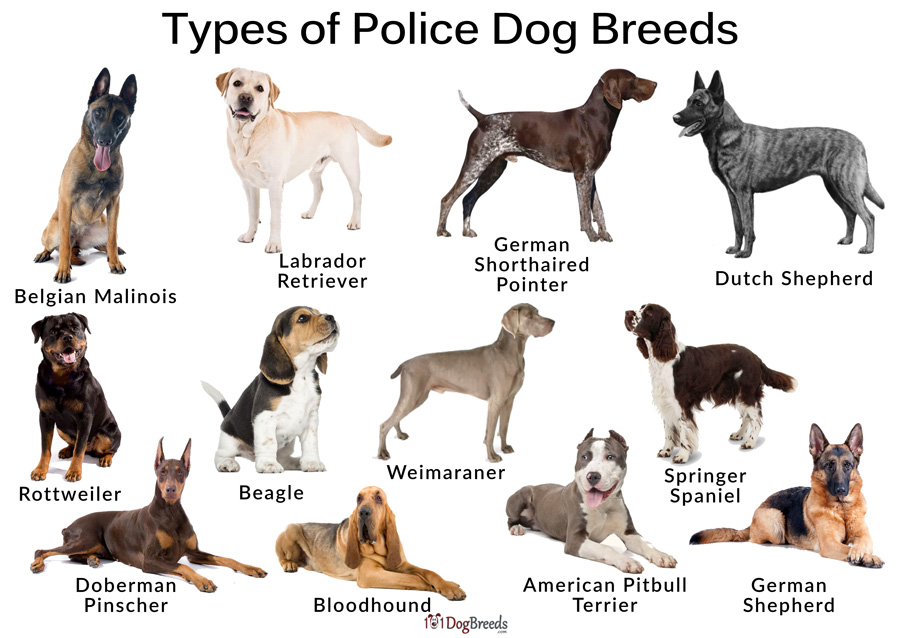
The question of “what breed is a police dog” is best answered by understanding that police work is not a one-size-fits-all endeavor. Different roles within law enforcement require distinct canine aptitudes. Consequently, a variety of breeds have proven their mettle, each contributing unique strengths to the K9 unit.
The Reigning Champions: German Shepherds
Undeniably, the German Shepherd is the most ubiquitous breed associated with police work. Their reputation is well-earned. These intelligent, courageous, and versatile dogs possess a remarkable combination of traits that make them exceptionally well-suited for a multitude of law enforcement tasks.
- Intelligence and Trainability: German Shepherds are renowned for their high intelligence, ranking among the top breeds in obedience and trainability. This means they can quickly grasp complex commands, adapt to new situations, and learn specialized skills with a high degree of proficiency. Their eagerness to please their handler also plays a crucial role in their rapid development.
- Physical Prowess and Stamina: These dogs are built for endurance and strength. They possess powerful physiques, capable of sustained pursuit, apprehending suspects, and enduring long shifts. Their robust health and athleticism are critical for the demanding physical nature of police work.
- Protective Instincts and Loyalty: German Shepherds exhibit a natural protective instinct towards their handlers and the public. This is not to be confused with aggression, but rather a deep-seated loyalty and a desire to maintain order and safety. Their unwavering devotion creates an invaluable bond with their human partners.
- Versatility: Their intelligence and physicality allow them to excel in a wide range of police functions, including patrol, tracking, detection (narcotics, explosives, cadavers), and protection. This adaptability makes them a cost-effective and efficient choice for many departments.
The Energetic All-Rounders: Belgian Malinois
While German Shepherds often dominate the spotlight, the Belgian Malinois has surged in popularity within K9 units, particularly in specialized roles. These dogs are often described as “workhorses” due to their boundless energy, unwavering focus, and intense drive.
- Exceptional Drive and Work Ethic: Malinois possess an unparalleled work ethic. They thrive on activity and are happiest when engaged in a task. This intense drive makes them incredibly responsive to training and highly effective in high-stress situations.
- Agility and Speed: Known for their lightning-fast reflexes and incredible agility, Malinois are adept at navigating challenging terrain and executing swift maneuvers. This makes them ideal for apprehension and tactical operations.
- Focus and Determination: Once a Malinois is focused on a task, their concentration is absolute. This single-mindedness, when channeled correctly through training, makes them incredibly effective at detection work and when pursuing a suspect.
- Guard Dog Capabilities: Their natural guarding instincts are strong, and they are fearless in protecting their handlers. However, their sensitivity and strong bond with their handlers mean they are not prone to indiscriminate aggression.
The Sleek and Agile: Dutch Shepherds
Sharing many similarities with their Belgian cousins, Dutch Shepherds are another breed increasingly being recognized for their suitability in police work. They offer a compelling blend of intelligence, athleticism, and a balanced temperament.
- Adaptability and Trainability: Dutch Shepherds are highly adaptable and trainable, possessing a keen intellect that allows them to learn a wide array of commands and specialized skills. They respond well to positive reinforcement and structured training regimes.
- Stamina and Agility: Similar to Malinois, Dutch Shepherds are energetic and agile, capable of sustained activity and navigating complex environments. Their athleticism makes them valuable for patrol and tracking duties.
- Loyalty and Courage: They are known for their loyalty to their handlers and exhibit courage in the face of danger. Their balanced temperament allows them to be both effective in their duties and stable in their interactions.
Other Notable Breeds and Their Niches
While the aforementioned breeds are the most prevalent, other dogs occasionally find their way into police work, often in specialized capacities:
- Labrador Retrievers and Golden Retrievers: These breeds are frequently chosen for their exceptional noses and mild temperaments, making them excellent candidates for detection work, particularly in areas like explosives and narcotics. Their eagerness to please and inherent desire to retrieve make them highly receptive to scent training.
- Bloodhounds: Renowned for their unparalleled scent-tracking abilities, Bloodhounds are invaluable for man-trailing and locating missing persons or suspects who have fled a crime scene. Their incredible olfactory senses and persistent nature make them unmatched in this specific area.
- Rottweilers: While less common than Shepherds or Malinois, Rottweilers can be effective in protection and apprehension roles due to their strength, confidence, and protective instincts. However, their training requires a particularly skilled and experienced handler.
Enhancing Canine Careers: The Role of Tech in Modern K9 Units
The question of “what breed is a police dog” is increasingly intertwined with how technology is shaping their effectiveness. Modern K9 units are not just reliant on the inherent qualities of a breed; they are augmented by a suite of technological advancements that enhance their capabilities, training, and overall welfare.
Smart Gear and Wearable Technology
The days of a simple collar and leash are evolving. Police dogs are now equipped with specialized gear that provides valuable data and enhances their safety.
- GPS Tracking Devices: Integrated into collars or vests, GPS trackers allow handlers to monitor their dog’s location in real-time. This is crucial during pursuits, searches, and in ensuring the dog’s safety in large or unfamiliar environments. The data can also be used for post-mission analysis, understanding patrol routes, and identifying areas where canine presence might be most effective.
- Body Cameras: Similar to human officers, K9 units are increasingly outfitted with small, lightweight body cameras. These cameras capture footage from the dog’s perspective, providing invaluable evidence in legal proceedings, aiding in training by reviewing interactions, and offering a unique vantage point during investigations. The data collected is then stored and managed, often within secure digital platforms.
- Biometric Sensors: Emerging technologies are exploring the use of biometric sensors embedded in collars or vests. These can monitor a dog’s heart rate, body temperature, and stress levels. This data is vital for understanding a dog’s physical and emotional state during intense situations, preventing overexertion, and ensuring their well-being. This is a significant advancement in digital security for the canine partner.
- Advanced Communication Systems: Seamless communication between handler and dog is paramount. While traditional commands remain, modern systems are exploring ways to provide subtle cues and feedback, potentially through specialized vibration patterns or auditory signals, further enhancing the handler-dog team’s efficiency.
AI-Powered Training and Performance Analysis
Artificial Intelligence (AI) is no longer confined to theoretical applications; it’s actively influencing how police dogs are trained and how their performance is evaluated.
- Behavioral Analysis Software: AI algorithms can analyze video footage of training sessions and real-world deployments. This software can identify subtle behavioral cues, assess a dog’s focus, detect early signs of stress or fatigue, and provide objective feedback on training efficacy. This allows trainers to refine their methods and tailor training programs to individual dogs’ needs.
- Virtual Reality (VR) for Training: While still in nascent stages for canine training, VR holds immense potential. Imagine simulating high-stress scenarios – explosions, active shooter situations, or complex search environments – in a controlled VR setting. This allows dogs to experience and react to dangerous stimuli without real-world risk, building their confidence and desensitization. The data generated from these simulations can inform AI models for even more realistic training.
- Predictive Performance Modeling: By analyzing vast datasets of training and deployment information, AI can begin to predict a dog’s future performance in specific scenarios. This could help departments allocate the right dogs to the right tasks, identify potential training gaps, and proactively address any issues before they impact operational effectiveness.
- Digital Security in Data Management: The vast amounts of data generated by these technologies require robust digital security. Law enforcement agencies are investing in secure cloud storage and sophisticated cybersecurity measures to protect sensitive information related to K9 deployments, training records, and individual dog performance.
The Brand of the K9 Unit: Reputation and Public Perception

Beyond the breeds and the technology, the “brand” of a K9 unit is a crucial aspect of its effectiveness. This encompasses how the public perceives these canine officers, the reputation of the unit, and the personal branding of the handlers and their dogs.
Building Trust and Community Relations
A well-trained and well-presented K9 unit can be a powerful tool for building trust and fostering positive relationships between law enforcement and the community.
- Demonstrations and Public Outreach: K9 units often participate in public demonstrations at schools, community events, and police open houses. These events showcase the dogs’ abilities, highlight their role in public safety, and provide an opportunity for positive human-animal interaction. This helps to demystify the role of police dogs and build rapport.
- Handler-Dog Storytelling: The unique bond between a police dog and its handler is a compelling narrative. Sharing stories of successful deployments, the dedication of the handlers, and the bravery of the dogs can resonate deeply with the public. This humanizes the K9 unit and builds emotional connections.
- Case Studies in Success: Highlighting successful apprehensions, drug busts, or rescue operations involving K9 units serves as powerful case studies for their effectiveness. These real-world examples reinforce the value and necessity of these specialized teams.
Corporate Identity and Unit Branding
Just as a company cultivates a distinct corporate identity, K9 units often develop their own recognizable branding.
- Distinctive Patches and Insignia: K9 units often have unique patches or insignia on their uniforms and vehicles, creating a visual identity. This fosters a sense of pride and belonging among the handlers and dogs, while also serving as a recognizable symbol for the public.
- Social Media Presence: Many K9 units maintain active social media accounts, sharing photos, videos, and updates on their work. This provides transparency, allows for direct engagement with the public, and helps to build a positive online reputation.
- Professionalism and Presentation: The overall presentation of the K9 unit – from the condition of their vehicles and equipment to the demeanor of the handlers and dogs during public appearances – contributes significantly to their brand. Professionalism instills confidence and respect.
Personal Branding of Handlers and Dogs
While the unit has a collective brand, the individual handler-dog partnerships also develop their own unique branding.
- Specialized Skills and Niche Expertise: A dog known for its exceptional tracking abilities or a handler renowned for their expertise in a particular type of detection work can become recognized within their field. This specialization builds a reputation for excellence.
- The “Hero” Narrative: In instances of heroic rescues or critical apprehensions, the K9 team often becomes a focal point of public admiration. This “hero” narrative strengthens the positive branding of the individual partnership and, by extension, the entire K9 unit.
The Financial Ecosystem of K9 Units: Investing in Our Four-Legged Officers
The question “what breed is a police dog” also touches upon the financial investment required to maintain and deploy these highly trained animals. Supporting a K9 unit is a significant financial undertaking, encompassing procurement, training, ongoing care, and specialized equipment.
Procurement and Initial Investment
The cost of acquiring a police dog can vary significantly depending on the breed, age, temperament, and whether the dog is purpose-bred or acquired from a breeder.
- Breed-Specific Costs: Certain breeds, particularly those with a strong lineage of working dogs, can command higher prices. However, many departments prioritize temperament and trainability over pure breed lineage for specialized roles.
- Breeder vs. Rescue: While some departments source dogs from specialized working dog breeders, others find suitable candidates from reputable rescues. The financial implications of each approach can differ significantly.
- Initial Training Costs: Even a naturally gifted dog requires extensive specialized training to become a police K9. This involves basic obedience, scent detection, tracking, apprehension techniques, and socialization, all of which incur significant costs for certified trainers and facilities.
Ongoing Care and Maintenance
The financial commitment doesn’t end with initial acquisition and training. The daily and long-term care of a police dog is substantial.
- Veterinary Care: Police dogs are high-performance athletes and require regular, and sometimes specialized, veterinary care. This includes vaccinations, preventative treatments, and costs associated with injuries sustained in the line of duty. Many departments have partnerships with veterinary clinics to manage these costs.
- Nutrition: High-quality, specialized dog food is essential to maintain the energy levels and health of working dogs. This represents a significant recurring expense.
- Grooming and Equipment Maintenance: While not as extensive as some breeds, police dogs still require grooming. More importantly, their specialized equipment – vests, harnesses, muzzle, tracking devices – requires regular maintenance and eventual replacement.
- Handler Training and Continuing Education: Handlers also require ongoing training to maintain their skills and stay abreast of new techniques and technologies. This investment in human capital is as crucial as the investment in the canine partner.
Specialized Equipment and Technology
As discussed, technology plays an increasingly vital role in modern K9 units, and this comes with a financial cost.
- Wearable Technology: GPS trackers, body cameras, and biometric sensors represent a considerable investment. The cost of these devices, their maintenance, and the associated data management systems can add up.
- Vehicle Modifications: Police vehicles used for K9 transport require modifications, such as specialized crates, climate control systems, and safety features, to ensure the dog’s comfort and security.
- Training Aids and Facilities: Specialized training aids, such as scent boxes for detection work or agility equipment, and access to appropriate training facilities, also contribute to the overall budget.
Funding Models and Support Systems
The financial resources for K9 units often come from a combination of sources.
- Department Budgets: The primary source of funding typically comes from the law enforcement agency’s operational budget.
- Grants and Donations: Many K9 units rely on grants from federal, state, and private organizations, as well as public donations, to supplement their budgets for specialized equipment or training.
- Community Support: Local communities often rally behind their K9 units, organizing fundraising events and contributing to the purchase of essential supplies and equipment. This demonstrates the value placed on these canine officers.
In conclusion, the question of “what breed is a police dog” is a gateway to understanding the complex ecosystem that supports these vital members of our law enforcement. From the inherent strengths of breeds like the German Shepherd and Belgian Malinois to the transformative impact of technology, the strategic branding of K9 units, and the crucial financial investment required, these canine careers are a testament to dedication, training, and the unwavering partnership between humans and their four-legged allies. They are more than just animals; they are highly skilled professionals, integral to keeping our communities safe.
aViewFromTheCave is a participant in the Amazon Services LLC Associates Program, an affiliate advertising program designed to provide a means for sites to earn advertising fees by advertising and linking to Amazon.com. Amazon, the Amazon logo, AmazonSupply, and the AmazonSupply logo are trademarks of Amazon.com, Inc. or its affiliates. As an Amazon Associate we earn affiliate commissions from qualifying purchases.