
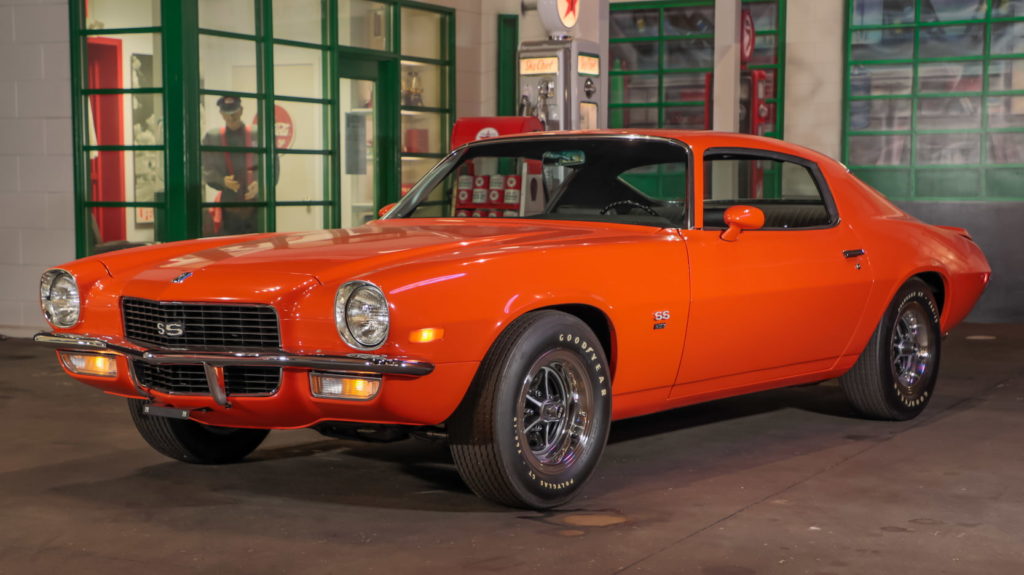
Modern automotive engineering has become an intricate tapestry of acronyms, symbols, and abbreviations. For the average driver, glancing at the center console or the gear selector often feels like interpreting a foreign language. Among the most frequent inquiries from car owners involves the “S/S” symbol. While context is key, in the automotive world, S/S almost universally stands for “Start/Stop” technology. This feature, designed to optimize fuel consumption and reduce emissions, represents a significant leap in how internal combustion engines operate in urban environments.
The Mechanics of Start/Stop Technology
At its core, Start/Stop technology—often represented by the S/S button or an icon featuring the letter “A” encircled by an arrow—is an automated system that shuts down the engine when the vehicle comes to a complete halt, such as at a red light or in heavy traffic.

How the Engine Cycles
When the car detects that the brake pedal is depressed and the vehicle speed reaches zero, the engine controller triggers an automatic shutdown. This effectively eliminates the fuel consumption and emissions that would typically occur while the car is idling. The moment the driver lifts their foot from the brake pedal or touches the accelerator, the system restarts the engine near-instantaneously, allowing the vehicle to move forward without a significant delay.
The Role of Ancillary Systems
One common concern for drivers is the state of the vehicle’s electronics while the engine is off. Because the engine is not running, the alternator is not charging the battery. To mitigate this, vehicles equipped with S/S systems utilize high-capacity batteries and robust starter motors. The cabin’s climate control, infotainment system, and lighting remain powered by the battery during the short intervals that the engine is resting, ensuring that the driver’s comfort and safety are never compromised.
The Engineering Logic: Efficiency and Environmental Impact
The primary driver behind the proliferation of Start/Stop technology is the global push for stricter environmental regulations. Automotive manufacturers are under constant pressure to meet rigorous Corporate Average Fuel Economy (CAFE) standards and carbon emission caps. By integrating S/S systems, manufacturers can report lower fuel consumption figures during standardized testing cycles, which often include significant amounts of idling time.
Quantifiable Fuel Savings
For the everyday commuter, the impact of S/S technology is measurable. Research indicates that vehicles idling for extended periods during city driving can waste a substantial amount of fuel. By cutting the engine during these stationary periods, drivers can realize fuel efficiency improvements ranging from 3% to 10%, depending on the specific driving environment and the vehicle’s engine management calibration.
Reducing Urban Carbon Footprint
Beyond personal fuel savings, the collective environmental benefit is profound. If every vehicle in a congested metropolitan area utilized an effective Start/Stop system, the cumulative reduction in tailpipe emissions—including nitrogen oxides and particulate matter—would significantly improve local air quality. This technological shift is a cornerstone of the automotive industry’s transition toward greener, more sustainable mobility, even before considering the full shift to electric vehicles.
Addressing Driver Experience and Maintenance Concerns
Despite the clear engineering benefits, the S/S feature is not without its detractors. Many drivers report initial discomfort with the sensation of the engine shutting down and restarting, fearing that the constant cycling might cause premature wear on the starter motor or the engine internals.
Addressing Wear and Tear
Manufacturers have accounted for these concerns by redesigning the hardware involved in the starting process. Vehicles equipped with S/S feature reinforced starter motors and upgraded ring gears designed to handle tens of thousands of additional cycles compared to a traditional ignition system. Furthermore, synthetic engine oils with higher film strength are often specified for these vehicles to protect internal bearings during the frequent “restart” phases where oil pressure needs to reach the cylinders as quickly as possible.
Intelligent System Logic
The system is not “dumb”; it is governed by sophisticated sensors that prevent the engine from shutting down under conditions that might compromise safety or comfort. For example:
- Temperature Thresholds: If the cabin temperature varies significantly from the climate control setting, the system will keep the engine running to ensure the air conditioning or heating remains operational.
- Battery Health: If the onboard sensors detect that the battery charge has dropped below a specific threshold, the Start/Stop system will deactivate itself to ensure the vehicle retains enough power to restart.
- Engine Warm-up: In cold weather, the system often waits until the engine reaches an optimal operating temperature before engaging, ensuring the engine runs efficiently and the cabin reaches a comfortable temperature first.
Managing the S/S Feature
For those who find the automatic nature of the system intrusive, manufacturers almost always provide a manual override. The S/S button, typically located on the center console or near the gear shifter, allows the driver to disable the feature for a single trip.
When to Disable Start/Stop
There are specific scenarios where disabling the system is prudent. In extreme heat or cold, or when towing heavy loads, keeping the engine running consistently is often better for the vehicle’s thermal management. Additionally, some drivers prefer to turn the system off in stop-and-go highway traffic where the vehicle speed fluctuates rapidly, causing the engine to cycle on and off too frequently.
Customizing the Experience
As vehicle software continues to advance, some manufacturers are beginning to offer deeper integration, allowing drivers to customize the sensitivity of the Start/Stop system through infotainment settings. This evolution reflects the industry’s desire to maintain the fuel-saving benefits of the technology while providing a more tailored user experience that respects individual driving preferences.
The Future of Start/Stop and Hybrid Integration
Looking ahead, the S/S technology serves as a bridge toward full electrification. In many modern mild-hybrid vehicles, the “Start/Stop” function is augmented by an Integrated Starter Generator (ISG). This device replaces the traditional starter motor and can provide a small boost of torque to the engine during the restart process, making the transition between “off” and “on” virtually imperceptible to the occupants.
The Shift to Mild Hybrids
This seamlessness is the endgame for manufacturers. By moving toward 48-volt electrical architectures, cars can perform the restart sequence with electric motor assistance, eliminating the vibration and delay that sometimes characterize older 12-volt systems. As these technologies become more refined, the presence of the S/S button will likely fade, as the feature becomes an invisible, permanently optimized element of the vehicle’s powertrain management.
Final Thoughts on Automotive Literacy
Understanding what S/S means on your car is more than just learning an acronym; it is an insight into the delicate balance between performance, efficiency, and engineering. As vehicles become increasingly complex, the role of the driver is shifting from a mechanical operator to a supervisor of intelligent, automated systems. By embracing features like Start/Stop, drivers not only contribute to a more sustainable future but also take advantage of the refined, fuel-conscious engineering that defines the modern era of the automobile. Whether one chooses to engage it or opt for the manual override, the Start/Stop system stands as a testament to the industry’s commitment to squeezing every last drop of efficiency out of the internal combustion engine.
aViewFromTheCave is a participant in the Amazon Services LLC Associates Program, an affiliate advertising program designed to provide a means for sites to earn advertising fees by advertising and linking to Amazon.com. Amazon, the Amazon logo, AmazonSupply, and the AmazonSupply logo are trademarks of Amazon.com, Inc. or its affiliates. As an Amazon Associate we earn affiliate commissions from qualifying purchases.