
When a physician uses the term “rule out” on a medical chart or during a consultation, it can trigger anxiety for patients who are unfamiliar with the clinical lexicon. However, in the realm of medical diagnostics, “rule out” is a standard, methodical procedure used to refine accuracy and ensure that a patient receives the correct treatment plan. It is a systematic process of elimination that sits at the heart of clinical reasoning, serving as a safeguard against premature conclusions and ensuring that potentially life-threatening or serious conditions are not overlooked.
The Clinical Definition of “Rule Out”
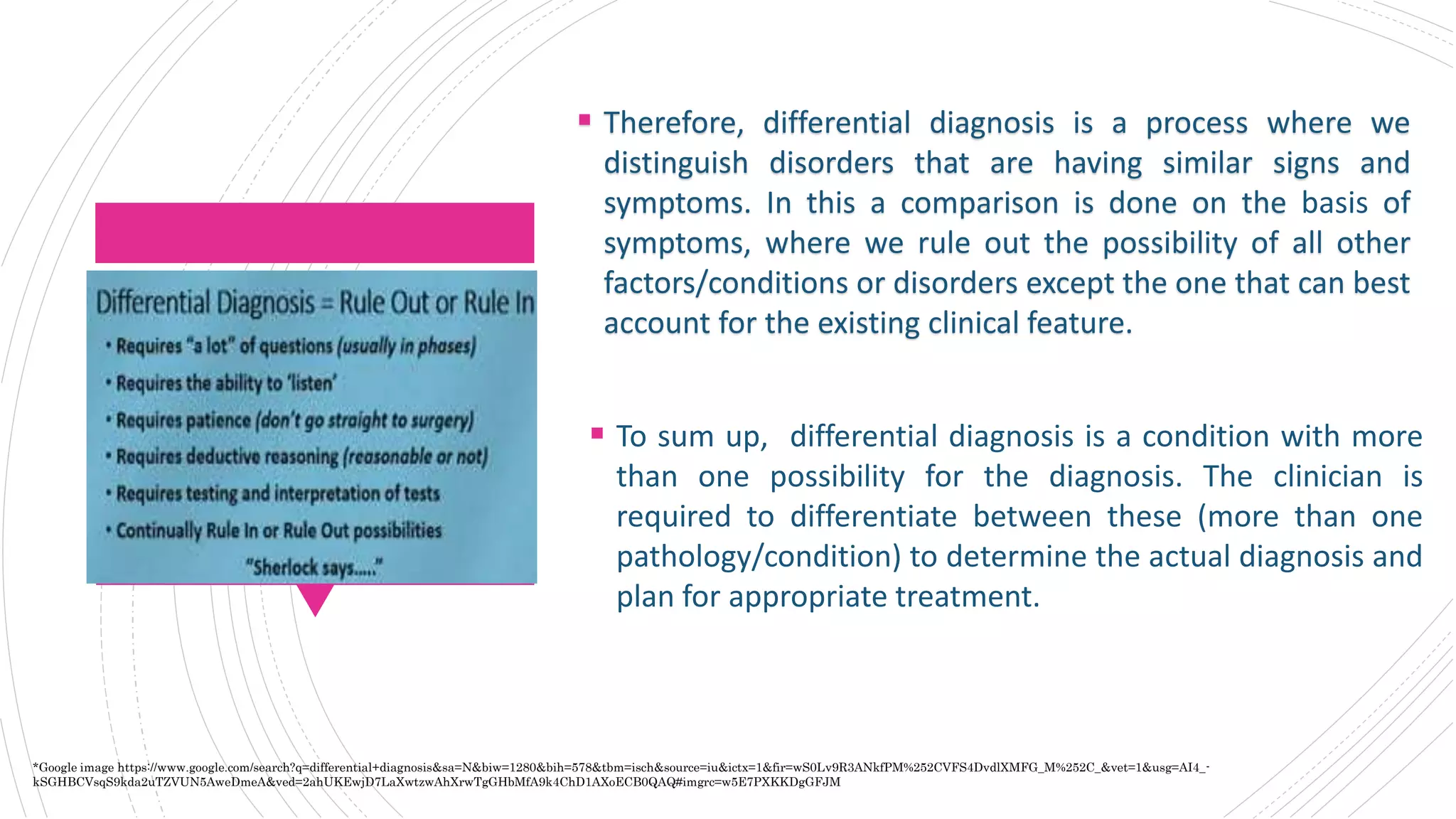
In medical terminology, “to rule out” a condition means to perform the necessary tests, examinations, or assessments to demonstrate that a specific disease or disorder is not the cause of a patient’s symptoms. It is the practice of systematically narrowing down a list of potential diagnoses—often referred to as a “differential diagnosis”—until only the most likely explanation remains.

Understanding Differential Diagnosis
The differential diagnosis is the cornerstone of modern medicine. When a patient presents with a specific set of symptoms—such as chest pain, fatigue, or abdominal discomfort—there are often dozens of possible causes. A physician does not immediately assume the worst or the most common; instead, they create a list of potential culprits. Each item on that list is a candidate to be “ruled out.” If a test comes back negative, that specific condition is successfully ruled out, and the physician moves to the next candidate on the list.
Why “Rule Out” is Not a Synonym for “Confirmed”
One common misunderstanding is that labeling a diagnosis as “rule out [Condition X]” implies the doctor believes the patient has that condition. In truth, the designation is neutral. It functions as a placeholder. It tells other healthcare providers, “We are currently investigating the possibility of this condition, but we do not yet have sufficient evidence to confirm it.” It is an instruction to the clinical team to prioritize specific diagnostic steps to confirm or negate that possibility.
The Methodological Workflow of Ruling Out
The process of ruling out a condition is rarely a single step. It is a cascading series of investigations that escalate in complexity depending on the severity of the potential condition and the ambiguity of the patient’s initial presentation.
The Role of Evidence-Based Medicine
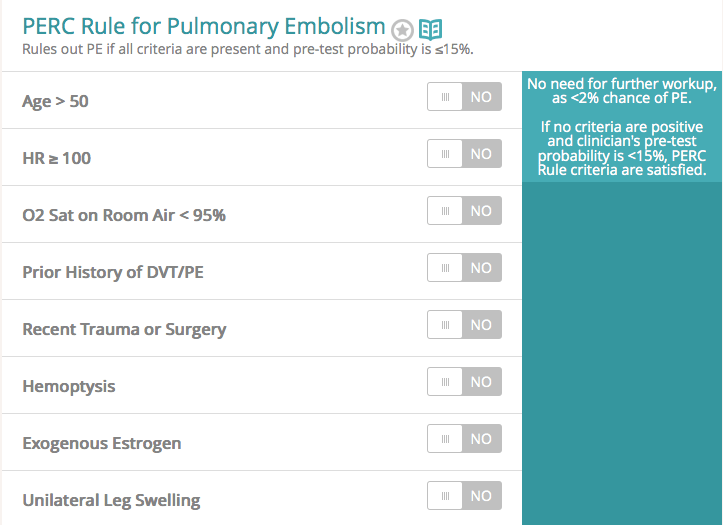
Physicians rely on evidence-based medicine to dictate the order in which they rule out conditions. They prioritize “can’t-miss” diagnoses first. If a patient arrives with symptoms that could indicate either acid reflux or a myocardial infarction (heart attack), the doctor will prioritize ruling out the heart attack first, not because it is the most likely, but because it is the most dangerous. This hierarchy of safety is fundamental to clinical practice.
Diagnostic Testing and Clinical Correlation
Ruling out a diagnosis involves a combination of three key pillars:
- Medical History: Detailed questioning can often rule out specific conditions based on lifestyle, family history, or previous health events.
- Physical Examination: A doctor’s hands-on assessment can identify physical signs (or the lack thereof) that point toward or away from specific ailments.
- Diagnostic Technology: Blood work, imaging (such as MRIs or CT scans), and biopsies serve as the final arbiters. If an imaging study reveals no evidence of a specific pathology, that condition is effectively ruled out.
Managing the Psychological Impact of “Rule Out”
For many patients, seeing “rule out” written on an electronic health record can feel ominous. It is vital to understand that the notation is a tool for clinical clarity, not a suggestion of impending doom.
Communicating with Your Healthcare Provider
If you see “rule out” on your chart, do not hesitate to ask your physician for clarification. A simple, “Could you explain what you are trying to rule out and why?” can bridge the gap between clinical language and patient understanding. Understanding the logic behind the tests can significantly reduce the uncertainty that often accompanies a diagnostic journey.
The Value of Negative Results
Patients often feel a sense of failure when a test returns “negative,” particularly if they are still experiencing symptoms. However, in the context of ruling out, a negative test is a success. It represents the elimination of a variable. By ruling out certain conditions, the medical team is effectively shrinking the “unknown” space, bringing the true diagnosis into clearer focus. Even if the search takes time, every ruled-out condition provides a clearer map of where the investigation should head next.
The Precision of Modern Diagnostics
The sophistication of contemporary diagnostic tools has changed the way physicians approach the “rule out” process. With the advent of advanced AI-driven imaging analysis and high-throughput laboratory sequencing, the speed at which conditions can be ruled out has accelerated.
Leveraging Technology for Speed
In the past, ruling out a series of conditions could take weeks of staggered testing. Today, comprehensive panels—such as metabolic profiles or genetic screenings—allow clinicians to rule out dozens of potential causes in a single day. This reduces the “diagnostic odyssey” that many patients face when dealing with rare or obscure diseases.
The Limitation of Tests
It is important to acknowledge that “ruling out” is only as good as the diagnostic sensitivity of the tests used. A “false negative” can occur if a test is administered too early or if the condition is in an early stage where biological markers are not yet detectable. Physicians are trained to understand these limitations, which is why “ruling out” is a dynamic process—if symptoms persist, a previously ruled-out condition may be revisited if new symptoms emerge or if clinical suspicion shifts.
Conclusion: A Pathway to Clarity
The phrase “rule out” is an essential component of professional medical logic. It represents the transition from broad conjecture to focused certainty. By systematically eliminating potential threats, medical professionals safeguard patient health and refine the path to an accurate diagnosis. When navigating your own healthcare journey, view the “rule out” process as a sign of diligence—a sign that your healthcare team is leaving no stone unturned in their pursuit of the truth regarding your health. Through this methodical process of elimination, the path to the correct treatment plan becomes not only clearer but significantly more reliable.
aViewFromTheCave is a participant in the Amazon Services LLC Associates Program, an affiliate advertising program designed to provide a means for sites to earn advertising fees by advertising and linking to Amazon.com. Amazon, the Amazon logo, AmazonSupply, and the AmazonSupply logo are trademarks of Amazon.com, Inc. or its affiliates. As an Amazon Associate we earn affiliate commissions from qualifying purchases.