
In the high-stakes world of collegiate athletics, the path to the postseason is rarely a simple one. For baseball programs, the quest for a national championship begins long before the first pitch of the NCAA tournament. It starts with the meticulous management of a metric that has become the gold standard for judging competitive strength: the Ratings Percentage Index, or RPI. While casual fans might focus solely on win-loss records, athletic directors, selection committees, and coaches treat RPI as the primary currency of their business model.
Understanding RPI is not just an exercise in statistics; it is a fundamental pillar of sports business finance. For a university athletic department, a favorable RPI is the difference between hosting a lucrative regional tournament and having to travel across the country, incurring massive logistical costs and missing out on significant ticket revenue. In this industry, data is the foundation of institutional growth and long-term financial sustainability.

The Financial Architecture of RPI
At its core, the RPI is a mathematical formula designed to rank teams based on a combination of their winning percentage and the strength of their schedule. In the context of business finance, RPI functions as a risk-adjusted performance indicator. It acknowledges that not all victories are created equal, just as in the corporate world, not all revenue streams carry the same weight.
Components of the Formula
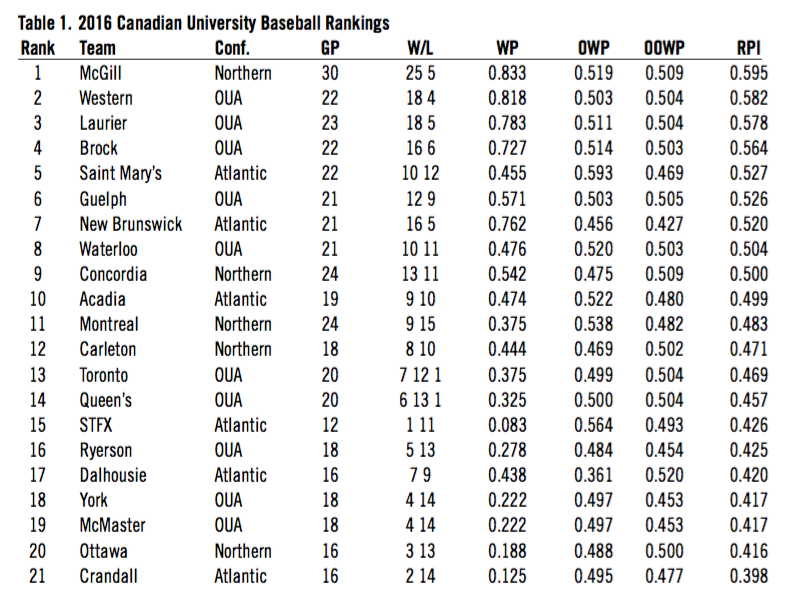
The RPI is derived from three distinct weighted factors:
- Team Winning Percentage (25%): This is the baseline. It measures the team’s ability to secure a victory regardless of the opponent.
- Opponents’ Winning Percentage (50%): This is the most critical weight. It measures the cumulative success of the teams played throughout the season. This prevents programs from inflating their records by scheduling inferior opponents, effectively penalizing “easy” paths to success.
- Opponents’ Opponents’ Winning Percentage (25%): This accounts for the broader context of the schedule, ensuring that a team’s strength of schedule is calculated through a wider lens of data points.
Why Athletic Departments Prioritize the Metric
From a financial standpoint, the RPI is a gatekeeper. NCAA baseball tournament selection is inherently subjective, but it is anchored by objective data. A high RPI increases a program’s “brand equity.” Universities with consistently high RPIs attract better recruits, generate higher television ratings, and negotiate more favorable conference media deals. When an athletic department builds its non-conference schedule, it is engaging in a sophisticated form of strategic financial planning, seeking to maximize RPI by facing high-performing opponents to hedge against the risks of a conference-heavy schedule.
Strategic Scheduling as a Financial Asset
For a college baseball program, scheduling is the equivalent of an investment portfolio strategy. A CFO of an athletic department—or more commonly, the head coach acting in this capacity—must balance the potential for high-reward wins against the risk of losses that could tank the RPI.
The Cost of “Bad” Wins
In the world of RPI, a win is not always a positive financial outcome. If a top-tier university plays a game against a team with a dismal winning percentage, they may see their RPI drop even if they win the game. This creates an “opportunity cost” scenario. By dedicating resources—travel, hotel costs, per diems, and player fatigue—to play an opponent with a low RPI, the program risks devaluing its overall standing. Modern athletic programs utilize predictive analytics software to simulate the RPI impact of every potential series on their schedule before the contracts are ever signed.

Maximizing ROI on Non-Conference Play
The most successful programs treat their non-conference schedules as a hedge. By investing in series against perennial powerhouse programs, they guarantee that their “Opponents’ Winning Percentage” will remain high, regardless of the individual outcomes of those games. This is a strategic allocation of capital. While the travel costs for a cross-country series against a top-ranked opponent might be high, the potential payout in RPI points creates a protective moat for the team’s tournament prospects. A team that manages its schedule effectively ensures that its path to the postseason remains clear, protecting the multi-million dollar investments made in the baseball facility and coaching staff.
Data-Driven Decision Making and Institutional Growth
The integration of RPI into the decision-making process represents a broader shift in collegiate sports toward data-centric management. Gone are the days when coaches could rely solely on “eye tests” or historical prestige to justify their team’s rank. Today, the RPI is a transparent, quantifiable metric that forces accountability.
The Role of Software in Performance Management
Advanced analytical tools now allow athletic directors to run “what-if” scenarios throughout the season. By inputting data points as they occur, programs can forecast where their RPI will land by the end of the regular season. This allows for mid-season adjustments in administrative strategy. If the RPI is trending toward a danger zone, the administration may pivot its marketing efforts, lobby for better neutral-site games, or adjust coaching travel budgets to ensure key games are scouted and managed with maximum precision.
Long-Term Value Creation
The RPI is not merely a short-term tool for reaching the NCAA tournament; it is a long-term branding vehicle. A program that consistently finishes with a high RPI earns the reputation of being “tournament-ready.” This reputation is a tangible asset. It influences sponsorship negotiations, donor interest, and the university’s general prestige. When alumni and boosters see that their program is consistently ranked in the upper echelons of the RPI, they are more likely to donate to facility upgrades, such as new locker rooms or training centers, which in turn attract better talent and perpetuate the cycle of success.
The Future of Performance Metrics in Collegiate Athletics
As the business of college baseball continues to professionalize, the reliance on metrics like RPI will only grow. We are entering an era where the selection process for championships is becoming increasingly automated, shifting the power dynamic away from human committees and toward algorithmic certainty.
Balancing Human Judgment and Algorithmic Precision
While the RPI is a powerful tool, it is not infallible. The “business” side of baseball must account for anomalies, such as injuries to star players or rain-shortened seasons. However, the trajectory is clear: the industry is moving toward a more rigorous, audit-ready financial model for athletic success. Programs that fail to understand the nuance of RPI are essentially leaving money on the table.
Professionalizing the Approach
In the future, we can expect to see athletic departments hiring dedicated “quantitative strategists” whose sole job is to manage the interaction between scheduling, RPI, and financial outcomes. These professionals will treat a team’s schedule like a high-frequency trading algorithm—constantly looking for marginal gains in strength-of-schedule metrics to ensure the institution maintains its competitive position.
Ultimately, RPI is more than just a baseball term; it is a financial instrument. It serves as the scorecard for a program’s operational efficiency, marketing reach, and strategic foresight. For any stakeholder in the business of collegiate sports, mastering the implications of the RPI is not just recommended—it is essential for survival in a highly competitive, data-driven financial landscape. By treating the RPI as a core business metric, athletic programs can transform their performance on the field into lasting value for their institutions, ensuring that every pitch, every game, and every road trip contributes to a profitable and sustainable future.
aViewFromTheCave is a participant in the Amazon Services LLC Associates Program, an affiliate advertising program designed to provide a means for sites to earn advertising fees by advertising and linking to Amazon.com. Amazon, the Amazon logo, AmazonSupply, and the AmazonSupply logo are trademarks of Amazon.com, Inc. or its affiliates. As an Amazon Associate we earn affiliate commissions from qualifying purchases.