
The Strategic Power of Micro-Donations in Brand Equity
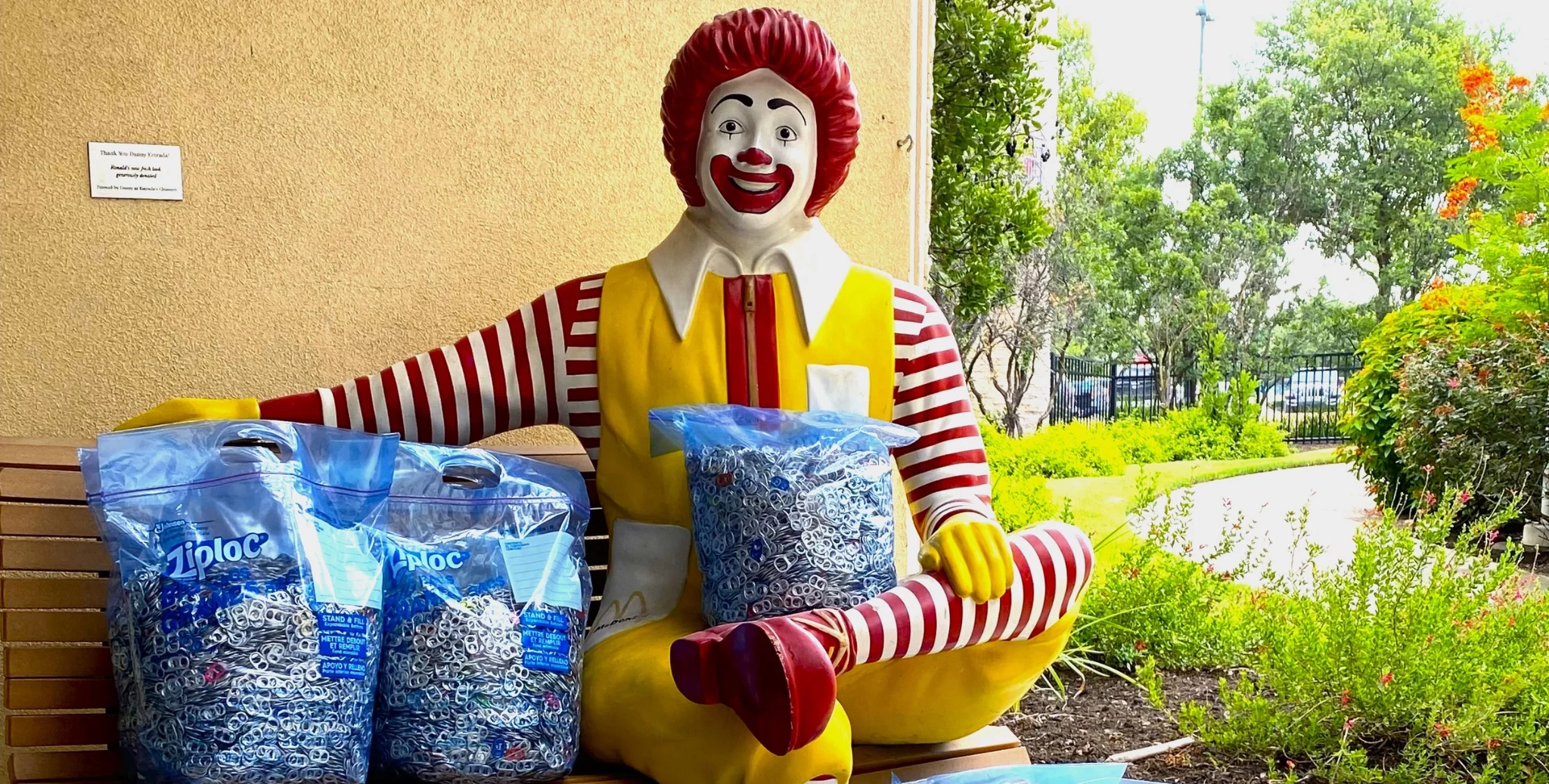
The Ronald McDonald House Charities (RMHC) pop tab collection program stands as a masterclass in accessible brand engagement. While the financial contribution of a single aluminum tab is negligible, the aggregate impact—both in terms of raw capital and brand loyalty—is profound. From a strategic perspective, this initiative serves as a bridge between the corporate entity of McDonald’s and the charitable mission of the House, reinforcing a corporate identity centered on community-focused service.
Leveraging Low-Barrier Entry for Brand Participation
In the landscape of modern philanthropy, the barrier to entry often dictates the success of a campaign. By focusing on a ubiquitous, discarded waste item—the aluminum tab—the organization has successfully democratized the act of giving. This is a brilliant exercise in brand positioning; it transforms a non-financial asset into a symbol of collective corporate responsibility. Consumers who may not have the capacity to donate large sums of money can still participate in the brand’s mission, creating an emotional investment that transcends typical transactional relationships.
Fostering Brand Advocacy Through Tangible Action
The “pop tab” initiative turns casual restaurant-goers into brand advocates. When an individual takes the time to collect these tabs, they are performing a consistent, ritualized interaction with the McDonald’s brand identity. This behavior shifts the consumer’s perception from merely being a customer to being a stakeholder in the company’s philanthropic efforts. This psychological alignment is a powerful tool in corporate identity management, ensuring that the brand is associated with kindness, sustainability, and community welfare rather than just fast-food convenience.
The Operational Mechanics of Philanthropic Logistics
Behind the scenes of the pop tab collection lies a sophisticated supply chain that functions as a case study in cause-related marketing logistics. The efficiency of this program highlights how a brand can monetize waste while simultaneously bolstering its public image.
From Collection Points to Recycling Revenue
The lifecycle of a pop tab begins with individual collection, which is then funneled into local Ronald McDonald House chapters. These chapters partner with local recycling centers to process the aluminum. By converting these tabs into bulk scrap metal, the organization generates a steady stream of revenue that is earmarked specifically for operational expenses or family support services. This is an elegant example of sustainable fundraising: the brand takes a byproduct of its own product consumption and turns it into a financial resource that benefits its primary charitable cause.
Scalability and Cross-Sector Partnerships
The success of this program relies heavily on the integration of secondary partners. By engaging schools, local businesses, and community organizations, RMHC effectively offloads the collection labor while expanding its brand reach into new demographics. This cross-sector collaboration serves as a strategic marketing maneuver, placing the RMHC logo and mission statement in environments far removed from the physical McDonald’s restaurants. This constant brand visibility is essential for maintaining a positive corporate reputation and ensuring that the brand remains top-of-mind for potential donors and volunteers.

Shaping Consumer Perception Through Cause-Related Marketing
Cause-related marketing (CRM) is a strategic marketing tool where a brand and a charitable organization partner to promote a cause. The pop tab initiative is a quintessential model of how this strategy can elevate a global corporation.
Creating an Emotional Connection to the Brand
Humanizing a multi-billion dollar corporation is a significant challenge for any marketing team. The pop tab program successfully humanizes McDonald’s by associating its brand identity with the comfort and support provided to families in crisis. When stakeholders—investors, employees, and customers—see a clear link between a company and a tangible, positive outcome, the brand’s perceived value increases. This emotional dividend is difficult to quantify but essential for long-term brand equity and resilience in the face of market competition.
Transparency and the “Value-Added” Brand Narrative
In an era where consumers demand social responsibility, the pop tab program provides a transparent and verifiable narrative. Unlike more abstract corporate social responsibility (CSR) initiatives, the collection of pop tabs is visceral and easy to understand. It creates a “story” that the brand can tell: “Your small action supports a family during their most difficult time.” This narrative arc is the cornerstone of effective marketing, turning a mundane piece of metal into a vessel for goodwill. By emphasizing this simplicity, the organization reinforces a brand identity that is approachable, reliable, and deeply embedded in the social fabric of the communities it serves.
The Future of Community-Centric Corporate Identity
As the marketplace becomes increasingly crowded, brands must find innovative ways to remain relevant and meaningful. The Ronald McDonald House pop tab initiative provides a blueprint for how brands can leverage micro-contributions to create macro-level impact on their public perception.
Modernizing Philanthropy for a Digital Age
While the act of collecting physical tabs is traditional, the promotion of this effort has moved into the digital realm. Social media campaigns, viral collection challenges, and digital tracking tools have modernized the program. By integrating digital engagement with physical action, RMHC ensures that its brand identity remains relevant to younger generations who prioritize social impact as much as product quality. The brand isn’t just selling a product; it’s selling an ecosystem of values that the consumer can actively participate in.

The Long-Term ROI of Social Commitment
The return on investment (ROI) for such programs is not merely financial—it is reputational. The pop tab initiative acts as a buffer for the brand. In times of corporate scrutiny, the accumulated “goodwill” generated by decades of community-focused efforts provides a level of protection that purely profit-driven companies lack. By consistently reinforcing a corporate identity that gives back, McDonald’s secures a place in the hearts and minds of the public that advertising alone could never achieve. The pop tab, in this sense, is more than just aluminum; it is a vital component of a long-term strategy to ensure the brand’s longevity and respect in the global marketplace.
Through this lens, it is clear that the pop tab program is far more than a simple recycling effort. It is a strategic pillar of brand management, a logistical success, and a masterclass in how a global entity can maintain its humanity in a hyper-competitive market. By transforming a trivial item into a source of support, the organization has solidified its place as a benchmark for how corporate identity can successfully align with deep-rooted community values.
aViewFromTheCave is a participant in the Amazon Services LLC Associates Program, an affiliate advertising program designed to provide a means for sites to earn advertising fees by advertising and linking to Amazon.com. Amazon, the Amazon logo, AmazonSupply, and the AmazonSupply logo are trademarks of Amazon.com, Inc. or its affiliates. As an Amazon Associate we earn affiliate commissions from qualifying purchases.