
In the rapidly evolving landscape of display technology and illumination, industry jargon often dictates the specifications of the hardware we purchase. From high-end television panels to sophisticated smart lighting solutions, the acronym RGBW has become a standard designation. Understanding what RGBW stands for and how it differs from traditional display standards is essential for consumers and engineers alike who seek to optimize color accuracy, energy efficiency, and luminosity.
The Architecture of RGBW: Moving Beyond the Primary Triad
At its most fundamental level, RGBW is an extension of the traditional RGB (Red, Green, Blue) color model. For decades, the RGB model has served as the backbone of digital imaging. By combining these three primary colors in varying intensities, displays can reproduce a vast spectrum of visible light. However, as screen resolution increased and the demand for brighter, more energy-efficient visuals grew, the limitations of the classic RGB sub-pixel structure became apparent.

Defining the Sub-Pixel Structure
In a standard RGB display, every pixel is composed of three sub-pixels: red, green, and blue. By adjusting the voltage applied to these sub-pixels, the display can create almost any color. RGBW adds a fourth sub-pixel to the mix: white. This “W” sub-pixel is generally unpigmented, allowing the full intensity of the backlight to pass through the panel without being filtered by color components.
The Role of the White Sub-Pixel
The inclusion of the white sub-pixel fundamentally changes the way a display handles brightness. In a standard RGB panel, to produce white light, all three sub-pixels (Red, Green, and Blue) must be fully activated. This requires a significant amount of power and can lead to a slight tinting effect, as achieving a “pure” white via color mixing is technically challenging. The RGBW structure bypasses this by utilizing the dedicated white channel, which provides higher luminance while consuming less power, as the light does not need to be filtered through red, green, or blue pigment layers.
RGBW in Display Technology: TVs, Monitors, and Mobile Screens
The implementation of RGBW in consumer electronics, particularly in the television and smartphone market, has been a subject of intense debate among display enthusiasts. While the technology offers undeniable benefits in terms of brightness and power efficiency, its impact on resolution and color fidelity requires a nuanced understanding.
Enhancing Brightness and Efficiency
One of the primary drivers for the adoption of RGBW in display panels is the quest for “peak brightness.” Modern High Dynamic Range (HDR) standards demand screens capable of pushing significant light output to highlight specular reflections, such as sunlight on water or metallic surfaces. Because the white sub-pixel is inherently brighter than a combination of colored sub-pixels, RGBW panels can achieve higher nits of brightness without needing to drive the LED backlight to extreme, heat-generating levels. This directly translates to better energy efficiency—a critical factor for mobile devices aiming to extend battery life while maintaining high screen visibility in outdoor environments.
The Trade-off: Sub-Pixel Rendering and Resolution
Critics of the RGBW structure often point to the potential impact on sharpness. In a standard “Real RGB” panel, every sub-pixel is used to define the color and luminance of a single pixel. In an RGBW configuration, the structure often alternates or shares sub-pixels across adjacent locations. This necessitates sophisticated sub-pixel rendering (SPR) algorithms to map the intended image onto the physical hardware. While modern image processing has become exceptionally proficient at this, purists occasionally argue that text clarity and fine detail in high-resolution content can suffer compared to a native RGB panel with an identical pixel count. However, for most mainstream consumers, the increased brightness and energy savings offered by RGBW far outweigh the imperceptible differences in sub-pixel geometry.

The Evolution of RGBW in LED Lighting and Smart Home Ecosystems
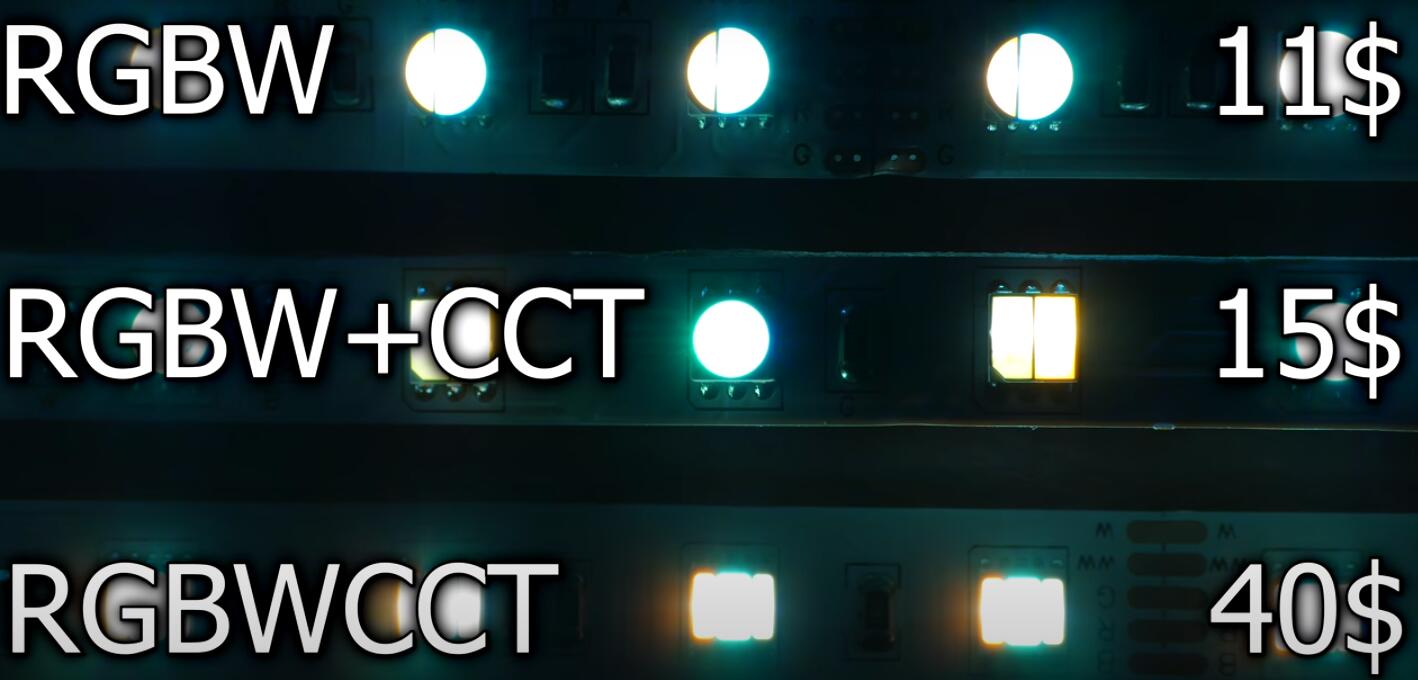
Beyond digital displays, RGBW is a foundational technology in the world of smart lighting. If you have ever purchased an LED strip or a smart bulb that offers a full color gamut alongside a dedicated “warm” or “cool” white mode, you have utilized RGBW technology.
Differentiating Color Mixing from White Tuning
In simple RGB LEDs, creating white light is an additive process that often results in a “muddy” or slightly blueish white. These bulbs struggle to provide the warm, golden hues of an incandescent bulb or the crisp, clinical daylight of a professional office light. By incorporating a dedicated white chip, manufacturers allow the bulb to blend standard RGB colors for accent lighting while switching to the white channel for general illumination. This dual-purpose utility has made RGBW a mandatory specification for smart home enthusiasts looking to replace traditional lighting fixtures without sacrificing the ability to set a “mood” with saturated colors.
Precision Control and Color Temperature
A sophisticated RGBW lighting system doesn’t just use a single white chip; it often utilizes two: one for warm white (around 2700K) and one for cool white (around 6500K). While technically referred to as RGBWW or RGBCW, these are extensions of the base RGBW philosophy. The addition of the white channel allows for superior color rendering index (CRI) scores. A high CRI is critical for ensuring that the colors of furniture, paint, and skin tones appear natural under artificial light. Because the white channel provides a broad spectrum of light rather than a narrow band of three primary colors, it fills the “gaps” in the spectral output, resulting in a significantly more comfortable and accurate visual environment.
The Future of RGBW: Integration and Market Trends
As we look toward the future of both visual displays and architectural lighting, the role of RGBW is likely to expand rather than diminish. The industry is currently moving toward even more complex iterations, such as RGBY (adding yellow) or RGBWA (adding amber), but RGBW remains the most balanced and widely adopted configuration due to its versatility.
Advancements in Micro-LED and OLED
The integration of RGBW into cutting-edge display technologies like Micro-LED is already underway. In the Micro-LED space, where each sub-pixel is a self-emissive light source, the ability to include a white sub-pixel offers manufacturers a way to achieve massive brightness gains without compromising the pixel longevity of the individual colored LEDs. By offloading the burden of white-light production to the white sub-pixel, the red, green, and blue emitters can be driven more conservatively, effectively extending the lifespan of the panel and reducing the risk of “burn-in” in OLED applications.
Sustainability and Energy Regulations
With global energy standards becoming increasingly stringent, manufacturers are under pressure to produce hardware that consumes less power while delivering superior performance. RGBW provides a direct engineering path to meeting these sustainability goals. By optimizing the luminous efficacy—that is, the amount of light produced per watt of electricity consumed—RGBW panels and lighting products represent a more sustainable choice for both household and corporate environments. As software-defined hardware continues to evolve, we can expect to see smarter power management systems that dynamically switch between RGB and RGBW modes based on the content being displayed or the ambient light in the room, further maximizing efficiency.
Conclusion
The acronym RGBW represents a significant leap forward in our ability to control light and color. Whether it is powering the vibrant, high-brightness screen of a flagship smartphone or providing the perfect, cozy atmosphere in a living room, the addition of the white sub-pixel has fundamentally changed how we interact with technology. By decoupling white-light production from the traditional color-mixing process, RGBW has enabled a new standard of efficiency, brightness, and color accuracy. While it may require complex processing in digital displays to maintain absolute sharpness, the practical benefits to energy consumption and visual fidelity make it a cornerstone of modern electronics. As we move toward a future defined by smart, sustainable, and highly responsive technology, understanding these underlying specifications allows both creators and consumers to make informed decisions about the tools they use to visualize and illuminate their world.
aViewFromTheCave is a participant in the Amazon Services LLC Associates Program, an affiliate advertising program designed to provide a means for sites to earn advertising fees by advertising and linking to Amazon.com. Amazon, the Amazon logo, AmazonSupply, and the AmazonSupply logo are trademarks of Amazon.com, Inc. or its affiliates. As an Amazon Associate we earn affiliate commissions from qualifying purchases.