
In the vast lexicon of medical terminology, precision is paramount. Clinicians, researchers, and health informatics professionals rely on standardized nomenclature to ensure that patient data is accurately recorded, analyzed, and communicated. However, terms like “-pnea” frequently appear as suffixes in clinical documentation, leading to confusion for those outside the immediate medical field. Understanding the etymology and application of this suffix is essential for anyone involved in health-tech data analysis, medical software development, or digital health documentation, as it serves as a critical indicator of respiratory status.
The Etymological Foundations of Medical Suffixes
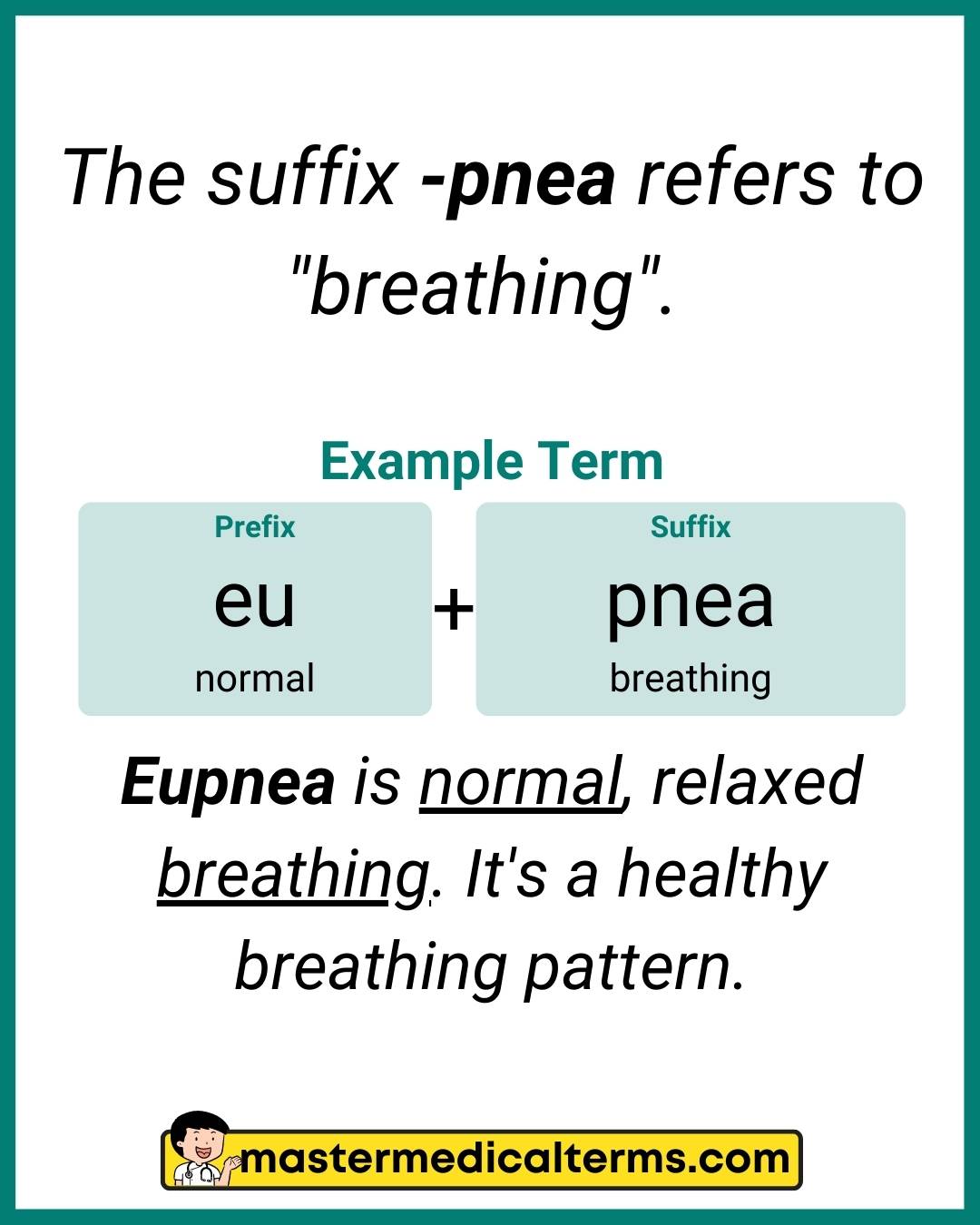
To decode the term “pnea,” one must look to the Greek origin, pnoia, meaning “breath” or “breathing.” In modern medical English, “-pnea” is used exclusively as a suffix to denote conditions, patterns, or states relating to the act of respiration. When developing medical software, clinical decision support systems (CDSS), or health-tracking applications, recognizing these morphological patterns is the first step in building robust natural language processing (NLP) algorithms capable of parsing electronic health records (EHRs).
Linguistic Structure in Clinical Documentation
When a physician notes a diagnosis or observation ending in “-pnea,” they are defining a specific physiological deviation from the standard resting respiratory rate. Because breathing is a vital sign, identifying these terms correctly is crucial for algorithmic triaging systems. Whether the system is flagging data for a practitioner or feeding into an AI-driven predictive health model, “pnea” functions as a keyword for pulmonary function monitoring.
The Standard Reference Points
In clinical practice, respiratory terms are categorized based on three axes: speed, depth, and effort. The “-pnea” suffix anchors these descriptions. For instance, the transition from eupnea (normal breathing) to tachypnea (rapid breathing) represents a data point shift that can trigger clinical alerts in automated monitoring software.
Common Clinical Variations and Their Digital Interpretations
In the architecture of health-tech databases, capturing the nuances of respiratory patterns is vital. Each “-pnea” derivative acts as a specific data point. Software developers and health-tech analysts must treat these terms as discrete variables to ensure that patient monitoring devices and EHR systems provide actionable insights rather than mere noise.
Tachypnea vs. Bradypnea
Tachypnea is defined as an abnormally rapid rate of respiration. In a hospital setting, this is often a precursor to metabolic acidosis or respiratory distress. Conversely, bradypnea refers to an abnormally slow respiratory rate. From a software perspective, differentiating these requires the system to hold reference ranges for normal breathing. If an automated sensor detects a rate falling outside these predefined bounds, the software must correlate the suffix with the numerical data to categorize the event severity.
Apnea: The Critical Absence of Breath
Perhaps the most high-stakes term in this family is “apnea,” which signifies the temporary cessation of breathing. This is a foundational term in sleep medicine and neonatal care. Modern wearables and home diagnostic tools leverage this definition to identify sleep apnea, a condition where respiratory function is interrupted during rest. For developers, the detection of apnea represents a critical “fail-safe” state in health-tracking algorithms, necessitating a high-priority alert system.
Dyspnea and Orthopnea
These terms capture the patient’s subjective and objective experience of difficulty breathing. Dyspnea is the sensation of breathlessness, while orthopnea refers specifically to breathlessness that occurs when lying flat. These are nuanced clinical states that require robust data collection methods, such as patient-reported outcome measures (PROMs) integrated into mobile health apps. Effectively tracking these terms allows for better long-term management of chronic conditions like heart failure or COPD.

Integrating Respiratory Terminology into Health-Tech Infrastructure
For companies operating in the health-tech space, the challenge is not just defining these terms but integrating them into a coherent digital framework. When designing diagnostic interfaces or patient portals, the objective is to translate clinical jargon into structured data that machines can parse and humans can understand.
The Role of Natural Language Processing (NLP)
NLP tools are increasingly used to scan millions of clinical notes to extract symptoms and diagnoses. A robust NLP engine must be “taught” that any word ending in “-pnea” relates to the respiratory system. By categorizing these terms into a structured hierarchy, developers can automate the sorting of patient records, which significantly reduces the administrative burden on clinical staff and improves the accuracy of patient health histories.
Building Predictive Models with Respiratory Data
AI-driven healthcare solutions depend on the quality of the data they ingest. If an EHR platform treats “tachypnea” and “dyspnea” as interchangeable, the predictive accuracy of the model will plummet. Successful integration requires a semantic ontology where “-pnea” is recognized as a family of related physiological states. This allows for temporal analysis—tracking how a patient’s respiratory health changes from eupnea to dyspnea over time, providing clinicians with a predictive dashboard that highlights potential health declines before they become acute emergencies.
Future Trends in Respiratory Monitoring Technology
As we move toward a future defined by the “Internet of Medical Things” (IoMT), the way we track and record respiratory data is evolving. The suffix “-pnea” will remain at the heart of these innovations, as the need for granular, real-time data becomes more acute.
Wearable Devices and Continuous Monitoring
Next-generation smartwatches and chest-worn sensors are now capable of monitoring respiratory frequency continuously. By calculating breath-per-minute data points and cross-referencing them against the clinical definitions of tachypnea and bradypnea, these devices provide users and their healthcare providers with a continuous, 24/7 stream of respiratory status data. This transition from “snapshot” clinical assessment to “longitudinal” monitoring is perhaps the most significant shift in respiratory medicine today.
The Convergence of Clinical Data and Patient Experience
The goal of modern health tech is to bridge the gap between technical terminology and the patient experience. A user-friendly health app should not merely record that a patient has “dyspnea,” but provide context, such as the duration, triggers, and associated symptoms. By building user interfaces that demystify these terms while simultaneously providing structured data for clinicians, developers can foster better adherence to treatment plans. This bidirectional communication—where the patient understands their condition and the physician receives high-quality data—is the hallmark of effective digital health transformation.

Conclusion: Bridging the Gap through Precision
The term “pnea” is more than just a linguistic relic of Greek antiquity; it is a fundamental pillar of modern clinical communication and data classification. In the context of health-tech development, software engineering, and digital health strategy, it represents a specific category of patient experience that requires precision, empathy, and technical rigor.
For organizations looking to improve their clinical decision support, invest in diagnostic software, or develop patient-facing applications, the correct interpretation and utilization of respiratory terminology are non-negotiable. By ensuring that these systems are built upon a foundation of accurate clinical nomenclature, we can drive better patient outcomes, enhance the efficiency of healthcare workflows, and ultimately create a more responsive, tech-enabled medical landscape. Whether it is an EHR system flagging an acute case of tachypnea or a wearable device monitoring for signs of sleep apnea, the precision of our digital tools is only as strong as our understanding of the medical definitions they process. As we look to the future, the convergence of clinical knowledge and software architecture will continue to define the standard of care.
aViewFromTheCave is a participant in the Amazon Services LLC Associates Program, an affiliate advertising program designed to provide a means for sites to earn advertising fees by advertising and linking to Amazon.com. Amazon, the Amazon logo, AmazonSupply, and the AmazonSupply logo are trademarks of Amazon.com, Inc. or its affiliates. As an Amazon Associate we earn affiliate commissions from qualifying purchases.