
The landscape of modern automotive engineering is defined by a constant tension between performance and environmental responsibility. As consumers and policymakers alike push for cleaner air and reduced carbon footprints, a complex web of terminology has emerged. Among the most misunderstood of these labels is the PZEV, or Partial Zero Emission Vehicle. While the name might seem like a contradictory marketing invention, it represents a specific, highly regulated classification that has served as a bridge between traditional internal combustion engines and the future of pure electrification.
Understanding the PZEV designation requires peeling back layers of regulatory compliance, emissions control technology, and the evolving standards set by organizations like the California Air Resources Board (CARB). Far from being a hollow buzzword, the PZEV label serves as a testament to how far conventional engineering can be pushed when forced to meet stringent environmental benchmarks.
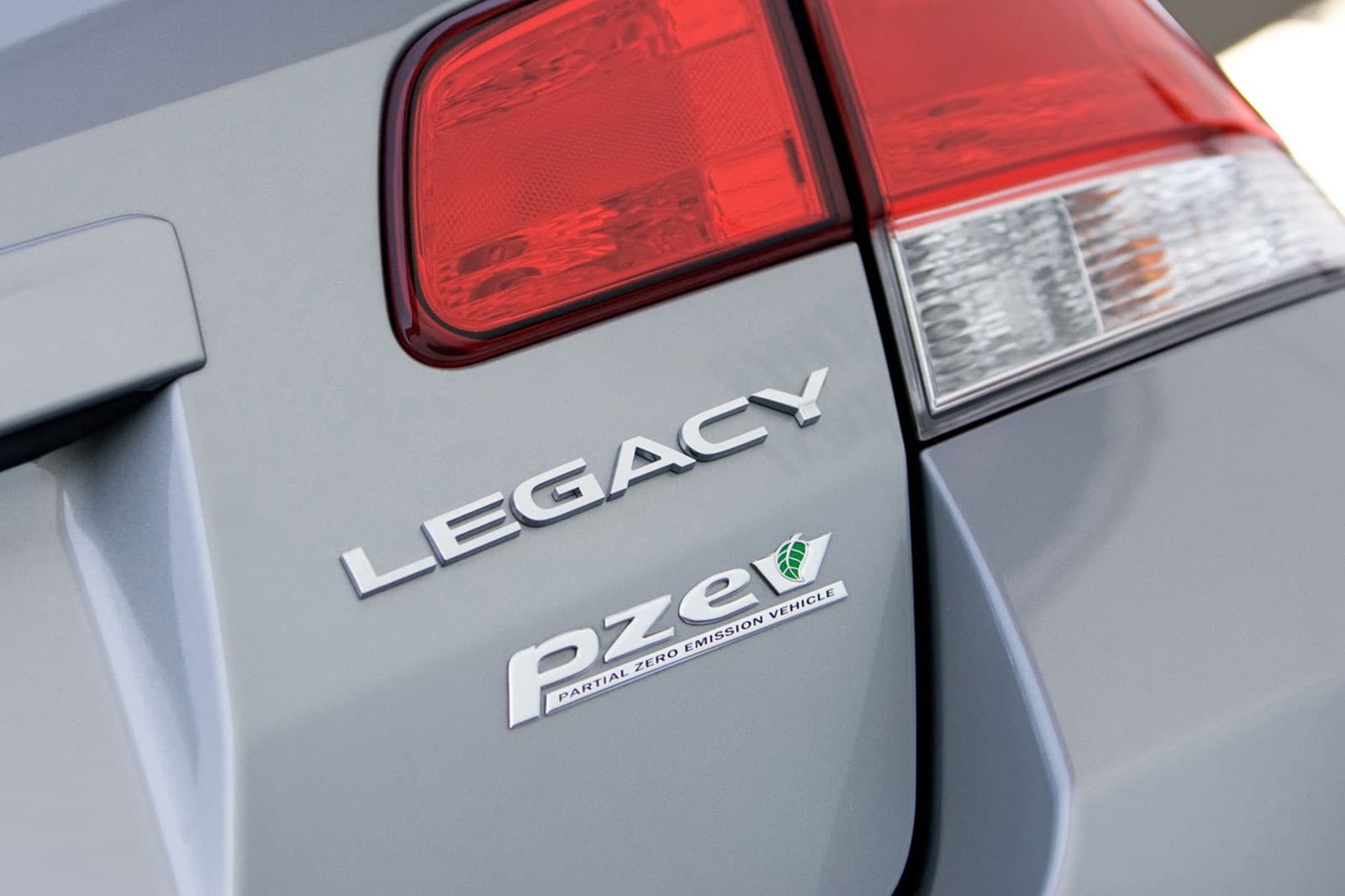
Decoding the PZEV Classification
To understand a Partial Zero Emission Vehicle, one must first look at the regulatory environment in which it was born. The term did not appear in a vacuum; it was a response to California’s Zero Emission Vehicle (ZEV) mandate, which aimed to force manufacturers to produce an increasing percentage of vehicles that produced no tailpipe emissions.
The Regulatory Framework
Under the CARB guidelines, a vehicle could only be classified as a PZEV if it met three specific, non-negotiable criteria. First, the vehicle had to meet the Super Ultra Low Emission Vehicle (SULEV) standard for tailpipe emissions. This is an incredibly rigorous tier of certification that requires the vehicle to emit virtually no smog-forming pollutants. Second, the vehicle had to meet a “zero evaporative emissions” standard, which ensures that fuel vapors do not escape into the atmosphere from the fuel system. Finally, the manufacturer had to provide an extended emissions warranty—typically 15 years or 150,000 miles—ensuring that the vehicle remained as clean as the day it left the assembly line for the duration of its usable life.
Beyond the Tailpipe: Evaporative Emissions
One of the most impressive technical feats of a PZEV is its handling of evaporative emissions. In a standard vehicle, small amounts of gasoline can evaporate from the fuel tank or fuel lines when the engine is off, especially in warmer climates. This “diurnal breathing loss” contributes significantly to ground-level ozone. PZEV-compliant vehicles utilize advanced charcoal canisters, reinforced fuel lines, and sophisticated seals to ensure that virtually no hydrocarbons escape. Achieving this level of containment is a mechanical challenge that separates PZEV models from their standard SULEV counterparts.
The Engineering Innovations Powering PZEVs
The PZEV classification is not the result of a single “green” switch but rather a combination of multiple, highly optimized technologies working in tandem. When engineers set out to design a PZEV, they essentially have to rethink how the combustion process and fuel delivery systems interact with the environment.

Optimized Combustion and Catalytic Efficiency
At the heart of the PZEV is the ability to minimize emissions during the most critical time: the “cold start.” When an engine is cold, the catalytic converter is not yet at its operating temperature, leading to a spike in pollutant output. PZEV engineers tackle this by using more precise fuel injection timing, lower-friction engine components, and improved thermal management systems that bring the catalytic converter to full efficacy in a fraction of the time required by standard engines.
Enhanced Fuel System Integrity
The fuel system in a PZEV is arguably more robust than that of a standard vehicle. Because the mandate requires near-zero evaporative emissions, manufacturers employ multi-layer plastic fuel tanks, specialized rubber-lined hoses, and active vacuum sensors that monitor for leaks. These components are designed to withstand significantly more pressure and temperature cycling than standard automotive parts, which is why the extended warranty is a mandatory component of the PZEV classification. These materials ensure that the containment system does not degrade over the long-term life of the vehicle, maintaining the “Partial Zero” status for over a decade.
PZEV in the Context of the Modern Market
As the industry pivots toward battery-electric vehicles (BEVs) and plug-in hybrids (PHEVs), the role of the PZEV has shifted. While it was once the pinnacle of clean internal combustion, it is now viewed as an important historical stepping stone that influenced the current generation of hybrid technology.
The Bridge to Electrification
PZEV technology proved that internal combustion engines could be clean enough to rival some electric configurations in terms of localized air quality impact. This forced manufacturers to invest heavily in engine efficiency, which directly benefited the development of modern hybrids. Many of the sensors, combustion optimization techniques, and emission-control strategies used in today’s Toyota Prius or Honda Insight were refined during the era of PZEV development. The PZEV designation essentially provided a roadmap for how to manage combustion pollutants until the power density of batteries reached a point where full electrification was commercially viable.
Consumer Benefits and Longevity
For the consumer, owning a PZEV offers tangible advantages. The most obvious is the reduced impact on local air quality, but the secondary benefit is reliability. Because a PZEV is legally mandated to meet emissions standards for 15 years or 150,000 miles, the components responsible for these emissions are built to a much higher standard of durability than those in a standard vehicle. A vehicle that is designed to stay clean for 150,000 miles is often, by definition, a vehicle that is designed to stay functional for that same duration. Consequently, PZEV-labeled cars often carry a higher resale value and lower maintenance frequency regarding their exhaust and fuel systems.
Future Trends and the Legacy of PZEV
The legacy of the PZEV is visible in the way automotive manufacturers approach fleet averages today. The stringent requirements of the PZEV paved the way for the “Low Emission Vehicle III” (LEV III) standards that are currently enforced. While we are moving away from fossil fuels, the lessons learned from PZEV engineering remain highly relevant.
Environmental Impact and Policy
Policy has a way of shaping technology, and the PZEV is the perfect case study. By setting a high bar—and rewarding manufacturers who could clear it with the PZEV badge—CARB effectively forced a generational leap in automotive hardware. Even as we transition to electric, the supply chains, testing protocols, and material science breakthroughs that were catalyzed by the PZEV mandate continue to inform the automotive industry.

The Final Verdict on PZEV
A Partial Zero Emission Vehicle is a high-water mark for the internal combustion engine. It serves as a reminder that “cleaner” isn’t always about a single power source; it is about the systemic integration of efficient combustion, aggressive emission containment, and long-term durability. While the industry is now dominated by the conversation surrounding lithium-ion batteries and charging infrastructure, the PZEV remains an essential piece of automotive history. It transformed the way we define “clean,” proving that a vehicle could be incredibly sophisticated, highly reliable, and environmentally conscious without relying on a wall plug. For those operating within the secondary market or looking for a reliable, low-impact internal combustion vehicle, the PZEV badge remains a hallmark of quality engineering.
aViewFromTheCave is a participant in the Amazon Services LLC Associates Program, an affiliate advertising program designed to provide a means for sites to earn advertising fees by advertising and linking to Amazon.com. Amazon, the Amazon logo, AmazonSupply, and the AmazonSupply logo are trademarks of Amazon.com, Inc. or its affiliates. As an Amazon Associate we earn affiliate commissions from qualifying purchases.