
When a brand considers expanding into global markets, the journey begins not with a logo or a marketing campaign, but with the linguistic vetting of the name itself. The name “Milo” serves as a fascinating case study in brand strategy. While it is a common given name in English-speaking territories, its perception in the Spanish-speaking world is governed by cultural context, phonetic associations, and the interplay between branding and colloquialisms. For business leaders and marketers, understanding these layers is essential to maintaining a strong corporate identity.
Linguistic Roots and Cultural Perception
In the Spanish language, “Milo” is not a formal dictionary word with a singular definition, such as “apple” or “house.” Rather, it exists primarily as a proper noun. However, in the realm of brand strategy, the lack of a formal meaning is often an advantage.
The Power of Phonetic Neutrality
From a branding perspective, a name that lacks a heavy, pre-existing definition in a target language provides a “blank slate.” Unlike a brand name that might accidentally translate to a negative or offensive term, “Milo” occupies a neutral space. It is phonetically accessible to Spanish speakers, as it follows common vowel-consonant patterns found in the language. This creates a low barrier to entry for recall and pronunciation.
Historical and Social Associations
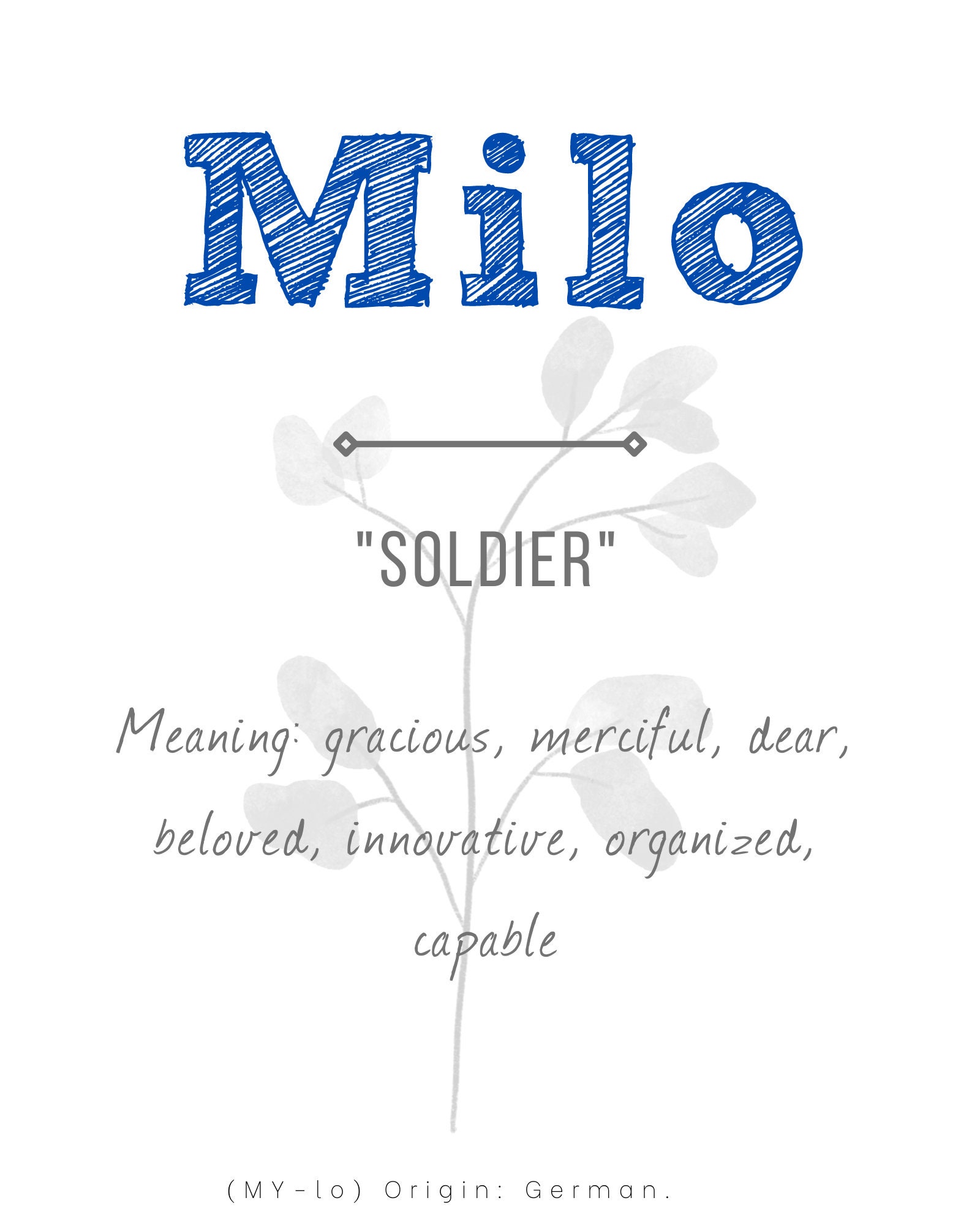
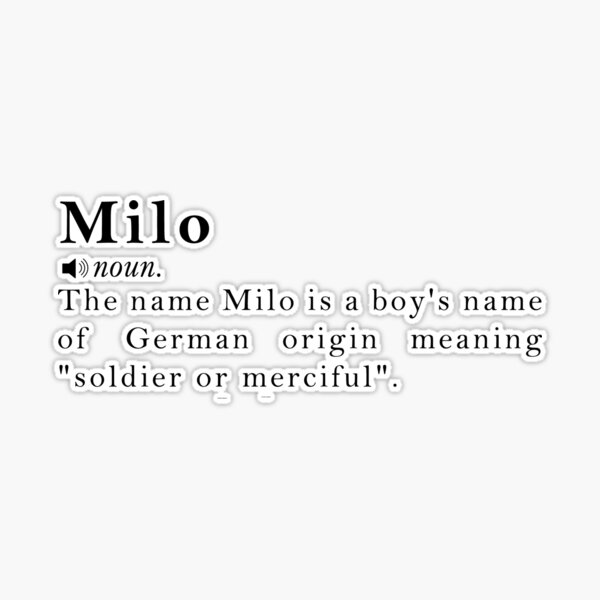
While not a standard noun, “Milo” has historical roots in Greek culture (meaning “soldier” or “merciful”), which occasionally drifts into academic or literary discussions in Spanish-speaking countries. More importantly, in modern branding, the name is often associated with the popular malt-based drink produced by Nestlé. In many Latin American countries, the brand “Milo” is a household name, creating an immediate, pre-established identity that is associated with energy, youth, and nutrition. For any new venture using the name, this is a critical brand strategy consideration: you are either leveraging the existing brand equity of that product or entering a landscape where the name is already “taken” in the consumer’s mind.
Brand Strategy and the “Blank Slate” Effect
When choosing a brand name for a global audience, companies often look for names that sound “international.” “Milo” fits this profile perfectly. It feels modern, approachable, and friendly.
Neutrality as a Marketing Asset
In international branding, a name that does not mean anything in particular is often safer than one that carries specific cultural baggage. If a brand name has a literal translation, it can be limiting. For example, if a company is named “Fast Cars” and translates it to “Coches Rápidos” in Spanish, the brand is forever tied to that literal description. “Milo,” however, allows for a brand to define its own meaning through values, mission statements, and customer experiences.
Avoiding Cultural Missteps
The greatest risk in cross-cultural branding is the unintentional linguistic mishap. Many global brands have spent millions rebranding after discovering their name means something undesirable in a local dialect. “Milo” carries very little risk in this regard. It does not sound like common Spanish slang that might be considered vulgar or derogatory. This “safety” is a massive asset for companies looking to enter the Spanish-speaking market with minimal friction.
The Intersection of Personal Branding and Corporate Identity
The name “Milo” is increasingly popular in personal branding, particularly among digital creators and tech entrepreneurs. Its simplicity makes it an excellent choice for a personal brand that needs to function across multiple social media platforms.
The “Short and Punchy” Rule of Naming
In the digital age, brand names must be short enough to fit into a URL, a social media handle, or a mobile app icon. “Milo” consists of only four letters and two syllables. This creates an aesthetic balance that is visually pleasing in logo design. In the context of the Spanish market, where long, descriptive company names have historically been common, the move toward minimalist names like “Milo” signals a shift toward a more modern, globalized corporate identity.
Building Authority Around a Simple Name
When a brand uses a name like “Milo,” the burden of establishing meaning shifts entirely to the marketing team. Because the name itself doesn’t “do the talking,” the company must invest more heavily in storytelling. In a Spanish-speaking context, this means ensuring that the brand’s voice—its tone in advertisements, its community management style, and its customer service—is deeply attuned to the nuances of local culture. The name is the vessel; the brand strategy is the content that fills it.
Market Localization: The Practical Application
While the name is linguistically safe, a successful brand strategy in Spanish-speaking countries requires more than just a safe name. It requires localization, which is the process of adapting a product or service to a specific locale.
Phonetic Localization
In some regions, the pronunciation of “Milo” might vary slightly. While the Spanish “o” is distinct and rounded, marketers must ensure that their branding guidelines include phonetic instructions if they wish for the name to be pronounced in a specific way globally. Consistency in how a brand name is spoken across television, radio, and digital media is a cornerstone of corporate identity.
The Competitive Landscape
If a brand is entering the Spanish market under the name “Milo,” they must conduct a thorough trademark audit. Because the name is associated with a prominent food product in many Spanish-speaking nations, a new company in a different sector (such as technology or finance) might face challenges in intellectual property registration or consumer confusion. A robust brand strategy involves analyzing the “share of voice” that the existing Milo brand commands and determining if the target audience will be able to distinguish the new entity from the established one.
The Future of Globalized Naming Trends
As we look toward the future of global commerce, the trend is moving away from names that are tied to specific geographical locations or literal translations. The success of names like “Milo” lies in their ability to transcend borders.
Why Simple Wins in a Globalized Economy
We live in an era of information overload. Consumers are exposed to thousands of brands a day. A simple, four-letter name that is easy to spell, easy to remember, and easy to type into a search bar is invaluable. By choosing a name like “Milo,” companies are signaling that they are agile, accessible, and ready for a global audience.
Final Thoughts on Brand Architecture
Whether you are a startup looking for a name that will work in Madrid, Mexico City, or Bogota, or a mature company looking to expand your footprint, “Milo” represents the ideal intersection of simplicity and versatility. It is a name that commands respect without being aggressive, and one that offers enough flexibility for a brand to pivot as its business strategy evolves. In the Spanish-speaking world, where language is rich, nuanced, and deeply tied to history, choosing a name like “Milo” is a strategic nod to the future—a future where, regardless of the language spoken, a brand is defined not by its name’s dictionary definition, but by the value it delivers to its community.
In conclusion, “Milo” in Spanish is less about a specific translation and more about the strategic choice of a clean, globalized identity. It allows brands to bypass the pitfalls of literal translations and instead focus on the real work of branding: building a reputation, fostering trust, and creating a narrative that resonates with consumers on a human level. For any organization aiming for global relevance, “Milo” serves as a benchmark for how a simple, neutral name can be transformed into a powerful, enduring corporate asset.
aViewFromTheCave is a participant in the Amazon Services LLC Associates Program, an affiliate advertising program designed to provide a means for sites to earn advertising fees by advertising and linking to Amazon.com. Amazon, the Amazon logo, AmazonSupply, and the AmazonSupply logo are trademarks of Amazon.com, Inc. or its affiliates. As an Amazon Associate we earn affiliate commissions from qualifying purchases.