
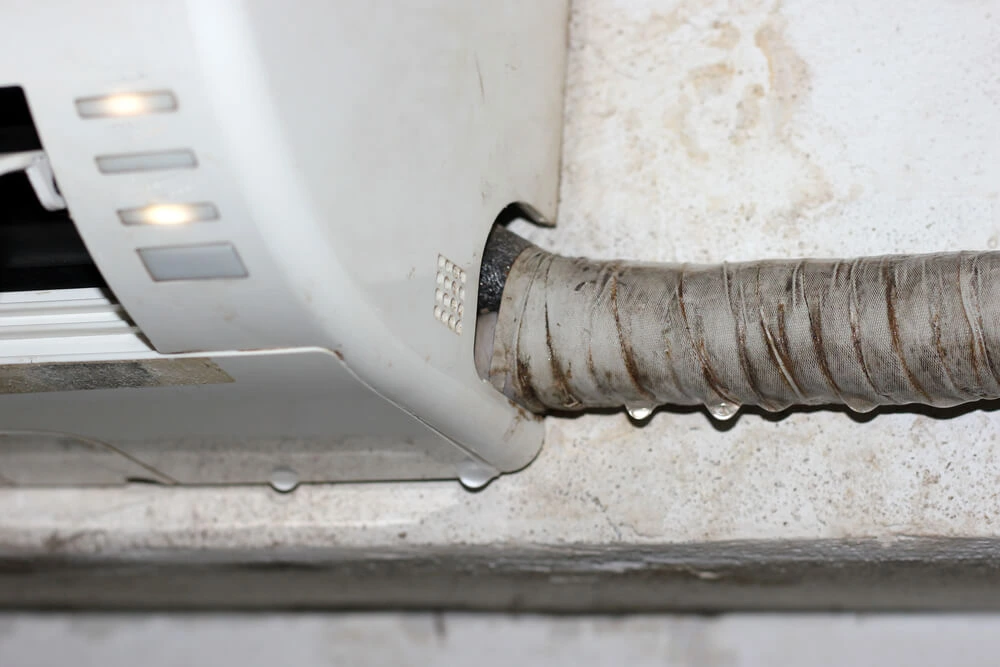
Air conditioning systems are sophisticated pieces of home technology that rely on precise thermal dynamics to maintain interior comfort. When a homeowner notices water pooling around their indoor unit or dripping from an exterior vent, it is often a sign that the system’s moisture management process has been compromised. While modern HVAC units are designed to handle condensation as a natural byproduct of cooling, a leak suggests that the internal mechanics—ranging from drainage pathways to sensor-driven cooling cycles—are malfunctioning. Understanding the technical root causes of these leaks is essential for troubleshooting and ensuring the longevity of your hardware.

The Science of Condensation and the Drainage System
To understand why an AC unit leaks, one must first understand how it cools. Air conditioning units function by passing warm, humid air over cold evaporator coils. As the air cools, it loses its ability to hold moisture, which then condenses into liquid water on the surface of these coils. In a properly functioning system, this water drips into a drain pan and is channeled out of the house through a condensate line.
The Role of the Condensate Pan
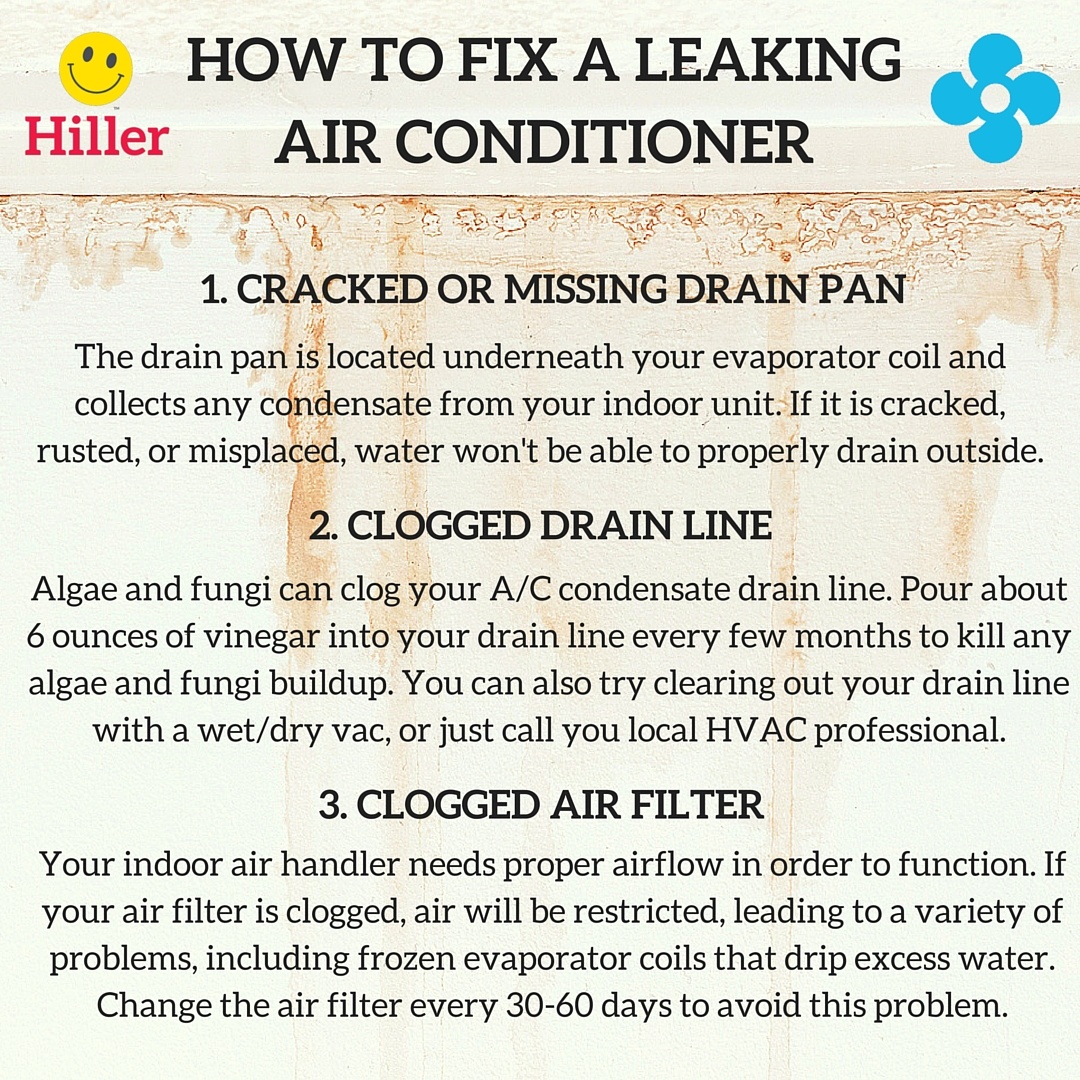
The condensate pan is the primary collection vessel located beneath the evaporator coil. Over time, these pans—often made of metal or high-density plastic—can succumb to corrosion or develop cracks due to thermal expansion and contraction. When the structural integrity of the pan is compromised, water bypasses the drainage exit entirely, leaking directly onto the floor or internal cabinet components.
Obstructions in the Condensate Line
The most frequent cause of water leakage is an obstruction in the condensate line. Because the environment inside the drain pipe is cool, dark, and damp, it becomes an ideal breeding ground for algae, mold, and mildew. As these organic materials accumulate, they form a blockage that prevents water from exiting the unit. Once the line is backed up, water overflows the pan and seeks the path of least resistance, often leaking back into the air handler unit or spilling over the edge of the drain pan.
Mechanical Failures and Installation Anomalies
Beyond simple blockages, internal mechanical failures or installation errors can disrupt the equilibrium of the cooling cycle. Because HVAC systems require exact leveling and vacuum pressure, even minor deviations can lead to significant water management issues.
Improper Installation and Unit Leveling
An air conditioner is engineered to sit at a very specific angle to ensure that gravity carries the condensation toward the drain port. If the unit was installed on an uneven surface or if it has shifted due to structural settling of the home, the water may pool in the opposite corner of the drain pan. This standing water not only increases the likelihood of rust and biological growth but also spills over the pan’s edge, causing leaks that appear unrelated to the actual drain line.
Refrigerant Level Irregularities
The amount of refrigerant circulating through the system is calibrated for optimal heat exchange. If a system is running low on refrigerant—perhaps due to a pinhole leak in the copper lines—the evaporator coil can become excessively cold. This over-cooling causes the coil to freeze, creating a thick layer of ice. When the system cycles off or the ice begins to melt faster than the drainage system can process, the resulting volume of water overwhelms the condensate pan, leading to a sudden and significant leak.
The Impact of Airflow and Filtration on Moisture Control
Modern HVAC systems rely on a consistent flow of air to function correctly. If the airflow is restricted, the thermodynamics of the entire unit shift, often leading to moisture management failure.
The Critical Importance of Air Filters
Air filters serve as the primary defense against debris entering the delicate evaporator coils. When a filter is neglected, it becomes choked with dust and particulates, causing a dramatic drop in airflow. This restriction forces the system to work harder, often causing the evaporator coil to become too cold. As noted previously, this leads to the formation of ice. As the ice melts during off-cycles, the water may not follow the intended drainage route, especially if the internal components are partially blocked by debris that bypassed the dirty filter.
Fan and Blower Motor Issues
The blower motor is responsible for pulling warm air over the evaporator coil. If the motor is failing or the fan blades are coated in grime, the rate of heat exchange is disrupted. When the air does not move across the coils at the intended velocity, the condensation process becomes inefficient. The moisture may then condense in areas of the unit not equipped for drainage, such as the blower housing or the ductwork, resulting in moisture leaking from vents or the interior casing of the unit.
Troubleshooting and Preventive Maintenance Protocols
Addressing an AC leak requires a methodical approach, beginning with basic diagnostics and escalating to professional intervention when necessary. Because the HVAC system involves electrical components and pressurized gases, safety remains the priority.
Initial Diagnostics for Homeowners
Before calling a technician, perform a visual inspection of the condensate line. Many systems have a “clean-out” port, which is a PVC pipe usually capped near the indoor unit. By removing this cap and utilizing a wet-dry vacuum, you can often clear minor algae blockages. Additionally, inspect the air filter; if it is dark or clogged, replacing it immediately can resolve airflow-related icing issues. Finally, verify that the unit has not shifted off its leveling shims.
The Necessity of Professional Servicing
If the leak persists after basic maintenance, the issue likely resides within the pressurized components or internal electrical sensors. A professional technician will utilize diagnostic tools to measure refrigerant pressures, inspect the structural integrity of the evaporator coils, and verify that the condensate pump—if the system is equipped with one—is functioning correctly.
Modern “smart” HVAC systems are also equipped with float switches. These are small sensors that detect rising water levels in the drain pan and automatically shut down the system to prevent water damage. If your unit has stopped running entirely and you notice a leak, this safety switch is likely the culprit. While the switch has effectively prevented water damage, it indicates that the system is currently in a “fail-safe” mode and requires an immediate drain line flush or repair.
Maintaining System Longevity
The most effective way to prevent future leaks is through a proactive maintenance schedule. Scheduling an annual professional inspection ensures that drain lines are chemically treated to prevent algal growth, coils are professionally cleaned to maintain optimal heat exchange, and electrical connections are tightened. By treating the HVAC system as a high-performance piece of household technology rather than a “set and forget” appliance, you minimize the risk of mechanical failure and ensure that moisture remains a harmless byproduct of the cooling process rather than a threat to your home’s infrastructure.
Ultimately, while a leaking AC is an inconvenience, it is also a diagnostic signal from the system. By paying attention to where the water is appearing and the conditions under which it occurs, homeowners can identify whether they are dealing with a routine maintenance requirement or a deeper mechanical issue. Addressing these signs early prevents secondary damage to walls, flooring, and ceilings, effectively preserving the value and performance of your climate control investment.
aViewFromTheCave is a participant in the Amazon Services LLC Associates Program, an affiliate advertising program designed to provide a means for sites to earn advertising fees by advertising and linking to Amazon.com. Amazon, the Amazon logo, AmazonSupply, and the AmazonSupply logo are trademarks of Amazon.com, Inc. or its affiliates. As an Amazon Associate we earn affiliate commissions from qualifying purchases.