
The phenomenon of falling in a dream—often accompanied by a sudden, jarring physical jolt known as a hypnic jerk—is one of the most common experiences reported by sleepers globally. While folklore and pop psychology often attach mystical or alarmist meanings to these nighttime plunges, a rigorous examination through the lens of modern neuroscience and cognitive behavioral patterns reveals that these dreams are rarely prophetic. Instead, they serve as a fascinating mirror into the brain’s regulatory processes, stress management systems, and the physiological transition between wakefulness and deep sleep. By analyzing these dreams through the scientific framework of cognitive function, we can better understand how our subconscious mind processes daily data and biological equilibrium.

The Neurobiology of the Hypnic Jerk
To understand the sensation of falling, we must first look at the transition period between wakefulness and Stage 1 sleep. This is the stage of light slumber where the body begins to relax, muscles lose their tension, and the brain enters a period of decreased activity.
The Brain’s Misinterpretation
As the body drifts into relaxation, the brain’s sensory systems undergo a transition. Sometimes, the brain misinterprets the rapid onset of muscle relaxation as a loss of physical stability. Because the vestibular system—the part of the inner ear responsible for balance—is still sensitive, the sudden slackening of muscles can be miscoded by the brain as a plummeting sensation. In response, the brain fires a quick, reflexive electrical impulse to the muscles to “catch” the body, resulting in the characteristic jolt that wakes you up.
The Role of Stress and Overstimulation
While the physiological mechanism is standard, the frequency of these events is highly correlated with lifestyle factors. High levels of cortisol—the body’s primary stress hormone—keep the nervous system in a state of high alert. When you are chronically stressed, your brain struggles to transition smoothly into the low-frequency brainwave states required for deep sleep (Delta waves). Consequently, the brain “checks in” more frequently, increasing the likelihood that it will miscalculate your physical state, leading to repeated dreams of falling.
Psychological Indicators and Cognitive Processing
Beyond the biological trigger of the hypnic jerk, dreams of falling often manifest as sustained narratives during REM (Rapid Eye Movement) sleep. In these instances, the dream is not merely a biological reflex; it is a manifestation of how the mind processes complex psychological states, specifically those related to control, agency, and transition.
The Loss of Control Archetype
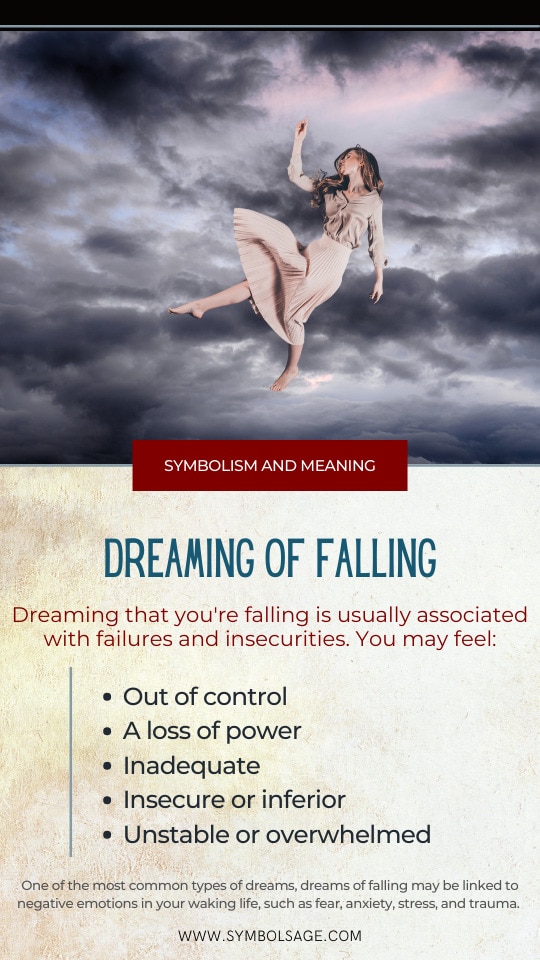
From a cognitive perspective, the act of falling is the ultimate metaphor for a loss of control. In professional and personal life, humans crave predictability and stability. When an individual feels that their external environment—be it a career path, a financial trajectory, or a relationship—is spiraling outside of their influence, the subconscious mind often translates this abstract feeling of helplessness into the physical sensation of falling.
If you are currently facing a high-stakes transition, such as changing industries, managing a struggling project, or navigating a period of financial uncertainty, your brain is actively mapping these “unstable” feelings onto the most primal survival scenario: a fall. This is the brain’s way of rehearsing how to respond to sudden changes, effectively “stress-testing” your internal resilience against perceived threats.

Analyzing Cognitive Load
Modern neuroscientific theories on dreaming suggest that the brain uses dream states to consolidate memory and prune unnecessary information gathered during the day. When you are inundated with high cognitive load—such as processing massive amounts of data, navigating complex office politics, or learning new technical skills—your brain’s “garbage collection” processes go into overdrive. Dreams of falling can act as a circuit breaker for this cognitive overload. They represent a reset mechanism for the mind, pushing you out of the dream state to essentially “reboot” your alertness when you are mentally exhausted.
Managing Nightly Disturbances Through Optimization
If recurring dreams of falling are disrupting your sleep quality, they should be viewed as a signal—not of danger, but of a need for systemic optimization. Improving your sleep architecture is similar to debugging a software system: you must isolate the variables that prevent a clean transition into deep recovery cycles.
Refining the Pre-Sleep Environment
The “digital sunset” is a critical practice for reducing the stimuli that lead to night-time jolts. Exposure to blue light from tablets, smartphones, and computer monitors suppresses melatonin production, forcing the brain to remain in a state of heightened arousal long after you have laid your head on the pillow. By implementing a strict cutoff for all digital devices at least 60 minutes before sleep, you allow your nervous system to downregulate naturally. This creates a smoother “landing” into sleep, significantly reducing the probability of the brain misinterpreting muscle relaxation as a fall.
The Impact of Caffeine and Stimulants
Pharmacological influence is often the hidden variable in sleep disturbances. Caffeine, nicotine, and even certain medications act as central nervous system stimulants. These substances increase the latency between sleep stages and keep the brain’s executive functions engaged, which creates the “glitch” in sensory interpretation described earlier. For those who find themselves frequently falling in their dreams, tracking the timing of stimulant consumption is essential. Aiming for a caffeine cutoff time of at least 8 to 10 hours before bed can help clear these stimulants from your system, ensuring that the transition into Stage 1 sleep is not interrupted by chemical alertness.
When to Address Persistent Dream Patterns
While the occasional dream of falling is a normal byproduct of human physiology, persistent, chronic occurrences that interfere with sleep quality warrant a deeper investigation into one’s overall health strategy.
Identifying Sleep Disorders
Sometimes, frequent falling sensations are symptoms of underlying conditions such as sleep apnea or periodic limb movement disorder (PLMD). When your oxygen levels drop due to airway obstruction, or when your legs jerk due to neurological irritation, the brain reacts with a sudden, intense burst of wakefulness. If you consistently wake up tired despite getting a full night’s sleep, or if your partner notes that you stop breathing or twitch violently during the night, it is advisable to seek a professional sleep study. These tools provide the objective data needed to determine if your “falling” dreams are simply a common quirk of the brain or a symptom of a larger, treatable medical issue.
Recontextualizing the Experience
Ultimately, viewing these dreams as an objective feedback loop from your brain is the most productive approach. Rather than fearing the fall, treat it as a data point. Ask yourself: What area of my life currently feels like it is moving too fast? Where am I feeling a lack of agency? By addressing these underlying stressors, you aren’t just improving your sleep; you are refining your approach to the challenges you face while awake. The goal is not to eliminate all dreams, but to reach a state where your physiological systems and your cognitive life are sufficiently in balance, allowing for the restorative rest required to perform at your peak during the day.
By understanding the intersection of our biology and our internal narrative, we turn a jarring nighttime interruption into a valuable tool for self-awareness and performance optimization.
aViewFromTheCave is a participant in the Amazon Services LLC Associates Program, an affiliate advertising program designed to provide a means for sites to earn advertising fees by advertising and linking to Amazon.com. Amazon, the Amazon logo, AmazonSupply, and the AmazonSupply logo are trademarks of Amazon.com, Inc. or its affiliates. As an Amazon Associate we earn affiliate commissions from qualifying purchases.