
In the world of consumer electronics, terminology can often feel like a dense fog of technical jargon. When you are shopping for a new pair of wireless earbuds, a Bluetooth speaker, or even a rugged smartwatch, you will inevitably encounter the “IP” rating system. Among these ratings, IPX5 is one of the most common, yet widely misunderstood, benchmarks for durability. Understanding exactly what IPX5 means is crucial for ensuring your gear survives the elements—and for knowing when you’ve pushed your device a step too far.
Deciphering the IP Rating System
The “IP” in IPX5 stands for Ingress Protection, a standardized classification system developed by the International Electrotechnical Commission (IEC). These ratings are designed to define the levels of sealing effectiveness of electrical enclosures against intrusion from foreign bodies and moisture.
Understanding the Digits
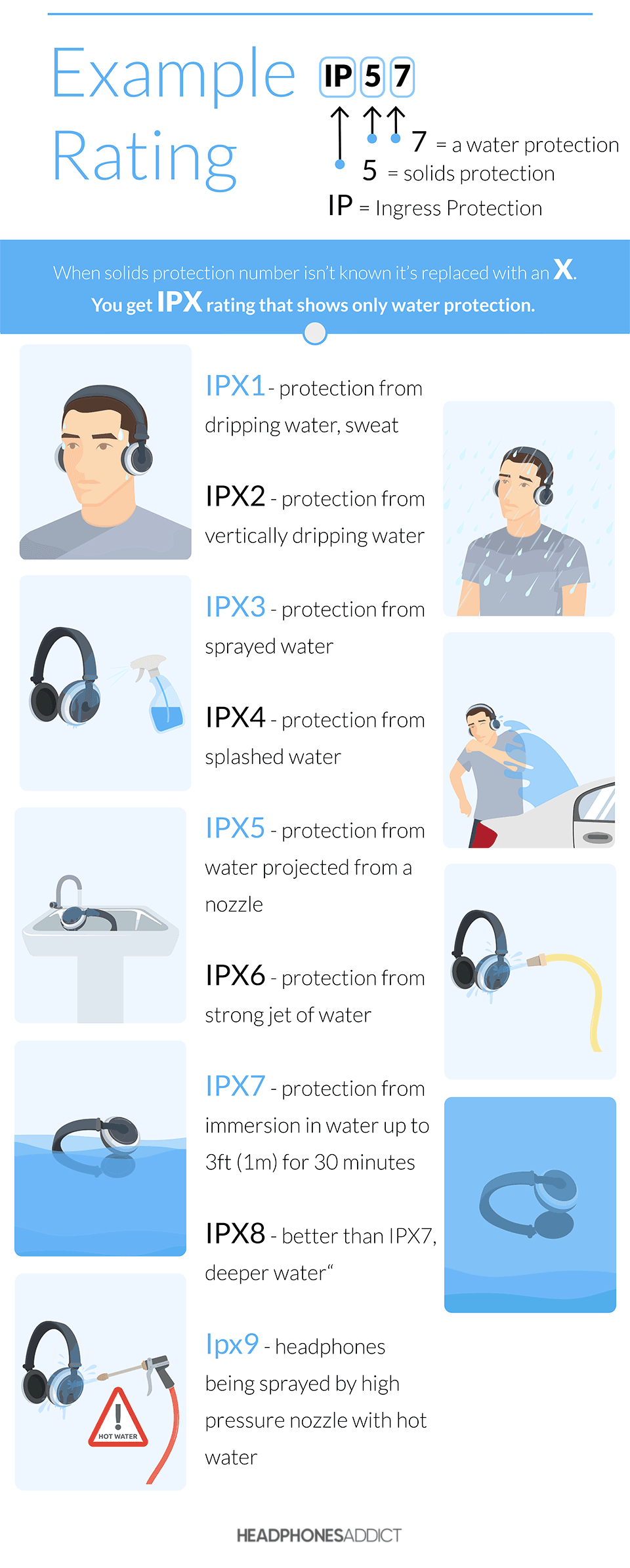
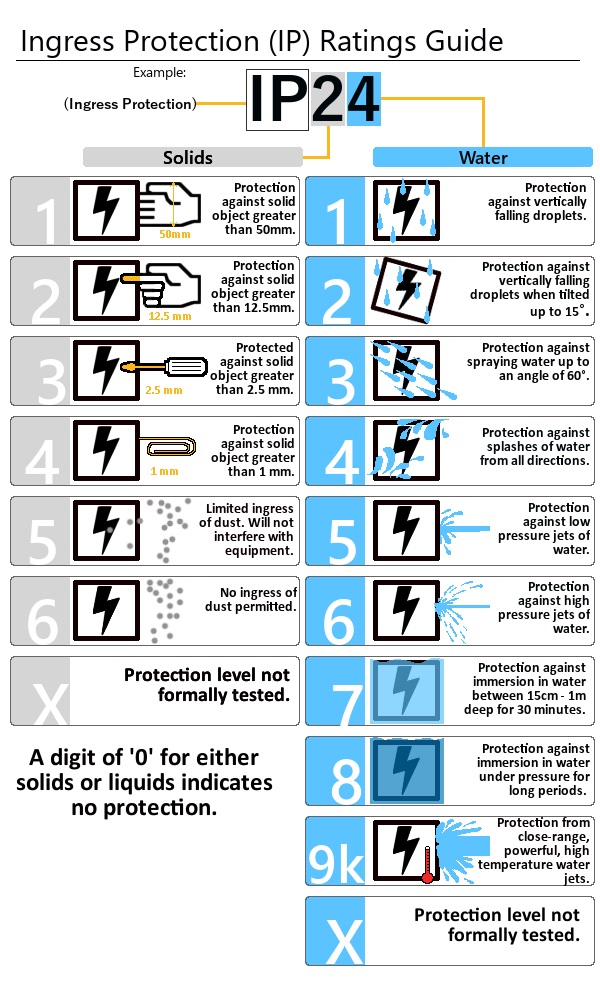
An IP rating typically follows the format “IP” followed by two numbers. The first digit represents protection against solid objects—such as dust, sand, or tools—while the second digit represents protection against liquids. When you see an “X” in an IP rating, it signifies that the device has not been formally tested for solid particle ingress. It does not necessarily mean the device is vulnerable to dust; it simply means the manufacturer has opted not to certify that specific aspect.
In the case of IPX5, the focus is entirely on the liquid resistance capability, with the number “5” indicating the specific grade of moisture protection.
The Scale of Water Resistance
The second digit in an IP rating ranges from 0 to 9. A rating of 0 offers no protection, while a rating of 9 implies the device can withstand high-pressure, high-temperature water jets. As we move up the scale, the requirements become significantly more stringent. Understanding where “5” sits on this hierarchy helps manage expectations: it is well above “dripping water” (IPX1) or “spraying water” (IPX4), but it is a distinct step below “immersion” (IPX7).
The Technical Reality of IPX5 Certification
To earn an IPX5 rating, a device must undergo rigorous laboratory testing. The manufacturer must prove that their product can withstand a sustained water jet. This is the defining characteristic of the IPX5 classification: it is designed for jets, not submersion.
The Water Jet Test
Under IEC 60529 standards, a device is subjected to a nozzle with a 6.3 mm opening, which projects water at a flow rate of 12.5 liters per minute. The water is sprayed from a distance of 2.5 to 3 meters for a duration of at least three minutes. To pass, the device must show no harmful effects from the water entering the enclosure.
This specific test simulates environmental hazards like heavy rain, accidental spills, or rinsing off equipment under a kitchen faucet. It is a “dynamic” water test, meaning the water is moving with force. This is why a device rated IPX5 might actually perform better in a torrential downpour than a device rated IPX7 that has weak seals, despite the latter having a higher immersion rating.
What IPX5 Is Not
The most common mistake consumers make is equating IPX5 with “waterproof” in the sense of being “submersible.” IPX5 does not guarantee survival if the device is dropped into a pool, a bathtub, or a lake. If water pressure exceeds the sealing capability—or if the device is held underwater where the water pressure is static but constant—the seals may fail.
If your device is IPX5 rated, you should treat it as “water-resistant” rather than “waterproof.” While it can handle a sweaty workout or a walk through a rainstorm, it is not designed to endure a dunk in the sink.
Practical Applications for Modern Gadgets
Knowing the capabilities of an IPX5 rating allows you to make informed decisions about how to integrate your gadgets into your lifestyle. Whether you are an athlete, a commuter, or an outdoor enthusiast, your gear’s rating dictates how you use it.
Sports and Fitness Equipment
For fitness enthusiasts, IPX5 is often the gold standard for wireless earbuds and smartwatches. High-intensity interval training or long-distance running leads to significant perspiration. A device with an IPX5 rating is specifically engineered to withstand the acidic, salty nature of sweat.
If you use IPX5-rated earbuds, you can feel confident that a heavy sweat session won’t short-circuit the internal electronics. Furthermore, if you get caught in a sudden rain shower during a run, your equipment will remain functional. However, if you are a triathlete who swims, you must look for an IPX7 or IPX8 rating; an IPX5 device will almost certainly fail during a swimming session.
Outdoor and Portable Tech
Portable Bluetooth speakers often carry an IPX5 rating. This makes them ideal for pool-side lounging or camping trips. They can handle the occasional splash from a diving child or a bit of dew on the grass in the morning. However, if that speaker happens to fall into the pool, you should retrieve it immediately and dry it thoroughly. The IPX5 rating protects against the “spray” or the “splash,” but it provides no guarantee for prolonged submersion.
Maintenance and Longevity
Even with an IPX5 rating, maintenance is vital to ensure the device remains water-resistant over time. Moisture resistance relies on rubber gaskets, seals, and adhesive tapes. These materials can degrade due to exposure to chemicals (like chlorine or salt), extreme heat, or general wear and tear.
After exposing your device to water, even if it is within the IPX5 parameters, you should wipe it down with a dry, soft cloth. If the device was exposed to saltwater or chlorinated water, a light rinse with fresh, cool water followed by a thorough drying is recommended to prevent mineral buildup and salt corrosion. Never use a hairdryer to speed up the drying process, as excessive heat can melt the adhesive seals that provide the very protection you are trying to maintain.
Making Informed Purchasing Decisions
When you are comparing products, don’t let the marketing buzzwords distract you. Manufacturers often use terms like “weatherproof,” “splash-proof,” or “sweat-proof” to describe products. While these are useful marketing labels, they are imprecise. Always look for the specific IP rating found in the technical specifications document.
If you are a casual user who primarily stays indoors or commutes in light weather, IPX5 is more than sufficient for your needs. It offers a robust layer of protection against the most common accidents, such as spilled drinks or rain. However, if your lifestyle involves water sports or you have a habit of accidentally dropping things in the sink, prioritize devices with an IPX7 or IPX8 rating.
Ultimately, IPX5 is an excellent compromise for most electronics. It balances the need for portability and sleek design with the necessary durability to survive the reality of daily life. By understanding that “5” stands for jet-spray resistance rather than total submersion, you can protect your investment and ensure your favorite gadgets stay powered up, rain or shine.
aViewFromTheCave is a participant in the Amazon Services LLC Associates Program, an affiliate advertising program designed to provide a means for sites to earn advertising fees by advertising and linking to Amazon.com. Amazon, the Amazon logo, AmazonSupply, and the AmazonSupply logo are trademarks of Amazon.com, Inc. or its affiliates. As an Amazon Associate we earn affiliate commissions from qualifying purchases.