
The curiosity surrounding the compensation of nonprofit executives is a common phenomenon. When the public interacts with organizations like Goodwill Industries—a pillar of the charitable sector known for its vast network of thrift stores and vocational training programs—there is an inherent expectation of altruism. Because Goodwill operates as a decentralized network of autonomous regional organizations, understanding how its leadership is compensated requires a deep dive into the business finance structures of large-scale non-profits and the complexities of executive market rates.
The Decentralized Nature of Goodwill’s Financial Structure
To understand the compensation of a Goodwill CEO, one must first understand that there is no single “Goodwill CEO.” Unlike a traditional corporation such as Apple or Microsoft, which has one global headquarters and a single Chief Executive Officer, Goodwill is a confederation of independent, community-based organizations.
Independent Boards and Local Governance
Goodwill Industries International (GII) functions as a parent organization that provides support, brand standards, and advocacy for over 150 independent Goodwill organizations across North America. However, each regional Goodwill—such as Goodwill of Southern California or Goodwill Industries of the Southern Rivers—is a separate 501(c)(3) entity.
Each of these regional entities has its own independent Board of Directors. This board is responsible for setting the strategic direction, overseeing operational budgets, and, crucially, determining the compensation for their local CEO. Consequently, the salary of a Goodwill CEO in a high-cost-of-living metropolitan area will differ vastly from the salary of a CEO in a smaller, rural region.
The Scale of Operations
Regional Goodwills are not “mom-and-pop” charities; they are massive logistical operations. They manage hundreds of retail outlets, professional donation processing centers, fleet logistics, and workforce development grant programs. When a board evaluates compensation, they are essentially looking for an executive capable of running a multi-million—or even billion—dollar retail enterprise. The financial complexity of managing inventory, real estate, and government grants at this scale often necessitates compensation packages that align with private-sector benchmarks to attract qualified talent.
Benchmarking Non-Profit Executive Compensation
When analyzing the salary of a non-profit CEO, it is easy to default to the assumption that because the organization is “non-profit,” the leadership should be compensated at a near-volunteer level. However, the business finance reality is far more nuanced.
Market Comparability Studies
Boards of directors for large non-profits are legally and ethically obligated to ensure their leadership is compensated fairly to ensure the longevity and effectiveness of the organization. To prevent the “problem of under-compensation”—which can lead to leadership turnover and strategic instability—boards hire independent compensation consultants.
These consultants conduct rigorous benchmarking studies. They compare the revenue, headcount, and operational complexity of their Goodwill branch against other local non-profits, as well as private-sector entities of similar scale. The goal is to provide a competitive salary that reflects the responsibilities of the role. If the Goodwill regional entity generates $100 million in annual revenue, the board will seek an executive with the credentials to manage a business of that size.
IRS Regulations and Reasonableness
The Internal Revenue Service (IRS) keeps a watchful eye on non-profit compensation. Under the “intermediate sanctions” rules, non-profit organizations must ensure that executive compensation is “reasonable.” If a compensation package is found to be excessive (inurement), the IRS can impose heavy excise taxes on both the organization and the executives involved.

This regulatory framework acts as a check and balance. While Goodwill CEOs are often paid well, their salaries are public record via Form 990 filings. These documents provide transparency, allowing donors and the public to scrutinize how charitable funds are being utilized. The board must be able to justify these figures based on the executive’s ability to drive the mission forward, increase revenue, and expand services for the community.
The Relationship Between Performance and Pay
In the context of modern business finance, compensation is rarely static. Executive pay packages for Goodwill CEOs typically consist of a base salary, supplemented by benefits and, in some cases, performance-based incentives.
Revenue Generation vs. Mission Impact
The challenge for a Goodwill CEO is balancing the retail mission (selling donated goods) with the social mission (providing job training and placement services). A CEO’s performance is often measured by their ability to scale the retail operations to maximize funding for the mission.
If a CEO successfully modernizes the supply chain, improves store efficiency, and secures lucrative government workforce development contracts, the regional board may view that leader as high-value. This creates a direct link between business finance success—profitable retail operations—and the CEO’s compensation. The higher the revenue generated, the more capital is available for job training programs, which in turn justifies a higher salary for the person steering the ship.
Transparency Through Form 990
For those interested in the specific numbers for a regional Goodwill, the primary tool for research is the Form 990. Every tax-exempt organization in the United States must file this document annually. It is a public document that lists the salaries of the organization’s highest-paid employees.
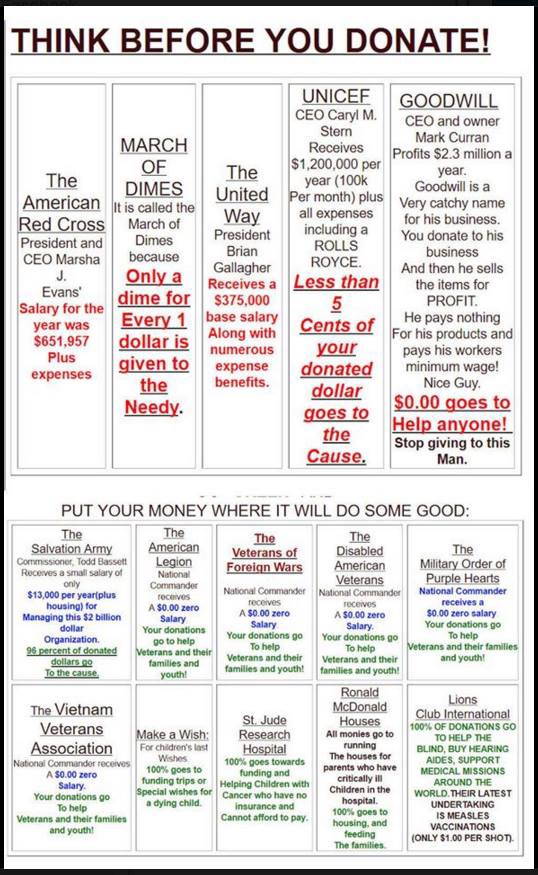
By accessing sites like GuideStar or the ProPublica Nonprofit Explorer, one can search for a specific regional Goodwill and view the compensation package of its CEO. This transparency allows for an honest assessment of how resources are allocated. Critics often point to high six-figure or even low seven-figure salaries as “excessive” for a charity, while proponents argue that such salaries are necessary to ensure the professional management required to maintain large-scale, impactful social programs.
Strategic Financial Leadership in the Charitable Sector
It is a misconception to view Goodwill as a retail business that happens to do charity. It is a social enterprise. The complexity of managing a labor-intensive retail operation while navigating federal, state, and local funding streams requires high-level executive talent.
Competitive Pressure for Talent
Many executives who lead large non-profits could earn substantially more in the private sector. The boards of regional Goodwill organizations are effectively competing for talent against for-profit retailers and corporations. If the board of a regional Goodwill determines that they need a leader with a background in logistics, marketing, and human resources to keep their stores competitive in an era of digital e-commerce, they must offer a salary that incentivizes a high-performing professional to stay in the non-profit sector.

The Bottom Line on Accountability
The debate over “what a Goodwill CEO makes” is, at its core, a debate about the value of leadership in the non-profit sector. While the figures reported on Form 990s might surprise those unfamiliar with the scale of regional Goodwills, the business finance model relies on these organizations operating with the same rigor as any commercial retail chain.
When questioning these salaries, one must consider the inverse: what is the cost of poor leadership? A CEO who fails to optimize the retail operations, manage risk, or secure government grants can cost a non-profit millions in lost revenue and wasted social potential. Therefore, the compensation packages provided to Goodwill CEOs are intended to secure the stability, growth, and effectiveness of the organization’s primary mission: providing job training and employment opportunities to those with barriers to work. The salary is not merely a payment for a job; it is an investment in the operational capacity of a massive community service provider.
aViewFromTheCave is a participant in the Amazon Services LLC Associates Program, an affiliate advertising program designed to provide a means for sites to earn advertising fees by advertising and linking to Amazon.com. Amazon, the Amazon logo, AmazonSupply, and the AmazonSupply logo are trademarks of Amazon.com, Inc. or its affiliates. As an Amazon Associate we earn affiliate commissions from qualifying purchases.