
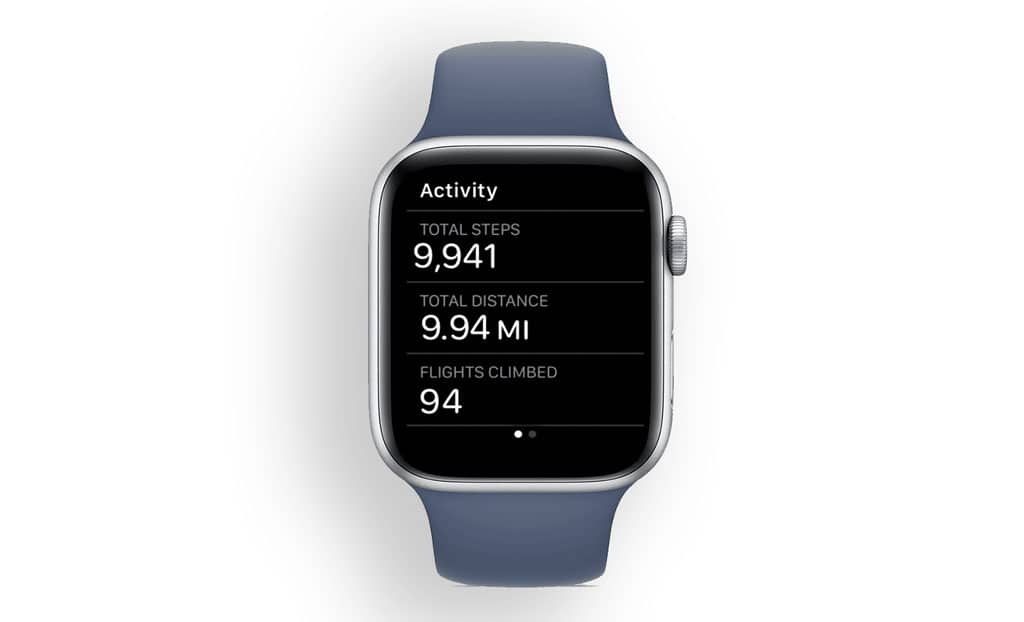
If you are a frequent user of modern wearable technology, such as the Apple Watch, Fitbit, or Garmin, you have likely encountered a metric known as “Flights Climbed.” For many, this measurement appears daily in their activity rings or health dashboards, often sparking questions about how the device determines what constitutes a “flight” and why this specific metric is considered a key indicator of cardiovascular health. Understanding the technology behind this feature and how to interpret the data can help you better manage your fitness journey and leverage your wearable device for long-term health benefits.
The Science of Altitude Tracking: How Wearables Measure Elevation
At the core of the “Flights Climbed” metric is a sophisticated piece of hardware integrated into most modern smartwatches: the barometric altimeter. Unlike a GPS sensor, which calculates your position on a two-dimensional map, the barometric altimeter is designed to measure changes in atmospheric pressure to determine your vertical position.
The Barometric Altimeter Mechanism
The barometric altimeter functions by sensing the slight variations in air pressure as you move higher or lower. As you climb a staircase, the density of the air changes relative to your starting point. The sensor inside your watch detects these pressure fluctuations, and the device’s software interprets them as vertical gain. Because the atmosphere is thinner at higher altitudes, the barometer is sensitive enough to detect even a standard floor’s height—typically estimated to be about 10 to 12 feet (or roughly 3 meters).
Defining a “Flight”
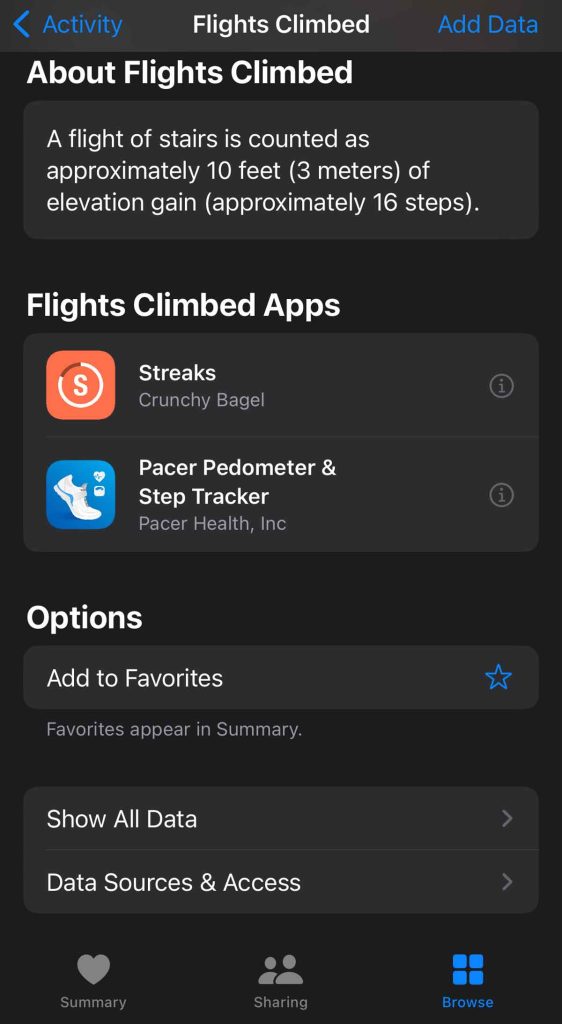
For the purposes of activity tracking, a “flight” is standardized. Most manufacturers define one flight as approximately 10 feet of elevation gain. It is important to note that this is not strictly tied to the physical presence of stairs. If you were to hike up a steep hill that gains 10 feet of elevation, your watch would likely credit you with one flight climbed. The algorithms are calibrated to filter out noise, such as sudden changes in weather-related air pressure, ensuring that the credit is only applied when the watch detects the specific cadence and vertical movement associated with climbing.
Why Flights Climbed Matters for Your Health
While tracking steps is a common goal, counting flights climbed provides a more granular look at the intensity of your daily activity. Incorporating vertical movement into your routine is a simple way to increase your metabolic rate and improve your physical conditioning without needing a gym membership.
Cardiovascular Impact and Intensity
Walking on a flat surface is excellent for general health, but climbing stairs or inclines requires significantly more effort. When you climb, your heart rate increases more rapidly than it does during level walking. This serves as a “micro-burst” of aerobic exercise. Regularly hitting your daily goal for flights climbed can help strengthen your heart, improve your lung capacity, and enhance your lower-body endurance.
Metabolic Health and Calorie Burn
The intensity of climbing stairs is comparable to a moderate-intensity aerobic workout. By choosing the stairs instead of the elevator, you engage major muscle groups, including the glutes, quadriceps, and hamstrings. This engagement consumes more energy, leading to a higher caloric expenditure per minute than traditional walking. For those monitoring their weight or looking to improve their metabolic health, tracking and increasing flights climbed is a highly efficient way to maximize the impact of the time spent moving throughout the day.
Functional Strength and Longevity
Beyond the cardiovascular benefits, regular climbing improves functional strength—the ability to perform everyday activities with ease. Maintaining the muscle mass and joint mobility required for climbing is linked to better balance and reduced fall risks as we age. By treating your daily flight count as a vital sign, you are actively investing in the longevity of your mobility.
Troubleshooting and Optimizing Your Data
Because the barometric altimeter relies on air pressure, external factors can sometimes interfere with the accuracy of your “Flights Climbed” data. If you feel your watch is miscounting or undercounting your effort, there are several variables to consider.
External Factors Affecting Accuracy
The most common culprit for inaccurate flight tracking is a clogged sensor. If the small vent that allows air to reach the altimeter becomes blocked by sweat, dirt, or debris, the pressure readings will be compromised. Keeping your device clean is essential for accurate tracking. Furthermore, significant changes in weather or sudden atmospheric pressure drops (like the approach of a storm) can occasionally confuse the sensor, causing it to register phantom flights or ignore genuine climbs.
The Role of Motion and Cadence
Most wearables do not rely on the altimeter alone; they use a sensor fusion approach. This means the watch cross-references pressure changes with data from the accelerometer. If you are climbing stairs but holding onto the handrail the entire way, or if you are moving in a way that doesn’t mimic a natural walking gait, the accelerometer may not register the “motion” of climbing. To ensure accurate logging, move with a consistent gait and avoid relying heavily on handrails, which can reduce the intensity and motion signals the watch is looking for.
Consistency and Goal Setting
If your goal is to increase your flights climbed, treat it as a measurable habit. Start by checking your baseline for the week and then aim to increase your goal by 5% each week. Many wearable apps allow you to manually adjust your daily goals. Instead of defaulting to the device’s generic recommendation, set a goal that pushes you just slightly beyond your current comfort level. Whether it is taking the stairs instead of the elevator at work or choosing a path with more incline on your evening walk, these incremental changes add up to significant long-term results.
Integrating Flights Climbed into a Broader Fitness Strategy
“Flights Climbed” should be viewed as one piece of a larger puzzle. When combined with other metrics like Resting Heart Rate (RHR), Heart Rate Variability (HRV), and total steps, it provides a comprehensive picture of your daily exertion.
The Synergy of Metrics
If you notice that your flights climbed are high but your resting heart rate remains elevated, it might be a sign that you are pushing your cardiovascular system too hard without adequate recovery. Conversely, if your flights climbed are low and your RHR is creeping up, it may be an indication that your sedentary time is beginning to impact your health negatively. Using these metrics together allows you to adjust your activity levels dynamically based on how your body is responding to stress.
Practical Tips for Increasing Vertical Gain
- The “Two-Floor Rule”: Make it a personal policy to always take the stairs if you are going up two floors or fewer.
- Incline Intervals: If you are walking outside, seek out neighborhoods with gentle hills. A 20-minute walk on a hilly route will provide a much higher “flights climbed” count than a flat route of the same duration.
- The Stair-Climb Workout: If you have access to a stadium or a safe set of outdoor stairs, dedicating 10 minutes once or twice a week to stair repeats can drastically improve your overall fitness scores while boosting your “flights climbed” metric for the day.
Ultimately, the “Flights Climbed” metric is a powerful reminder that our environment offers opportunities for movement if we choose to take them. By understanding the technology that drives this measurement and focusing on incremental improvements, you can turn a simple daily metric into a tool for building a healthier, more active lifestyle. Your wearable device is not just tracking your movement; it is providing the feedback necessary to push your physical limits, one flight at a time.
aViewFromTheCave is a participant in the Amazon Services LLC Associates Program, an affiliate advertising program designed to provide a means for sites to earn advertising fees by advertising and linking to Amazon.com. Amazon, the Amazon logo, AmazonSupply, and the AmazonSupply logo are trademarks of Amazon.com, Inc. or its affiliates. As an Amazon Associate we earn affiliate commissions from qualifying purchases.