
Choosing a name is one of the most critical steps in the lifecycle of any business or professional entity. While many founders obsess over logo colors or website typography, the linguistic weight of a brand name—its phonetics, its etymological roots, and the psychological associations it evokes—often goes overlooked. When we analyze a name like “Edie,” we are not just looking at a moniker; we are examining a case study in brand positioning, accessibility, and the subtle art of naming strategy.
The Psychology of Nomenclature in Brand Identity
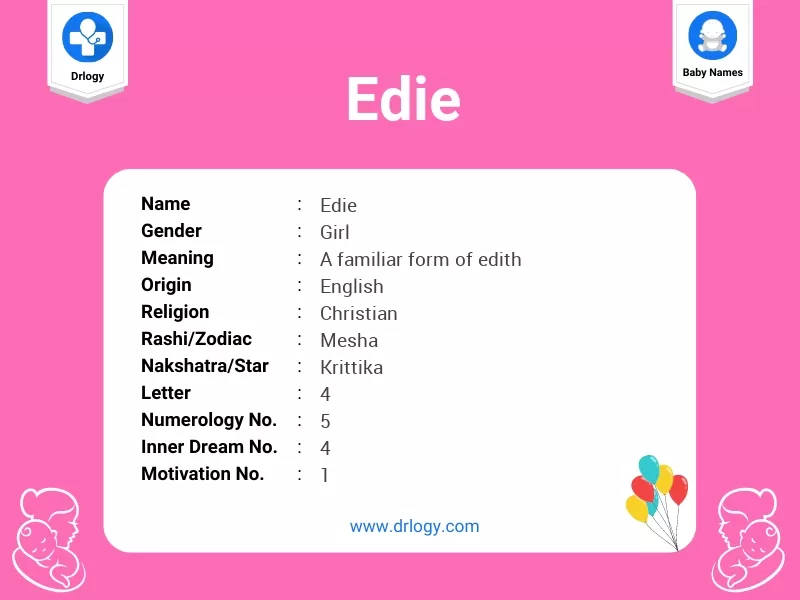
The name “Edie” carries a distinct set of cultural signals. Historically a diminutive of Edith, an Old English name meaning “prosperous in war” or “rich gift,” it has evolved in the modern consciousness to signify something entirely different. In the current market, “Edie” projects warmth, approachability, and a vintage charm that feels curated rather than corporate.
Phonetics and Consumer Perception
From a brand strategy perspective, the phonetics of a name—the “sound symbolism”—influence how a consumer perceives a company’s personality. “Edie” is a two-syllable word ending in an “ee” sound. In marketing, names that resolve with a high-frequency vowel sound often feel more friendly, accessible, and less intimidating than sharper, consonant-heavy names. This makes “Edie” an ideal choice for brands that want to position themselves as the “trusted friend” or the “boutique alternative” in a saturated market.
The Power of Short, Memorable Branding
In an age of shortened attention spans, the four-letter name is gold. It is easy to type, simple to design into a logo, and aesthetically balanced. When a brand adopts a name like “Edie,” it benefits from immediate recognizability. It avoids the convoluted alphabet soup of modern tech-startups that rely on misspelling words to secure a domain name. “Edie” suggests a brand that is confident enough in its identity not to need a gimmick.
Crafting a Personal Brand Around an Eponymous Identity
If you are considering using “Edie” as a personal brand—perhaps for a consultancy, a creative agency, or a professional portfolio—you are participating in a long tradition of eponymy. Eponymous brands rely on the founder’s identity to create a sense of accountability and authenticity.
Humanizing the Corporate Facade
In an era of automation and AI-driven content, humanizing a brand is a competitive advantage. Using a name like “Edie” immediately establishes a human touchpoint. Clients often feel more comfortable working with a “person” than a faceless entity. By branding under your own name or a stylized version of it, you invite the client into a relationship rather than a transaction.
Scaling Without Losing the Founder’s Essence
The challenge with naming a brand after yourself is the scalability paradox. How does a brand named “Edie” grow into a large-scale agency? The answer lies in shifting the identity from “I am Edie” to “Edie is a standard.” When you treat your brand as a container for a methodology rather than just a name for your personal efforts, you allow the entity to exist independently of your daily labor. This is the hallmark of successful personal branding: turning a name into a synonym for a specific quality of work.

Market Positioning and Cultural Contextualization
To understand what “Edie” means in a business context, one must look at how the name is positioned within the current competitive landscape. A name is only as strong as the reputation it builds, but the choice of name dictates the initial perception of your market tier.
The Boutique vs. Big Box Dichotomy
Brands named “Edie” are rarely positioned as mass-market, industrial-scale entities. Instead, the name leans toward the “boutique” sector. Whether it is in fashion, interior design, or premium consultancy, the name suggests bespoke service. If your business strategy involves high-touch, high-margin, and highly specialized services, “Edie” serves as an implicit promise to the customer that they will receive focused attention.
Avoiding Stale Stereotypes
The danger of choosing a name with historical weight, like “Edie,” is the risk of sounding outdated. To maintain a modern brand identity, the visual language—your typography, color palette, and digital presence—must work in opposition to the vintage feel of the name. A minimalist, sans-serif font paired with a clean, grid-based web design can modernize the name, creating a “New Traditionalist” aesthetic. This contrast is what keeps a brand feeling current while maintaining the warmth of a classic name.
Strategic Implementation of the Brand Name
Once the identity is set, the integration of that name into the broader marketing architecture determines its long-term viability. A name is a vessel; you must fill it with equity through consistent branding.
The Role of Verbal Identity
A brand name is not just an asset on a business card; it is the cornerstone of your verbal identity. Your marketing materials, social media captions, and email campaigns should reflect the tone implied by the name. If your brand is “Edie,” your voice should be articulate, warm, and intentional. Avoid the overly jargon-heavy language of large corporations; instead, lean into narrative-driven content. The name itself demands a story, so provide one.
Domain Strategy and Digital Asset Protection
In the digital economy, the meaning of a name is secondary to its accessibility. Before committing to “Edie” as your brand name, consider the digital footprint. Is the .com available, or can you obtain a variation that is still intuitive? A name is only as strong as its discoverability. If you are starting a new venture, “Edie” acts as a strong anchor for SEO, provided you pair it with descriptive keywords (e.g., “Edie Consulting,” “Edie Studio,” or “Edie Design”).
Conclusion: The Synthesis of Meaning and Strategy
Ultimately, “Edie” means what you decide it means through the lens of your business strategy. It is a blank canvas that carries enough inherent character to feel established, yet enough simplicity to be shaped by your specific mission. In the world of branding, we look for names that bridge the gap between being memorable and being meaningful.
“Edie” succeeds because it avoids the friction of complexity. It is easy to say, easy to write, and carries a weight of trustworthiness that is difficult to manufacture with abstract terminology. As you build your business, remember that your name is your first touchpoint. It is the initial promise you make to your audience about the kind of work they can expect. By choosing a name that balances tradition with modern agility, you ensure that your brand remains relevant, regardless of how the market shifts. Whether you are building a personal empire or a design-forward agency, the name you choose is the legacy you begin to write the moment you launch. Build it with intention, support it with quality, and your brand will define the name, rather than the name defining your limits.
aViewFromTheCave is a participant in the Amazon Services LLC Associates Program, an affiliate advertising program designed to provide a means for sites to earn advertising fees by advertising and linking to Amazon.com. Amazon, the Amazon logo, AmazonSupply, and the AmazonSupply logo are trademarks of Amazon.com, Inc. or its affiliates. As an Amazon Associate we earn affiliate commissions from qualifying purchases.