
In the hyper-competitive landscape of the modern market, professionals often conflate “personal branding” with mere aesthetics. They curate perfectly lit headshots, optimize LinkedIn bios with trending keywords, and participate in performative thought leadership. However, the most successful brands—both corporate and individual—are not built on the polish of a logo or the slickness of a tagline. They are built on character. Character is the bedrock of brand equity; it is the silent, structural integrity that dictates how a brand behaves when no one is watching and how it survives when the market turns volatile. Building character, in a branding sense, means cultivating a consistent, value-driven identity that becomes synonymous with reliability, ethics, and a distinct perspective.
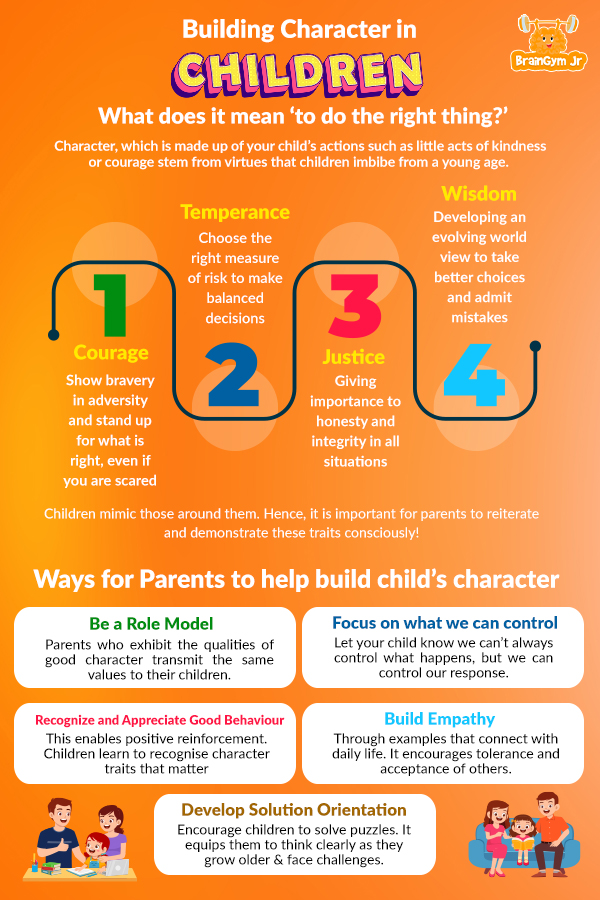
The Architecture of Brand Character
At its core, brand character is the internal compass that guides external expression. While a brand identity is how you look, brand character is who you are. It is the summation of your core values, your decision-making framework, and the non-negotiable standards you set for your interactions with the world.
Defining Your Core Pillars
Building character begins with radical self-awareness. For an individual or a company, this involves identifying the three to five fundamental values that will dictate every action. If your brand claims to be “customer-centric,” but your operational character prioritizes short-term profit over user support, your brand suffers from a credibility gap. True character exists at the intersection of what you say and what you do. It requires defining your non-negotiables: the lines you will not cross and the standards you will not compromise, regardless of the financial incentive.
The Role of Consistency and Reliability
Character is formed through repetition. Just as a human’s character is judged by their long-term habits rather than isolated incidents, a brand’s character is assessed by the consistency of its delivery. When you consistently show up with the same voice, the same commitment to quality, and the same ethical posture, you build “brand trust.” This trust is the most valuable currency in any market. It allows you to command premium pricing and foster deep loyalty because your audience knows exactly what to expect from you. If your brand character is erratic—shifting values based on current social trends or business expediency—you may gain temporary attention, but you will never gain a lasting legacy.
Moving Beyond Performance: Authenticity as Strategy
In an era of deepfakes and AI-generated content, authenticity has become a finite resource. Many brands fall into the trap of “performative branding,” where they adopt stances on social issues or adopt specific tones simply because the data suggests it will increase engagement. This is the antithesis of building character.
Integrity Under Pressure
The true test of brand character happens during a crisis. A brand that invests in character-building treats mistakes as opportunities to demonstrate their core values. When a product fails or a public relations hurdle arises, a high-character brand takes ownership, demonstrates transparency, and corrects the course without shifting blame. This is where most brands falter. They attempt to spin narratives to save face, sacrificing their long-term integrity for short-term narrative control. Authentic brands recognize that the public is adept at sniffing out dissonance. By maintaining a posture of integrity when it is inconvenient, you transform potential brand damage into a demonstration of unwavering character.

The Power of Dissent
Building character also means having the courage to hold a position that may not be popular. A brand that tries to appeal to everyone inevitably ends up standing for nothing. To have a strong character, you must be willing to alienate segments of the market that do not align with your core philosophy. This is a critical branding strategy. By defining who you are not, you clarify exactly who you are. This selective approach creates a much deeper, more fervent connection with your core audience. They aren’t just buying a product or service; they are aligning themselves with a worldview that you represent.
Cultivating Character in the Digital Age
Digital platforms have made it easier to broadcast a brand, but they have also made it harder to maintain a genuine character. The speed of the internet encourages reactionary behavior, where brands feel pressured to comment on every event or trend. Building character in this environment requires the discipline of silence and the intentionality of contribution.
Curating a Value-Driven Narrative
Your digital footprint should be an extension of your character, not a separate, fabricated entity. This means prioritizing high-quality, long-form substance over viral, low-effort engagement. When you build your brand character through deep thought, research, and expertise, you signal to your audience that your brand is built to endure. Your content strategy should reflect your pillars. If your brand represents precision and reliability, your digital presence should be polished, fact-checked, and devoid of the clickbait-heavy tactics that dilute brand authority.
Developing Emotional Intelligence
Brand character is intrinsically linked to empathy. The best brands possess the emotional intelligence to understand the friction points in their customers’ lives. They don’t just sell; they serve. Building character involves shifting the focus from “How can I sell more?” to “How can I demonstrate my values through the problems I solve?” This perspective shift turns your brand from a vendor into a partner. This emotional connection is the ultimate moat against competition. Products can be copied, and pricing can be undercut, but a deep, character-driven relationship with an audience is nearly impossible to replicate.
Measuring the Return on Character
There is a common misconception that investing in character is an idealistic, “soft” pursuit that distracts from the bottom line. In reality, building character is a high-level business strategy that yields quantifiable results over time.
Longevity and Market Resilience
Markets are cyclical, and trends are ephemeral. Brands that are built on character-led strategies are inherently more resilient. During economic downturns, consumers tend to retreat toward brands they trust. When you have invested years in building a reputation for excellence, honesty, and principled behavior, your brand becomes a “safe harbor.” You retain more customers, experience lower churn rates, and see a higher lifetime value per client because the relationship is built on something more substantive than the latest feature or discount.
Creating Brand Ambassadors
When your brand has a clear, strong character, your customers become your advocates. People naturally want to align themselves with things that reflect their own self-image and values. If you provide a product or service that stands for something, your clients will champion your brand not because they were incentivized to do so, but because your brand’s character reflects their own. This organic, word-of-mouth growth is the most efficient and powerful form of marketing available. It is the result of a brand that has stopped chasing attention and started building a reputation that precedes it.
Building character is a lifelong project. It requires the humility to learn, the discipline to remain consistent, and the courage to act with integrity even when it is difficult. It is not something you achieve and then set aside; it is the ongoing commitment to align your brand’s internal identity with every external touchpoint. When you prioritize character, you stop competing for space in a crowded market and start defining your own category. You move from being a commodity to being a standard. In a world saturated with noise, that is the most sustainable and profitable strategy you can pursue.
aViewFromTheCave is a participant in the Amazon Services LLC Associates Program, an affiliate advertising program designed to provide a means for sites to earn advertising fees by advertising and linking to Amazon.com. Amazon, the Amazon logo, AmazonSupply, and the AmazonSupply logo are trademarks of Amazon.com, Inc. or its affiliates. As an Amazon Associate we earn affiliate commissions from qualifying purchases.