
The concept of being “saved” occupies the central narrative arc of the entire biblical canon. For those navigating the complexities of personal finance, understanding the theological underpinnings of salvation offers a unique framework for evaluating legacy, stewardship, and the ultimate value of human endeavor. In the financial world, we often talk about “saving” for the future—a prudent practice of accumulating resources to hedge against uncertainty. In the biblical context, salvation represents the ultimate hedge: an eternal security that transcends the volatility of markets and the limitations of material wealth.
The Theological Ledger: Defining the Debt and the Asset
At its core, the biblical narrative establishes a baseline for human existence that mirrors a financial liability. Romans 3:23 states that “all have sinned and fall short of the glory of God.” In this sense, sin is portrayed as a debt—a deficit between human action and divine perfection that cannot be repaid through personal effort or human “income.”
The Cost of Redemption
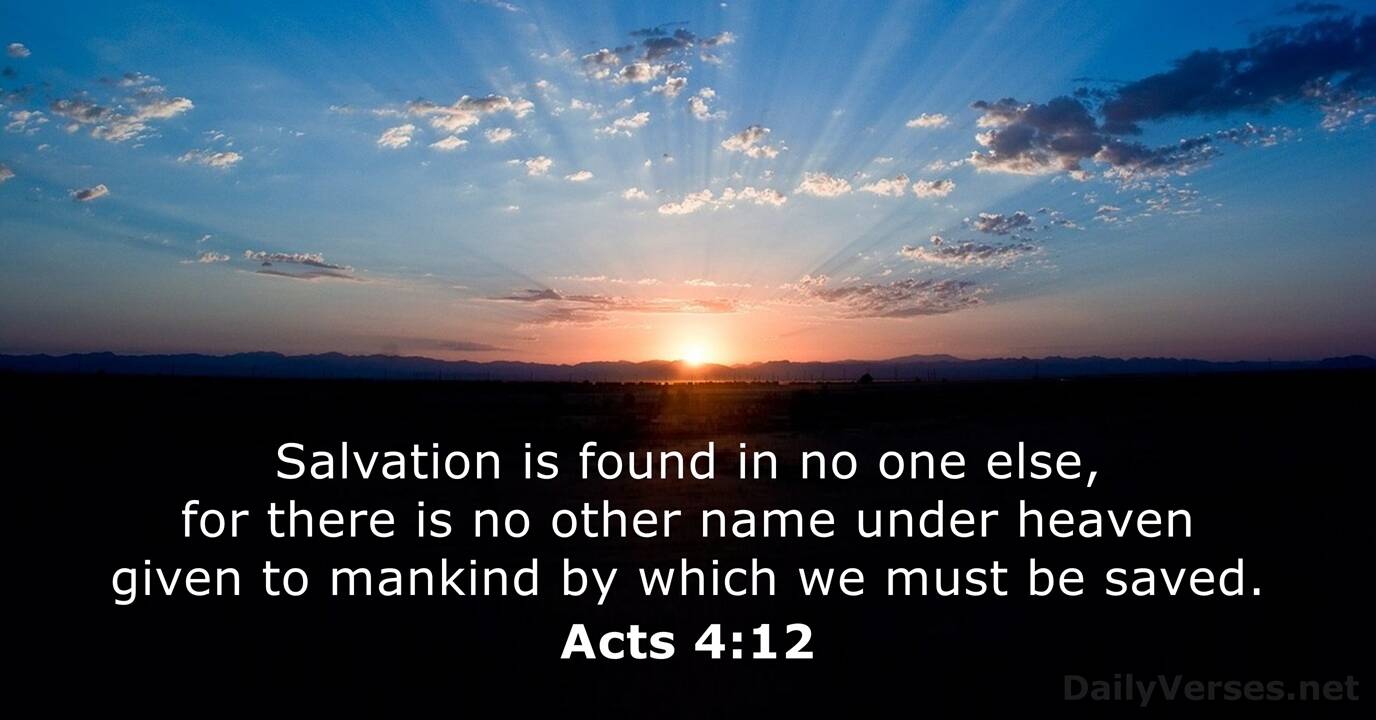
In financial terms, if human effort is insufficient to cover the debt, a third party must intervene. The Bible identifies this intervention through the concept of grace. Ephesians 2:8-9 clarifies this exchange: “For it is by grace you have been saved, through faith—and this is not from yourselves, it is the gift of God—not by works, so that no one can boast.”
This creates a distinct paradigm shift for the individual. If salvation were a commercial transaction, it would imply a “merit-based” system where those with the most “moral capital” earn the highest return. Instead, the biblical model asserts that salvation is a non-transferable asset provided by the Creator, bypassing the traditional ROI metrics of human achievement.
Stewardship as a Result, Not a Payment
Once the “debt” is reconciled, the biblical perspective shifts from debt-management to stewardship. Just as an investor manages an endowment, the saved individual is called to manage their earthly resources—time, talent, and finances—as a reflection of gratitude. The transformation is not about buying entry into the future, but about managing current assets in alignment with the values of the benefactor.
The Market of Faith: Why Works Cannot Buy Salvation
In any competitive economy, “works” are the currency used to purchase status or reward. The Bible explicitly rejects this in the context of salvation. This is a critical distinction for professionals accustomed to a performance-based culture. In the corporate or investment world, output dictates outcome. In the economy of salvation, the outcome (redemption) is already established, and the “output” of good works becomes a byproduct of that security.
The Problem of Human Insolvency
If salvation could be earned, it would be vulnerable to the same risks as any other investment. If your standing with God depended on your “good deeds” ledger, any market downturn in your moral behavior would lead to bankruptcy. By making salvation a gift, the biblical narrative moves the asset into a secure, immutable trust. This eliminates the “fear of loss” that often drives anxiety in both financial and spiritual life.
The Role of Faith as the Currency of Exchange
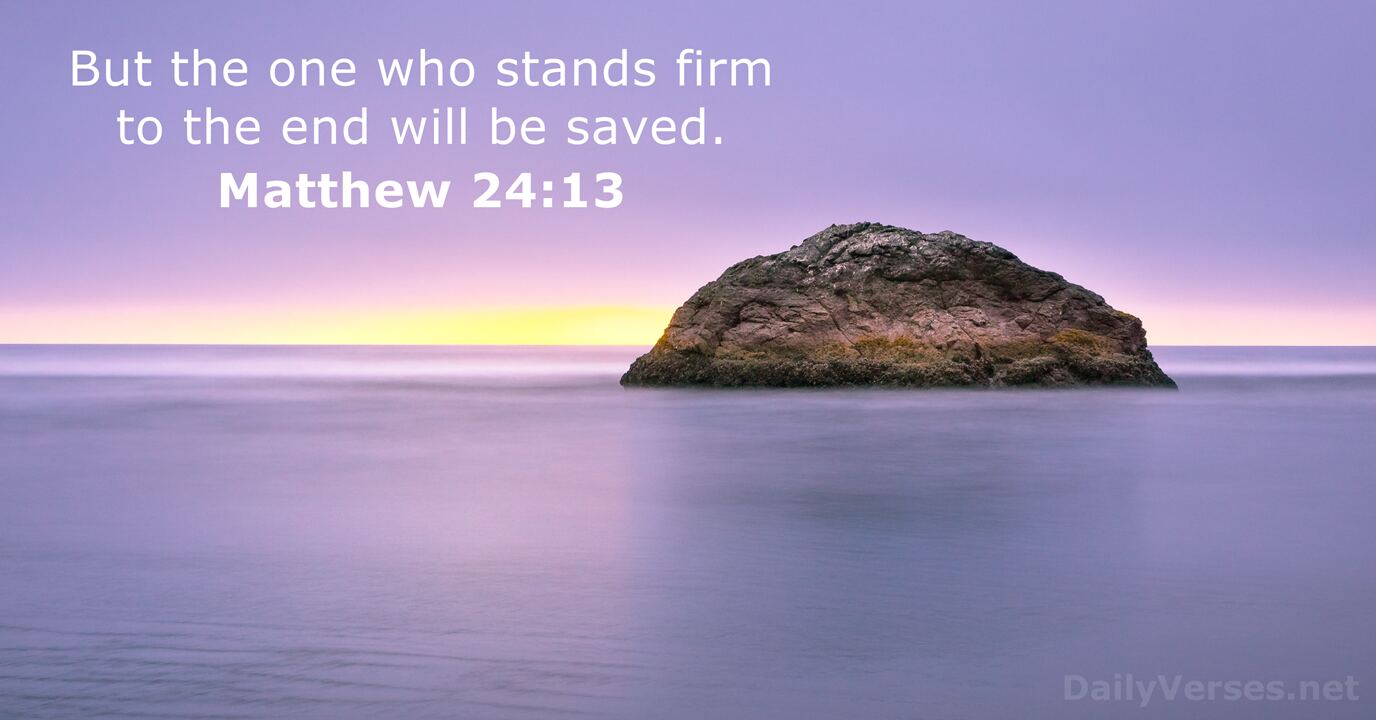
If works are not the currency, what is? The Bible points to faith. Faith is described in Hebrews 11:1 as the “substance of things hoped for, the evidence of things not seen.” In this framework, faith is the willingness to entrust one’s existence to the promises of the divine entity. Just as a venture capitalist places funds into a startup based on the credibility of the founder and the viability of the vision, the individual places their trust in the integrity of the divine ledger.
Hedging Against Eternal Volatility
Financial planners are constantly teaching the necessity of risk management. We look for assets that are non-correlated, stable, and immune to systemic collapse. The Bible presents “salvation” as the ultimate non-correlated asset. While earthly economies fluctuate based on inflation, geopolitical instability, and human error, the promise of salvation is presented as a fixed asset in an eternal portfolio.
Understanding Eternal ROI
When we evaluate the “Return on Investment” of a life, we are usually looking at net worth, legacy, or career trajectory. The Bible proposes an entirely different valuation model. Jesus asks in Mark 8:36, “What good is it for someone to gain the whole world, yet forfeit their soul?”
This is not a condemnation of wealth, but a call for accurate asset allocation. If one’s soul is the most valuable asset, then prioritizing spiritual security over short-term temporal gains is the most rational long-term strategy. It suggests that even if one achieves significant success in the “market” of their industry, the loss of the eternal asset renders the total portfolio negative.
The Security of the Inheritance
The biblical concept of salvation includes the promise of an inheritance that is “imperishable, undefiled, and unfading” (1 Peter 1:4). Unlike physical assets, which are subject to theft, decay, or economic devaluation, this “salvation portfolio” is designed to survive the ultimate market crash—the end of the physical life. For the individual who views their life as a portfolio, this provides a profound sense of stability that allows for greater courage and risk-taking in their ethical, professional, and personal pursuits.
Integrating Spiritual Strategy into Daily Management
How does one apply the biblical concept of being “saved” to the day-to-day operations of an active, modern life? It begins with a shift in fiduciary responsibility. If the “greatest asset” is already secured by grace, the pressure to derive one’s total identity from financial performance dissipates.
Diversifying the Impact
When an individual is secure in their salvation, they are freed from the “scarcity mindset.” In finance, scarcity drives competition, hoarding, and fear. In a post-salvation framework, the individual is empowered to practice generosity. If the eternal debt is settled, the current wealth becomes a tool for community development and philanthropic investment. This leads to a lifestyle where the primary objective is not personal accumulation, but the maximization of positive impact.
Risk Management and Ethical Integrity
Being “saved” carries with it a code of conduct. If one is an ambassador for a higher power, then every professional decision—every contract signed, every employee managed, every investment made—is a reflection of that allegiance. This provides a clear, uncompromising framework for ethical decision-making. When faced with a choice between a profitable but unethical “short” and an unprofitable but moral “long,” the saved individual understands that their reputation is not merely a professional asset, but a spiritual one.

The Final Audit
Ultimately, the Bible frames life as a finite project with an inevitable final audit. The “what does the Bible say about being saved” question is essentially an inquiry into the nature of that final audit. By establishing that salvation is a gift of grace rather than a tally of human achievement, the Bible invites the individual to live with a sense of liberated purpose.
The successful investor knows that the goal is not to hoard wealth in a volatile account, but to deploy it strategically to achieve the mission. Similarly, the person who understands the biblical concept of salvation stops trying to “buy” their way into the future and starts investing their remaining time and resources into the things that hold lasting, eternal value. This is the ultimate hedge, the most secure investment, and the core purpose of a life well-managed.
aViewFromTheCave is a participant in the Amazon Services LLC Associates Program, an affiliate advertising program designed to provide a means for sites to earn advertising fees by advertising and linking to Amazon.com. Amazon, the Amazon logo, AmazonSupply, and the AmazonSupply logo are trademarks of Amazon.com, Inc. or its affiliates. As an Amazon Associate we earn affiliate commissions from qualifying purchases.