
In the competitive landscape of global branding, language is more than just a means of communication; it is a strategic asset. Italian terms, in particular, hold a unique cachet in the marketplace, often associated with luxury, heritage, and uncompromising quality. Among these, “bellissimo” stands as one of the most recognized superlatives. Understanding the nuance of this word—and, more importantly, how to leverage its linguistic power—is essential for brand strategists, marketers, and designers looking to elevate their identity in an increasingly crowded digital economy.
The Linguistic Foundations of Premium Branding
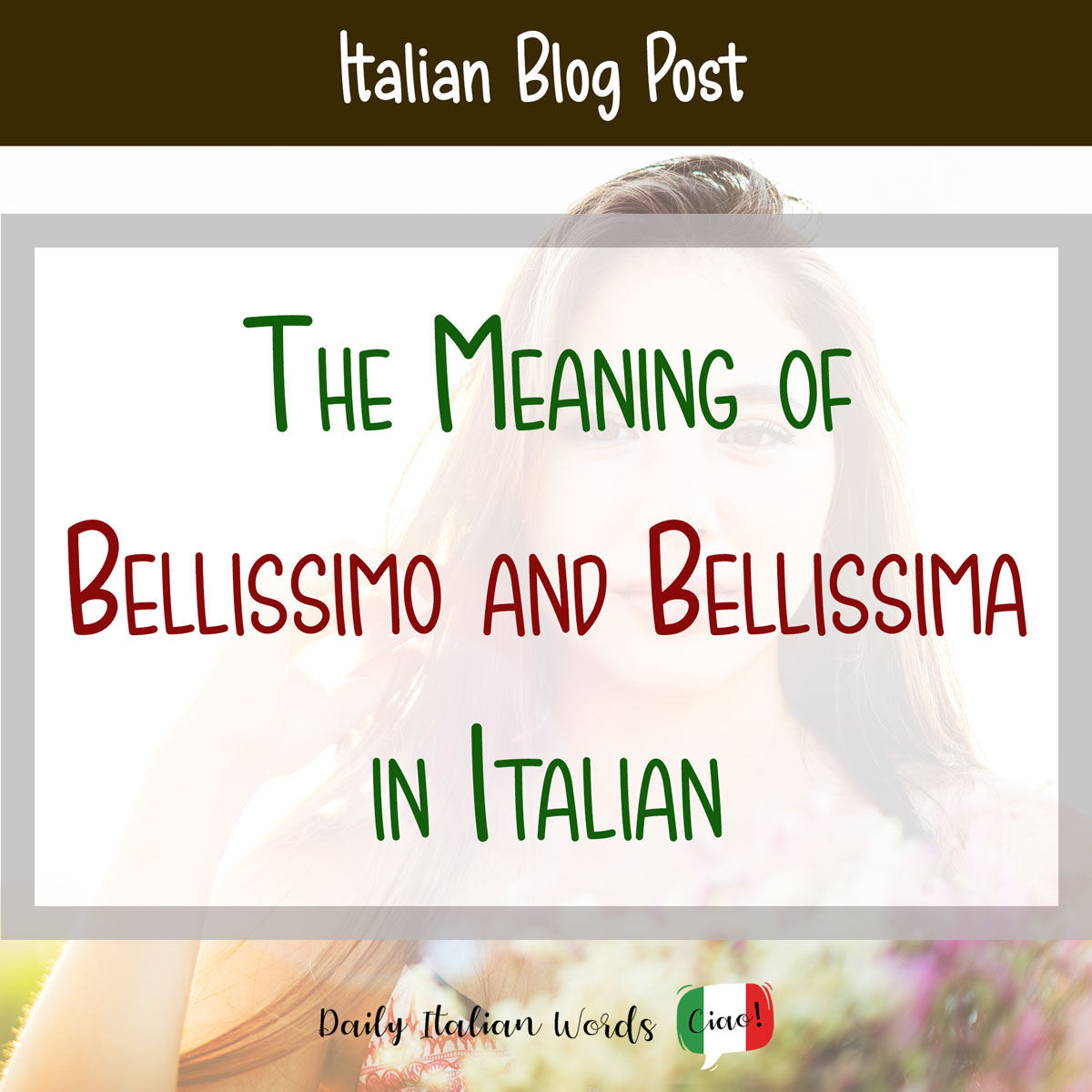
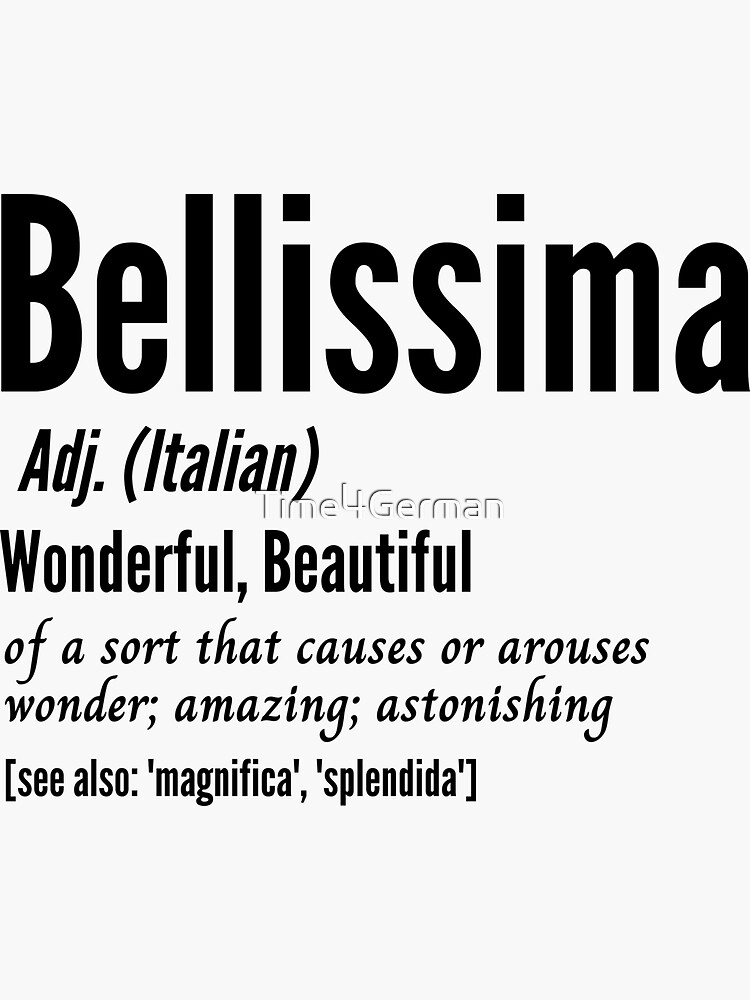
At its core, “bellissimo” is the superlative form of the Italian adjective “bello,” meaning beautiful. While “bello” serves as a standard descriptor, the addition of the “-issimo” suffix transforms the term into an absolute. It does not merely mean “very beautiful”; it implies a level of excellence that is superlative, bordering on the sublime. In a branding context, this shift from the comparative to the absolute is a potent psychological trigger.
The Psychology of Superlatives in Marketing
Consumers are bombarded with thousands of marketing messages daily. To capture attention, brands must move beyond functional descriptors. When a brand adopts a term like “bellissimo,” it signals a departure from the mundane. It suggests that the product or service is not just an iteration of an existing idea but a pinnacle of design. This creates an immediate emotional connection, positioning the brand within the luxury tier even if the product itself is relatively accessible.
Positioning Through Linguistic Heritage
Italy has successfully branded itself as a synonym for quality, art, and “la dolce vita.” Using Italian terminology allows a brand to inherit these cultural associations without needing a century of history. When a brand uses “bellissimo,” it creates an atmosphere of sophistication. It tells the consumer that the brand values aesthetics, craftsmanship, and the finer details—the very tenets of premium brand strategy.
Strategic Application of “Bellissimo” in Visual Design
The intersection of language and visual design is where a brand’s identity truly crystallizes. If your brand promises a “bellissimo” experience, the design must reflect that promise with surgical precision. Linguistic choices without visual alignment lead to cognitive dissonance, which can erode consumer trust.
Establishing Aesthetic Standards
If “bellissimo” is the anchor of your messaging, your visual identity must operate within the parameters of beauty. This involves a commitment to high-resolution imagery, balanced typography, and a cohesive color palette. In design theory, this is the translation of a superlative adjective into a visual language. Minimalism often works best here; the word itself is grand, so the design should provide the space for that grandeur to breathe.
Typography and the “Italian” Aesthetic
The font choices used in conjunction with Italian terminology are crucial. Brands that lean into the “bellissimo” narrative often gravitate toward classical serifs that evoke the history of Italian printing, or ultra-modern, clean sans-serifs that imply the future of Italian industrial design. By pairing the right word with the right font, a brand can subconsciously dictate how the consumer perceives the price point and the quality of the offering before they have even read the full copy.
Integrating “Bellissimo” into Brand Storytelling

Storytelling is the bridge between a static brand identity and a loyal customer base. “Bellissimo” serves as a narrative device that frames the customer’s interaction with the brand as a transformative experience.
Moving from Transactional to Experiential
Too many brands focus their marketing solely on what the product does. A “bellissimo” strategy shifts the focus to how the product feels. Whether you are selling home goods, software interfaces, or high-end apparel, the narrative should focus on the “peak” of the user experience. By framing your solution as the most beautiful iteration of its kind, you change the customer’s perception from seeking a functional utility to desiring an aesthetic enhancement to their life.
The Role of Exclusivity and Aspiration
The suffix “-issimo” inherently denotes an extreme. In brand strategy, this is a tool for creating aspirational value. When a brand markets a service as “bellissimo,” it frames the offering as a rare find. It taps into the human desire for exclusivity. Even if the brand is mass-market, using high-value language suggests that the brand is curated. This is a common tactic in high-end retail, where the goal is to make the act of consumption feel like an act of participation in a more beautiful world.
Mitigating Risks: Authenticity vs. Appropriation
While the use of Italian terminology can provide a significant boost to brand equity, it is not without risks. In the modern globalized market, consumers are more discerning than ever. Appropriation without substance can lead to accusations of “brand washing,” where the aesthetic veneer is disconnected from the actual quality of the product.
Ensuring Substance Matches Style
If you label a product “bellissimo” but deliver a mediocre customer experience, you create a point of friction that is difficult to recover from. The term creates a high expectation. If the product fails to meet that expectation, the branding backfires, turning a positive descriptor into a tool for ridicule or disappointment. Before adopting such a strong superlative, a brand must ensure that its internal operations—from quality control to customer service—are designed to support that claim.
Cultural Context and Global Sensitivity
When expanding into international markets, it is vital to test how terms like “bellissimo” are perceived. While it is widely understood as a positive term, different cultures have different relationships with Italian influence. In some markets, it is seen as the height of luxury; in others, it might be viewed as a cliché. A successful brand strategy involves localization—understanding when to lean into the Italian heritage of a word and when to allow the product to speak for itself.
Future-Proofing Brand Language
The future of brand strategy lies in the intersection of traditional linguistics and digital behavior. As AI-driven search and social media algorithms become the primary gatekeepers of brand discovery, the words used to describe your brand matter more than ever.
Keyword Strategy and the “Premium” Effect
In SEO, “bellissimo” serves as a niche differentiator. While millions of businesses compete for words like “best” or “excellent,” the use of international superlatives can capture a more sophisticated, design-conscious audience. It creates a brand identity that stands out in the “sea of sameness” that often characterizes digital search results.
The Evolution of the Digital “Beautiful”
As we move toward more immersive digital environments, such as augmented reality and virtual brand spaces, the definition of “bellissimo” will evolve. It will no longer just refer to physical beauty, but to digital grace, fluidity in user experience, and the aesthetic integrity of virtual environments. Brands that define these standards today—those that treat their software, their platforms, and their interfaces as “bellissimo”—will be the ones that set the standard for the next generation of consumers.
Ultimately, the word “bellissimo” is more than a translation of beauty; it is a declaration of intent. It is a commitment to the superlative, a rejection of the average, and a strategic choice to align a brand with the timeless, evocative power of Italian craftsmanship. When used correctly—with substance, visual coherence, and authentic purpose—it becomes a cornerstone of a brand strategy that does not just communicate value but inspires it.
aViewFromTheCave is a participant in the Amazon Services LLC Associates Program, an affiliate advertising program designed to provide a means for sites to earn advertising fees by advertising and linking to Amazon.com. Amazon, the Amazon logo, AmazonSupply, and the AmazonSupply logo are trademarks of Amazon.com, Inc. or its affiliates. As an Amazon Associate we earn affiliate commissions from qualifying purchases.