
The dietary habits of mud turtles are a fascinating subject for anyone interested in the intersection of biological diversity and sustainable habitat management. Within the realm of specialized pet care and wildlife conservation, understanding the nutritional requirements of these reptiles is essential. While mud turtles are often categorized as generalist scavengers, their dietary intake plays a critical role in their growth, metabolic health, and long-term viability in both captive and wild environments. By analyzing the nutritional profile required to sustain these turtles, enthusiasts and researchers alike can better understand the delicate balance of aquatic ecosystems.
The Omnivorous Nature of Mud Turtles
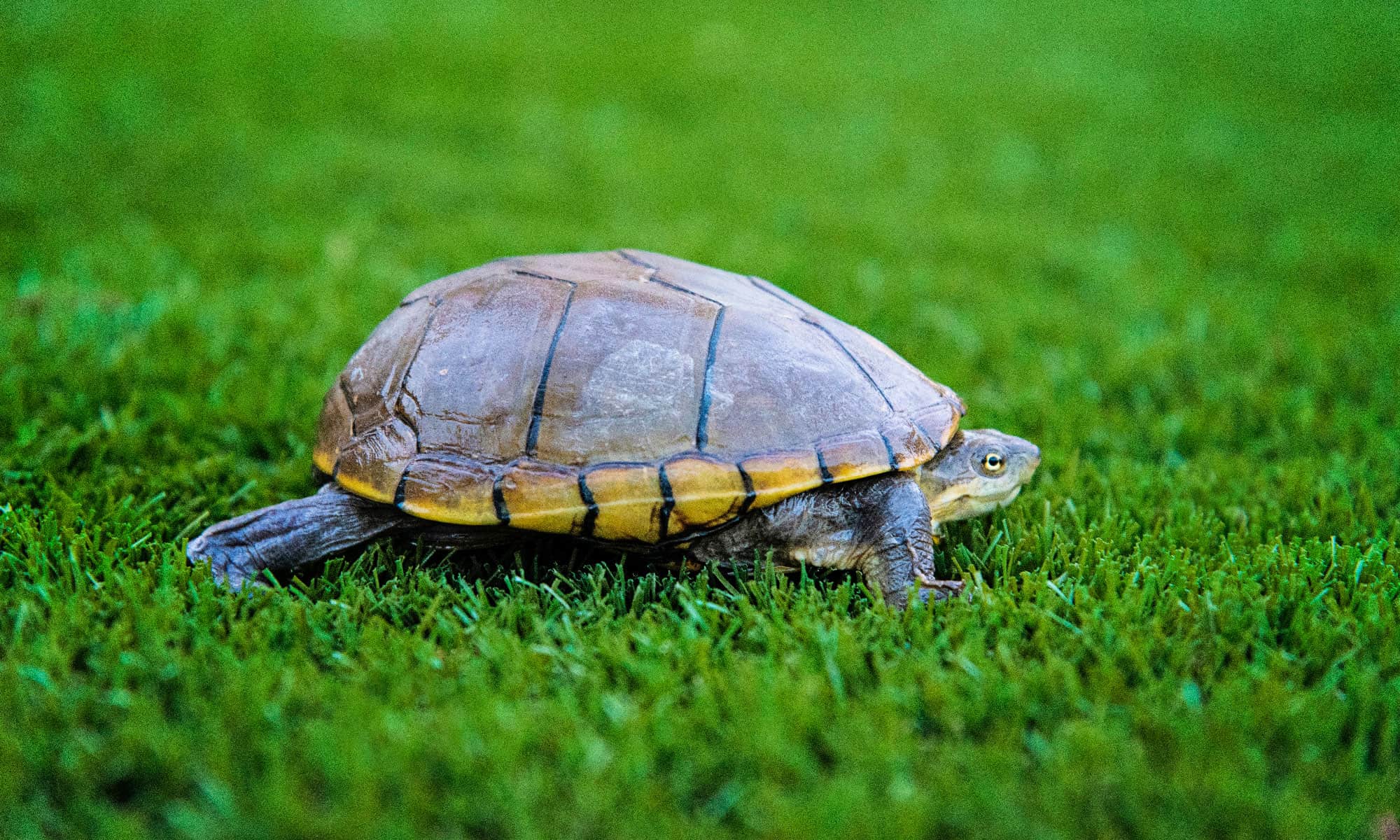
Mud turtles, belonging to the family Kinosternidae, are quintessential opportunists. Their dietary behavior is driven by the necessity to capitalize on whatever food sources are available within their localized, murky-water habitats. Unlike specialized feeders that rely on a single food source, mud turtles function as nature’s clean-up crew, consuming both vegetative and protein-rich matter.
Protein-Rich Invertebrates
The primary protein source for a mud turtle consists of aquatic invertebrates. In the wild, these turtles spend a significant portion of their time foraging along the muddy substrates of ponds, marshes, and slow-moving streams. Their diet frequently includes snails, small crustaceans, aquatic insects, and larvae. For those managing the health of these turtles in controlled environments, providing a high-protein diet that mimics these natural prey items is vital. The calcium provided by the shells of snails and small mollusks is particularly beneficial, as it supports the development of the turtle’s own carapace and plastron.
Vegetative Matter and Aquatic Vegetation
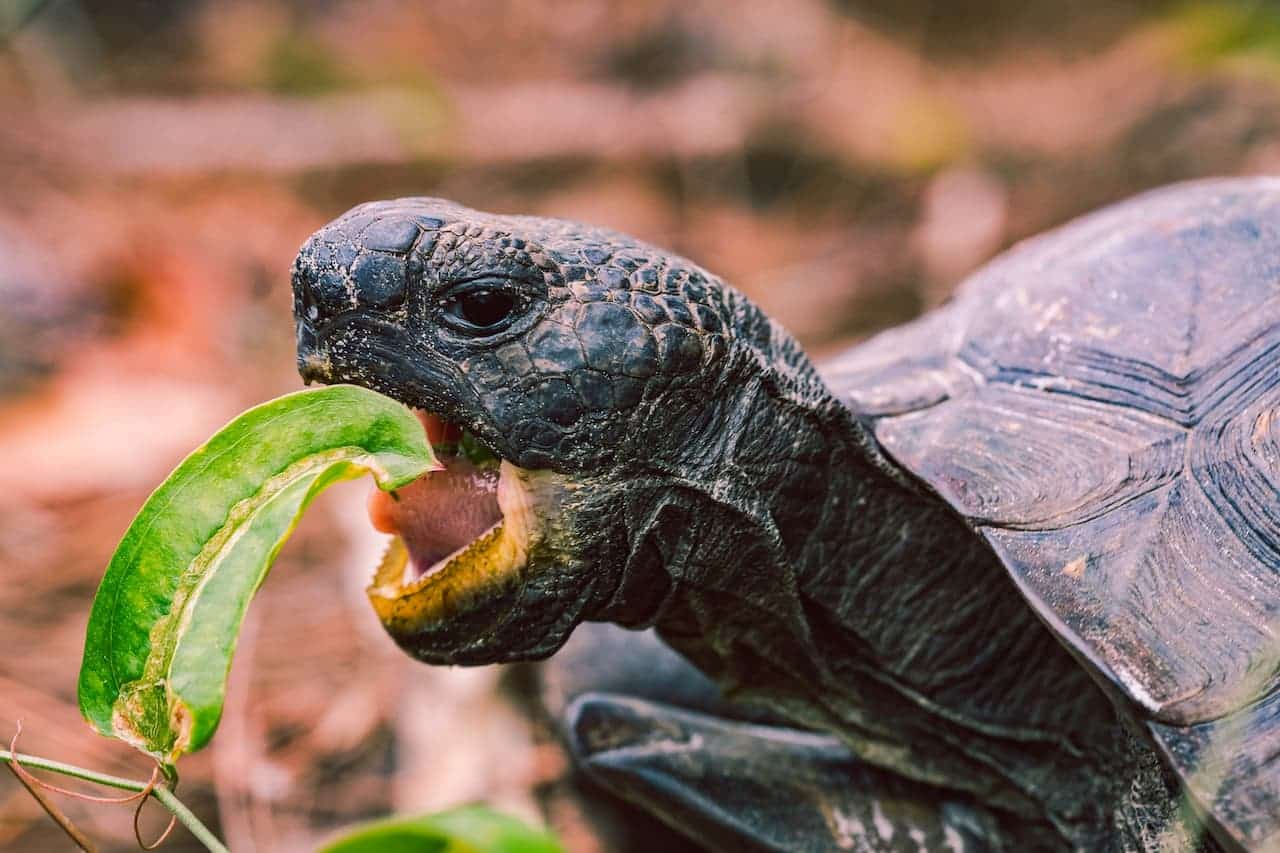
While protein is essential for growth, mud turtles also require plant-based nutrients. They are known to graze on various types of aquatic vegetation, including duckweed, water hyacinths, and algae. This vegetative intake provides necessary fiber and vitamins that assist in digestion and overall metabolic function. In a captive setting, failure to incorporate plant material can lead to deficiencies. Professionals in the field of reptile husbandry emphasize that a balanced diet—one that mirrors the diversity of their natural foraging grounds—is the key to preventing common nutritional disorders.
Nutritional Requirements and Metabolic Efficiency
The metabolic rate of a mud turtle is significantly influenced by water temperature and environmental conditions. Because they are ectothermic, their digestion is entirely dependent on external heat. Consequently, their nutritional needs fluctuate throughout the year, peaking during the warmer months when activity levels are high and tapering off as the turtles prepare for brumation (the reptilian equivalent of hibernation).
The Role of Calcium and Phosphorus
A critical aspect of mud turtle nutrition is the ratio of calcium to phosphorus. Because these turtles spend their lives in aquatic environments, their shell health is a primary indicator of nutritional status. A diet lacking in proper calcium levels can lead to metabolic bone disease, a condition where the shell becomes soft or deformed. To mitigate this risk, successful feeding strategies involve rotating food sources to ensure that the mineral content remains optimal. Many practitioners suggest supplemental cuttlebone or calcium-enriched commercial pellets to ensure that the turtles receive the necessary trace minerals that might be absent in a simplified diet.
Seasonal Fluctuations in Appetite
Understanding the seasonal hunger cycles of mud turtles is vital for maintaining their long-term health. During the spring and summer, mud turtles are highly active and require frequent, protein-dense meals to fuel their rapid metabolism. As the water temperature drops, their digestive process slows down significantly. Experienced turtle keepers monitor these environmental cues, adjusting feeding schedules to prevent the accumulation of uneaten food, which can rapidly degrade water quality—a common issue in small-scale aquatic habitats.
Best Practices for Feeding in Controlled Environments
Maintaining the health of mud turtles in a private collection or research facility requires a structured approach to diet. Unlike wild turtles, which have access to a vast array of naturally occurring organisms, captive turtles are entirely dependent on their human handlers to replicate the complexity of their natural diet.
The Integration of Commercial and Natural Foods
The modern standard for feeding mud turtles involves a combination of high-quality, commercially formulated aquatic turtle pellets and supplemental fresh food. Commercial pellets are designed to provide a “baseline” of nutrition, often fortified with essential vitamins and minerals. However, relying exclusively on pellets is discouraged. To provide the sensory enrichment and diverse nutritional profile these turtles require, the commercial base should be augmented with:
- Live Feeders: Earthworms, crickets, and small feeder fish offer protein and mental stimulation.
- Fresh Greens: Collard greens, dandelion greens, and chopped aquatic plants provide the necessary roughage.
- Occasional Treats: Small pieces of cooked, unsalted lean meat or berries can be provided sparingly, though these should not constitute a large portion of the diet.
Water Quality and Waste Management
It is impossible to discuss the diet of a mud turtle without addressing the logistical reality of feeding them: they are notoriously messy eaters. Because mud turtles inhabit murky water, they have adapted to tearing apart food, which often results in organic debris floating in the tank. To manage this, professionals recommend a disciplined approach to feeding—such as moving the turtle to a separate “feeding container” during mealtimes. This technique prevents uneaten food from rotting in the main enclosure, thereby reducing nitrate spikes and protecting the turtle from bacterial infections. This practice is a staple of responsible husbandry, ensuring that the act of feeding does not compromise the hygiene of the habitat.
Long-term Health and Dietary Monitoring
Observing the long-term impact of diet on mud turtles provides insights into their longevity and resilience. A well-fed mud turtle exhibits bright eyes, a smooth, hard shell, and consistent growth patterns. Conversely, signs of poor dietary management often manifest subtly at first, through lethargy or slight discoloration of the scutes.
Detecting and Preventing Nutritional Deficiencies
In cases where a mud turtle’s diet has been overly restrictive, signs of Vitamin A deficiency—such as swollen eyelids—may appear. Addressing this requires a swift re-evaluation of the nutritional intake. Incorporating foods rich in beta-carotene, such as pumpkin or carrots, can often help restore balance. Moreover, regular check-ups with a specialized veterinarian ensure that any subtle changes in weight or shell density are caught early. The goal is always proactive care: providing a diet that prevents illness before it begins.

The Importance of Variety
The most successful practitioners in this field adhere to the principle of “dietary rotation.” By never feeding the exact same thing two days in a row, the keeper mimics the unpredictability of the wild. This keeps the turtle engaged and ensures that any minor deficiencies in one food item are compensated for by the strengths of another. Whether it is adding a handful of aquatic plants on Monday, offering live insects on Wednesday, or providing a high-grade pellet on Friday, the variety is what ultimately drives the health and vitality of the mud turtle. Through this systematic yet flexible approach, one can support these resilient creatures throughout their long, often multi-decade lifespans.
aViewFromTheCave is a participant in the Amazon Services LLC Associates Program, an affiliate advertising program designed to provide a means for sites to earn advertising fees by advertising and linking to Amazon.com. Amazon, the Amazon logo, AmazonSupply, and the AmazonSupply logo are trademarks of Amazon.com, Inc. or its affiliates. As an Amazon Associate we earn affiliate commissions from qualifying purchases.