
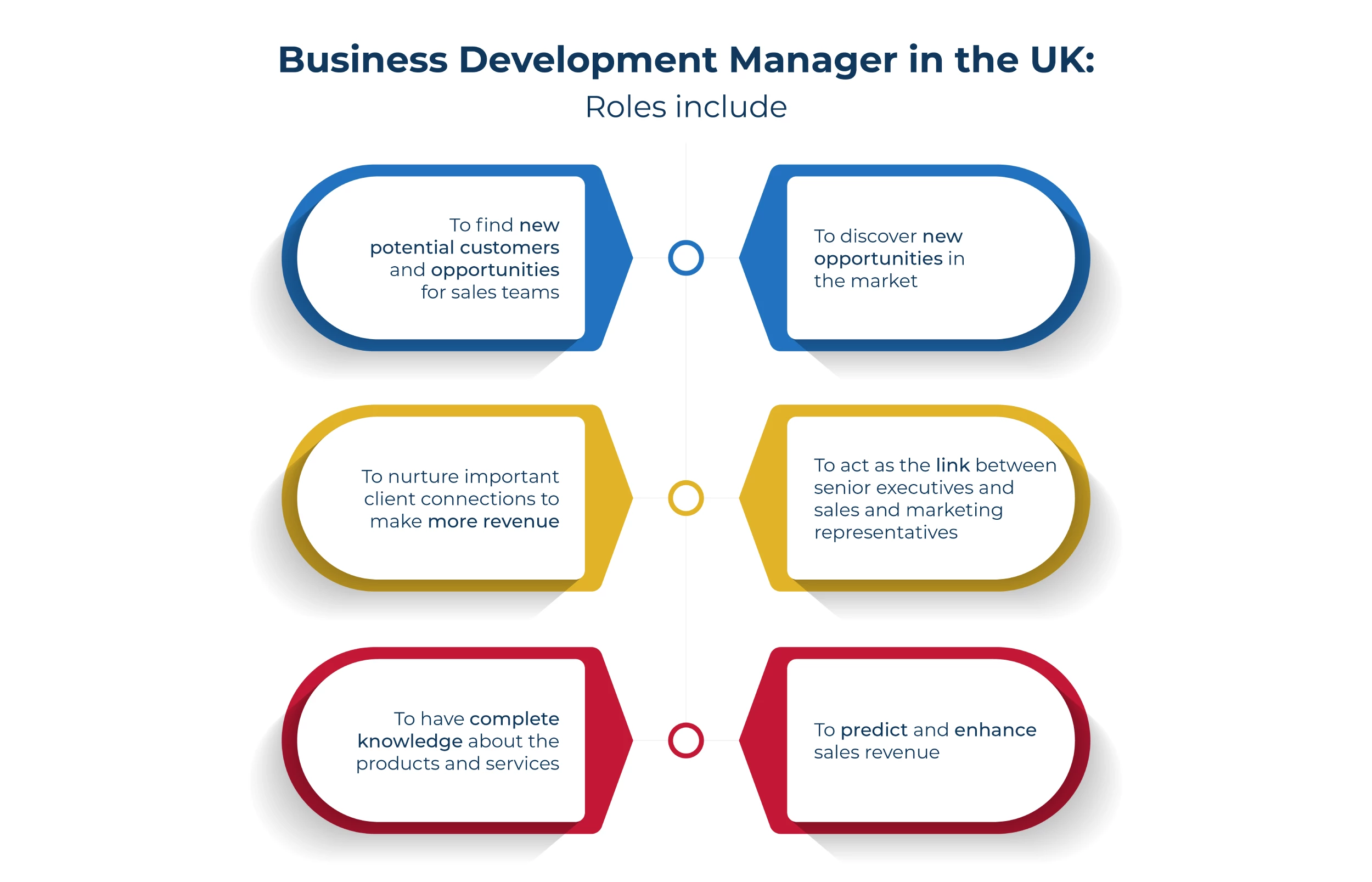
In the modern corporate landscape, the role of a Business Development Manager (BDM) is often misunderstood. Many assume it is merely a high-level sales position, but that perspective ignores the strategic complexity that defines the role. A BDM serves as the vital bridge between a company’s product offerings and the untapped market potential that will drive long-term growth. They are the architects of corporate expansion, responsible for identifying new opportunities, nurturing strategic partnerships, and ensuring that the brand’s value proposition aligns with evolving market demands.
While a salesperson focuses on closing a specific deal, a BDM focuses on the ecosystem in which those deals exist. They look at the “big picture”—analyzing market trends, evaluating competitors, and identifying gaps that the organization can fill. This article dissects the multi-faceted nature of the BDM role, exploring how it serves as a cornerstone of modern brand strategy and sustainable growth.

The Strategic Core of Business Development
At its heart, business development is about value creation. A BDM is not just chasing revenue; they are architecting the pathways that lead to future profitability. This involves a deep understanding of corporate identity and the ability to articulate that identity to high-level stakeholders.
Identifying Market Opportunities
The primary function of a BDM is market intelligence. They spend a significant portion of their time analyzing industry reports, monitoring competitor movements, and tracking shifts in consumer behavior. By synthesizing this data, they identify “blue ocean” opportunities—market segments where the competition is thin or nonexistent.
Once an opportunity is identified, the BDM must vet it against the company’s internal capabilities. They act as an internal consultant, evaluating whether the organization has the resources, technical expertise, and brand authority to enter a new vertical. This gatekeeping function is essential to prevent “feature creep” or brand dilution, ensuring that expansion efforts remain aligned with the core business mission.
Aligning Strategy with Brand Identity
A BDM must be a custodian of the brand. Every partnership pursued and every contract negotiated must reflect the company’s corporate identity. If a company positions itself as a premium, high-touch service provider, a BDM would be remiss to pursue high-volume, low-margin partnerships that erode the brand’s prestige.
The BDM acts as the translator between external market demands and internal brand integrity. They ensure that when the company enters a new market, it does so in a way that reinforces its reputation rather than contradicting it. This requires constant communication with the marketing and product teams to ensure that the “story” being told in the boardroom matches the product delivered to the end-user.
Relationship Management and Strategic Partnerships
A BDM’s greatest asset is their network. Unlike traditional sales, where the relationship often ends at the point of sale, business development is centered on long-term, mutually beneficial alliances. These partnerships can take many forms, including channel partnerships, joint ventures, and strategic integrations.
The Art of High-Level Networking
Building a network at the executive level is non-negotiable for a successful BDM. They must be capable of navigating C-suite hierarchies, identifying key decision-makers, and initiating conversations that transcend transactional interests. This requires a high degree of emotional intelligence and the ability to listen more than they speak.
When approaching a potential partner, a BDM focuses on the “value exchange.” They must answer the question: How does partnering with us make your brand stronger? This requires a deep understanding of the partner’s own strategic goals. By positioning the company as a solution to the partner’s pain points, the BDM builds relationships that are built on synergy rather than cold-calling persistence.
Managing Long-Term Alliances
Once a partnership is established, the BDM’s role shifts from acquisition to maintenance and optimization. This involves constant communication to ensure that both parties are extracting the intended value from the relationship. They act as the primary point of escalation, resolving conflicts and identifying new ways to expand the scope of the partnership over time.
Strategic alliances often involve complex legal and operational frameworks. A BDM must work closely with legal counsel and operational leads to ensure that the partnership remains compliant and efficient. By fostering these ongoing connections, the BDM ensures that the brand remains integrated into the broader industry fabric, creating a “moat” that competitors find difficult to cross.
The Operational Workflow of a BDM
The daily life of a BDM is a mix of high-level strategy and granular execution. While the strategy dictates the destination, the execution dictates whether the company arrives on time and within budget.
From Lead Generation to Negotiation
While the BDM is not a direct salesperson, they are the tip of the spear for major initiatives. Their lead generation process involves identifying target companies that fit the ideal customer or partner profile. Once contact is established, the negotiation process begins.
Negotiation in this context is rarely about price alone. It is about scope, exclusivity, intellectual property rights, and resource allocation. A BDM must be adept at structuring deals that protect the company’s long-term interests while remaining attractive to the other party. They must be able to walk away from deals that do not align with the brand’s strategic roadmap, a discipline that distinguishes the novice from the veteran.
Internal Advocacy and Cross-Functional Collaboration
A successful BDM is an internal diplomat. They spend as much time “selling” their initiatives to internal stakeholders—such as product managers, finance teams, and executive leadership—as they do to external partners.
If a BDM wants to pursue a new market, they must secure the buy-in of the finance team to ensure the ROI projections are sound. They must work with the product team to ensure the roadmap supports the new initiative. They must coordinate with the marketing team to ensure that the brand messaging remains consistent. This internal alignment is often the most challenging aspect of the role, as it requires navigating internal office politics and conflicting departmental priorities.
Measuring Success Beyond the Bottom Line
While revenue growth is the ultimate indicator of a BDM’s impact, it is rarely the only metric. Measuring the success of business development requires a balanced scorecard that accounts for both financial outcomes and qualitative brand growth.
Key Performance Indicators (KPIs)
A BDM’s impact is typically measured through a combination of:
- Pipeline Development: The volume and quality of potential partnerships or market entries currently under evaluation.
- Strategic Alignment: The degree to which new ventures reinforce the core brand identity and long-term business goals.
- Conversion Rates: The efficiency with which the BDM moves a prospect from initial outreach to a signed, long-term agreement.
- Partnership Longevity: The health and duration of existing alliances, which serves as a proxy for the value being generated on both sides.

The Long-Term Vision
Ultimately, a BDM is a steward of the company’s future. Their work today often yields results two or three years down the line. This requires a high tolerance for ambiguity and the ability to maintain momentum on long-cycle projects.
The role is demanding, requiring a rare blend of sales tenacity, strategic foresight, and organizational influence. As markets become increasingly saturated and brands compete for attention, the BDM’s role as an architect of growth will only become more critical. They are the ones who look at the horizon, see the potential for expansion, and build the bridges that allow the entire organization to follow.
By balancing the hard data of financial performance with the nuanced reality of brand strategy, the Business Development Manager ensures that the company does not just survive in its current market, but actively shapes the markets of tomorrow.
aViewFromTheCave is a participant in the Amazon Services LLC Associates Program, an affiliate advertising program designed to provide a means for sites to earn advertising fees by advertising and linking to Amazon.com. Amazon, the Amazon logo, AmazonSupply, and the AmazonSupply logo are trademarks of Amazon.com, Inc. or its affiliates. As an Amazon Associate we earn affiliate commissions from qualifying purchases.