
Canine distemper is a highly contagious and often fatal viral disease that affects dogs worldwide. Caused by the canine distemper virus (CDV), it can manifest in a variety of ways, impacting multiple body systems, including the respiratory, gastrointestinal, and nervous systems. Understanding the symptoms is crucial for early detection and intervention, significantly improving a dog’s chances of survival. While veterinary care is paramount, recognizing the signs at home can be the first critical step in safeguarding your beloved companion.
Understanding the Viral Threat: Canine Distemper Virus (CDV)
Canine distemper virus (CDV) is a paramyxovirus closely related to the measles virus in humans. It spreads primarily through airborne droplets, released when an infected dog coughs, sneezes, or barks. Direct contact with infected animals or contaminated surfaces, such as food bowls, kennels, or bedding, can also lead to transmission. The virus is hardy and can survive in the environment for a period, making it a persistent threat, especially in unvaccinated populations.
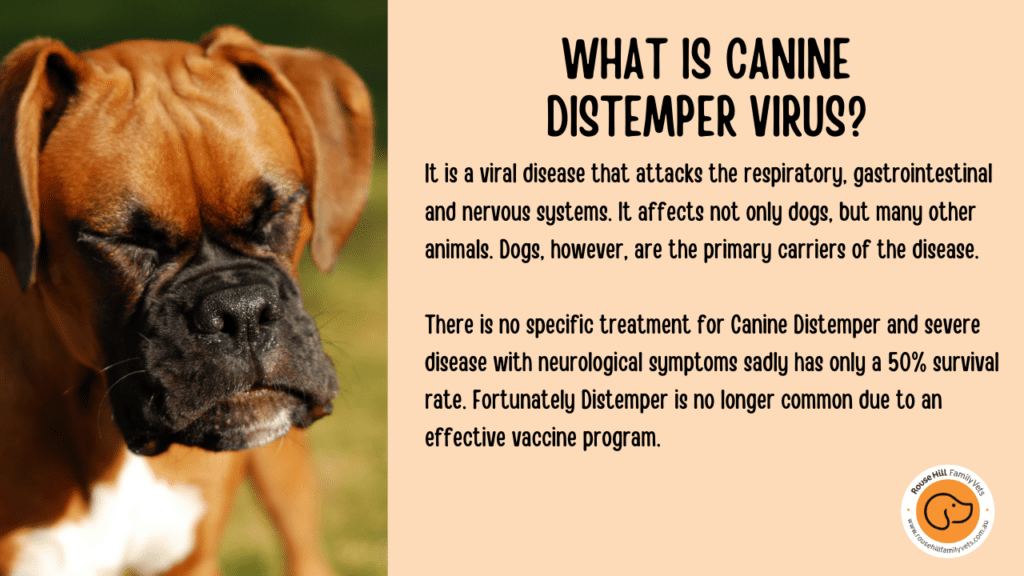
Puppies and unvaccinated adult dogs are most susceptible to severe forms of the disease. However, even vaccinated dogs can sometimes develop a milder form, particularly if their immunity is compromised or if they are exposed to a highly virulent strain of the virus. The incubation period for canine distemper can range from a few days to several weeks, during which the virus replicates and begins to spread throughout the dog’s body.
The Devastating Impact on the Canine Body
Once inside the body, CDV targets various organs and tissues, leading to a cascade of symptoms that can be both debilitating and life-threatening. The virus initially infects the lymphocytes in the lymphoid tissues, such as the tonsils and lymph nodes, before spreading to other parts of the body. The severity and presentation of symptoms largely depend on the dog’s immune response, age, breed, and overall health status.
The immune system’s reaction to the virus is critical. A strong immune response might neutralize the virus before it causes significant damage, leading to asymptomatic or very mild cases. Conversely, a weakened immune system allows the virus to proliferate and wreak havoc, resulting in the severe clinical signs characteristic of distemper. This variability underscores why a thorough veterinary examination is essential for accurate diagnosis, as symptoms can overlap with many other canine ailments.
Recognizing the Multifaceted Symptoms of Canine Distemper
Canine distemper is notorious for its diverse and often confusing array of symptoms, which can vary significantly from one dog to another. The disease typically progresses through several stages, with symptoms evolving as the virus takes hold. It is important to note that not all dogs will exhibit every symptom, and the order in which they appear can also differ.
Initial Signs: A Subtle Beginning
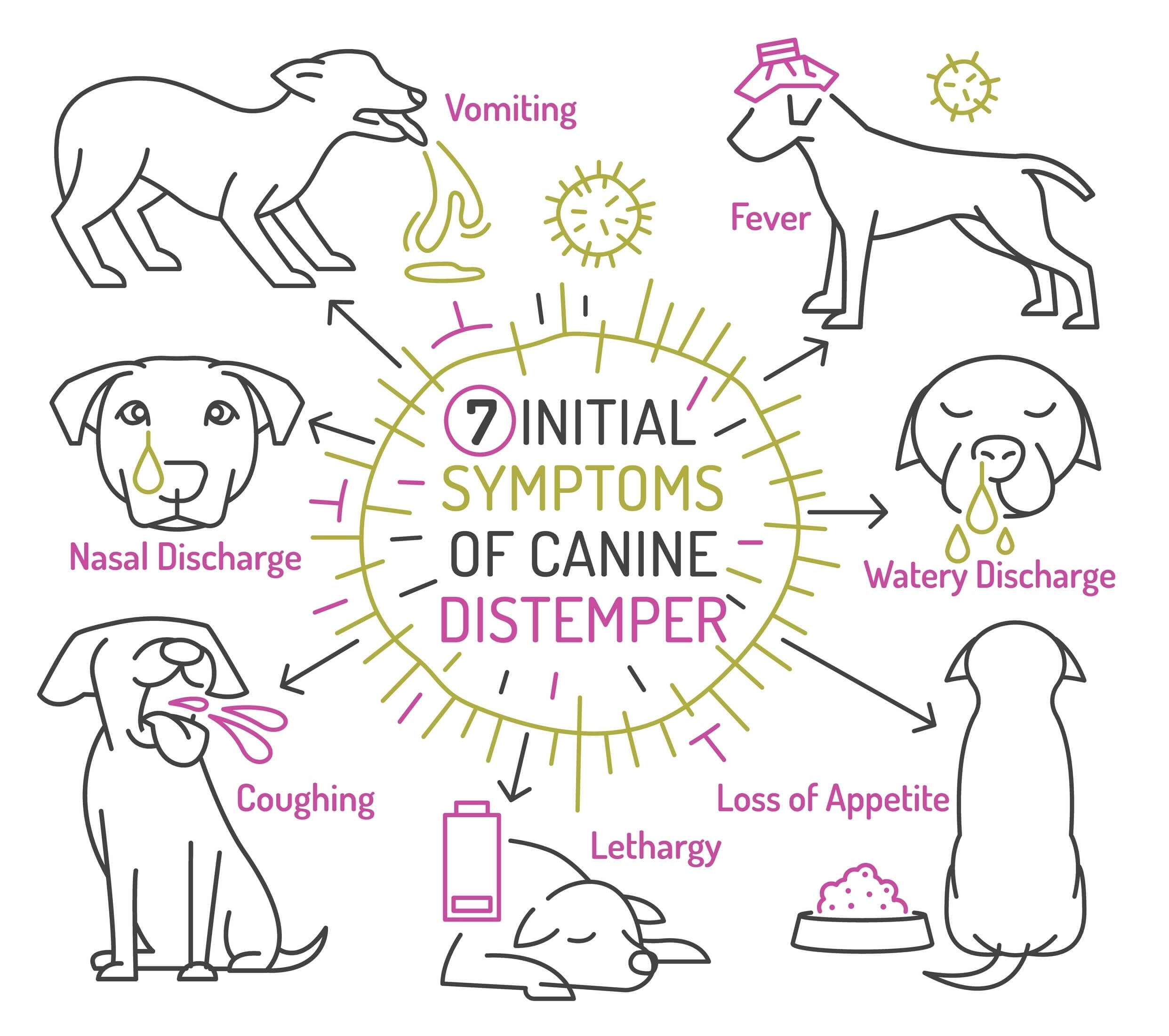
The initial symptoms of canine distemper often mimic those of a common cold or flu. These early indicators can be subtle and easily overlooked, especially if they are mild. However, prompt recognition of these early warning signs can be pivotal in initiating timely treatment.
- Fever: A common early sign is a sudden onset of fever, which can be quite high. Your dog may appear lethargic and less energetic than usual.
- Lethargy and Depression: Infected dogs often become noticeably less active, preferring to rest and appearing withdrawn. They may lose interest in playing, eating, or interacting with their owners.
- Loss of Appetite (Anorexia): A reduced or complete loss of appetite is a frequent symptom. This can contribute to weight loss and weakness.
- Eye Discharge: The eyes may become watery and red, with a clear to yellowish discharge. This can progress to a thick, pus-like discharge if a secondary bacterial infection sets in. This conjunctivitis is often one of the first noticeable signs.
- Nasal Discharge: Similar to the eyes, the nose may start to produce a clear discharge, which can thicken and become cloudy or pus-like. This discharge can crust around the nostrils.
- Coughing: A dry, hacking cough is common and can be indicative of respiratory tract involvement. This cough can become more severe and persistent as the disease progresses.
- Sneezing: Frequent sneezing can also occur, often accompanied by the nasal discharge.
It’s crucial to remember that these early symptoms are not exclusive to canine distemper and can be indicative of other less severe illnesses. However, their presence, especially in combination and if the dog is unvaccinated or has an unknown vaccination history, warrants immediate veterinary attention.
Progression of the Disease: Escalating Severity
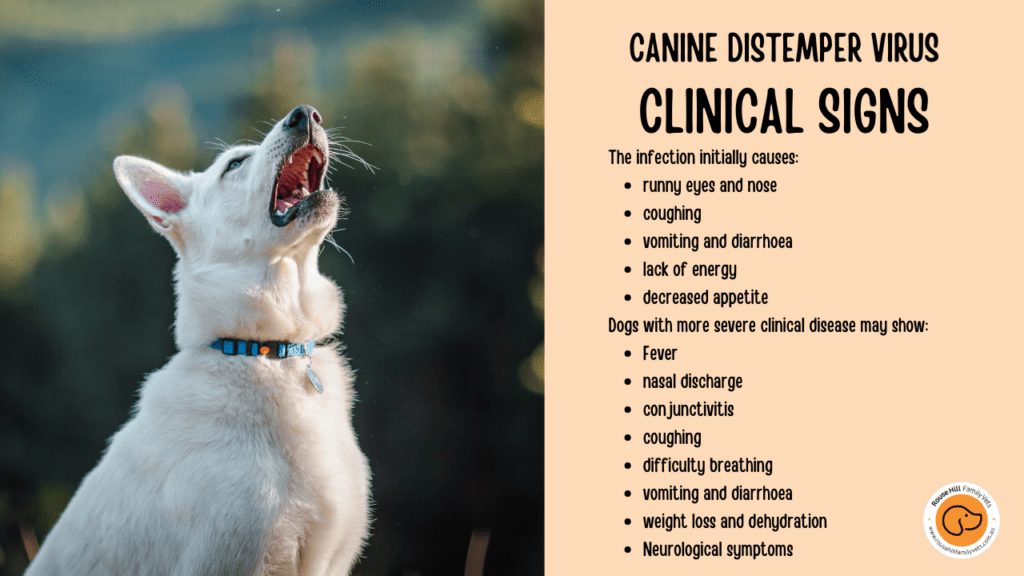
As the canine distemper virus continues its assault on the body, more severe and specific symptoms begin to emerge, often affecting the respiratory, gastrointestinal, and nervous systems with increasing intensity.
Respiratory and Gastrointestinal Manifestations
The respiratory and gastrointestinal tracts are particularly vulnerable to CDV. Symptoms in these areas can become severe and lead to significant complications.
- Severe Respiratory Distress: The cough can worsen, becoming deeper and more painful. Dogs may experience difficulty breathing, rapid breathing, and even pneumonia. The nasal discharge typically becomes thick, yellow or green, and may be bloody in severe cases.
- Gastrointestinal Upset: Vomiting and diarrhea are common and can be severe. The diarrhea may contain mucus or blood, indicating damage to the intestinal lining. This can lead to dehydration and electrolyte imbalances, further weakening the dog.
- Hardening of the Footpads and Nose (Hyperkeratosis): A classic, though not always present, sign of distemper is hyperkeratosis. This is characterized by a thickening and hardening of the skin on the footpads and the nose. The skin can become cracked, painful, and prone to secondary infections, making walking difficult and uncomfortable for the dog. This symptom can appear later in the disease course.
Neurological Symptoms: The Most Devastating Impact
The most alarming and often irreversible symptoms of canine distemper arise when the virus invades the central nervous system. Neurological signs can manifest in various ways, often leading to permanent damage.
- Twitching and Tremors: Involuntary muscle twitching, particularly in the face, head, or limbs, is a common neurological symptom. This can range from mild tremors to severe, full-body spasms.
- Seizures: Seizures are a hallmark of the neurological form of distemper. These can vary in intensity and frequency, from mild focal seizures to severe generalized convulsions. Seizures can be a sign of significant brain inflammation.
- Paralysis: Weakness or paralysis, often starting in the hind legs and progressing forward, can occur. Dogs may have difficulty standing, walking, or controlling their bladder and bowels.
- Head Pressing and Circling: Some dogs may exhibit compulsive head pressing against walls or objects, or may continuously circle in one direction. These behaviors can indicate brain damage and disorientation.
- Behavioral Changes: Infected dogs might display unusual aggression, confusion, or a disinclination to move. They may appear dazed or unresponsive.
- Ataxia (Loss of Coordination): Dogs can become uncoordinated, stumbling, or staggering when they walk, indicating problems with balance and motor control.
The development of neurological symptoms is a grave indicator of the disease’s severity and often has a guarded prognosis. Even if a dog survives the initial neurological insult, permanent damage can result in chronic issues.
The Importance of Veterinary Intervention and Prevention
Given the wide range of symptoms and the potential for severe, irreversible damage, prompt veterinary care is absolutely essential for any dog suspected of having canine distemper. There is no cure for distemper; treatment is supportive, aiming to manage symptoms, prevent secondary infections, and support the dog’s immune system as it fights the virus.
Diagnosis and Treatment Strategies
Veterinary diagnosis typically involves a thorough physical examination, a review of the dog’s vaccination history, and specific diagnostic tests. These tests can include blood work to assess organ function and detect antibodies against the virus, as well as more specialized tests like PCR (polymerase chain reaction) to directly detect viral DNA.
Treatment plans are tailored to the individual dog’s condition and can include:
- Fluid Therapy: To combat dehydration caused by vomiting and diarrhea.
- Antibiotics: To treat secondary bacterial infections that commonly occur in weakened immune systems, especially in the respiratory and ocular tracts.
- Anti-nausea Medications and Antidiarrheals: To manage gastrointestinal distress.
- Medications to Control Seizures and Muscle Tremors: If neurological symptoms are present.
- Nutritional Support: Ensuring the dog receives adequate nutrition, often through appetite stimulants or, in severe cases, feeding tubes.
- Supportive Care: Providing a clean, quiet, and comfortable environment is crucial for recovery.
Prevention Through Vaccination: The Best Defense
The most effective way to protect dogs from canine distemper is through vaccination. A comprehensive vaccination protocol, initiated in puppies and maintained with booster shots throughout their lives, provides robust immunity against the virus. Responsible pet ownership includes adhering to veterinary recommendations for vaccination schedules.
Beyond vaccination, other preventive measures include:
- Minimizing Contact with Unknown Dogs: Especially in areas where vaccination status is uncertain.
- Good Hygiene Practices: Regularly cleaning and disinfecting your dog’s living space, food and water bowls, and toys.
- Avoiding Dog Parks or Public Areas: If you have a young puppy who has not completed their vaccination series.
Canine distemper remains a significant threat to canine health. By understanding its diverse symptoms, recognizing the early warning signs, and prioritizing preventive measures like vaccination, dog owners can significantly reduce the risk of their beloved companions contracting this devastating disease. Early detection and immediate veterinary intervention are the most critical factors in improving the prognosis for any dog diagnosed with canine distemper.
aViewFromTheCave is a participant in the Amazon Services LLC Associates Program, an affiliate advertising program designed to provide a means for sites to earn advertising fees by advertising and linking to Amazon.com. Amazon, the Amazon logo, AmazonSupply, and the AmazonSupply logo are trademarks of Amazon.com, Inc. or its affiliates. As an Amazon Associate we earn affiliate commissions from qualifying purchases.