
In the landscape of modern digital communication, the “1/” symbol has evolved from a simple mathematical notation or a standard fraction into a powerful piece of social media syntax. If you have spent any time on platforms like X (formerly Twitter), LinkedIn, or Threads, you have likely encountered this shorthand at the beginning of a post. While it may appear cryptic to the uninitiated, it serves as a critical structural tool for digital storytelling, information hierarchy, and user engagement. Understanding the function of this character is essential for anyone looking to master the art of long-form content within the constraints of microblogging platforms.
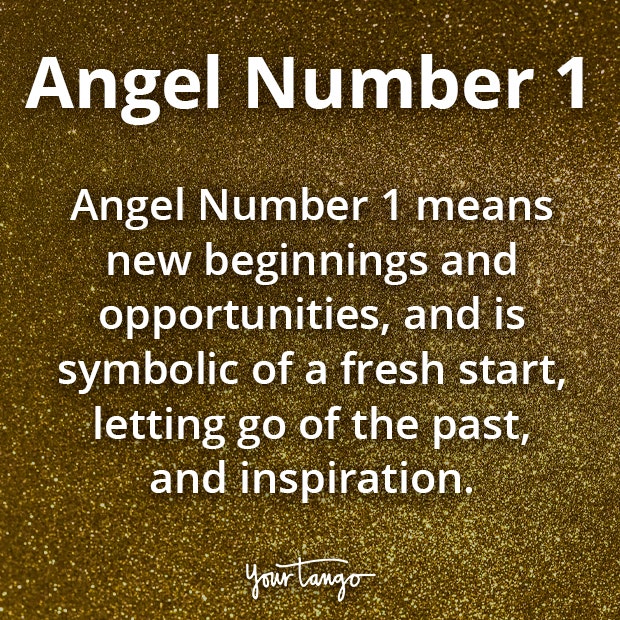
The Thread Revolution: Bridging the Gap Between Micro and Macro Content
The primary utility of “1/” lies in the creation of threads. Social media platforms, by design, often impose character limits—some strictly enforced, others functionally capped by the dwindling attention spans of the audience. When a user has a complex idea to share, a single post is rarely sufficient. The “1/” serves as a signal to the reader and the platform’s algorithm that the current content is not an isolated thought, but the inaugural entry in a sequence.
Signaling Continuity to the Reader
When a user sees the “1/” indicator, it immediately sets a psychological expectation. It signals that there is depth to follow and that the author is about to deliver a structured argument or a curated list. This reduces “cognitive friction” for the reader; rather than scrolling past a long, unbroken block of text, they are invited to engage with a multi-part narrative. It promises the reader that they are about to embark on a journey that has a clear beginning, middle, and end, making them more likely to click through to the subsequent posts in the chain.
Optimizing for Platform Algorithms
From a technical standpoint, platforms favor engagement metrics like “dwell time” and “completion rate.” By threading posts together, creators keep users on their profile or within the thread for longer periods. When an algorithm detects that users are clicking from the first post to the second, third, and fourth, it interprets the content as highly valuable. Consequently, it boosts the visibility of the entire thread. The “1/” is, in effect, a lighthouse that guides the algorithm to recognize that the content is a cohesive project rather than a series of disparate, low-effort updates.
Structural Best Practices for Serialized Content
The effectiveness of a thread is dictated by the strength of its first post. Because the “1/” signals the start of a sequence, it must function as a “hook.” If the first post fails to grab the reader’s attention, the subsequent parts of the thread become irrelevant because no one will click through to read them.
Crafting the Hook
The most successful threads utilize the first post to define a problem, present a startling statistic, or offer a bold promise. The “1/” should be followed by a sentence that summarizes the value proposition of the entire thread. For example, rather than simply stating “1/ I want to talk about AI,” an effective creator writes “1/ AI is changing the landscape of software development. Here are five tools that will save you 10 hours a week.” This clarity tells the audience exactly why they should commit their time to the remaining steps in the series.

Managing Pacing and Flow
Once the “1/” has secured the reader’s attention, the internal structure of the thread must maintain that momentum. Each subsequent post should represent a logical progression from the previous one. If a thread consists of ten parts, the transition between “2/” and “3/” should be seamless, ensuring that the reader is never confused about where they are in the narrative. Maintaining a consistent tone and visual style across all parts of the thread is crucial for brand identity, ensuring that the reader recognizes the content as a professional, well-considered piece of digital craftsmanship.
The Psychology of Digital Consumption
Why does the “1/” format work so effectively in the attention economy? The answer lies in the human brain’s affinity for categorization and completion. By breaking a complex topic into manageable “chunks” or “bites,” authors cater to the way modern users consume information—often while multitasking or scrolling quickly through a feed.
The Gamification of Reading
There is a subtle element of gamification inherent in the “1/” format. Readers often feel a sense of accomplishment as they reach the final post in a thread. By numerically labeling each segment (1/, 2/, 3/…), the creator provides a progress bar of sorts. This encourages the user to complete the series because they can quantify exactly how much information they have processed and how much remains. This structure creates a “loop” that keeps the reader engaged until the very end, which is the ultimate goal of any content strategist.
Establishing Authority through Depth
Using the “1/” format is also an indicator of professional intent. Random, impulsive posts rarely benefit from the structure of a thread. By taking the time to organize thoughts into a numbered series, an author signals that they are an expert who has spent time synthesizing information. This builds trust. Over time, an audience begins to associate the “1/” prefix with high-quality, long-form insights. It transforms the user from someone who simply “posts” into an educator or a thought leader.
Beyond Social Media: The Future of Fragmented Communication
While the “1/” currently dominates platforms like X and LinkedIn, the concept of fragmented information architecture is expanding into other areas of technology and personal branding. We are seeing a move toward “modular” content, where information is delivered in discrete, linkable units rather than monolithic documents or articles.
Modular Content Strategy
In the context of digital marketing, the “1/” philosophy is shifting how brands approach white papers and case studies. Instead of forcing a user to download a 20-page PDF, brands are increasingly breaking that content into serialized posts, newsletters, or short-form video segments. This allows for higher engagement and allows the brand to track exactly which parts of a complex argument resonate most with the audience. By monitoring the drop-off rates between “1/” and “6/,” companies can refine their messaging with precision.
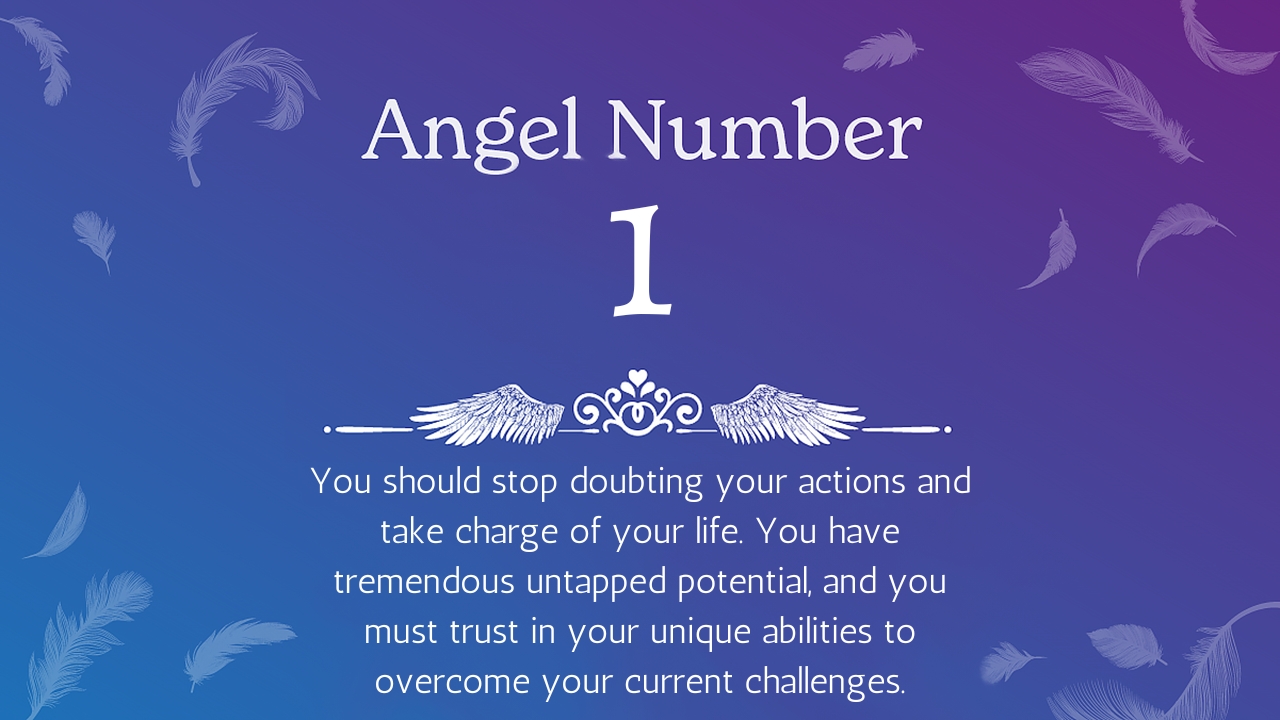
The Evolution of the “Thread”
As technology evolves, we may see AI-driven interfaces that automatically thread content for us, or perhaps new social platforms that prioritize “long-form micro-content.” Regardless of the medium, the principle remains the same: information must be packaged in a way that respects the reader’s time while maximizing the author’s ability to communicate complex ideas. The “1/” is the foundational unit of this new communication paradigm. It is a testament to the fact that, even in an age of instant gratification, there is still a massive appetite for long-form, thoughtful, and structured content.
Ultimately, mastering the “1/” is not just about understanding a character—it is about understanding how to command attention in a crowded digital marketplace. Whether you are building a personal brand, sharing technical tutorials, or synthesizing industry trends, the use of a numbered sequence is the most effective way to ensure your message is not just seen, but actually understood. It is the hallmark of a creator who respects their audience, values their own ideas, and understands the mechanics of how digital information spreads in the modern era. When you start your next post with “1/”, you are doing more than just beginning a thread—you are engaging in the most efficient form of digital storytelling available today.
aViewFromTheCave is a participant in the Amazon Services LLC Associates Program, an affiliate advertising program designed to provide a means for sites to earn advertising fees by advertising and linking to Amazon.com. Amazon, the Amazon logo, AmazonSupply, and the AmazonSupply logo are trademarks of Amazon.com, Inc. or its affiliates. As an Amazon Associate we earn affiliate commissions from qualifying purchases.