
When you stand in the aisle of an automotive supply store, faced with a wall of plastic jugs labeled with cryptic alphanumeric codes like 5W-30, 0W-20, or 10W-40, the complexity can feel overwhelming. These numbers are not arbitrary; they are a precise language defining the chemical behavior of your engine’s lifeblood. Understanding these figures is not merely a technical exercise—it is a critical aspect of vehicle maintenance that impacts your long-term financial health and the longevity of your investment.
Deciphering the Viscosity Index
The primary purpose of motor oil is to reduce friction and heat within the engine. To do this effectively, the oil must be able to flow at a wide range of temperatures. This is where viscosity, or the oil’s resistance to flow, becomes the central focus of automotive engineering.
In simple terms, viscosity describes the “thickness” of a liquid. A high-viscosity fluid, like honey, pours slowly, while a low-viscosity fluid, like water, flows rapidly. In an engine, you need a goldilocks scenario: the oil must be thin enough to circulate immediately upon a cold start, yet thick enough to maintain a protective film between metal components when the engine reaches extreme operating temperatures.
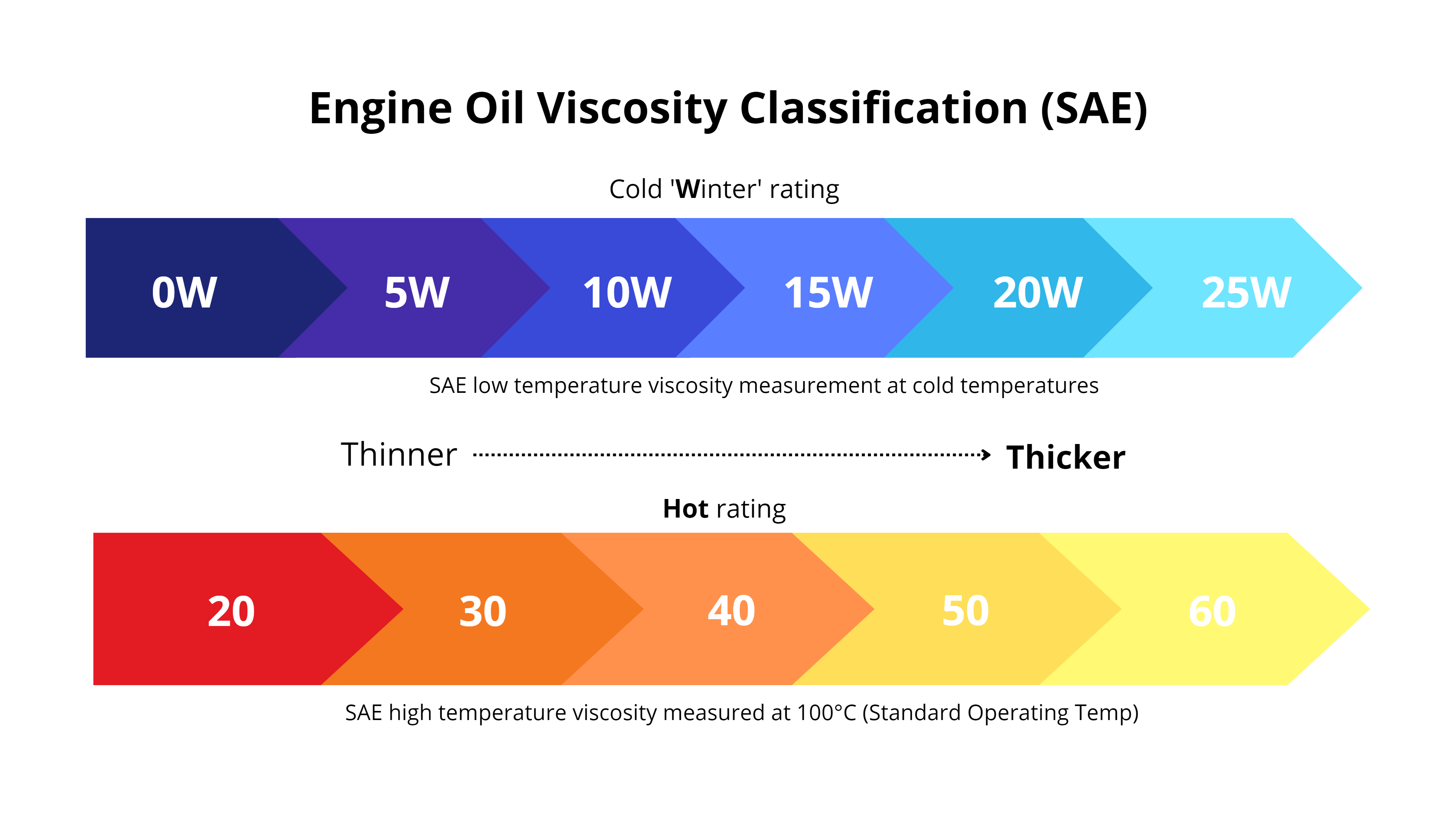
The Society of Automotive Engineers (SAE) developed the grading system we see today to standardize this measurement. These grades ensure that consumers are selecting a lubricant designed specifically to handle the thermal demands of their vehicle’s power plant. By aligning your choice with the manufacturer’s specifications, you are essentially purchasing insurance against premature mechanical failure.
The Science of the “W” and Cold-Start Performance
The first part of the oil code—the number preceding the “W”—is perhaps the most vital for engine health. The “W” stands for “Winter.” This rating indicates how the oil performs at low temperatures.
Understanding Low-Temperature Flow
When you turn your ignition key on a cold morning, the oil in your engine has likely drained into the oil pan. For the first few seconds of operation, your engine components are at their most vulnerable. If the oil is too thick (high viscosity) due to extreme cold, it cannot be pumped through the oil galleries quickly enough to lubricate the camshafts, pistons, and bearings. This results in “dry” starts, which are responsible for a significant portion of long-term engine wear.
A lower number, such as 0W or 5W, indicates that the oil remains fluid at much lower temperatures than a 10W or 20W oil. For instance, a 0W oil will reach the upper reaches of the engine much faster during a sub-zero start than a 10W oil, effectively minimizing the period of metal-on-metal contact.
The Chemistry of Multi-Grade Oils
In the past, drivers had to switch oils seasonally—thicker oil for summer and thinner oil for winter. Today’s multi-grade oils, such as 5W-30, use polymer additives known as Viscosity Index Improvers. These molecules are coiled up when cold, allowing the oil to flow like a thin 5-weight oil. As the oil heats up, these polymers uncoil and expand, effectively thickening the oil and preventing it from thinning out too much under heat. This chemical wizardry allows a single oil to provide the cold-start benefits of a low-viscosity oil and the protective stability of a higher-viscosity oil.

High-Temperature Protection: The Second Number
The second number in the sequence—the one following the hyphen—represents the oil’s viscosity when measured at 100 degrees Celsius (212 degrees Fahrenheit). This is the standard operating temperature for a healthy, warmed-up engine.
Stability Under Stress
As an engine runs, internal friction and combustion generate immense heat. If your oil’s second number is too low for your vehicle’s design, the oil may thin out excessively under load, failing to maintain a sufficient “cushion” between fast-moving parts. This can lead to increased friction, oil consumption, and eventual overheating of internal components.
Conversely, some drivers mistakenly believe that a higher second number always means better protection. However, if you use a 10W-50 oil in an engine designed for 5W-20, the oil may be too thick to circulate efficiently through the tight tolerances of modern, high-precision engines. This added resistance creates drag, which reduces fuel economy and can actually increase engine temperature due to the friction of the fluid moving through the system.
Matching the Manufacturer’s Specification
Modern engines are built with increasingly tight tolerances to improve performance and efficiency. Engineers select the viscosity grade based on the oil pump’s pressure capabilities and the internal clearances of the engine. Deviating from the manual’s recommended viscosity—especially by choosing a higher number—can interfere with variable valve timing (VVT) systems, which rely on precise oil pressure to actuate hydraulic components. Always consult your owner’s manual before upgrading to a different “weight” or “grade,” regardless of marketing claims on the bottle.
The Financial Impact of Proper Selection
While motor oil is a recurring maintenance expense, viewing it through the lens of personal finance reveals that precision here is a cost-saving strategy.
Preventing Catastrophic Repairs
The cost of an oil change is negligible compared to the cost of replacing an engine. When you choose the correct viscosity and ensure that the oil meets the specific API (American Petroleum Institute) service classification required by your manufacturer, you are actively extending the life of your vehicle. A well-lubricated engine operates with less friction, which translates to higher fuel efficiency and less frequent mechanical failures.
Long-Term Asset Protection
If you treat your vehicle as a financial asset—which it is—the maintenance log is part of your documentation. Using high-quality synthetic oils that match the specified viscosity grades can help prevent sludge buildup, which is a silent killer of engine longevity. When it comes time to resell your vehicle, a well-maintained engine is the primary factor in retaining value. Buyers are often willing to pay a premium for a vehicle that has been maintained with the correct, high-specification fluids.
Understanding Additive Packages
Beyond the viscosity numbers, remember that motor oil is a sophisticated chemical mixture containing detergents, anti-wear agents, and antioxidants. These additives prevent corrosion and keep the internal engine surfaces clean. By choosing a brand that matches the performance specifications (such as ILSAC or specific manufacturer certifications like Dexos or VW 507), you ensure that the secondary chemical properties of the oil are working in harmony with your engine’s metallurgy.

Conclusion: Making the Informed Choice
The numbers on your motor oil bottle are a roadmap to longevity. They represent a compromise between the cold-start fluidity required for the first few seconds of operation and the high-temperature stability required for hours on the highway.
Do not be swayed by myths that “thicker is always better” or that premium labels can ignore the specific viscosity demands of your engine block. Respect the numbers, follow your manufacturer’s service intervals, and prioritize high-quality synthetic formulations. By mastering these details, you are not just performing a chore; you are protecting your mechanical investment, optimizing your vehicle’s performance, and avoiding the significant financial burden of premature engine repair. When you look at the shelf next time, you won’t just see random digits—you’ll see the chemical requirements that keep your engine running efficiently for years to come.
aViewFromTheCave is a participant in the Amazon Services LLC Associates Program, an affiliate advertising program designed to provide a means for sites to earn advertising fees by advertising and linking to Amazon.com. Amazon, the Amazon logo, AmazonSupply, and the AmazonSupply logo are trademarks of Amazon.com, Inc. or its affiliates. As an Amazon Associate we earn affiliate commissions from qualifying purchases.