
The holiday season in Mexico is a profound tapestry of tradition, community, and economic vitality. For businesses and brands looking to understand the consumer landscape, the Mexican Christmas season—often referred to as the Guadalupe-Reyes marathon—represents a unique cultural phenomenon that dictates marketing cycles, retail strategies, and brand positioning. Understanding these traditions is not merely an exercise in cultural appreciation; it is a critical component for any brand aiming to establish a sustainable corporate identity and connection with one of the most vibrant consumer bases in the world.
The Strategic Importance of the Guadalupe-Reyes Season
The period between December 12th (the Day of the Virgin of Guadalupe) and January 6th (Three Kings Day) serves as the backbone of the Mexican retail economy. This duration, colloquially dubbed the “Guadalupe-Reyes” marathon, is a strategic window where consumer behavior shifts dramatically toward collective celebration, gift-giving, and high-intensity hospitality.

Cultural Identity as a Marketing Pillar
For brands operating in Mexico, the December period is not just about sales figures; it is about alignment with cultural values. Mexicans prioritize family unity (convivencia) and ritualistic consistency. A brand that ignores the nuances of these traditions is often viewed as “outsider” or disconnected. Conversely, brands that integrate their messaging into the fabric of the posada culture—the series of processions and parties leading up to Christmas—see significant gains in brand loyalty and top-of-mind awareness.
The Dynamics of Holiday Spending
Consumer spending during this season is characterized by a mix of traditional retail and digital commerce. Historically, Christmas in Mexico was synonymous with cash transactions at local markets. However, the modern Mexican consumer is increasingly tech-savvy, leveraging fintech solutions and e-commerce platforms to manage their holiday budgets. Brands that optimize their digital customer journey during these weeks—providing seamless checkout experiences and culturally relevant advertisements—position themselves to capture a larger share of the household budget, which is bolstered by the annual year-end bonus known as the aguinaldo.
The Anatomy of the Mexican Christmas Consumer Journey
To effectively design a brand strategy for this period, companies must analyze the specific touchpoints where consumers interact with traditions. The journey is defined by specific events, each requiring distinct product categories and marketing messaging.
The Posadas: A Case Study in Social Commerce
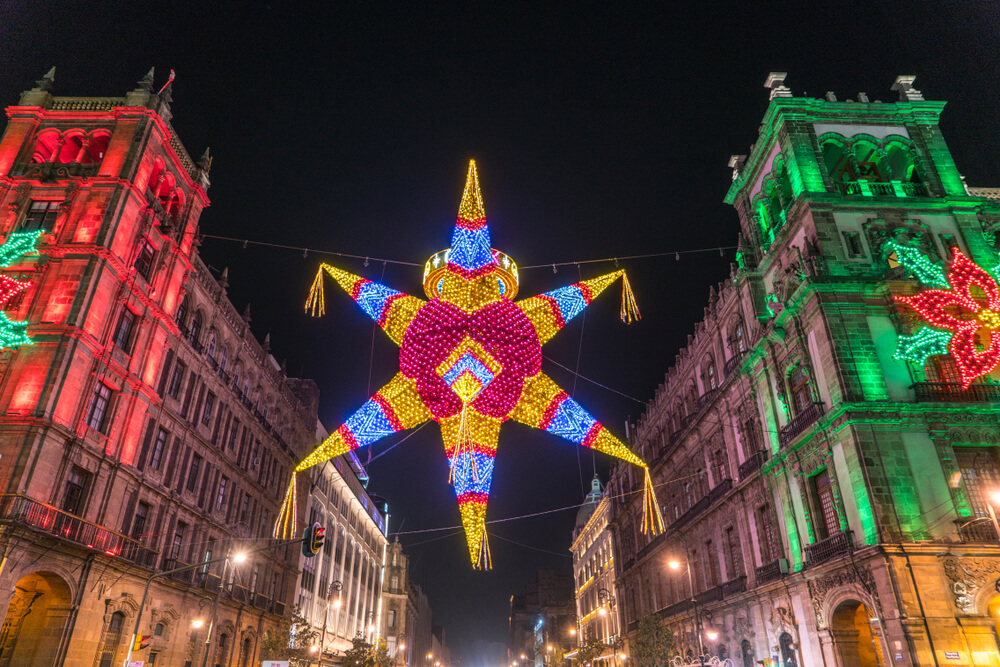
Starting December 16th, the posadas represent the core social activity of the season. These are not merely parties; they are highly structured gatherings involving food, music, and the breaking of piñatas. For the beverage, food, and home goods sectors, this represents a crucial opportunity for “occasion-based marketing.”
Brands that position their products as essential components of the posada experience—focusing on bulk purchasing, shareable formats, and family-sized packaging—align themselves with the communal nature of the event. Success here depends on understanding that the Mexican consumer values the act of sharing as much as the product itself.
The Gift-Giving Shift: From Santa to Los Reyes
A strategic error often made by international brands is the exclusive focus on December 24th and 25th. In Mexico, gift-giving is bifurcated. While Santa Claus has gained prominence in the northern regions and among urban populations, the tradition of the Three Kings (Los Reyes Magos) remains deeply entrenched.
On January 6th, the focus shifts to children’s toys and family gatherings centered around the Rosca de Reyes. Brand strategists must recognize this “extended season.” A brand that ceases its promotional efforts after December 25th misses out on the critical post-holiday peak, where consumer sentiment remains high and gift-giving for children is often even more elaborate.
Branding and Corporate Identity in the Seasonal Context
The Mexican Christmas season demands a specific brand voice. It is a time defined by warmth, nostalgia, and hyper-local sentimentality. Brands that attempt to import generic, cold, or overly minimalist global Christmas templates often fail to resonate.
Localization vs. Globalization
The most successful brand campaigns in Mexico during December utilize imagery and messaging that reflect the domestic landscape. This includes the prominent use of the Poinsettia (Flor de Nochebuena), traditional Mexican architecture, and, crucially, the depiction of multi-generational family units. When a brand demonstrates that it “understands” the Mexican household, it builds a foundation of trust that transcends a single transaction. This is the essence of building a strong corporate identity in a competitive market.
Influencer Marketing and Social Proof
In the Mexican market, social proof is a powerful driver of brand success. During Christmas, families rely heavily on recommendations from peers and trusted social media figures to decide on everything from menu items to holiday gifts. Investing in local influencers who can authentically demonstrate how a product fits into their personal posada or family dinner is significantly more effective than traditional top-down corporate advertising. This strategy builds a bridge of credibility that is essential in the high-stakes environment of year-end retail.
Sustainable Brand Growth Post-Holiday
While the holiday season is a period of peak revenue, the true test of brand strategy is how it impacts long-term customer retention. A brand’s performance during the Guadalupe-Reyes marathon should serve as a launchpad for the rest of the year.
Measuring Success Beyond the Profit Margin
For a sophisticated brand strategy, the Christmas season is an opportunity to gather data on consumer behavior that informs Q1 and Q2 planning. By analyzing which products were sought after for gifts versus personal use, and tracking the customer acquisition costs associated with holiday campaigns, companies can refine their marketing mix. The Mexican consumer is loyal to brands that prove their worth during high-stress periods. If a brand ensures timely delivery, high-quality customer service, and seamless product availability during the December rush, that brand earns the right to be a staple in the Mexican household for the years to follow.
The Evolution of the Consumer Experience
The landscape is shifting toward “Phygital” retail—the blend of physical and digital experiences. The future of Christmas commerce in Mexico will be defined by brands that offer omnichannel support. Imagine a customer browsing on a mobile app to select gifts for the posadas, utilizing a fintech credit option, and picking up the items at a local hub to ensure they arrive before the festivities begin. This level of logistical and financial integration is where the next frontier of brand growth lies.
In conclusion, what Mexicans do for Christmas is a masterclass in tradition-led consumer behavior. For brands, the challenge and opportunity lie in moving beyond a transactional view of the season. By respecting the cultural rhythms of the Guadalupe-Reyes period, investing in community-centered marketing, and leveraging digital tools to meet the needs of the modern family, companies can solidify their position in the market. A successful holiday strategy in Mexico is not merely about selling a product; it is about becoming an invited guest at the table of the Mexican family, ensuring that the brand is part of the memories made during the most important season of the year.
aViewFromTheCave is a participant in the Amazon Services LLC Associates Program, an affiliate advertising program designed to provide a means for sites to earn advertising fees by advertising and linking to Amazon.com. Amazon, the Amazon logo, AmazonSupply, and the AmazonSupply logo are trademarks of Amazon.com, Inc. or its affiliates. As an Amazon Associate we earn affiliate commissions from qualifying purchases.