
Modern highway infrastructure is increasingly defined by Intelligent Transportation Systems (ITS) that leverage real-time data to manage traffic flow, enhance safety, and minimize congestion. Among these sophisticated tools, lane control signals—often mounted on overhead gantries—serve as the primary communication medium between traffic management centers and drivers. While most commuters are familiar with the standard green arrow and the red “X,” the yellow “X” represents a critical, often misunderstood phase of traffic operations. Understanding this symbol is not just about avoiding a traffic ticket; it is a fundamental aspect of digital road safety and infrastructure awareness.

The Functional Role of Lane Control Signals in ITS
Intelligent Transportation Systems represent the convergence of hardware, software, and networking technology on our roadways. At their core, these systems are designed to monitor vehicle density, detect accidents, and adjust speed limits or lane access dynamically. Lane signals are the user interface of this massive backend network.
From Static Signage to Dynamic Digital Management
In decades past, lane management was entirely static, relying on painted lines and permanent overhead signage. Today, that digital layer allows infrastructure to be fluid. A lane that functions as a high-occupancy vehicle (HOV) lane during the morning commute can shift to a general-purpose lane by midday, or be closed entirely to allow for emergency vehicle access or maintenance crews.
The Logic of Signal Transitions
The software driving these signals is governed by safety algorithms that prioritize the clearance of the roadway. When a traffic management center determines that a lane must be closed, they cannot simply toggle a green arrow to a red “X.” Doing so would trigger sudden, hazardous lane changes and panic braking. Instead, the signal transition is managed through a sequence designed to warn drivers well in advance of a lane closure.
Decoding the Yellow X: The Transition Phase
The yellow “X” serves as an amber-colored warning signal that acts as a buffer between an active lane and a closed one. In the hierarchy of traffic control, it is an imperative directive that signals: “This lane is about to close; vacate it as soon as it is safe to do so.”
The Immediate Action Required
When you see a yellow “X” illuminated above your lane, it is a digital instruction to begin a safe merging maneuver. Unlike the red “X,” which mandates immediate avoidance of a lane, the yellow “X” provides a grace period—a window of time and distance—to move into an adjacent, open lane. It is the visual equivalent of a yellow traffic light, but specifically designed for lane-based traffic flow rather than intersection crossing.
Avoiding the “Panic Merge”
A common error among drivers is to ignore the yellow “X” until they see the red “X” appear. This leads to the “panic merge,” where traffic slows down significantly, increasing the risk of rear-end collisions. The yellow “X” is the software’s way of asking for “proactive compliance.” By moving out of the lane as soon as the yellow signal appears, you contribute to the smooth, laminar flow of traffic, preventing the ripple effect of braking that causes phantom traffic jams.

Safety Protocols and Digital Infrastructure Reliability
The reliance on digital signals brings up questions of system reliability and the fail-safes built into these networks. The transition logic is not arbitrary; it is programmed based on the average speed of traffic on the specific segment of the highway.
How Sensors Trigger Lane Changes
Traffic management centers utilize inductive loops embedded in the asphalt, radar sensors, and computer vision cameras to monitor lane occupancy. When an incident is detected—such as a stalled vehicle or debris—the ITS backend initiates an automated protocol. The software automatically populates the lane control signs with the appropriate signals. In some advanced jurisdictions, this process is entirely autonomous, using AI to predict the optimal transition time for the yellow “X” based on real-time vehicle speed data.
Cybersecurity and Signal Integrity
Because these signals are controlled via networked systems, cybersecurity is a paramount concern for departments of transportation. These systems are typically housed on isolated, encrypted networks to prevent unauthorized access or system manipulation. When a driver sees a yellow “X,” they are seeing the output of a secure, verified command chain. The integrity of these signals is treated with the same seriousness as air traffic control, ensuring that drivers can trust the instructions they receive on the digital gantry.
The Future of Lane Signaling and Connected Vehicles
As we move toward a future of connected and autonomous vehicles (CAV), the role of lane signals is evolving. The yellow “X” is currently a visual signal for human drivers, but in the near future, this data will be transmitted directly to the onboard computers of vehicles.
Vehicle-to-Infrastructure (V2I) Communication
Through V2I technology, the state of a lane (represented by the yellow or red “X”) will be broadcast wirelessly to every vehicle approaching the gantry. Your car’s dashboard or heads-up display will receive a notification of a lane closure before you even see the overhead signal. This will allow for smoother, computer-coordinated lane changes, essentially eliminating the need for sudden human reaction to the yellow “X.”
Improving the Human-Machine Interface (HMI)
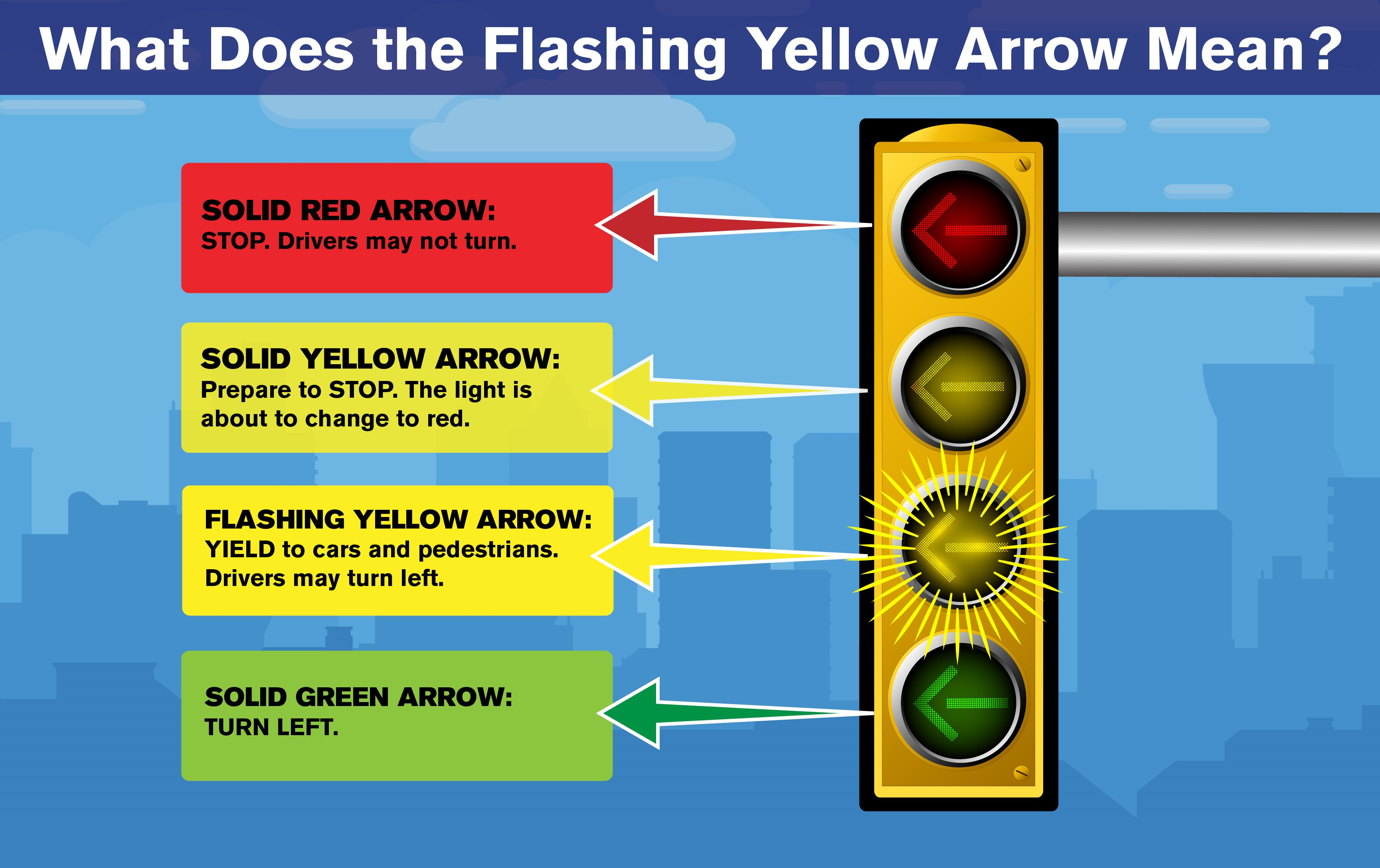
Even with the rise of autonomous driving, human awareness remains a critical fail-safe. The standardization of lane signal symbology—specifically the transition from green to yellow “X” to red “X”—is being refined globally to ensure that human drivers interpret the instructions correctly, regardless of the vehicle’s level of automation. Ongoing human-factors research continues to test whether flashing yellow signals or steady yellow signals elicit more compliant behavior, demonstrating that even digital infrastructure requires a deep understanding of human psychology.
Conclusion: Compliance as a Contribution to Digital Traffic Management
Navigating modern highways is increasingly about interacting with digital systems. A yellow “X” is a piece of data delivered via high-intensity LED hardware, intended to optimize the flow of the entire road network. When you interpret the yellow “X” as a cue to begin a controlled, safe merge, you are not just following a rule; you are participating in a highly efficient, automated system designed to keep thousands of vehicles moving safely.
Drivers who ignore these signals until the last possible second create inefficiencies that ripple through the digital system, triggering further alerts and slowing the pace of traffic for everyone behind them. By treating the yellow “X” as a directive for proactive lane changes, you support the software’s intent, reduce the likelihood of accidents, and help maintain the equilibrium of the highway’s Intelligent Transportation System. As we look forward to a more connected era of transit, the yellow “X” serves as a reminder of how digital technology is actively managing the physical world, one lane at a time.
aViewFromTheCave is a participant in the Amazon Services LLC Associates Program, an affiliate advertising program designed to provide a means for sites to earn advertising fees by advertising and linking to Amazon.com. Amazon, the Amazon logo, AmazonSupply, and the AmazonSupply logo are trademarks of Amazon.com, Inc. or its affiliates. As an Amazon Associate we earn affiliate commissions from qualifying purchases.