
In the architecture of data management, the structure of a table is the foundational blueprint upon which all analytical insights are built. Whether you are working within a relational database management system (RDBMS), a spreadsheet application like Microsoft Excel or Google Sheets, or a complex data warehouse, the table remains the universal language of structured information. At the heart of this structure lies the column—the vertical pillar that defines the “what” of your data.
Understanding what columns represent is not merely a task of data entry; it is a fundamental requirement for anyone involved in software development, data science, or systems architecture. A column serves as a rigid container for a specific type of information, ensuring that every record in your dataset maintains consistency, validity, and logic.

The Functional Definition of a Column
In technical terms, a column represents an attribute or a characteristic of an entity. When you design a table, you are essentially modeling a real-world object or event. If your table represents “Employees,” the rows represent the individual people, while the columns represent the specific pieces of information you need to track about those people: First Name, Last Name, Email Address, Hire Date, and Department ID.
Attributes and Data Typing
Each column is governed by a data type. This is the technical rulebook that tells the database or software exactly what kind of information is permitted to reside within that specific column. Common data types include:
- Integers and Decimals: Used for quantitative data where mathematical calculations are required.
- Strings/Varchars: Used for textual information such as names, descriptions, or addresses.
- Booleans: Used for binary states, such as “IsActive” or “HasSubscribed.”
- Date/Time: Dedicated formats for temporal tracking.
By assigning a data type to a column, you enforce data integrity. You prevent a user from entering “January” into a column reserved for numerical “Year” values, thereby ensuring that the software can reliably query and process the information without errors.
The Vertical Constraint
Columns act as a vertical constraint on the data. While a table can grow infinitely downward—adding new rows for every new customer, sale, or event—the columns remain fixed until a developer explicitly alters the table schema. This rigidity is a feature, not a bug. It provides a reliable structure that allows software developers to write code that interacts with the data, knowing exactly where specific values will be found regardless of how many thousands of rows are added to the system.
Designing Schema: The Art of Columnar Logic
The process of defining columns is known as schema design or data modeling. In professional software engineering, this is a critical phase. If your columns are poorly defined, your application will struggle with performance, scalability, and maintenance.
Normalization and Redundancy
One of the core principles in database design is normalization—the process of organizing columns to reduce redundancy. For example, rather than having a column called “Department Name” repeated for every single employee row, a skilled architect will create a separate “Departments” table and use a “Department ID” column in the “Employees” table to create a relationship.
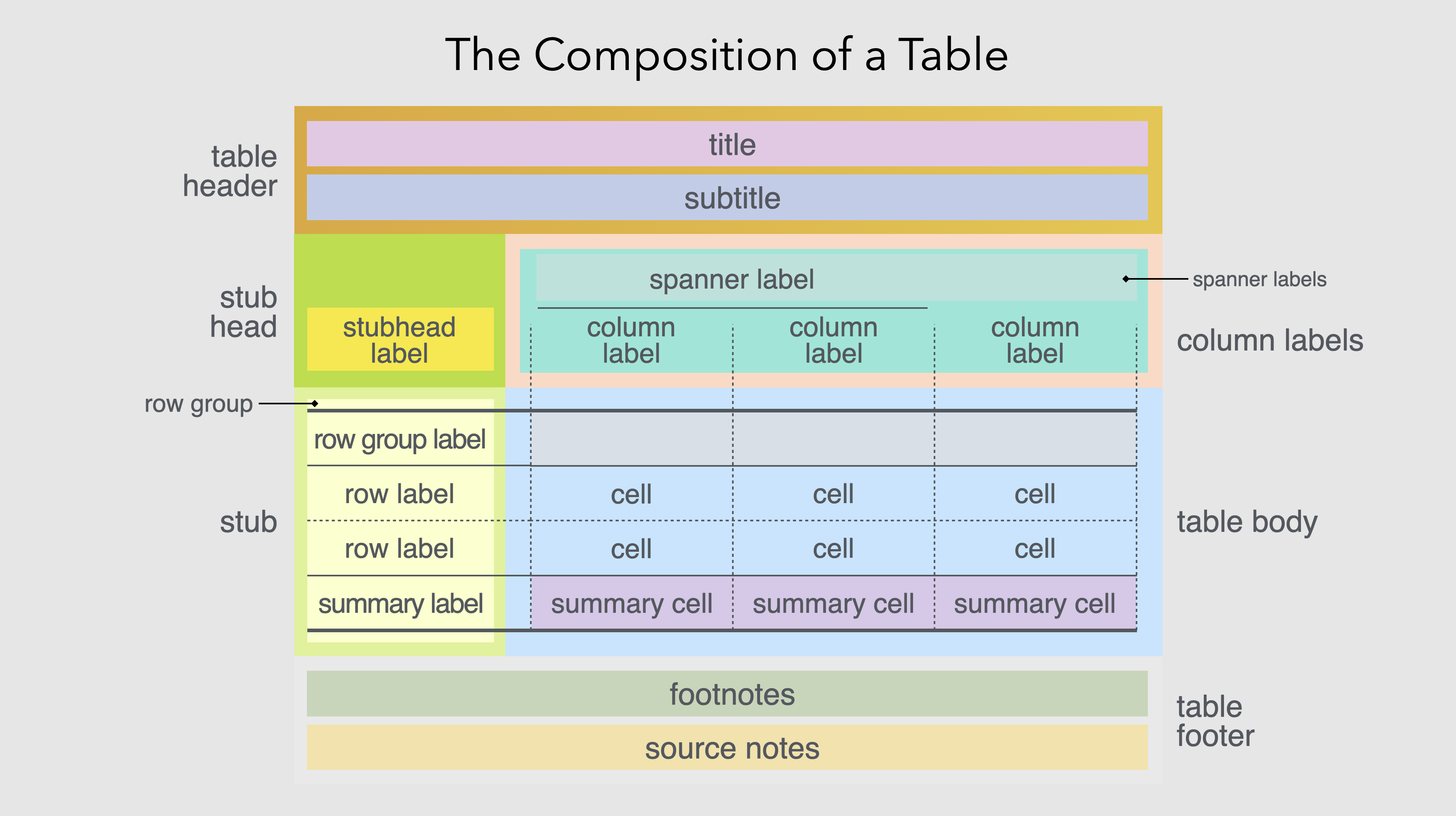
This approach ensures that if a department name changes, you update it in one place rather than searching through thousands of records. Columns, therefore, don’t just hold data; they act as the connective tissue that links disparate pieces of information across an entire software ecosystem.
The Importance of Naming Conventions
In the tech industry, the name of a column is as important as the data it contains. Professional developers adhere to strict naming conventions (such as snake_case or camelCase) to ensure readability and maintainability. A column named user_reg_dt is descriptive and clear, whereas a column named data1 is a nightmare for future developers. Clear naming makes it easier to write APIs, perform SQL queries, and troubleshoot issues when data anomalies arise.
Columns as the Foundation of Data Analysis
When we shift our focus from raw storage to software-driven analytics, columns take on a new life as variables. In data science and AI applications, the columns are the input features that machine learning models consume to make predictions.
Features in Machine Learning
In the context of artificial intelligence, columns are referred to as “features.” If you are building a model to predict house prices, your columns (or features) would represent things like “Square Footage,” “Number of Bedrooms,” “Proximity to Transit,” and “Year Built.” The model analyzes the relationship between these column values across thousands of rows (training data) to identify patterns. If your column selection is poor—or if the data within those columns is noisy or irrelevant—the model will fail to learn effectively.
Aggregation and Querying
Software tools rely on columns to perform computations. Whether you are using a simple SUM() function in a spreadsheet or a complex GROUP BY clause in SQL, the operation is almost always column-specific. You calculate the “Total Revenue” by performing an aggregation across the “Price” column. Without the structure provided by columns, computers would be unable to parse or analyze large datasets, effectively rendering big data useless.
The Evolution of Columns: From Relational to NoSQL
While the concept of the column is native to Relational Database Management Systems (SQL), the evolution of technology has introduced new ways of thinking about data storage. Understanding these shifts helps you appreciate why columns remain a gold standard for structured data.
Relational Tables
In traditional SQL databases (PostgreSQL, MySQL, SQL Server), columns are strictly defined. The schema is immutable unless a developer performs a migration. This provides high reliability and is the preferred choice for transactional data where consistency is paramount, such as banking or e-commerce inventory.
Document-Oriented and Columnar Databases
In the world of Big Data and NoSQL, the definition of a column changes slightly.
- Columnar Databases: Databases like Apache Cassandra or Google BigQuery store data by column rather than by row. This is highly efficient for analytical queries where you might need to scan one specific column (e.g., “all zip codes”) across billions of rows. It allows the system to read only the necessary data from the disk, drastically increasing speed.
- NoSQL/JSON: In document stores like MongoDB, the “column” becomes a “field.” While these systems offer more flexibility—allowing you to add different fields to different documents—the underlying logic remains the same: the field (column) acts as a label for a specific attribute of the data.

Conclusion: Mastering the Vertical Pillar
The humble column is the backbone of modern digital infrastructure. It is the gatekeeper of data quality, the structural component of software applications, and the primary variable in analytical models. By treating columns with the respect they deserve during the design phase—ensuring proper naming, correct data types, and logical normalization—developers and data professionals create systems that are robust, scalable, and ready to meet the challenges of an increasingly data-driven world.
Whether you are staring at a simple spreadsheet or architecting a massive relational database, always remember: columns are the map. They dictate how data is organized, how it is understood by your applications, and ultimately, what kind of value you can extract from your information. Understanding the power of the column is the first step toward mastering the art of information management.
aViewFromTheCave is a participant in the Amazon Services LLC Associates Program, an affiliate advertising program designed to provide a means for sites to earn advertising fees by advertising and linking to Amazon.com. Amazon, the Amazon logo, AmazonSupply, and the AmazonSupply logo are trademarks of Amazon.com, Inc. or its affiliates. As an Amazon Associate we earn affiliate commissions from qualifying purchases.