
Amazon, a name synonymous with global commerce and technological innovation, often sparks a singular question in the minds of many: “What exactly is Amazon in?” The answer, far from simple, is a testament to one of the most remarkable feats of corporate branding and diversification in modern history. Amazon is not merely “in” e-commerce; it has meticulously woven its brand into the fabric of daily life, extending its reach into virtually every sector imaginable, from digital content and cloud computing to grocery retail and healthcare. At its core, Amazon is in the business of customer obsession, a guiding principle that has allowed its brand to become a versatile umbrella, capable of sheltering a vast and ever-expanding ecosystem of products and services. Understanding “what Amazon is in” requires a deep dive into its brand strategy, corporate identity, and the ingenious marketing that underpins its seemingly limitless expansion.

The Ubiquitous Brand: More Than Just an Online Store
Amazon’s journey from a modest online bookstore to a global behemoth is a masterclass in brand evolution. Jeff Bezos’s initial vision, though seemingly narrow, contained the seeds of future diversification, laying the groundwork for a brand that would transcend product categories and redefine consumer expectations. The brand’s power lies not just in its recognition, but in its ability to promise and consistently deliver value across vastly different offerings.
From Bookseller to Everything Store: A Journey of Brand Evolution
Initially launched in 1994 as Cadabra, Inc., quickly renamed Amazon.com, the brand’s early identity was rooted in convenience and selection within the niche of books. However, Bezos’s long-term vision was far grander: to build an “everything store.” This ambition necessitated a brand that could stretch without breaking, a corporate identity flexible enough to encompass diverse product lines without diluting its core message. The pivotal shift involved associating the Amazon name with a promise of unparalleled selection, competitive pricing, and logistical efficiency. This strategic brand extension from books to music, electronics, and then to virtually every consumer good imaginable demonstrated the brand’s inherent scalability and the market’s willingness to accept Amazon as a reliable provider across new categories. The logo’s subtle smile-arrow, pointing from A to Z, perfectly encapsulates this “everything” ethos, signaling that Amazon offers everything from A to Z, delivered with a smile.
The Core Brand Pillars: Customer Obsession and Convenience
At the heart of Amazon’s brand strategy are its unwavering pillars: customer obsession and convenience. These aren’t just corporate buzzwords; they are operational mandates that permeate every facet of Amazon’s business and form the bedrock of its brand promise. The relentless focus on the customer – understanding their needs, anticipating their desires, and removing friction from their experience – has built an unparalleled level of trust and loyalty. This customer-centric approach is evident in everything from one-click ordering and personalized recommendations to rapid delivery and hassle-free returns.
The convenience factor is a powerful driver of brand affinity. Amazon Prime, perhaps the pinnacle of this strategy, bundles together expedited shipping, streaming services, and exclusive deals, making membership an almost indispensable convenience for millions globally. By consistently delivering on these brand promises, Amazon has cultivated an identity that isn’t tied to a specific product but to an unparalleled service experience. This deep-seated brand equity is what allows Amazon to enter new markets, often disrupting incumbents, because consumers inherently trust that an “Amazon” offering will be efficient, reliable, and tailored to their needs.
Amazon’s Brand Architecture: A Diversified Empire
Amazon’s expansion has led to a complex brand architecture, where the overarching “Amazon” master brand coexists with powerful sub-brands, each with its own distinct identity and market positioning. This strategic diversification allows Amazon to target different customer segments and business models while still benefiting from the credibility and resources of the parent brand.
E-commerce: The Flagship Brand Experience
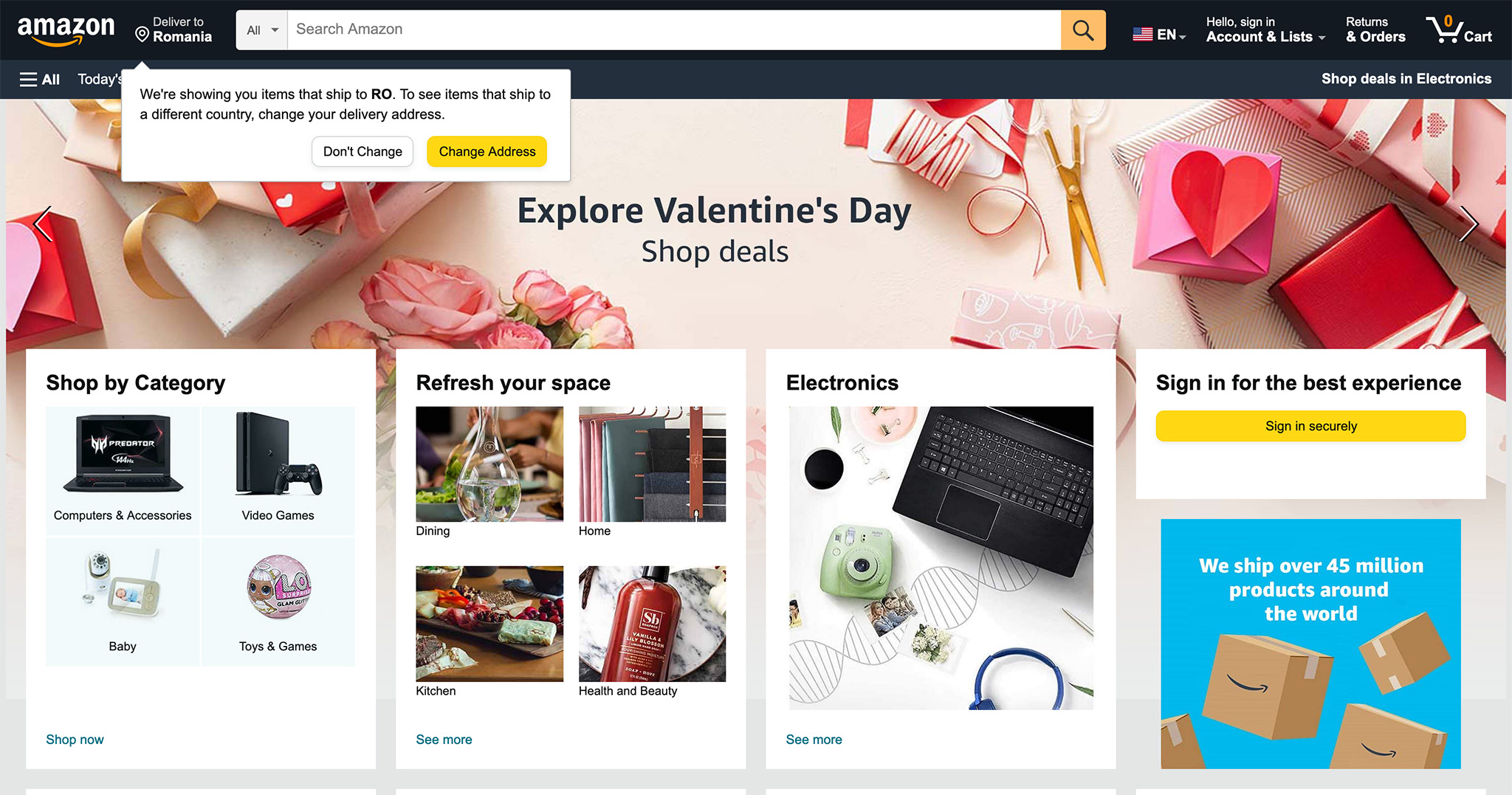
The Amazon.com marketplace remains the flagship expression of the Amazon brand for most consumers. It embodies the core promises of vast selection, competitive pricing, and unmatched convenience. The brand experience here is one of boundless possibility, where customers can find almost anything they need, delivered directly to their doorstep. The platform itself, with its intuitive interface, recommendation engines, and customer reviews, reinforces the brand’s commitment to personalization and user empowerment. Third-party sellers operating on the marketplace also benefit from the Amazon brand halo, gaining access to a massive customer base that trusts the platform for a seamless transaction experience. The consistency of this e-commerce brand experience across geographies has cemented Amazon’s reputation as the quintessential online retailer.
Amazon Web Services (AWS): A B2B Powerhouse with a Distinct Identity
Perhaps the most surprising, yet incredibly successful, brand within the Amazon ecosystem is Amazon Web Services (AWS). Initially an internal solution for Amazon’s own infrastructure needs, AWS evolved into a standalone cloud computing platform for businesses. While it carries the “Amazon” name, AWS has cultivated a distinct B2B brand identity focused on reliability, scalability, innovation, and cost-effectiveness. Its marketing targets developers, IT professionals, and enterprises, emphasizing technical prowess and industry leadership rather than consumer convenience. The strategic decision to brand AWS separately, yet under the Amazon umbrella, allowed it to build credibility in a highly technical and demanding market without being constrained by the consumer retail perception of the parent brand. AWS’s success demonstrates Amazon’s ability to build and nurture powerful sub-brands that resonate with diverse audiences while contributing significantly to the overall corporate value.
Media & Entertainment: Prime’s Brand Promise
Amazon’s foray into media and entertainment, primarily through Prime Video, Amazon Music, and its acquisitions like MGM Studios, is another facet of its brand diversification. Here, the brand promise shifts towards premium content, exclusive access, and integrated entertainment experiences. Prime Video leverages the strength of the Amazon Prime subscription, positioning itself as an added value for loyal customers. The brand’s strategy in this space is to create a “sticky” ecosystem, where entertainment offerings reinforce the utility and attractiveness of the broader Prime membership, deepening customer engagement and loyalty. The Amazon brand in entertainment is about providing high-quality, diverse content seamlessly integrated into the Amazon experience, further solidifying its presence in the daily lives of its users.
Extending the Brand: Strategic Acquisitions and New Frontiers

Amazon’s brand strategy also heavily relies on its ability to strategically acquire and integrate other brands, expanding its footprint into new industries. These ventures are carefully chosen to either complement existing offerings, capture new market segments, or leverage Amazon’s core competencies in logistics and customer service.
Physical Retail: Bridging Digital and Brick-and-Mortar
The acquisition of Whole Foods Market in 2017 marked a significant moment in Amazon’s brand journey, signaling its serious intent to enter physical retail. This move was not just about groceries; it was about extending the Amazon brand’s promise of convenience and efficiency into the brick-and-mortar world. Whole Foods, a premium organic grocer, brought with it a distinct brand identity that Amazon sought to integrate rather than overwrite, while simultaneously injecting Amazon’s technological efficiencies (like Prime discounts and delivery integration) into the physical shopping experience. Other physical ventures, such as Amazon Go cashierless stores and Amazon Fresh grocery stores, further demonstrate the brand’s commitment to redefining retail by blurring the lines between online and offline, all under the umbrella of seamless Amazon convenience.
Healthcare, Logistics, and Beyond: Amazon’s Expanding Horizon
Beyond retail, Amazon’s brand continues to expand into unexpected territories. Its ventures into healthcare, exemplified by Amazon Pharmacy and Amazon Care (though the latter was recently shuttered, demonstrating the dynamic nature of brand ventures), indicate a long-term strategy to bring its customer-centric approach to complex industries. Similarly, its massive logistics network, initially built to support its e-commerce operations, has evolved into a formidable independent brand asset, potentially offering services to other businesses. Even Alexa, the voice AI, is a distinct brand that integrates Amazon’s technological prowess into smart home ecosystems. These expansions underscore Amazon’s belief that its core brand attributes – reliability, efficiency, and customer focus – are universally applicable, allowing it to disrupt and innovate in diverse sectors by carrying its powerful brand promise into new domains.
Marketing and Perception: Sustaining a Mega-Brand
Managing a brand of Amazon’s magnitude and diversity requires sophisticated marketing strategies and a constant awareness of public perception. Amazon’s marketing efforts are as varied as its business units, yet they consistently reinforce the underlying corporate identity.
Data-Driven Personalization and Trust
A cornerstone of Amazon’s brand marketing is its unparalleled use of data to personalize the customer experience. From tailored product recommendations on its e-commerce site to curated content suggestions on Prime Video, Amazon’s algorithms reinforce the brand promise of knowing and serving individual customer needs. This hyper-personalization builds trust and a sense of individual recognition, fostering deeper brand loyalty. Marketing campaigns often highlight the ease of use and time-saving aspects of Amazon’s services, appealing directly to the desire for efficiency and convenience that defines modern consumer lifestyles. The brand consistently emphasizes its commitment to customer satisfaction, using reviews, ratings, and responsive customer service as integral parts of its brand communication.
Managing Brand Reputation and Challenges
The sheer scale of Amazon’s operations inevitably brings scrutiny and challenges to its brand reputation. Issues concerning labor practices, antitrust concerns, data privacy, and environmental impact periodically surface, posing significant tests for the brand. Amazon actively engages in public relations and corporate social responsibility initiatives to address these concerns, recognizing that maintaining a positive public image is crucial for its long-term brand equity. For instance, its investments in renewable energy and sustainable packaging are efforts to align its brand with growing consumer expectations for corporate responsibility. Successfully navigating these challenges requires a delicate balance of transparency, proactive communication, and demonstrable action to protect the integrity and trustworthiness of the Amazon brand.
The Future of the Amazon Brand: Innovation and Integration
Looking ahead, the future of the Amazon brand appears to be one of continued innovation and deeper integration, aiming to make its ecosystem even more indispensable. The goal is not just to be “in” many things, but to be the seamless, intelligent thread that connects various aspects of consumers’ and businesses’ lives.
The Ecosystem Play: Seamless Customer Journeys
Amazon’s strategic vision involves creating a deeply integrated ecosystem where its various services complement each other, locking customers into a cycle of convenience and value. The future of the Amazon brand lies in making the “Amazon experience” not just a destination but a constant, ambient presence. Imagine Alexa seamlessly ordering groceries from Amazon Fresh, recommending movies on Prime Video, managing smart home devices, and even handling healthcare appointments through Amazon Pharmacy, all interconnected by a singular, intelligent Amazon brand interface. This ecosystem play aims to create a network effect, where the value of each service is amplified by its connection to others, reinforcing customer loyalty and making it harder for users to leave the Amazon sphere.
Global Reach and Local Adaptation
As Amazon continues its global expansion, its brand strategy increasingly focuses on balancing its universal core identity with local market nuances. While the pillars of customer obsession and convenience remain consistent, Amazon adapts its marketing, product offerings, and even its operational logistics to suit local cultures, regulations, and consumer preferences. From customizing e-commerce platforms to acquiring local businesses that resonate with regional tastes, Amazon’s brand is evolving to be both globally recognized and locally relevant. This dual approach ensures that “what Amazon is in” will continue to expand, not just geographically, but also in the depth of its integration into diverse societies, making the Amazon brand a truly global, yet personalized, phenomenon.
In conclusion, “what Amazon is in” is a complex narrative of strategic brand building, relentless customer focus, and audacious diversification. It is in retail, cloud computing, entertainment, groceries, logistics, and countless other ventures, all unified by a powerful brand identity built on trust, convenience, and an insatiable desire to innovate for the customer. The Amazon brand is a testament to the idea that a strong corporate identity, when managed strategically, can transcend specific products or services to become a pervasive and indispensable part of the modern world.
aViewFromTheCave is a participant in the Amazon Services LLC Associates Program, an affiliate advertising program designed to provide a means for sites to earn advertising fees by advertising and linking to Amazon.com. Amazon, the Amazon logo, AmazonSupply, and the AmazonSupply logo are trademarks of Amazon.com, Inc. or its affiliates. As an Amazon Associate we earn affiliate commissions from qualifying purchases.