
The story of Amazon’s creation is more than just a tale of technological innovation or financial prowess; it is a foundational narrative in brand building. From a nascent idea hatched in a garage to an omnipresent force dominating global e-commerce, cloud computing, and digital entertainment, Amazon’s journey offers invaluable insights into how a brand can be conceived, nurtured, and strategically expanded to achieve unprecedented scale and loyalty. Its creation was, at its core, an exercise in defining a unique identity, establishing a compelling value proposition, and relentlessly focusing on the customer experience to forge an enduring legacy.

The Visionary Seed: Cultivating a Customer-Centric Identity
Amazon’s inception was rooted in a keen observation of the nascent internet’s potential. In the mid-1990s, Jeff Bezos, a successful Wall Street executive, recognized the exponential growth of web usage and meticulously researched products that could be sold effectively online. This initial strategic analysis wasn’t just about market opportunity; it was about identifying the ideal entry point to establish a new kind of retail brand.
From “Cadabra” to “Amazon”: Naming the Vision
The very first step in brand creation is often the name, and Amazon’s initial naming process is instructive. Bezos first considered “Cadabra,” suggesting magic, but quickly discarded it due to its auditory similarity to “cadaver.” This early decision underscored a crucial branding principle: a name must convey the right associations and be free of unintended negative connotations.
His search continued for a name that was unique, memorable, and conveyed a sense of scale. Settling on “Amazon” – after the largest river in the world – was a stroke of branding genius. It immediately evoked vastness, abundance, and an almost limitless flow, perfectly aligning with Bezos’s “everything store” ambition. Furthermore, names starting with ‘A’ would appear at the top of alphabetical search listings in the early internet era, an ingenious practical advantage that contributed to initial brand visibility. This strategic naming laid the groundwork for a brand that promised unparalleled selection and reach.
The Book-First Strategy: Building Trust and Category Dominance
While Bezos envisioned the “everything store” from the outset, he understood that a brand cannot launch by being everything to everyone. The strategic decision to start with books was a pivotal branding move. Books were non-perishable, easy to ship, and importantly, offered a vast selection that physical bookstores struggled to match. This focus allowed Amazon to:
- Establish Credibility: By excelling in one category, Amazon could build trust and a reputation for reliability. Customers could easily compare Amazon’s prices and selection with traditional bookstores, seeing a clear advantage.
- Define a Niche, Then Expand: The “Earth’s Biggest Bookstore” tagline was a brilliant piece of branding. It communicated unparalleled choice and convenience, carving out a distinct identity in a market dominated by physical chains. This narrow focus allowed the brand to master its logistics, customer service, and online interface before attempting broader expansion. It proved that a strong, focused brand entry could serve as a springboard for future diversification.
Obsession with the Customer: The Enduring Brand Ethos
Perhaps the most defining aspect of Amazon’s brand from its creation has been its unwavering, almost fanatical, customer-centricity. Bezos famously left an empty chair in meetings, symbolizing the customer, ensuring every decision was filtered through their perspective. This wasn’t merely a business strategy; it was a fundamental brand ethos that permeated every aspect of the company.
This obsession translated into tangible brand promises: competitive pricing, vast selection, convenience, and a relentless drive for efficiency in delivery and service. From allowing customer reviews—a revolutionary concept at the time—to making returns easy, Amazon consistently prioritized the customer experience. This approach built deep customer loyalty and established a brand reputation for being trustworthy, reliable, and always putting the customer first, becoming a core pillar of its corporate identity.
Laying the Foundational Pillars: Crafting the Brand Experience
The abstract vision of the Amazon brand was brought to life through concrete operational strategies and digital design choices that together created a cohesive and compelling brand experience. These were not mere technical details but essential elements that communicated the brand’s values and promises directly to the consumer.
The Website as the Storefront: Early UX and Digital Presence
In the nascent days of the internet, Amazon’s website was its primary, if not sole, brand touchpoint. Bezos understood that the online store had to be intuitive, efficient, and user-friendly. The focus was on simple navigation, clear product listings, and a streamlined checkout process. While aesthetically rudimentary by today’s standards, its functionality was revolutionary.
The website’s design directly reflected the brand’s promise of convenience and selection. It was a digital storefront that was always open, accessible from anywhere, and offered a depth of inventory impossible for a physical store. This digital presence shaped early perceptions of the Amazon brand as innovative, accessible, and forward-thinking, setting a new standard for online retail branding.
Cultivating Customer Loyalty: Reviews, Recommendations, and Community
A significant part of Amazon’s early brand-building strategy involved empowering its customers and fostering a sense of community. The introduction of customer reviews was a radical move that flew in the face of conventional retail wisdom, which prioritized tightly controlled product messaging. Bezos, however, saw the immense brand value in authenticity and transparency.
Customer reviews not only provided social proof and helped consumers make informed decisions but also built a sense of trust and engagement. It communicated that Amazon valued its customers’ opinions and was confident enough in its products to allow unfiltered feedback. Furthermore, the personalized recommendation engine, initially basic, evolved into a powerful tool that made shopping feel tailored and intelligent. These features helped transform Amazon from a mere retailer into a trusted shopping companion, deepening brand loyalty and making the overall brand experience sticky and unique.
Logistics as a Brand Promise: Delivering on Expectations
While often seen as an operational concern, Amazon’s relentless focus on logistics and fulfillment was, and remains, a critical component of its brand promise. The ability to deliver products quickly and reliably directly translated into customer satisfaction and reinforced the brand’s core values of convenience and efficiency.
Early investments in sophisticated warehousing, inventory management, and shipping networks weren’t just about cutting costs; they were about delivering on the brand’s implicit promise of speed and dependability. Every package delivered on time, every streamlined return, reinforced Amazon’s brand as a logistical powerhouse that could consistently meet and exceed consumer expectations. The physical manifestation of the brand – the actual delivery of goods – became a potent symbol of its reliability.
Expanding the Horizon: Strategic Diversification and Brand Extension
Having successfully established its brand as the definitive online bookstore, Amazon embarked on an ambitious journey of diversification. This expansion was not random but a meticulously planned series of brand extensions, each designed to leverage the core brand equity while venturing into new territories.
From Books to “Everything Store”: The Ambitious Brand Leap
The transition from “Earth’s Biggest Bookstore” to “The Everything Store” was a monumental branding challenge. It required Amazon to shed its initial, highly successful, category-specific identity without losing the trust and recognition it had built. This was achieved through a consistent application of its customer-centric principles: offering wide selection, competitive pricing, and unparalleled convenience across an ever-growing array of product categories.
The implicit promise of “if you need it, Amazon has it” became a powerful brand differentiator. The brand demonstrated its adaptability and scalability, proving that its core values could translate across vastly different product lines. This strategic brand leap showcased a masterful understanding of how to manage brand identity during rapid expansion, maintaining continuity while embracing change.
The Amazon Ecosystem: AWS, Prime, and Hardware
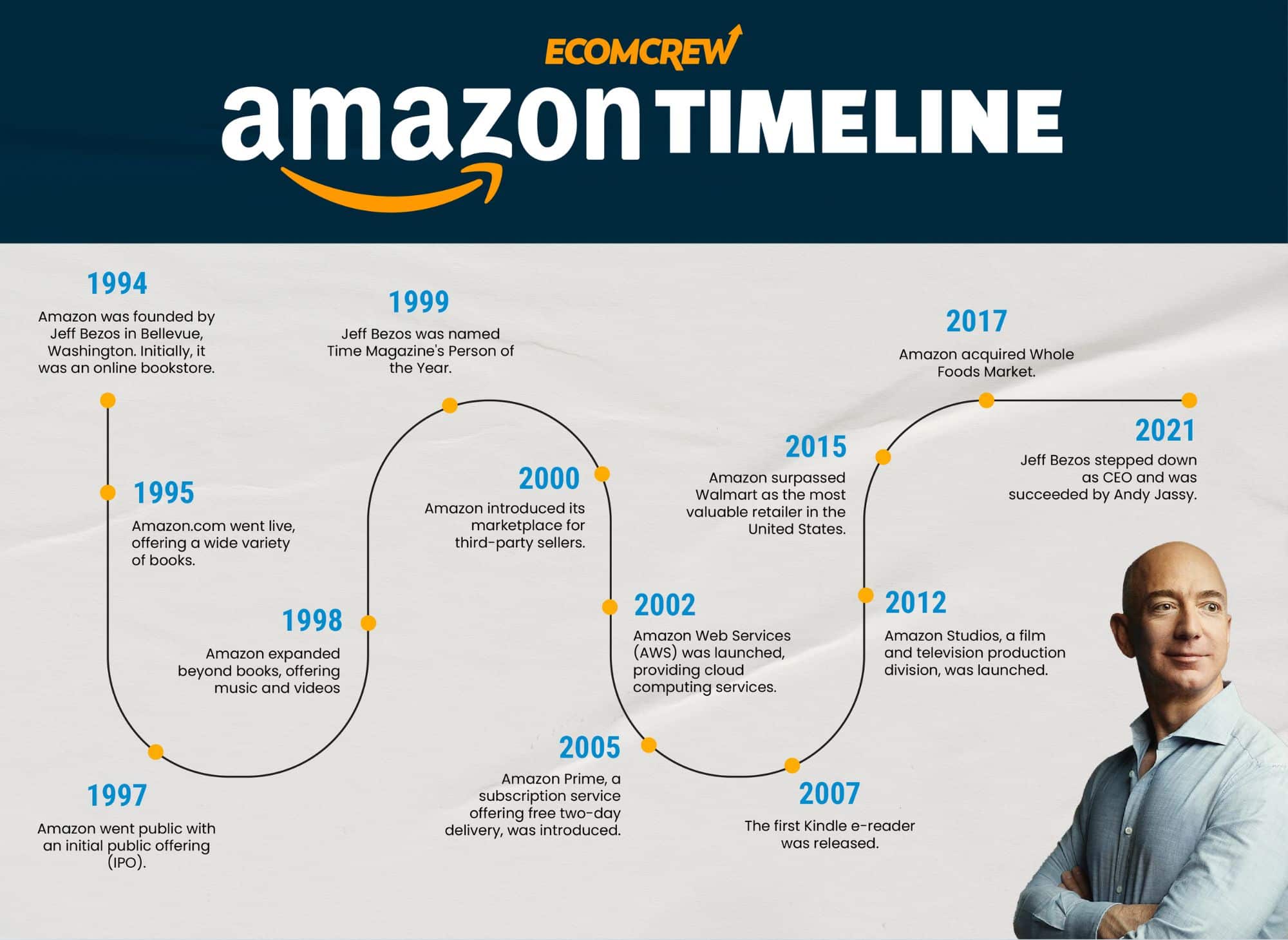
Amazon’s brand evolution took an even more audacious turn with the creation of entire ecosystems of services and products. Amazon Web Services (AWS), initially an internal utility, was productized into a standalone brand that revolutionized cloud computing. This demonstrated a profound ability to abstract and brand capabilities that were once hidden, transforming them into revenue-generating services. AWS became a brand synonymous with enterprise-grade reliability and scalability.
Similarly, Amazon Prime transformed the transactional relationship with customers into a subscription-based loyalty program. By offering expedited shipping, streaming content, and exclusive deals, Prime deepened brand engagement and created a sticky ecosystem that made Amazon indispensable to millions. The introduction of hardware like the Kindle and Echo further extended the brand into consumer electronics, intertwining Amazon’s services with everyday life and solidifying its presence across various digital touchpoints. These initiatives weren’t merely product launches; they were strategic brand extensions that reinforced Amazon’s identity as an innovator and an integral part of the modern consumer’s lifestyle.
The Amazon Logo: Evolving Visual Identity
Throughout its growth, Amazon’s visual identity has evolved while retaining its core elements. The iconic “smile” arrow, stretching from the ‘A’ to the ‘Z’ in its logo, is a brilliant piece of branding. It subtly communicates two key brand messages: that Amazon carries “everything from A to Z,” symbolizing its vast selection, and that its customers will be left with a smile, embodying its customer-centric promise.
This visual shorthand is universally recognized and effectively encapsulates the brand’s expansive reach and positive customer experience. It’s a testament to how simple yet powerful design can convey complex brand messages and contribute to global recognition.
Enduring Principles: Amazon’s Brand Legacy and Impact
The creation and subsequent growth of Amazon serve as a living testament to the power of visionary brand leadership. It illustrates how foundational principles, rigorously applied and strategically expanded, can lead to the establishment of an indelible global brand.
Reinvention as a Core Brand Trait
One of the most remarkable aspects of Amazon’s brand is its intrinsic ability to reinvent itself. From bookseller to everything store, from e-commerce giant to cloud computing leader, and from streaming service provider to hardware innovator, Amazon has continually defied categorization. This constant evolution is not merely a business strategy; it is a core brand trait that positions Amazon as a forward-thinking, adaptive, and endlessly innovative entity. The brand doesn’t fear disruption; it embraces and often initiates it, solidifying its identity as a pioneer.
The Global Brand Phenomenon: Localizing a Universal Identity
Amazon’s journey from a small online bookstore to a global powerhouse also highlights the complexities of international branding. While its core brand values—selection, convenience, and customer focus—are universal, the brand has demonstrated an astute ability to localize its offerings and marketing strategies to resonate with diverse cultures and markets. Maintaining a consistent global identity while adapting to local nuances is a delicate balance, and Amazon has largely succeeded in projecting a universal image of reliability and innovation across continents.

Lessons in Brand Building: What Amazon Teaches Us
The creation story of Amazon is a rich repository of lessons for any aspiring brand builder. It underscores the importance of:
- A Clear Vision: Bezos’s “everything store” vision, though gradually realized, provided a guiding star for all brand decisions.
- Customer Obsession: Placing the customer at the heart of every strategy builds unbreakable loyalty and drives innovation.
- Strategic Naming and Messaging: A powerful name and clear initial value proposition create immediate recognition and trust.
- Controlled Expansion: Starting small, dominating a niche, and then strategically expanding allows a brand to build a strong foundation.
- Experience-Driven Branding: Every touchpoint, from website UX to logistics, contributes to the overall brand perception.
- Adaptability and Reinvention: Brands must be willing to evolve, take calculated risks, and even disrupt their own successful models to remain relevant and competitive.
In essence, Amazon was created not just as a company, but as a brand built on a foundational promise of unparalleled selection, convenience, and unwavering customer focus. This intentional brand genesis, coupled with relentless execution and strategic evolution, transformed a nascent idea into one of the most powerful and recognizable brands in the history of commerce.
aViewFromTheCave is a participant in the Amazon Services LLC Associates Program, an affiliate advertising program designed to provide a means for sites to earn advertising fees by advertising and linking to Amazon.com. Amazon, the Amazon logo, AmazonSupply, and the AmazonSupply logo are trademarks of Amazon.com, Inc. or its affiliates. As an Amazon Associate we earn affiliate commissions from qualifying purchases.