
Qualitative research is a powerful methodology that delves deep into understanding the “why” behind human experiences, behaviors, and perspectives. Unlike quantitative research, which focuses on measurable data and statistical analysis, qualitative research seeks to explore the nuances, complexities, and subjective meanings that shape our world. This approach is particularly valuable in fields like technology, brand strategy, and personal finance, where understanding human motivations and perceptions is paramount.
The term “research design” in qualitative research refers to the overall strategy or framework that guides the entire research process. It’s the blueprint that outlines how the study will be conducted, from defining the research problem and objectives to selecting participants, collecting data, and analyzing findings. A well-defined qualitative research design ensures that the study is rigorous, systematic, and capable of producing rich, insightful, and trustworthy results.
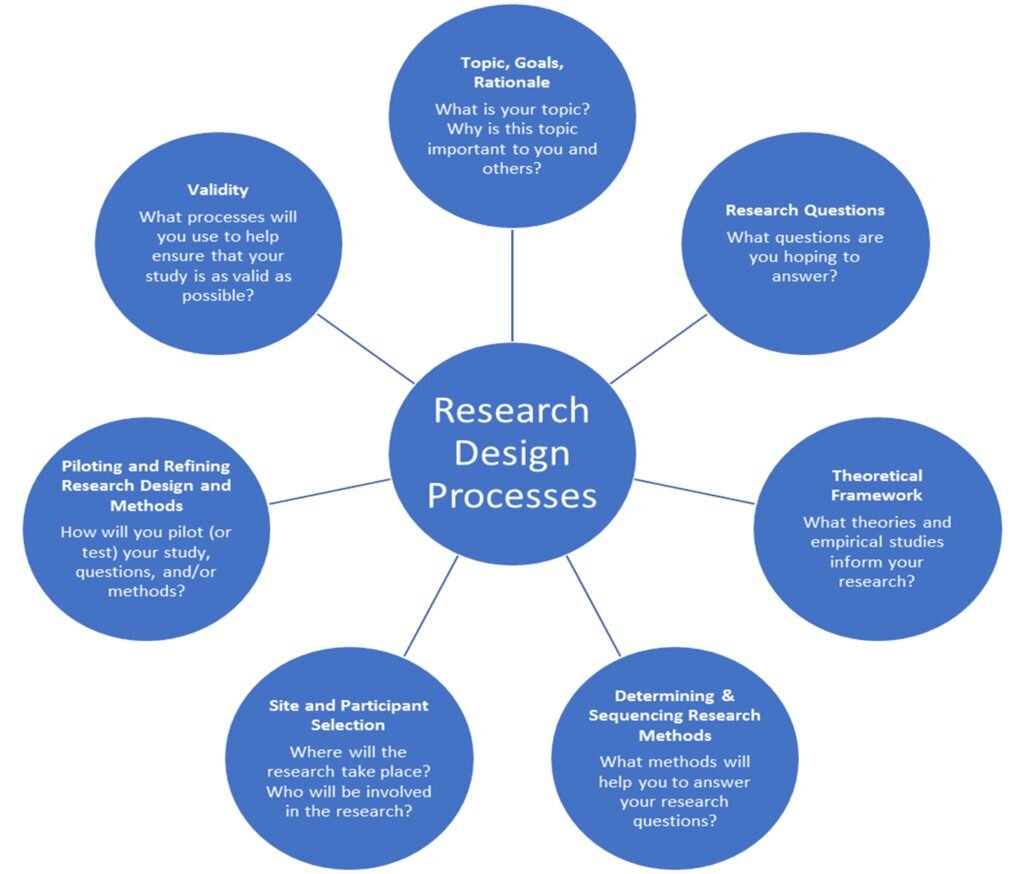
While there isn’t a single, definitive list of qualitative research designs, several established approaches are commonly employed. The choice of design often depends on the specific research question, the phenomenon being investigated, and the researcher’s philosophical underpinnings. For instance, understanding user adoption of a new AI tool (Tech), developing a compelling brand narrative (Brand), or exploring the financial anxieties of young entrepreneurs (Money) all require distinct research designs to uncover the underlying human factors.
Understanding the Core Principles of Qualitative Research Design
Before diving into specific designs, it’s crucial to grasp the foundational principles that underpin all qualitative research. These principles shape the entire research process and distinguish qualitative inquiry from its quantitative counterpart.
Flexibility and Emergent Design
One of the defining characteristics of qualitative research is its flexibility. Unlike the rigid, pre-determined structure of quantitative designs, qualitative research often embraces an emergent design. This means that the research plan can evolve and adapt as the study progresses. New insights gained during data collection can lead to refinements in research questions, participant selection, or data analysis techniques. This adaptability is essential for exploring complex and often unpredictable social phenomena.
For example, a qualitative study exploring the impact of social media on personal branding might initially focus on influencer marketing. However, as interviews reveal the importance of authentic online interactions for building trust, the research design might shift to incorporate a deeper exploration of community building and engagement strategies. This emergent quality allows researchers to uncover unexpected but significant findings that might be missed in a more rigid design.
Focus on Meaning and Interpretation
Qualitative research is fundamentally concerned with understanding the subjective meanings that individuals attribute to their experiences. Researchers aim to get inside the heads of their participants, to comprehend their perspectives, beliefs, values, and emotions. This involves interpreting the data not just as it is presented but also in terms of its underlying significance.
In the context of technology, this means understanding why users adopt or resist certain gadgets, rather than just measuring adoption rates. For brand strategy, it involves deciphering the emotional connections consumers have with a brand, beyond simple purchase intent. In personal finance, it’s about understanding the psychological drivers behind financial decisions, not just the transactions themselves.
Rich, Descriptive Data
Qualitative research prioritizes rich, descriptive data that captures the complexity and nuance of human experience. This data often takes the form of words, images, or observations, rather than numbers. Think of in-depth interview transcripts, field notes from observations, personal diaries, or visual documentation like photographs and videos.
For instance, a study on the effectiveness of a new productivity app might involve observing users interacting with the software, noting their frustrations, moments of delight, and workarounds. These detailed observations, combined with their reflections in interviews, provide a much deeper understanding than simply tracking feature usage statistics.
Inductive Reasoning
Qualitative research typically employs inductive reasoning, moving from specific observations to broader generalizations and theories. Researchers start by gathering detailed data and then look for patterns, themes, and relationships within that data to develop explanations. This contrasts with deductive reasoning, common in quantitative research, where theories are tested against data.
A researcher investigating the rise of side hustles in the online income space might begin by interviewing individuals about their motivations and experiences. Through analyzing these individual stories, common themes like the desire for financial independence, creative fulfillment, or skill development might emerge, leading to a broader understanding of the phenomenon.
Key Qualitative Research Designs
Several distinct research designs are commonly utilized in qualitative research. Each offers a unique lens through which to explore a phenomenon and is suited to different research questions and contexts.
Phenomenology
Phenomenology is a research design that seeks to understand the lived experiences of individuals. It focuses on describing the essence of a phenomenon from the perspective of those who have experienced it. The goal is to uncover the common meanings and structures of consciousness related to a particular experience.
- In Tech: A phenomenological study could explore the lived experience of remote workers adapting to a new collaboration software. Researchers would aim to understand how the software shapes their daily routines, their sense of connection with colleagues, and their overall work-life balance.
- In Brand: This design could be used to understand the lived experience of being a loyal customer of a luxury brand. It would explore the emotions, values, and rituals associated with that brand loyalty.
- In Money: A phenomenological study might investigate the lived experience of individuals who have overcome significant debt. It would delve into their journey, their struggles, their coping mechanisms, and their eventual transformation.
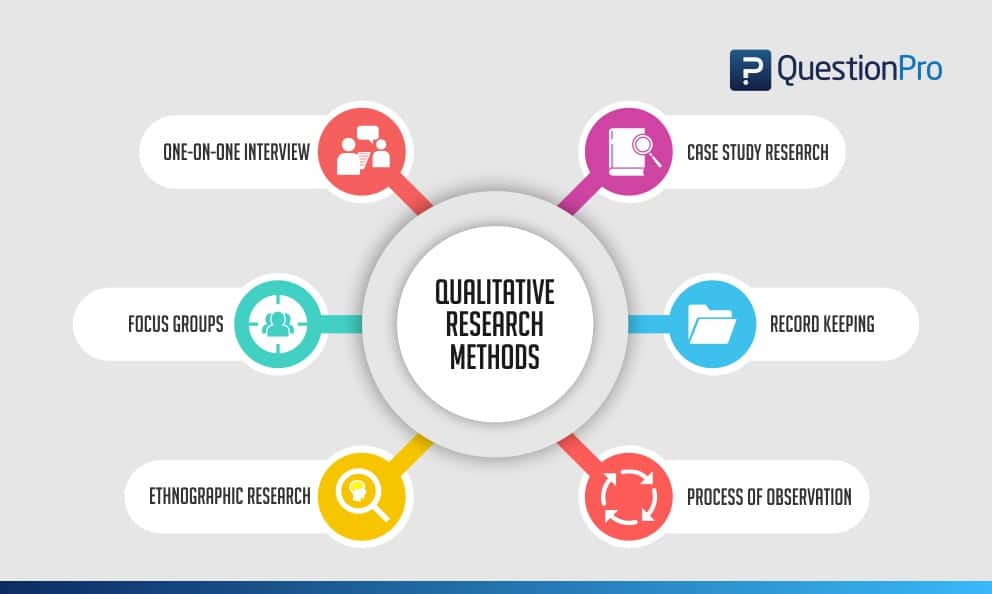
Grounded Theory
Grounded theory is an inductive approach that aims to develop a theory from the data itself. Researchers collect and analyze data concurrently, iteratively refining their theoretical concepts and propositions as they emerge. The key characteristic of grounded theory is the constant comparison of data to identify categories, properties, and relationships that form the basis of the theory.
- In Tech: A grounded theory study could be used to develop a theory explaining the adoption of wearable health trackers among older adults. Data from interviews and observations would be analyzed to identify the underlying factors, motivations, and social influences driving adoption or resistance.
- In Brand: This design could be employed to develop a theory explaining how a brand builds trust with its audience over time. Researchers would analyze customer interactions, brand messaging, and market reception to build a theoretical framework.
- In Money: Grounded theory is ideal for understanding the emergent strategies of entrepreneurs launching new online businesses. Researchers would analyze their experiences, decisions, and learning processes to construct a theory of entrepreneurial success in the digital age.
Ethnography
Ethnography involves the in-depth study of a culture or a social group within its natural setting. Researchers immerse themselves in the environment, observing and interacting with participants to gain a holistic understanding of their beliefs, behaviors, social structures, and shared meanings. The researcher often lives among the group for an extended period.
- In Tech: An ethnographic study could explore the culture of a software development team, observing their daily interactions, communication patterns, and problem-solving approaches. This would provide insights into how technology is integrated into their workflow and their collective understanding of innovation.
- In Brand: Ethnography could be used to study the subculture of a particular fan base that is highly engaged with a specific brand. Researchers would observe their online communities, their rituals, and their shared language to understand their deep connection to the brand.
- In Money: An ethnographic study might examine the financial practices and beliefs within a specific immigrant community, understanding how cultural norms influence their saving, spending, and investing habits.
Case Study
A case study is an intensive, in-depth investigation of a single individual, group, event, organization, or phenomenon. It aims to provide a holistic and detailed understanding of the case within its real-world context. Case studies can be descriptive, exploratory, or explanatory.
- In Tech: A case study of a successful startup that disrupted an industry with a novel technology would be a prime example. The study would examine the company’s origins, its technological innovation, its market entry strategy, and its growth trajectory.
- In Brand: A case study of a brand that successfully revitalized its image after a crisis would be valuable. It would analyze the strategies employed, the communication efforts, and the impact on brand perception.
- In Money: A case study of an individual who achieved remarkable financial success through unconventional means could provide unique insights into innovative financial strategies and personal discipline.
Narrative Research
Narrative research focuses on exploring the stories that individuals tell about their lives. Researchers collect personal accounts, often through interviews, and analyze the structure, content, and meaning of these narratives. The emphasis is on understanding how individuals make sense of their experiences through storytelling.
- In Tech: Narrative research could explore the stories of individuals who have experienced significant career transitions due to technological advancements. Their personal accounts would illuminate the challenges and opportunities they encountered.
- In Brand: This design could be used to collect and analyze customer testimonials and brand stories, understanding how these narratives shape their emotional connection and loyalty to a brand.
- In Money: A narrative study might collect the stories of individuals who have navigated significant financial hardships, exploring their personal journeys of resilience, adaptation, and eventual financial recovery.
Choosing the Right Research Design
Selecting the appropriate qualitative research design is a critical step that significantly impacts the quality and relevance of the research findings. Several factors should guide this decision:
Aligning with the Research Question
The most important consideration is how well a particular design aligns with the specific research question. If the goal is to understand the lived experience of a phenomenon, phenomenology is likely the most suitable. If the aim is to develop a new theory from the ground up, grounded theory would be the better choice. For a deep dive into a specific context, ethnography or a case study might be appropriate. If the focus is on individual stories and meaning-making, narrative research would be preferred.
Considering the Nature of the Phenomenon
The nature of the phenomenon being studied also influences the choice of design. Complex social processes, cultural practices, or individual lived experiences often lend themselves to designs like ethnography, grounded theory, or phenomenology, respectively.
Researcher’s Philosophical Stance
A researcher’s philosophical underpinnings (e.g., interpretivism, constructivism) can also play a role in design selection. Some designs are more closely aligned with certain philosophical perspectives than others.
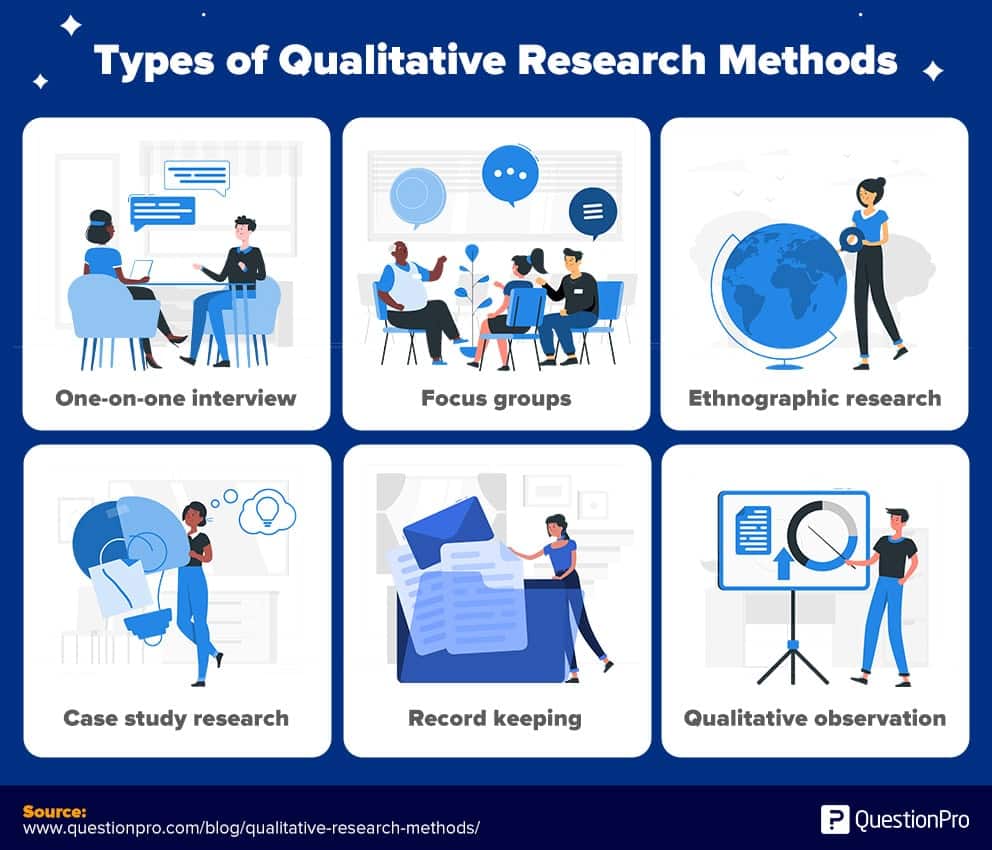
Practical Constraints
Practical considerations such as time, resources, access to participants, and ethical concerns also need to be factored into the decision-making process. For instance, conducting an in-depth ethnography requires significant time commitment and immersion.
In conclusion, qualitative research designs provide a structured yet flexible framework for exploring the rich tapestry of human experience. By understanding the core principles and the nuances of various designs like phenomenology, grounded theory, ethnography, case study, and narrative research, researchers can effectively uncover the deep meanings and insights that drive behavior and shape our understanding of the world, whether it’s navigating the ever-evolving landscape of technology, crafting a compelling brand identity, or making sense of our personal financial journeys. The power of qualitative research lies in its ability to go beyond the surface and illuminate the human element that underpins all these domains.
aViewFromTheCave is a participant in the Amazon Services LLC Associates Program, an affiliate advertising program designed to provide a means for sites to earn advertising fees by advertising and linking to Amazon.com. Amazon, the Amazon logo, AmazonSupply, and the AmazonSupply logo are trademarks of Amazon.com, Inc. or its affiliates. As an Amazon Associate we earn affiliate commissions from qualifying purchases.