
The question “how much is an Amazon stock worth?” might seem straightforward, implying a single, definitive number. However, the true value of a share in a company like Amazon.com, Inc. (AMZN) is far more nuanced than its real-time trading price. For investors, prospective buyers, and financial enthusiasts alike, understanding this value requires delving into a complex interplay of market dynamics, company fundamentals, growth prospects, and economic forces. It’s a journey into the heart of financial markets, where perception, performance, and potential converge.
At its core, a stock’s worth is what the market is willing to pay for it at any given moment. But behind that fluctuating ticker symbol lies the immense machinery of one of the world’s most influential corporations. Amazon is not just an e-commerce giant; it’s a cloud computing behemoth, a digital advertising force, a logistics innovator, and a burgeoning player in numerous other sectors. Each facet contributes to its overall financial health and, by extension, the perceived value of its shares. This article will explore the multifaceted nature of Amazon’s stock worth, providing insights crucial for anyone looking to understand or invest in this iconic company.
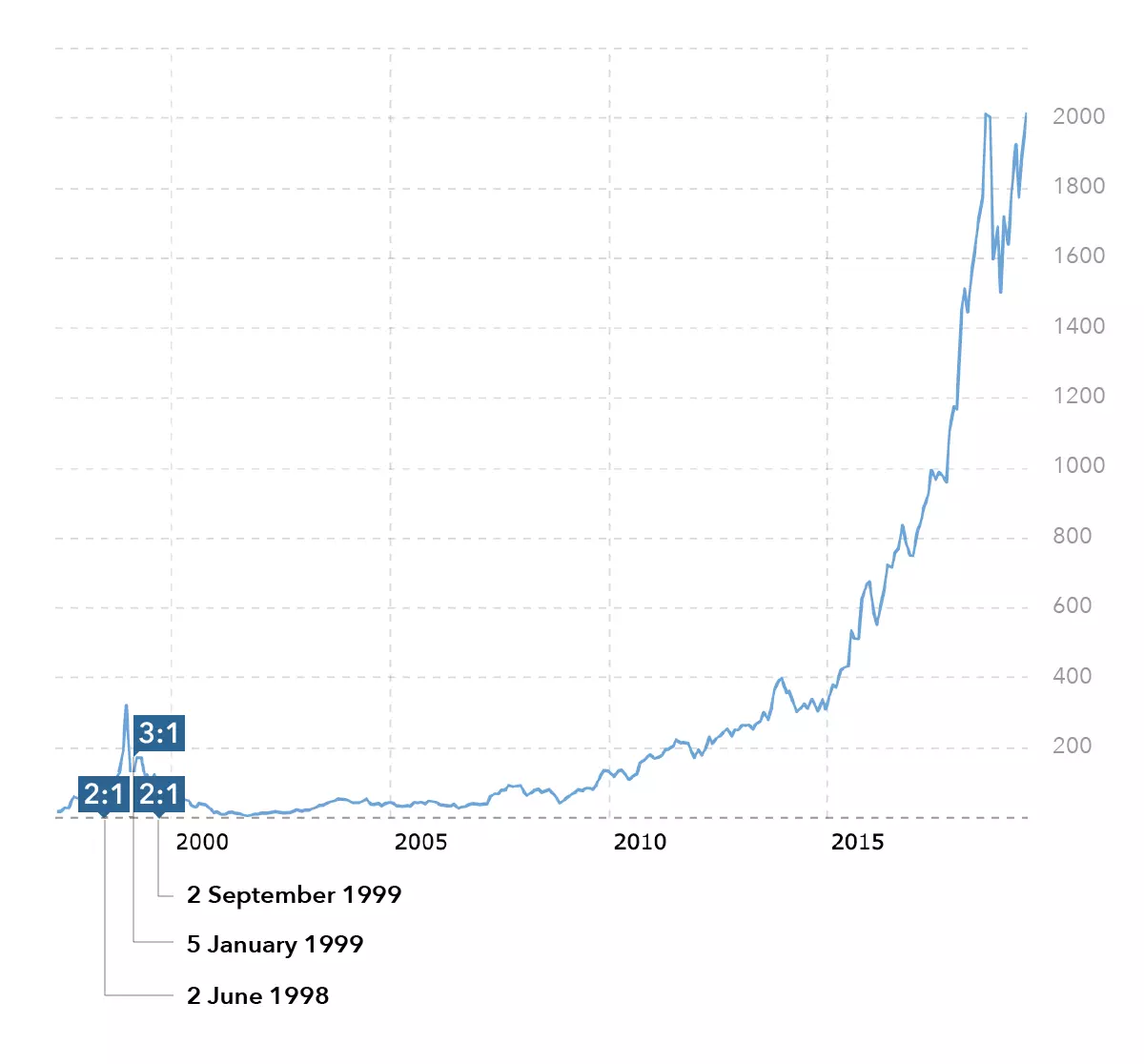
Understanding Amazon’s Stock Valuation
Determining the “worth” of Amazon’s stock involves more than simply checking the latest quote. It requires a comprehensive approach, analyzing both its current market price and its underlying financial health and future prospects.
The Dynamic Nature of Stock Prices
A stock’s price is a real-time reflection of supply and demand on an exchange. If more people want to buy Amazon stock than sell it, the price tends to rise, and vice-versa. This price is influenced by countless factors, from company earnings reports and analyst ratings to broader economic news and global events. Consequently, the “worth” of an Amazon stock is not static; it changes by the second during trading hours, making it a dynamic rather than a fixed figure. Investors often track historical price movements, volume, and volatility to understand these dynamics. However, the market price alone doesn’t tell the whole story of intrinsic value.
Key Metrics for Assessing Value
Savvy investors look beyond the current share price to evaluate a company’s fundamental worth. For Amazon, as with any publicly traded company, several financial metrics are critical:
- Market Capitalization: This is the total value of all a company’s outstanding shares. Calculated by multiplying the current share price by the number of shares outstanding, it gives a snapshot of the company’s size and overall market value. Amazon’s market cap places it among the largest companies globally, signifying its enormous economic footprint.
- Price-to-Earnings (P/E) Ratio: This ratio compares a company’s current share price to its earnings per share (EPS). A high P/E ratio, common for growth stocks like Amazon, suggests investors are willing to pay more for each dollar of earnings, often anticipating strong future growth. Conversely, a lower P/E might indicate a more mature company or one facing headwinds.
- Earnings Per Share (EPS): This metric indicates how much profit a company makes for each share of stock outstanding. Consistent growth in EPS is a positive sign, reflecting increasing profitability.
- Revenue Growth: Amazon’s ability to consistently grow its top-line revenue across its diverse segments is a crucial indicator of its expanding market reach and business success.
- Free Cash Flow (FCF): FCF represents the cash a company generates after accounting for cash outflows to support operations and maintain its capital assets. Strong and growing FCF is vital for funding future growth, reducing debt, and, in some cases, returning value to shareholders. Amazon has historically prioritized reinvestment of FCF back into the business to fuel expansion.
Beyond the Current Share Price
While the real-time stock quote is what you’d see on a brokerage app, true valuation requires a deeper dive into financial statements, management commentary, industry trends, and competitive analysis. Fundamental analysis aims to determine the intrinsic value of a stock, which may or may not align with its current market price. Discrepancies between intrinsic value and market price can present investment opportunities for those who believe the market is mispricing the asset. For a complex, rapidly evolving company like Amazon, this analysis is an ongoing and intricate process.
Factors Influencing Amazon’s Stock Price
Amazon’s stock price is a dynamic reflection of its sprawling business empire, constantly reacting to internal performance and external market forces. Understanding these influences is key to comprehending its valuation.
E-commerce Dominance and Growth
Amazon’s foundational strength lies in its relentless dominance of the e-commerce sector. Its vast selection, competitive pricing, robust logistics network (including Prime membership), and customer-centric approach have created an unassailable moat. The continued growth in online retail, particularly in emerging markets, directly impacts Amazon’s revenue and profitability, acting as a primary driver of its stock performance. Any shifts in consumer spending habits, competitive pressure from rivals, or changes in logistical efficiency can directly sway investor sentiment.
Amazon Web Services (AWS) Powerhouse
Arguably the most significant contributor to Amazon’s profitability and valuation is Amazon Web Services (AWS). As the world’s leading cloud computing platform, AWS provides scalable, on-demand infrastructure to millions of businesses, from startups to enterprises. AWS boasts higher profit margins than the core e-commerce business, making it a critical engine for the company’s overall financial health. Its consistent growth, innovation in cloud technologies (like AI/ML services), and market share leadership are pivotal factors that positively influence Amazon’s stock price. Any acceleration or deceleration in AWS’s growth trajectory is closely watched by investors.
Innovation and Diversification
Amazon is a perpetual innovator, constantly venturing into new markets and developing disruptive technologies. From digital advertising and streaming services (Prime Video, Amazon Music) to smart home devices (Alexa, Ring), healthcare (Amazon Pharmacy, One Medical), and satellite internet (Project Kuiper), these diversifications open new revenue streams and growth avenues. The market often rewards companies demonstrating foresight and the ability to expand their total addressableable market. Successes in these new ventures can fuel long-term growth expectations and, consequently, boost investor confidence and the stock’s valuation. Conversely, significant failures or setbacks in these areas can dampen enthusiasm.
Macroeconomic and Market Forces
Beyond company-specific factors, broader macroeconomic conditions significantly impact Amazon’s stock. Interest rate changes, inflation, consumer confidence levels, and overall economic growth rates can affect both the e-commerce and AWS segments. For instance, higher interest rates can make future earnings less valuable in present terms, potentially leading to a de-rating of growth stocks. Recessions can curb consumer spending, while strong economic growth can boost it. Geopolitical events, global supply chain disruptions, and general market sentiment (e.g., risk-on vs. risk-off environments) also play a role in how investors price Amazon’s shares.
Competitive Landscape and Regulatory Scrutiny
Amazon operates in highly competitive industries, facing challenges from retail rivals (Walmart, Target), cloud competitors (Microsoft Azure, Google Cloud), and advertising giants (Google, Meta). Its ability to maintain market share and competitive advantages is crucial. Furthermore, its immense size and market dominance have drawn increasing regulatory scrutiny worldwide regarding antitrust concerns, labor practices, and data privacy. Potential fines, forced business restructuring, or stricter regulations could impose significant costs and risks, creating uncertainty that may weigh on its stock price.
Investing in Amazon: What You Need to Know
For individuals considering an investment in Amazon, a strategic approach that aligns with personal financial goals and risk tolerance is essential.
How to Buy Amazon Stock
To purchase Amazon stock (AMZN), you’ll need a brokerage account. These accounts can be opened with various online brokers (e.g., Fidelity, Charles Schwab, Robinhood, E*TRADE). Once your account is funded, you can place an order to buy shares. You can choose to buy whole shares or, with some brokers, fractional shares, which allows you to invest a specific dollar amount rather than buying a full, potentially expensive share. Understanding different order types (market order, limit order) is also important to control your entry price.
Considering Your Investment Goals

Before investing in Amazon, clarify your investment objectives. Are you seeking long-term growth, capital preservation, or perhaps income (though Amazon does not currently pay a dividend)? Amazon is generally considered a growth stock, appealing to investors with a longer time horizon who are comfortable with the inherent volatility of fast-growing companies. Assess your risk tolerance: are you prepared for potential short-term price fluctuations for the sake of long-term appreciation?
Diversification and Portfolio Strategy
While Amazon is a compelling company, putting all your investment capital into a single stock, no matter how strong, is generally not advisable. Diversification—spreading your investments across various assets, industries, and geographies—is a cornerstone of sound investment strategy. This approach helps mitigate risk, as a downturn in one particular company or sector will not decimate your entire portfolio. Consider how Amazon fits within your broader asset allocation strategy, balancing it with other stocks, bonds, and alternative investments.
Long-Term Growth Potential vs. Volatility
Amazon has demonstrated remarkable long-term growth, rewarding patient investors. Its innovative spirit, vast market reach, and profitable segments like AWS suggest continued potential. However, as a high-growth, high-profile stock, it can also be volatile. Market sentiment, earnings misses, economic shifts, or regulatory news can lead to significant price swings. Investors should be prepared for these fluctuations and focus on the company’s long-term trajectory rather than getting caught up in daily market noise.
The Financial Tools and Resources for Investors
Navigating the complexities of stock market investing, particularly with a company as vast as Amazon, requires access to reliable information and powerful analytical tools.
Brokerage Platforms and Their Features
Modern brokerage platforms offer much more than just the ability to buy and sell stocks. They provide a suite of tools and resources:
- Research Reports: Many brokers offer proprietary research and analyst ratings on AMZN.
- Charting Tools: Interactive charts allow investors to analyze price history, identify trends, and apply technical indicators.
- News Feeds: Real-time financial news integration keeps investors updated on company announcements and market events.
- Educational Resources: Tutorials, webinars, and articles on investing concepts can help both novice and experienced investors.
- Portfolio Trackers: Tools to monitor the performance of your Amazon investment within your overall portfolio.
Popular platforms include Fidelity, Charles Schwab, Vanguard, E*TRADE, Interactive Brokers, and even newer commission-free apps like Robinhood and Webull, each with distinct features and fee structures.
Financial News and Data Sources
Staying informed about Amazon requires consistent access to financial news and data:
- Official Company Filings: The most authoritative source of information is Amazon’s own filings with the Securities and Exchange Commission (SEC), such as 10-K (annual reports), 10-Q (quarterly reports), and 8-K (current events). These provide detailed financial statements, risk factors, and management discussions.
- Reputable Financial News Outlets: Publications like The Wall Street Journal, Bloomberg, Reuters, Financial Times, and CNBC offer in-depth analysis, breaking news, and expert commentary on Amazon and the broader market.
- Financial Data Websites: Websites such as Yahoo Finance, Google Finance, and Morningstar provide free access to stock quotes, historical data, key financial metrics, and company profiles.
- Analyst Reports: Investment banks and independent research firms publish reports offering their insights and price targets for Amazon.
Analytical Tools for Deeper Insights
Beyond basic data, advanced tools can provide deeper analytical capabilities:
- Stock Screeners: These tools allow investors to filter stocks based on various financial criteria (e.g., P/E ratio, revenue growth, market cap) to compare Amazon against peers or identify similar investment opportunities.
- Valuation Models: For those with advanced financial knowledge, building discounted cash flow (DCF) models or using comparable company analysis (CCA) can help estimate Amazon’s intrinsic value.
- Sentiment Analysis Tools: Some platforms offer tools that gauge market sentiment towards a stock, often by analyzing news articles, social media, and analyst ratings.
- Technical Analysis Software: Dedicated software can help investors identify patterns and indicators in price and volume data to predict future price movements.
Utilizing a combination of these resources empowers investors to make more informed decisions about the worth and potential of Amazon stock.
Is Amazon Stock a Good Investment for You?
The ultimate question for any potential investor is whether Amazon stock aligns with their individual financial journey. There’s no universal “yes” or “no” answer, as the suitability of an investment is deeply personal.
The Importance of Due Diligence
Before committing capital, thorough due diligence is paramount. This involves:
- Understanding the Business: Gaining a clear grasp of Amazon’s diverse operations, revenue streams (e-commerce, AWS, advertising, subscriptions, etc.), competitive advantages, and future strategic direction.
- Analyzing Financials: Reviewing Amazon’s income statements, balance sheets, and cash flow statements to assess its profitability, solvency, and operational efficiency. Pay attention to trends in revenue, expenses, net income, and free cash flow.
- Assessing Risks: Identifying and evaluating the potential risks, including regulatory challenges, increased competition, economic downturns, supply chain vulnerabilities, and geopolitical factors.
- Management Evaluation: Considering the quality and experience of Amazon’s leadership team and their track record of innovation and execution.
Consulting a Financial Advisor
For many, especially those new to investing or with complex financial situations, consulting a qualified financial advisor is invaluable. An advisor can help:
- Assess Your Financial Goals: Define your short-term and long-term objectives.
- Determine Your Risk Tolerance: Understand how much risk you’re comfortable taking.
- Create a Personalized Investment Plan: Develop a diversified portfolio strategy that fits your unique needs.
- Provide Objective Advice: Offer an unbiased perspective on whether Amazon stock aligns with your overall financial picture.
Their expertise can prevent emotional decisions and ensure your investment choices are part of a coherent financial strategy.

A Balanced Perspective
While Amazon has a history of impressive growth and innovation, it is crucial to approach any investment with a balanced perspective. No stock guarantees future returns, and past performance is not indicative of future results. Weigh the potential rewards—driven by its strong market position, diversified businesses, and relentless innovation—against the inherent risks of market volatility, competitive pressures, and regulatory uncertainties.
Ultimately, the “worth” of an Amazon stock is not just its current market price; it’s the potential value it holds within a well-constructed investment portfolio, aligned with an investor’s personal financial goals, risk appetite, and long-term vision. Through careful research, strategic planning, and, if necessary, professional guidance, investors can make an informed decision about whether Amazon is a valuable addition to their financial future.
aViewFromTheCave is a participant in the Amazon Services LLC Associates Program, an affiliate advertising program designed to provide a means for sites to earn advertising fees by advertising and linking to Amazon.com. Amazon, the Amazon logo, AmazonSupply, and the AmazonSupply logo are trademarks of Amazon.com, Inc. or its affiliates. As an Amazon Associate we earn affiliate commissions from qualifying purchases.