
For many aspiring investors, the question, “How much is one share in Amazon?” is often the first step in exploring an investment opportunity in one of the world’s most influential companies. Amazon (AMZN) has transcended its origins as an online bookseller to become a global e-commerce giant, a dominant cloud computing provider (AWS), and a formidable player in advertising, streaming, and logistics. Its pervasive influence across multiple sectors makes it a perennial topic of interest for those looking to grow their wealth. However, understanding the true cost of an Amazon share and, more importantly, whether it aligns with one’s financial goals, requires a deeper dive into the dynamics of stock market investing.
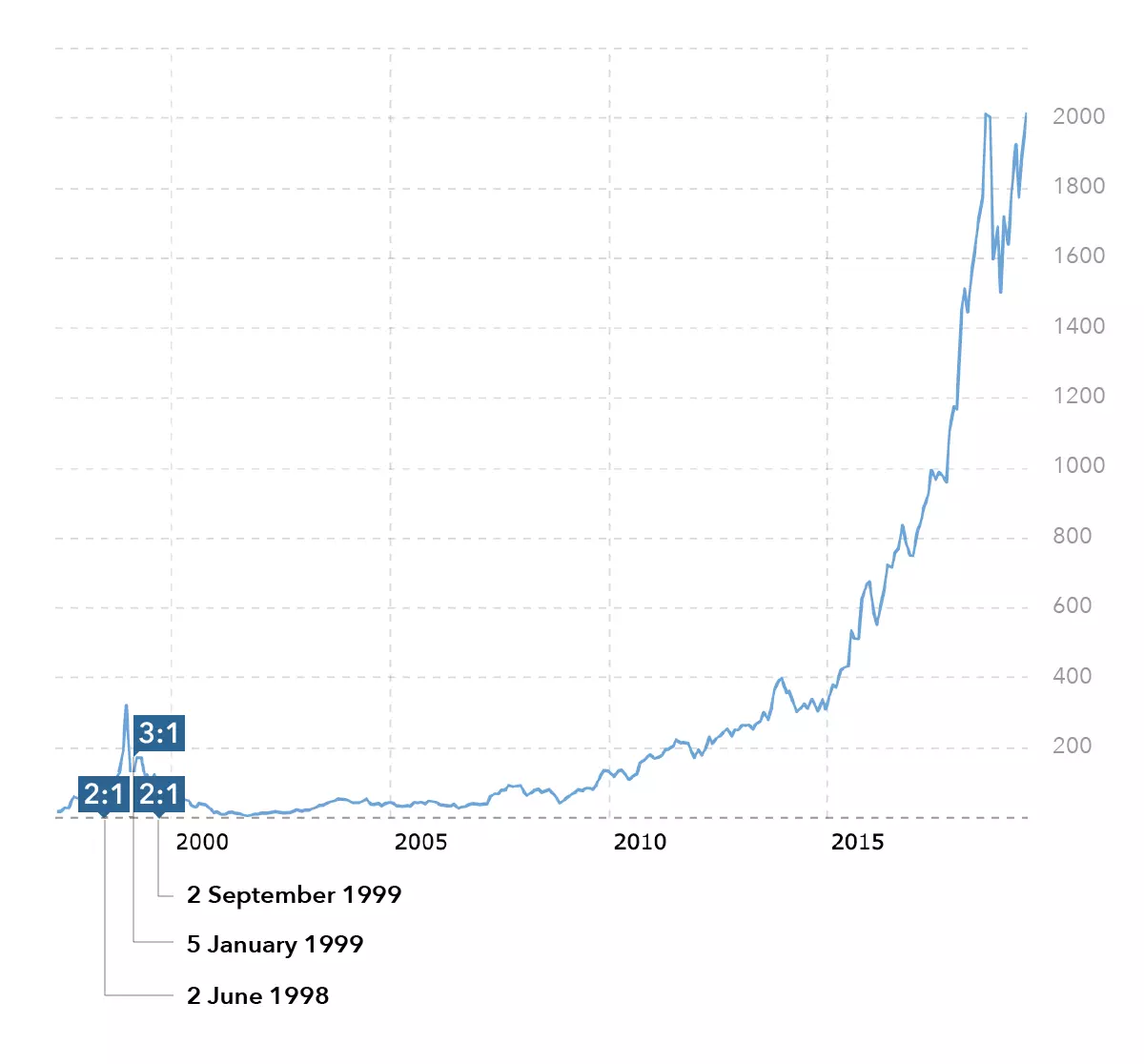
The price of a single share of Amazon stock is not a static figure. It is a constantly fluctuating metric, a live reflection of market sentiment, company performance, economic indicators, and a myriad of other variables. At any given moment, its value is determined by the interplay of buyers and sellers on major stock exchanges, primarily the NASDAQ. This article aims to demystify the process, providing a comprehensive guide to understanding Amazon’s share price, the factors influencing it, and the broader considerations for anyone contemplating an investment in this technological titan.
The Dynamic Nature of Amazon Stock (AMZN)
Investing in Amazon means engaging with a highly dynamic asset whose value is subject to continuous change. The sheer volume of transactions and the constant influx of new information mean that the price per share can shift dramatically within minutes, hours, or days.
Real-Time Valuation: More Than Just a Number
When you look up “AMZN stock price,” the number you see is typically the last traded price. This figure, however, is merely a snapshot in time. The market is alive with bids (prices buyers are willing to pay) and asks (prices sellers are willing to accept), constantly adjusting based on demand and supply. The official closing price reported at the end of a trading day reflects the final transaction, but even after-hours trading can impact where the stock opens the following day. For investors, understanding this real-time fluctuation is crucial. It means that the price you see when you decide to buy might not be the exact price at which your order executes, especially during periods of high volatility. Brokerage platforms provide real-time quotes, charts, and depth-of-market data to help investors track these movements, but the fundamental takeaway is that a stock’s price is a liquid, ever-changing entity.
Factors Influencing AMZN’s Share Price
Several powerful forces conspire to move Amazon’s stock price up or down. Recognizing these influences is key to understanding its valuation.
Firstly, Company Earnings and Financial Performance are paramount. Quarterly and annual earnings reports, detailing revenue, profit margins, and growth in key segments like e-commerce, AWS, and advertising, often trigger significant price movements. Strong performance typically boosts investor confidence, while missed expectations can lead to sell-offs.
Secondly, Macroeconomic Conditions play a vital role. Factors such as interest rates, inflation, consumer spending trends, and overall economic growth or recessionary fears can broadly impact market sentiment towards growth stocks like Amazon. A strong economy often correlates with increased consumer spending and business investment in cloud services, benefiting Amazon.
Thirdly, Industry Trends and Competitive Landscape are critical. Amazon operates in highly competitive arenas. Innovations from rivals, shifts in consumer behavior (e.g., increased brick-and-mortar shopping post-pandemic), or disruptions in supply chains can affect its market position and, consequently, its stock price. Regulatory scrutiny, particularly concerning antitrust issues in both e-commerce and cloud services, also casts a long shadow, introducing potential risks that investors must weigh.
Finally, Market Sentiment and News Events can cause short-term volatility. Analyst upgrades or downgrades, major product announcements, leadership changes, or even broader geopolitical events can sway investor perception and lead to rapid price adjustments, sometimes irrespective of fundamental company performance.
Historical Context: Growth and Stock Splits
Amazon’s journey in the stock market has been nothing short of spectacular, marked by sustained growth and strategic stock splits. A stock split is a corporate action that increases the number of a company’s shares outstanding by dividing each existing share into multiple new shares. While it increases the number of shares, it proportionally decreases the price per share, so the total market value of the company remains unchanged. For example, a 20-for-1 stock split means that for every one share an investor owned, they now own 20 shares, each at one-twentieth of the original price. Amazon has executed multiple stock splits throughout its history, most recently a 20-for-1 split in June 2022. The primary purpose of such splits is often to make the stock price more accessible to a broader range of individual investors, particularly those with smaller capital, and to increase liquidity. While a split doesn’t change the intrinsic value of your investment, it can create psychological appeal and potentially attract more buyers. Understanding Amazon’s history of splits is crucial when looking at long-term price charts, as historical prices are typically adjusted to reflect these events.
Beyond the Sticker Price: Investing in Amazon
While knowing “how much” a share costs is the starting point, the actual act of investing involves understanding various avenues and mechanisms that allow you to gain exposure to Amazon.
Direct Share Ownership vs. Indirect Exposure
The most straightforward way to invest in Amazon is through direct share ownership, where you purchase individual shares of AMZN stock through a brokerage account. This gives you direct ownership of a piece of the company and full exposure to its price movements. However, it also means your investment is entirely concentrated in one company, carrying higher idiosyncratic risk.
Alternatively, you can gain indirect exposure to Amazon through various investment vehicles. Exchange-Traded Funds (ETFs) and mutual funds often hold Amazon stock as part of their portfolios. For instance, a technology sector ETF, a large-cap growth fund, or a broad market index fund (like one tracking the S&P 500) will likely include Amazon among its top holdings. This approach offers diversification, as your investment is spread across many companies, reducing the impact of any single stock’s poor performance. While you won’t own Amazon shares directly, you’ll still benefit from its growth as part of the fund’s overall performance.
Fractional Shares: Lowering the Barrier to Entry
Historically, if a stock like Amazon was trading at several hundred or even thousand dollars per share, an investor with limited capital might have been priced out. The advent of fractional shares has revolutionized this. Many modern brokerage platforms now allow investors to buy a fraction of a share, meaning you can invest a specific dollar amount (e.g., $100) into Amazon, regardless of its per-share price. If a share costs $150, your $100 investment would buy you approximately 0.66 shares. This innovation has significantly lowered the barrier to entry for high-priced stocks, democratizing access to investing in top-tier companies and allowing investors to build diversified portfolios with smaller sums of money.
The Role of Brokerage Accounts
To buy a share of Amazon, whether whole or fractional, you need a brokerage account. These are accounts specifically designed for buying and selling investment securities. Reputable online brokerages offer user-friendly platforms, often with low or no trading commissions, making it easier than ever for individual investors to participate in the stock market. When choosing a brokerage, consider factors like fees, available investment products, research tools, customer service, and ease of use. Once your account is opened and funded, you can typically place an order for AMZN stock with just a few clicks.
Is Amazon Stock a Good Investment for You?
The question of whether Amazon stock is a “good investment” is highly personal and depends on individual financial goals, risk tolerance, and investment horizon. There’s no universal answer, but evaluating the company’s fundamentals and your own strategy is crucial.

Evaluating Amazon’s Business Fundamentals
Amazon’s robust business fundamentals provide a strong foundation for its valuation. Its primary growth drivers include:
- E-commerce Dominance: Despite increasing competition, Amazon maintains a leading position in online retail, benefiting from its vast logistics network, Prime membership loyalty, and continuous innovation in delivery.
- Amazon Web Services (AWS): This cloud computing arm is a behemoth, consistently driving a significant portion of Amazon’s profits. AWS provides critical infrastructure for countless businesses worldwide, benefiting from the ongoing digital transformation trend.
- Advertising Business: Amazon’s advertising segment has grown rapidly, leveraging its vast user data and product search intent, making it a compelling alternative to traditional digital ad platforms.
- New Ventures and Innovation: Amazon continually invests in new areas, from healthcare (One Medical, Amazon Pharmacy) to satellite internet (Project Kuiper) and physical retail (Whole Foods, Amazon Go). These ventures offer future growth potential, albeit with inherent risks.
Analyzing these segments, their growth trajectory, profitability, and competitive advantages is essential for understanding Amazon’s long-term investment appeal.
Assessing Risk vs. Reward
Like all investments, Amazon stock comes with inherent risks alongside its potential rewards.
Rewards include capital appreciation from continued business growth, market leadership, and expansion into new lucrative sectors. Amazon has a proven track record of innovation and execution, which bodes well for future returns.
However, risks are significant. These include intense competition in all its business segments, potential regulatory headwinds (e.g., antitrust investigations, data privacy concerns), macroeconomic downturns affecting consumer and business spending, and the inherent volatility of the stock market. Furthermore, Amazon’s sheer size means achieving the same percentage growth rates as it did in its earlier stages becomes increasingly challenging. Investors must weigh these risks against the potential for future growth.
Diversification and Portfolio Strategy
A crucial aspect of investing is diversification – not putting all your eggs in one basket. Even a fundamentally strong company like Amazon should ideally be part of a broader, diversified portfolio. Concentrating too much of your capital in a single stock, no matter how promising, exposes you to significant idiosyncratic risk. A well-diversified portfolio might include stocks from various sectors, bonds, real estate, and other assets, tailored to your risk tolerance and financial objectives. Amazon might serve as a core holding within a growth-oriented equity allocation, but it should typically not be your entire investment strategy.
Practical Considerations Before Investing
Before you commit your capital, a few practical steps and insights can significantly enhance your investment journey.
Understanding Your Investment Goals and Risk Tolerance
Are you investing for short-term gains, or are you looking to build wealth over decades? What level of market fluctuation can you comfortably stomach? These are critical questions. Amazon, as a growth stock, can experience significant volatility. If you are a conservative investor seeking stable income, Amazon (which does not pay a dividend) might not be the best fit. If you have a high-risk tolerance and a long-term horizon, its growth potential might be more appealing. Clearly defining your goals and understanding your emotional response to market swings will guide your decisions.
Research Tools and Resources
Informed investing requires diligent research. You should regularly consult various resources:
- Company Filings: Amazon’s annual reports (10-K), quarterly reports (10-Q), and other disclosures filed with the SEC are a treasure trove of financial data and strategic insights directly from the company.
- Financial News Outlets: Reputable financial news sources provide up-to-date reporting on Amazon, market trends, and economic news.
- Analyst Reports: Investment banks and independent research firms publish reports with their analysis and ratings of AMZN. While not infallible, they offer valuable perspectives.
- Investor Relations Section: Amazon’s own investor relations website provides earnings call transcripts, presentations, and other vital information.
The Importance of a Long-Term Perspective
The stock market can be a turbulent place in the short term, influenced by daily news cycles and investor emotions. For companies like Amazon with strong fundamentals and long-term growth runways, a long-term perspective is often the most prudent approach. This involves resisting the urge to react to every market dip or surge and instead focusing on the company’s underlying business performance over years, not weeks or months. Compounding returns, where your earnings generate further earnings, is a powerful force that typically unfolds over extended periods.
Alternative Avenues for Amazon Exposure
For investors who prefer a less hands-on approach or wish to further spread their risk, several indirect methods offer exposure to Amazon’s performance.
Index Funds and ETFs with AMZN Holdings
Index funds and ETFs that track broad market indices, such as the S&P 500 or the NASDAQ 100, will naturally include Amazon as one of their largest components. By investing in these funds, you gain diversified exposure not only to Amazon but also to hundreds of other companies, reducing the risk associated with a single stock. This strategy is ideal for investors seeking broad market growth without the need to research individual companies extensively.
Sector-Specific Funds (Tech/E-commerce)
If you have a strong conviction about the technology sector or the e-commerce industry, you can invest in ETFs or mutual funds specifically focused on these areas. Many such funds will have Amazon as a significant holding, allowing you to target your investment within a specific industry while still benefiting from diversification within that sector. This provides a more concentrated exposure to Amazon’s primary markets compared to broad market index funds.

Understanding the Indirect Benefits
Investing through funds offers several indirect benefits: built-in diversification, professional management (for actively managed funds), and often lower minimum investment requirements compared to directly buying a large number of individual shares. While you won’t experience the full, undiluted upside (or downside) of Amazon’s stock alone, you benefit from a smoother investment ride and reduced concentration risk, aligning with sound financial planning principles.
In conclusion, understanding “how much is one share in Amazon” is merely the tip of the iceberg for aspiring investors. The actual cost is dynamic, influenced by a complex interplay of market forces. More importantly, intelligent investing in Amazon, or any stock, involves a thorough evaluation of the company’s fundamentals, a clear understanding of personal financial goals and risk tolerance, and a commitment to continuous learning and diversification. By taking a thoughtful, informed approach, investors can position themselves to potentially benefit from Amazon’s ongoing evolution and impact on the global economy.
aViewFromTheCave is a participant in the Amazon Services LLC Associates Program, an affiliate advertising program designed to provide a means for sites to earn advertising fees by advertising and linking to Amazon.com. Amazon, the Amazon logo, AmazonSupply, and the AmazonSupply logo are trademarks of Amazon.com, Inc. or its affiliates. As an Amazon Associate we earn affiliate commissions from qualifying purchases.