
Amazon.com, Inc. (AMZN) stands as a colossus in the global economy, a household name synonymous with e-commerce, cloud computing, and a relentless pursuit of innovation. For investors, both seasoned and novice, understanding the current price of Amazon stock is often the first step in assessing its value and potential as an investment. However, simply knowing “what Amazon stock is selling for” at any given moment is merely a snapshot. A truly insightful perspective requires delving deeper into the myriad factors that drive its valuation, the financial health of the company, and the broader economic landscape. This article will explore the dynamic nature of AMZN’s share price, the fundamental forces at play, and crucial considerations for anyone contemplating an investment in this tech giant.

Understanding Amazon’s Stock (AMZN)
Amazon’s stock ticker, AMZN, is one of the most closely watched symbols on global exchanges. Its price fluctuates constantly throughout trading hours, influenced by a torrent of real-time data, news, and market sentiment. To grasp its true meaning, we must look beyond the immediate number.
The Dynamic Nature of Stock Prices
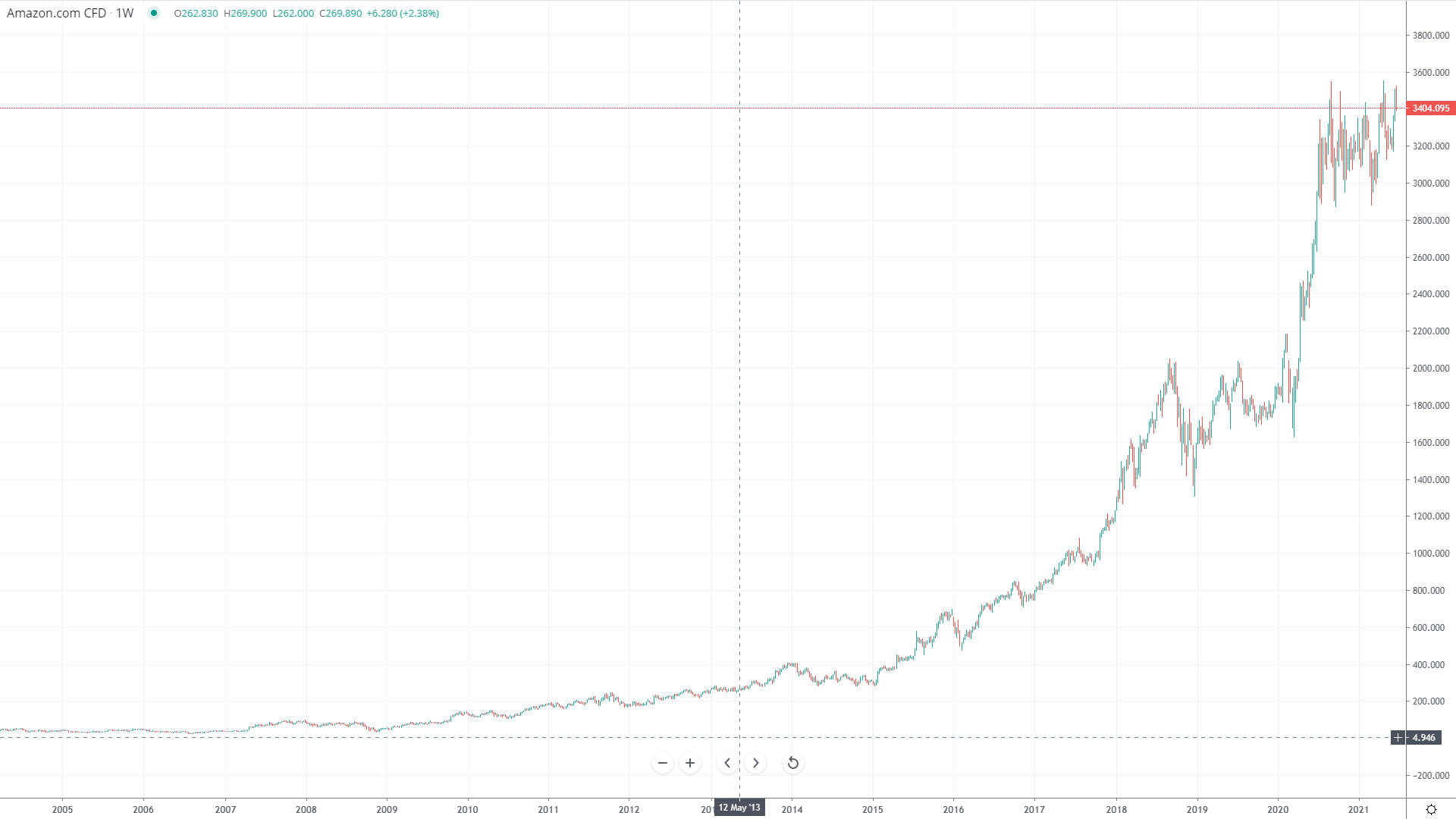
A stock’s price is not a static figure but rather a dynamic reflection of supply and demand in the market. It represents the last agreed-upon price between a buyer and a seller. For a company like Amazon, this price is particularly sensitive to a wide array of inputs: quarterly earnings reports, product announcements, shifts in consumer spending habits, regulatory news, competitor performance, and even geopolitical events. An earnings beat can send shares soaring, while a revenue miss or a bleak forecast can trigger a sharp decline. Understanding that the price you see today is just a moment in time, influenced by countless variables, is fundamental to sound investing.
How to Find the Current AMZN Price
Accessing the real-time price of Amazon stock is straightforward. Numerous platforms provide this information instantly:
- Brokerage Accounts: If you have an investment account, your brokerage platform will display real-time or slightly delayed quotes for AMZN.
- Financial News Websites: Reputable financial news outlets like Bloomberg, Reuters, The Wall Street Journal, Yahoo Finance, and Google Finance offer comprehensive stock quotes, charts, and related news.
- Stock Market Apps: Many mobile applications are dedicated to tracking stock prices and market performance.
When checking the price, pay attention to the time stamp. During trading hours (typically 9:30 AM to 4:00 PM EST on weekdays), the price updates continuously. Outside of these hours, you’ll see the closing price from the previous trading day, along with any after-hours or pre-market trading activity.
The Impact of Stock Splits
It’s crucial to understand that Amazon has undergone stock splits in its history, most recently a 20-for-1 split in June 2022. A stock split divides existing shares into multiple new shares, effectively reducing the price per share while increasing the total number of shares outstanding. For example, a 20-for-1 split means that for every one share an investor owned, they now own twenty, and the price per share is approximately one-twentieth of what it was before the split. While splits don’t change the total value of an investor’s holdings or the company’s overall market capitalization, they make the shares more accessible to a wider range of investors, especially those with smaller capital, by lowering the entry price per share. When comparing historical prices, it’s vital to use “split-adjusted” data for accurate analysis.
Key Factors Driving Amazon’s Valuation
Amazon’s impressive market capitalization, often fluctuating between one and two trillion dollars, is a testament to its multifaceted business model and dominant market positions. Several core pillars underpin its valuation.
E-commerce Dominance and Global Expansion
Amazon’s retail empire remains a foundational element of its valuation. Despite growing competition, its vast selection, competitive pricing, Prime membership benefits (expedited shipping, streaming content), and logistics network provide a formidable moat. The company continues to expand its e-commerce footprint globally, investing in new warehouses, delivery infrastructure, and localized services, particularly in emerging markets. Investors constantly scrutinize metrics like gross merchandise volume (GMV), customer acquisition costs, and Prime subscriber growth for signs of continued health and expansion in this core segment.
Amazon Web Services (AWS) as a Profit Engine
Perhaps the most significant driver of Amazon’s profitability and valuation in recent years has been Amazon Web Services (AWS). AWS is the world’s leading cloud computing platform, providing on-demand computing power, storage, databases, and a plethora of other services to businesses, governments, and educational institutions worldwide. AWS consistently generates higher profit margins than the retail segment, acting as a crucial counterbalance to the sometimes-thin margins of e-commerce. Its continued growth, market share, and technological innovation are paramount for Amazon’s overall financial performance and investor confidence. Investors track AWS revenue growth, operating income, and new contract wins very closely.
Emerging Business Segments
Beyond e-commerce and AWS, Amazon has successfully diversified into several other high-growth areas, each contributing to its valuation:
- Advertising: Amazon’s advertising business, leveraging its vast trove of customer data and prominent placement on its retail sites, has quietly grown into a multi-billion-dollar segment, challenging Google and Meta in digital ad spending.
- Healthcare: Initiatives like Amazon Pharmacy and Amazon Clinic signal a long-term play in the massive healthcare market, offering potential for disruption and new revenue streams.
- Groceries: Through Whole Foods Market and Amazon Fresh, the company is making concerted efforts to capture a larger share of the grocery market.
- Artificial Intelligence (AI): AI underpins much of Amazon’s operations, from recommendation engines to Alexa. The company is investing heavily in AI development, both for internal use and as a service through AWS, positioning itself for future technological shifts. These “other” segments, while smaller, represent future growth vectors that can significantly add to Amazon’s long-term value.
Macroeconomic Influences and Consumer Spending
No company, not even Amazon, is immune to broader macroeconomic forces. Inflation, interest rates, consumer confidence, and GDP growth all play a critical role in shaping investor sentiment and corporate earnings. During periods of economic slowdown, discretionary spending on e-commerce might decrease, impacting retail revenues. Conversely, a robust economy can fuel growth across all segments. Global supply chain issues, labor costs, and fuel prices can also squeeze Amazon’s profitability, especially in its logistics-heavy retail division. Investors must consider these external factors when evaluating Amazon’s current stock price and future prospects.
Investing in Amazon: Considerations for Potential Shareholders
For those considering an investment in AMZN, understanding the company’s fundamentals is just one piece of the puzzle. It’s equally important to align such an investment with personal financial goals and risk tolerance.
Growth vs. Value Investing Perspective
Amazon has historically been viewed as a quintessential growth stock, characterized by rapid revenue expansion and reinvestment of profits back into the business rather than distributing them as dividends. Growth investors are typically willing to pay a premium for future earnings potential. However, as Amazon has matured and achieved massive scale, some analysts also begin to assess it through a value lens, looking at its free cash flow generation and the underlying profitability of its various segments, especially AWS. Depending on your investment philosophy, you might weigh different metrics more heavily.
Risks and Challenges
While Amazon’s strengths are undeniable, investors must also acknowledge potential risks:
- Competition: Amazon faces fierce competition from traditional retailers, other e-commerce giants, and specialized cloud providers.
- Regulation: Its dominant market position has attracted increasing scrutiny from antitrust regulators globally, potentially leading to fines or forced divestitures.
- Labor Costs and Unionization: Amazon’s vast workforce in warehouses and delivery is increasingly seeking better wages and working conditions, potentially increasing operating expenses.
- Supply Chain Disruptions: As a global logistics powerhouse, Amazon is vulnerable to disruptions in global supply chains.
- Cybersecurity Risks: A company of Amazon’s size and data handling capacity is a constant target for cyberattacks, which could lead to data breaches and reputational damage.
Addressing these risks is critical for long-term value creation.
Diversification and Portfolio Strategy
No single stock, regardless of its perceived strength, should constitute an oversized portion of an investment portfolio. Investing in Amazon stock should be part of a well-diversified strategy that spreads risk across various asset classes, industries, and geographies. This approach helps mitigate the impact of any single company’s underperformance on your overall financial health. For instance, while Amazon provides exposure to tech and e-commerce, balancing it with investments in healthcare, financials, energy, or bonds can create a more resilient portfolio.
Long-Term Outlook and Analyst Sentiment
Most professional analysts maintain a positive long-term outlook for Amazon, citing its continued dominance in cloud computing, the vast potential in advertising and emerging segments, and its capacity for innovation. However, price targets and short-term recommendations can vary based on market conditions, earnings reports, and specific macroeconomic forecasts. It’s prudent to review research from multiple reputable sources and understand the underlying assumptions behind their recommendations rather than blindly following a single opinion. The company’s ability to consistently innovate and expand into new profitable ventures will largely determine its trajectory.
Beyond the Share Price: Financial Metrics to Watch
While the stock price captures attention, a deeper dive into Amazon’s financial statements provides a more comprehensive picture of its health and intrinsic value. Savvy investors look beyond the ticker.
Revenue and Earnings Growth
Consistent revenue growth, particularly from high-margin segments like AWS, is a primary indicator of Amazon’s ability to expand its market share and deliver value. Earnings per share (EPS) and net income reveal the company’s profitability. While Amazon historically prioritized reinvestment over immediate profit maximization in its retail arm, its maturation means greater scrutiny is now placed on its ability to translate revenue into sustainable earnings.
Free Cash Flow and Profitability
Free Cash Flow (FCF) is a crucial metric, representing the cash a company generates after accounting for cash outflows to support operations and maintain its capital assets. It indicates how much cash is available to pay down debt, pay dividends (though Amazon doesn’t currently pay them), repurchase shares, or pursue new investments. Amazon’s FCF generation, particularly from AWS, is a strong positive signal of its financial strength. Operating margins for each segment also provide insight into efficiency and profitability.
Debt Levels and Financial Health
Examining Amazon’s balance sheet for its debt-to-equity ratio and other liquidity metrics provides insight into its financial stability. While large companies often carry debt for strategic investments, excessive or rapidly increasing debt levels can signal risk. Amazon’s strong cash flow typically allows it to manage its debt effectively, but monitoring these ratios is always a good practice.
Shareholder Returns
Unlike many mature companies, Amazon has historically not paid dividends, opting instead to reinvest its profits back into the business to fuel further growth. This strategy reflects its growth-oriented nature. While some investors prefer dividend-paying stocks for regular income, Amazon’s approach aims to generate shareholder value through capital appreciation. Investors should understand this philosophy and ensure it aligns with their own investment objectives.
How to Invest in Amazon Stock
For those convinced of Amazon’s long-term potential, the process of investing in its stock is relatively straightforward.
Opening a Brokerage Account
The first step is to open an investment account with a reputable online brokerage firm. These firms provide the platform and tools needed to buy and sell stocks. You’ll typically need to provide personal identification and financial information.
Types of Orders
When purchasing AMZN, you can place different types of orders:
- Market Order: This instructs your broker to buy or sell shares immediately at the best available current price. It’s fast but doesn’t guarantee a specific price.
- Limit Order: This instructs your broker to buy or sell shares only at a specific price you set or better. This gives you more control over the price but might mean your order isn’t filled immediately if the market price doesn’t reach your limit.
Dollar-Cost Averaging
Many investors employ a strategy called dollar-cost averaging. Instead of investing a large lump sum all at once, they invest a fixed amount of money at regular intervals (e.g., $100 every month), regardless of the stock’s price. This strategy helps mitigate the risk of buying all your shares at a market peak and averages out your purchase price over time.
Fractional Shares
For those with smaller capital, many modern brokerages offer the option to buy fractional shares. This means you can invest a specific dollar amount (e.g., $50) into Amazon stock, even if that amount is less than the price of one full share. This democratizes access to high-priced stocks and allows for easier diversification with limited funds.

Conclusion
The question “what is Amazon stock selling for?” initiates a journey into the complex world of financial markets, corporate valuation, and investment strategy. While the immediate price is a useful starting point, a comprehensive understanding requires analyzing Amazon’s diverse business segments—e-commerce, AWS, advertising, and emerging ventures—alongside its financial health, competitive landscape, and the broader macroeconomic environment. For potential investors, Amazon presents a compelling, albeit not risk-free, opportunity rooted in its innovation and market dominance. However, any investment decision should always be preceded by thorough personal research, an assessment of one’s own financial goals and risk tolerance, and a commitment to diversification. Investing wisely in AMZN, or any stock, is about more than just a number; it’s about understanding the company’s story, its challenges, and its potential for future growth within your own financial framework.
aViewFromTheCave is a participant in the Amazon Services LLC Associates Program, an affiliate advertising program designed to provide a means for sites to earn advertising fees by advertising and linking to Amazon.com. Amazon, the Amazon logo, AmazonSupply, and the AmazonSupply logo are trademarks of Amazon.com, Inc. or its affiliates. As an Amazon Associate we earn affiliate commissions from qualifying purchases.