
Apple Inc. (AAPL) earnings reports are among the most highly anticipated financial disclosures in the global market. For investors, analysts, and economists alike, the announcement of Apple’s quarterly financial results is more than just a peek into one company’s performance; it’s often a significant market event, offering crucial insights into consumer spending, the health of the technology sector, and broader economic trends. Understanding when these reports are released, what they contain, and how to interpret them is fundamental for informed financial decision-making.
Understanding the Significance of Apple’s Earnings Reports
Apple’s immense market capitalization and its pervasive influence across multiple industries—from consumer electronics and software to entertainment and financial services—make its earnings reports particularly impactful. The company’s financial health serves as a bellwether, reflecting shifts in global supply chains, consumer discretionary spending, and the competitive landscape of the tech industry.
A Bellwether for Tech and the Market
Given its scale, Apple’s performance often provides an early indication of trends that might affect other tech giants and even the overall market. For example, strong iPhone sales can signal robust consumer confidence, while a slowdown in Mac or iPad sales might suggest a more cautious business or educational spending environment. The growth of Apple’s Services segment—which includes the App Store, Apple Music, iCloud, and Apple Pay—is particularly watched, as it represents a high-margin, recurring revenue stream that is increasingly vital to the company’s long-term strategy and valuation. A robust Services performance can reassure investors about Apple’s diversification beyond hardware.
Impact on AAPL Stock Price
The release of earnings reports is almost invariably accompanied by significant volatility in Apple’s stock price (AAPL). Expectations leading up to the announcement can drive prices higher or lower, as investors position themselves based on analyst consensus estimates and market sentiment. A “beat” (actual results exceeding expectations) or a “miss” (falling short of expectations) can trigger sharp movements immediately following the release. Beyond the headline numbers, subtle deviations in segment performance, gross margins, or future guidance can also lead to substantial price adjustments, impacting individual portfolios and potentially influencing broader market indices where Apple holds significant weight.
Locating Apple’s Earnings Calendar
For investors looking to track Apple’s financial performance, knowing exactly when the company plans to release its earnings is the first step. Apple, like all publicly traded companies, follows a predictable, albeit not precisely fixed, quarterly schedule.
Apple’s fiscal year ends in September, meaning its quarters are:
- Q1: October, November, December (results typically released late January)
- Q2: January, February, March (results typically released late April)
- Q3: April, May, June (results typically released late July)
- Q4: July, August, September (results typically released late October)
The precise date is usually announced a few weeks in advance. There are several reliable sources for finding these dates.
Official Apple Investor Relations
The most accurate and authoritative source for Apple’s earnings dates is the company’s own Investor Relations website. Navigate to investor.apple.com and look for a “Financial Calendar,” “Events & Presentations,” or “Upcoming Earnings” section. Apple typically publishes a press release announcing the date and time of the earnings call a few weeks before the actual event. This site also hosts the archived earnings reports, transcripts of earnings calls, and investor presentations, which are invaluable resources for historical analysis.
Financial News Outlets and Brokerage Platforms
Reputable financial news outlets (e.g., Bloomberg, Reuters, The Wall Street Journal, CNBC, Yahoo Finance) and major brokerage platforms (e.g., Fidelity, Schwab, E*Trade) maintain comprehensive earnings calendars. These platforms aggregate earnings dates for thousands of companies, offering convenient access and often providing additional context, such as analyst consensus estimates, historical performance data, and related news articles. Investors can usually set up alerts to be notified when Apple’s earnings date is approaching. Utilizing these sources ensures you stay informed without having to constantly check multiple individual company sites.
Key Metrics and Insights from Apple’s Earnings
Once the earnings report is released, investors need to know what to scrutinize beyond the headline revenue and profit figures. Apple’s financial disclosures are detailed and offer a wealth of information about its operational health, strategic direction, and market position.
Revenue and Profitability
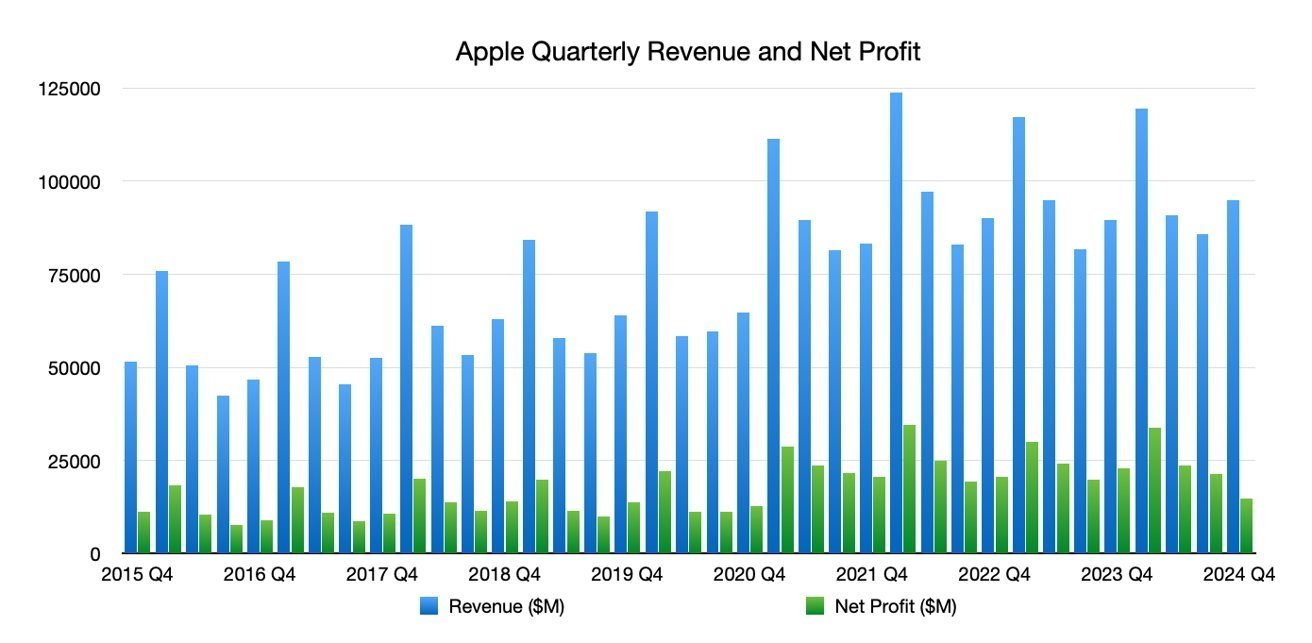
The most basic metrics are total revenue and net income (or earnings per share, EPS). Investors compare these figures against analyst estimates and previous periods to gauge growth. Equally important are gross margin percentages, which indicate how efficiently Apple is producing its goods and services, and operating margin, which reflects profitability after operating expenses. A declining margin can signal increased costs, pricing pressure, or a shift in product mix towards lower-margin offerings.
Product Segment Performance
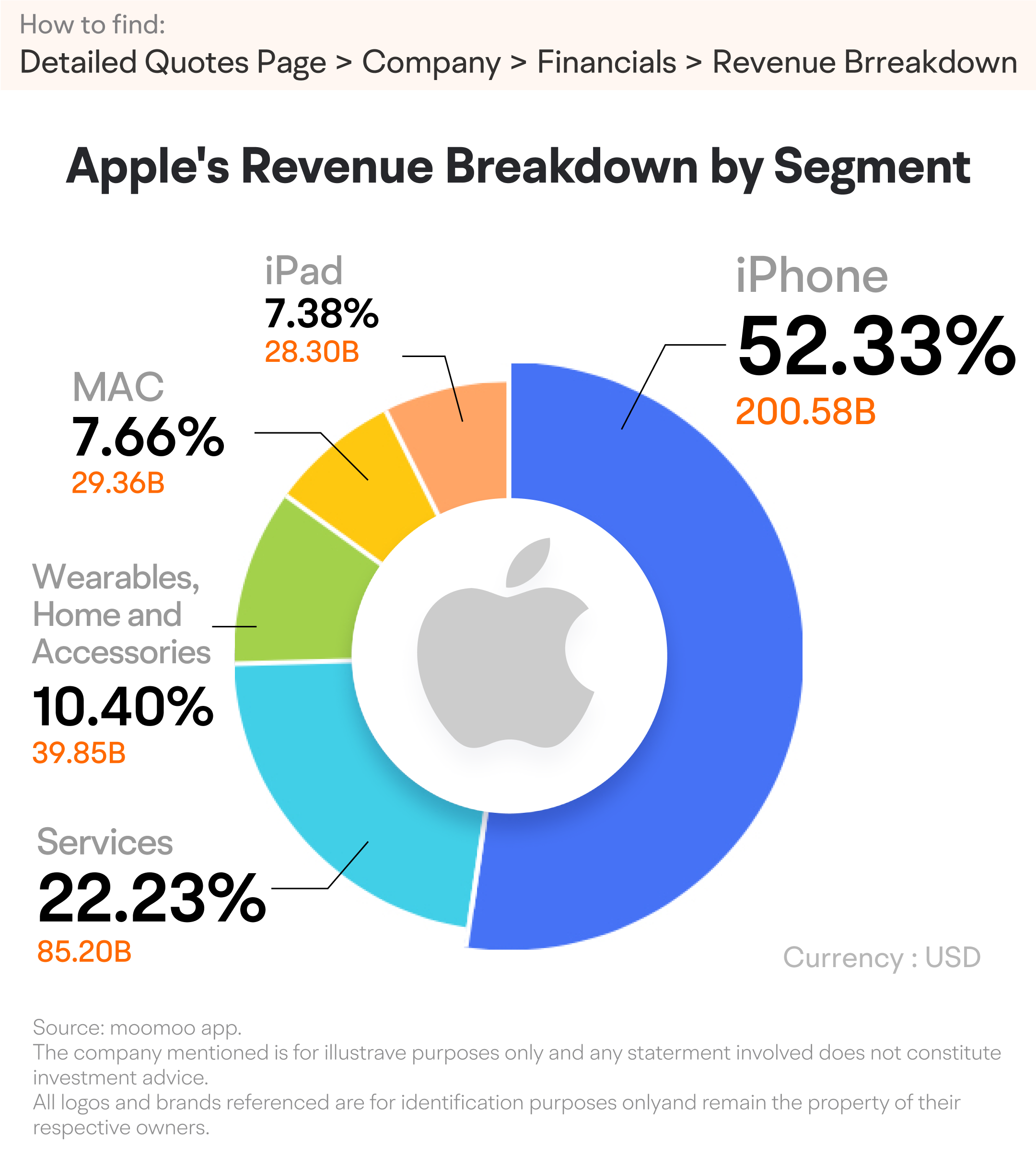
Apple breaks down its revenue by product category:
- iPhone: This remains Apple’s flagship product and typically its largest revenue driver. Growth or decline here is highly influential.
- Services: This segment’s growth is crucial for Apple’s long-term valuation. It includes App Store sales, Apple Music, iCloud, Apple Pay, AppleCare, advertising, and licensing. Investors look for accelerated growth rates and expanding margins.
- Mac: Performance here can reflect trends in the personal computing market and corporate spending.
- iPad: Often influenced by educational cycles and enterprise adoption.
- Wearables, Home and Accessories: This includes Apple Watch, AirPods, HomePod, and other accessories. This segment demonstrates Apple’s ability to innovate beyond its core product lines and create new ecosystems.
Analyzing the performance of each segment provides a granular view of Apple’s strengths and weaknesses, and where its future growth drivers lie.
Geographic Sales Trends
Apple also reports revenue by geographic region (Americas, Europe, Greater China, Japan, Rest of Asia Pacific). These figures offer insights into regional economic health, geopolitical impacts, and market penetration, especially in high-growth markets like China and India. A slowdown in a key region can be a red flag, while strong growth can indicate untapped market potential.
Guidance and Future Outlook
Perhaps the most forward-looking aspect of an earnings report is the company’s guidance for the upcoming quarter or fiscal year. Apple provides estimates for revenue, gross margin, and operating expenses. This guidance is critical because it reflects management’s internal assessment of future business conditions. If guidance falls short of analyst expectations, it can cause a stock price drop even if current earnings were strong, as the market is forward-looking. Conversely, strong guidance can propel the stock higher.
Shareholder Returns (Dividends, Buybacks)
Apple’s capital allocation strategy is also important. The company regularly pays a dividend and authorizes substantial share repurchase programs. Investors look for increases in dividends and the scale of buyback authorizations, as these return capital to shareholders and can signal management’s confidence in future cash flows.
Navigating Earnings Season: Investor Strategies
For individual investors, reacting wisely to Apple’s earnings reports requires a thoughtful approach, balancing short-term volatility with long-term investment goals.
Pre-Earnings Analysis
Before an earnings release, astute investors engage in thorough analysis. This involves reviewing analyst consensus estimates for key metrics, understanding the “whisper numbers” (unofficial market expectations), and familiarizing oneself with any recent company news, product launches, or macroeconomic factors that could influence performance. It’s also prudent to review previous earnings reports to understand historical trends and the company’s usual reporting style. Some investors may choose to adjust their positions (e.g., trim holdings to reduce risk) if they anticipate significant volatility or if their investment thesis is challenged by new information.
Post-Earnings Reaction and Long-Term Perspective
After the earnings are released, resist the urge to make impulsive decisions based solely on immediate stock price movements. While initial reactions can be dramatic, they often reflect algorithmic trading and short-term speculation. Instead, take time to digest the full report, listen to the earnings call, and read professional analysis. For long-term investors, the focus should be on whether the earnings data supports or contradicts the fundamental investment thesis for holding Apple stock. Is the company still innovating? Are its competitive advantages intact? Is its financial health robust? Short-term fluctuations are less significant than the long-term trajectory.
The Earnings Call: Beyond the Numbers
The earnings conference call, usually webcast live a few hours after the report’s release, is an indispensable resource. Here, Apple’s CEO and CFO discuss the results in detail, provide context, offer forward-looking guidance, and answer questions from analysts. Listening to the nuances of management’s tone, their outlook on specific product lines, and their strategic priorities can provide insights that simple financial statements cannot. Pay attention to management’s commentary on supply chain issues, consumer demand trends, competitive pressures, and any new initiatives. These discussions often reveal the underlying drivers behind the reported numbers and future growth prospects.

The Broader Economic Read: What Apple’s Health Tells Us
Beyond its direct implications for Apple shareholders, the company’s earnings reports serve as a powerful economic barometer. Apple’s global reach means its sales figures for iPhones, Macs, and Services offer a tangible snapshot of consumer and business spending patterns across continents.
A strong quarter for Apple, particularly driven by robust iPhone sales, can indicate that consumers are confident enough to invest in premium devices, signaling broader economic stability and discretionary spending power. Conversely, a slowdown, especially in key markets like China or Europe, can point to emerging economic headwinds, such as inflation, geopolitical instability, or currency fluctuations impacting purchasing power.
Moreover, Apple’s guidance often reflects management’s perception of the macroeconomic environment. If Apple’s executives express caution about future revenue or supply chain constraints, it can suggest a more widespread challenge facing the tech sector and potentially the global economy. For macroeconomists and policymakers, Apple’s financial disclosures, therefore, provide a valuable piece of the puzzle in assessing current conditions and forecasting future trends. Understanding “when are Apple earnings” is thus not just about tracking a stock, but about gaining crucial insights into the pulse of the global economy itself.
aViewFromTheCave is a participant in the Amazon Services LLC Associates Program, an affiliate advertising program designed to provide a means for sites to earn advertising fees by advertising and linking to Amazon.com. Amazon, the Amazon logo, AmazonSupply, and the AmazonSupply logo are trademarks of Amazon.com, Inc. or its affiliates. As an Amazon Associate we earn affiliate commissions from qualifying purchases.