
The question “how many shares do Apple have” delves into a fundamental aspect of corporate finance and is crucial for investors, analysts, and anyone interested in the financial mechanics of the world’s largest companies. This seemingly simple query unlocks a wealth of information about a company’s valuation, shareholder returns, and capital management strategy. For a titan like Apple, the number of outstanding shares is a dynamic figure, constantly influenced by strategic financial decisions such as stock splits and massive share repurchase programs.
Understanding Shares Outstanding: A Core Financial Metric
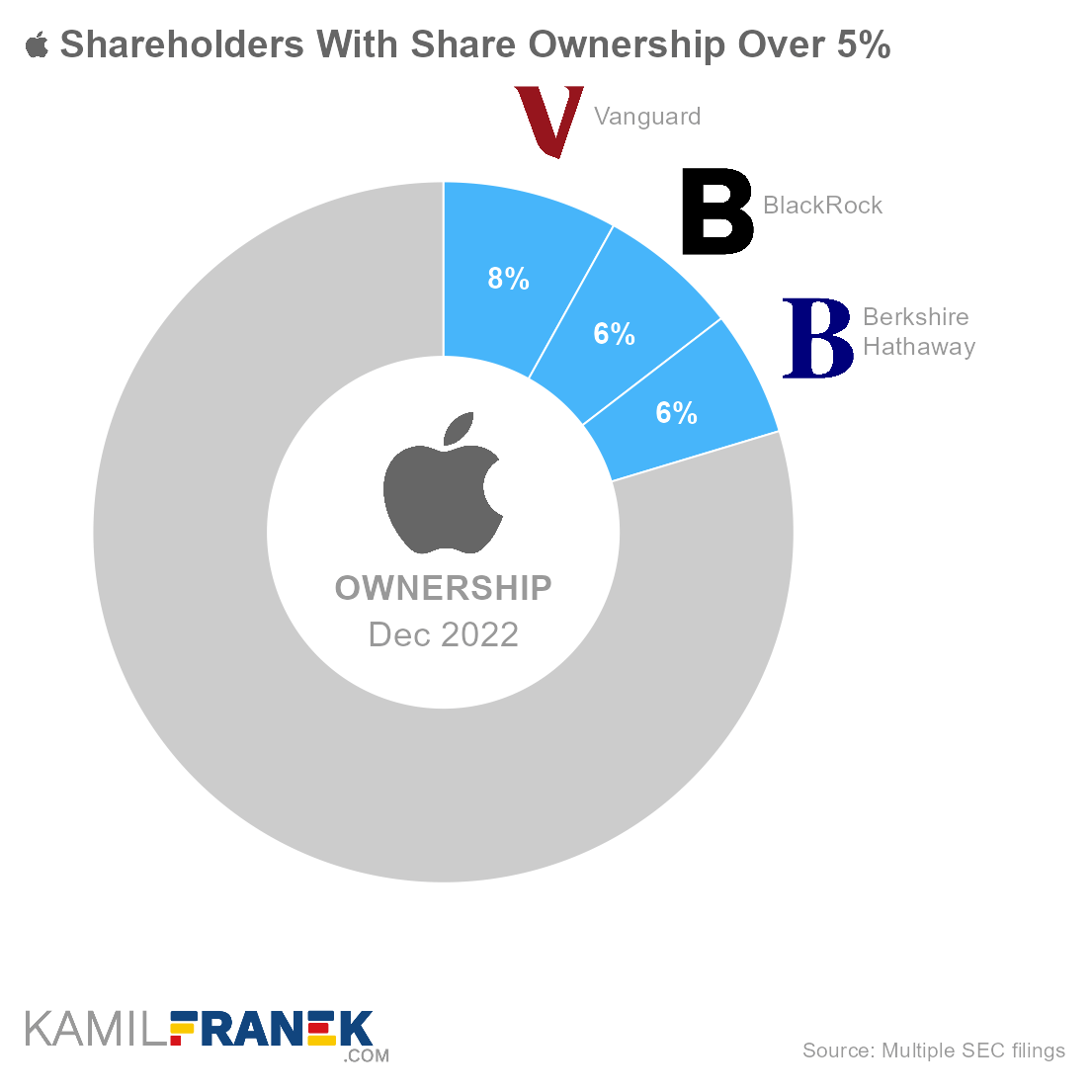
At its core, “shares outstanding” refers to the total number of a company’s shares currently held by all its shareholders, including institutional investors, individual investors, and company insiders. It’s a key component in calculating a company’s market capitalization and various per-share metrics vital for financial analysis.
What are Shares Outstanding?
Shares outstanding represent ownership stakes in a company. When a company goes public, it issues a certain number of shares, and these shares are then traded on stock exchanges. This initial count changes over time due to several corporate actions. It’s distinct from “authorized shares” (the maximum number of shares a company is legally permitted to issue) and “issued shares” (the total number of shares that have ever been created and distributed, which includes both outstanding shares and treasury shares). Shares outstanding are the ones actively trading in the market and held by the public.
Why Does the Number Matter?
The number of shares outstanding is critical for several reasons:
- Market Capitalization: This is calculated by multiplying the current stock price by the number of shares outstanding. It represents the total market value of a company and is a key indicator of its size.
- Per-Share Metrics: Many vital financial metrics are expressed on a “per-share” basis, such as Earnings Per Share (EPS), Dividends Per Share (DPS), and Book Value Per Share. A lower number of shares outstanding, all else being equal, typically leads to higher per-share figures, which can make a company appear more attractive to investors.
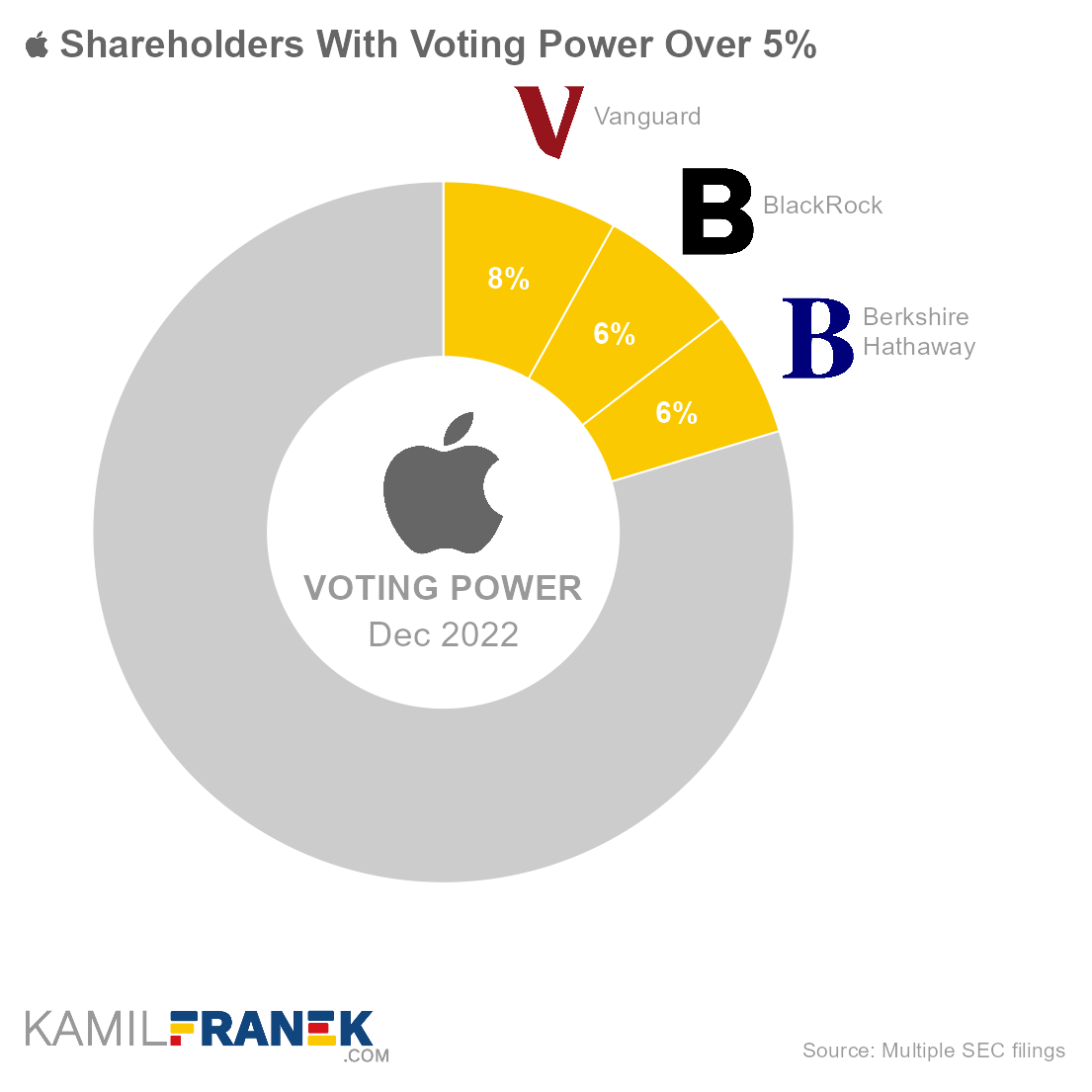
- Voting Power: Each share usually represents one vote in corporate decisions. The total number of outstanding shares dictates the overall voting power distributed among shareholders.
- Ownership Dilution: An increase in shares outstanding (e.g., through secondary offerings or conversion of convertible securities) can dilute the ownership stake of existing shareholders, potentially lowering the value of their holdings. Conversely, a decrease (e.g., through share buybacks) concentrates ownership.
Apple’s Journey to Trillions: The Impact of Stock Splits and Buybacks
Apple’s stock history is characterized by significant events that have dramatically altered its share count, reflecting both its explosive growth and its sophisticated capital management strategies.
The Power of Stock Splits: Expanding Accessibility
Stock splits are corporate actions that increase the total number of a company’s shares while decreasing the stock price proportionally, so the total market value of the company remains unchanged immediately after the split. For example, a 2-for-1 split means that for every one share an investor owned, they now own two, but each share is worth half the previous price. The primary reasons for splits include:
- Making Shares More Accessible: Lowering the per-share price can make the stock more attractive to a broader range of retail investors, particularly those with smaller investment budgets.
- Increasing Liquidity: A lower share price can lead to higher trading volumes, improving market liquidity.
Apple has executed several significant stock splits throughout its history, each multiplying its share count:
- June 1987: 2-for-1
- June 2000: 2-for-1
- February 2005: 2-for-1
- June 2014: 7-for-1 (a particularly large split reflecting its high share price at the time)
- August 2020: 4-for-1
These splits have collectively transformed a single share bought at Apple’s IPO into hundreds of shares today, dramatically increasing the nominal number of shares outstanding without creating new economic value, but broadening the shareholder base.
Apple’s Aggressive Share Buyback Program: A Strategic Maneuver
While stock splits increase the share count, Apple has also been an industry leader in actively reducing its shares outstanding through massive share repurchase (buyback) programs. Share buybacks occur when a company uses its capital to buy back its own shares from the open market. The repurchased shares are then often retired, reducing the total number of outstanding shares. Companies engage in buybacks for several strategic reasons:
- Return Capital to Shareholders: It’s an alternative to dividends for returning cash to investors, especially for companies with significant free cash flow.
- Boost Earnings Per Share (EPS): With fewer shares outstanding, the same net income is divided among a smaller number of shares, increasing EPS. This can make the company’s profitability look stronger.
- Support Stock Price: Buybacks can signal to the market that management believes the stock is undervalued, providing upward support for the share price.
- Offset Dilution: Buybacks can also be used to offset the dilution caused by employee stock options and share-based compensation.
Apple began its significant buyback program in 2012, and it has since become one of the most aggressive and consistent repurchasers of its own stock in corporate history. The company has authorized tens of billions of dollars annually for these programs. This sustained effort has led to a substantial reduction in Apple’s shares outstanding over the past decade, directly counteracting the increases from past stock splits and employee equity grants. This strategy is a testament to Apple’s strong cash generation and its commitment to enhancing shareholder value through financial engineering in addition to product innovation.
The Current Landscape: Estimating Apple’s Share Count
Given the constant activity of buybacks, the number of shares Apple has outstanding is not a static figure. It fluctuates quarter to quarter and even day to day as the company executes its repurchase programs.
Finding the Latest Figures
To get the most accurate and up-to-date figure for Apple’s shares outstanding, investors should consult official financial documents. The company is legally required to disclose this information in its regulatory filings.
- SEC Filings: The most reliable source is Apple’s filings with the U.S. Securities and Exchange Commission (SEC). Specifically, the 10-K report (annual report) and 10-Q reports (quarterly reports) provide the number of common shares outstanding at the end of each reporting period. These reports typically include a Consolidated Balance Sheet and a Statement of Operations, where the share count is explicitly stated or can be derived for per-share calculations.
- Investor Relations Section: Apple’s official Investor Relations website typically provides links to its SEC filings and often summarizes key financial data, including shares outstanding, in its quarterly earnings releases.
- Reputable Financial Data Providers: Financial news websites and data platforms (e.g., Bloomberg, Refinitiv, Yahoo Finance, Google Finance, FactSet) compile data from SEC filings and often display the latest reported shares outstanding. However, always cross-reference with official filings for critical investment decisions.
The Dynamic Nature of Share Count
It’s crucial to understand that the number of shares outstanding quoted at any given time, particularly from financial data providers, is often a figure from the most recent quarterly or annual report. Between these reporting periods, Apple continues its buyback activities. Therefore, the exact real-time number of shares outstanding is constantly decreasing, albeit typically by a small percentage each day relative to the total. For practical investment analysis, the number reported in the most recent 10-Q or 10-K is generally sufficient and considered the official reference point until the next filing.
As of recent filings (investors would look up the most recent 10-Q or 10-K for the exact figure, but it hovers around 15-16 billion shares), Apple’s shares outstanding have significantly declined from their peak following the 2014 and 2020 stock splits, a direct result of its multi-year, multi-hundred-billion-dollar share repurchase program. This illustrates the power of consistent capital management in shaping a company’s financial structure.
Beyond the Number: What Apple’s Share Count Tells Investors
The sheer number of shares is just one piece of the puzzle. Its interaction with other financial metrics provides a deeper understanding of Apple’s financial health and its appeal to investors.
Impact on Earnings Per Share (EPS)
EPS is a crucial profitability metric, calculated by dividing a company’s net income by the number of shares outstanding. Apple’s aggressive share buybacks have a direct and positive impact on its EPS. Even if net income remains flat or grows modestly, a reduction in shares outstanding will automatically increase EPS. This often makes the company’s earnings growth look more robust and can be a factor in driving stock price appreciation. For Apple, buybacks have been a significant contributor to its impressive EPS growth trajectory over the past decade, complementing its strong revenue and profit generation.
Market Capitalization and Valuation
As mentioned, shares outstanding are integral to calculating market capitalization. Apple consistently ranks as one of the world’s largest companies by market cap, often exceeding $2.5 trillion and frequently contending for the $3 trillion mark. This immense valuation is a testament to its profitability, market dominance, and efficient capital structure. While buybacks reduce the share count, the increase in share price (partially driven by higher EPS) has more than compensated, leading to its gargantuan market cap. When evaluating Apple, investors also consider valuation multiples like Price-to-Earnings (P/E) ratio, where a lower share count can influence the “E” (earnings per share) and thus the multiple.
Dividend Distribution and Shareholder Returns
Apple also returns capital to shareholders through dividends. The number of shares outstanding directly impacts the total cash outflow for dividend payments. While the company declares a dividend per share, the aggregate amount paid is that per-share dividend multiplied by the shares outstanding. A lower share count means the company pays less in total dividends for the same per-share dividend, or it can afford to pay a higher per-share dividend for the same total cash outlay. For Apple, its combination of dividends and aggressive share buybacks forms a comprehensive strategy for returning value to its vast shareholder base.
Accessing Accurate Data: Where to Look
For any serious investor or analyst, relying on outdated or unofficial figures can lead to misinformed decisions. Knowing where to find the most accurate and timely information on Apple’s shares outstanding is paramount.
Official Company Filings (SEC)
The Securities and Exchange Commission (SEC) mandates that publicly traded companies like Apple file detailed financial reports.
- Form 10-K: The annual report, filed typically 60-90 days after the fiscal year-end, provides a comprehensive overview of the company’s financial performance and position, including the year-end shares outstanding.
- Form 10-Q: The quarterly report, filed typically 40-45 days after the end of each of the first three fiscal quarters, offers interim financial updates, including the latest shares outstanding.
These documents are freely accessible via the SEC’s EDGAR database (Electronic Data Gathering, Analysis, and Retrieval system) and Apple’s own investor relations website.
Reputable Financial Data Providers
Numerous financial data platforms aggregate and present this information in user-friendly formats. Services like Bloomberg Terminal, Refinitiv Eikon, S&P Capital IQ, and even free platforms like Yahoo Finance and Google Finance, typically pull their data directly from SEC filings. When using these services, it’s a good practice to note the date the shares outstanding figure was last updated, as it will correspond to the most recently filed 10-K or 10-Q. These platforms are excellent for quick lookups, but for detailed analysis or verification, always refer back to the original SEC filings.
In conclusion, the number of shares Apple has outstanding is a dynamic and strategically managed figure. It is a critical data point that, when understood in the context of its history of stock splits and aggressive share buybacks, provides profound insights into Apple’s financial health, its commitment to shareholder value, and its status as a global financial powerhouse.
aViewFromTheCave is a participant in the Amazon Services LLC Associates Program, an affiliate advertising program designed to provide a means for sites to earn advertising fees by advertising and linking to Amazon.com. Amazon, the Amazon logo, AmazonSupply, and the AmazonSupply logo are trademarks of Amazon.com, Inc. or its affiliates. As an Amazon Associate we earn affiliate commissions from qualifying purchases.