
Understanding which industry sector a company like Apple operates within is crucial for investors, financial analysts, and market observers alike. It allows for accurate peer comparison, risk assessment, and strategic portfolio allocation. While many immediately label Apple as a “tech company,” a deeper dive reveals a multifaceted entity whose primary classification has evolved, and whose various business segments span multiple sub-sectors, profoundly impacting its financial profile and investment appeal.
Defining Industry Sectors and Apple’s Primary Classification
Industry sectors serve as a classification system, grouping companies with similar business activities, products, or services. The Global Industry Classification Standard (GICS), a widely used framework developed by MSCI and S&P Dow Jones Indices, organizes the economy into 11 sectors, 24 industry groups, 69 industries, and 158 sub-industries. This granular approach helps delineate market segments and facilitate more precise financial analysis.

The Global Industry Classification Standard (GICS)
Under the GICS framework, Apple Inc. is primarily classified within the Information Technology sector. This overarching sector encompasses companies engaged in internet software and services, IT services, software, communications equipment, technology hardware, storage & peripherals, semiconductors, and semiconductor equipment. However, the designation doesn’t end there.
Apple’s Core: Technology Hardware & Equipment
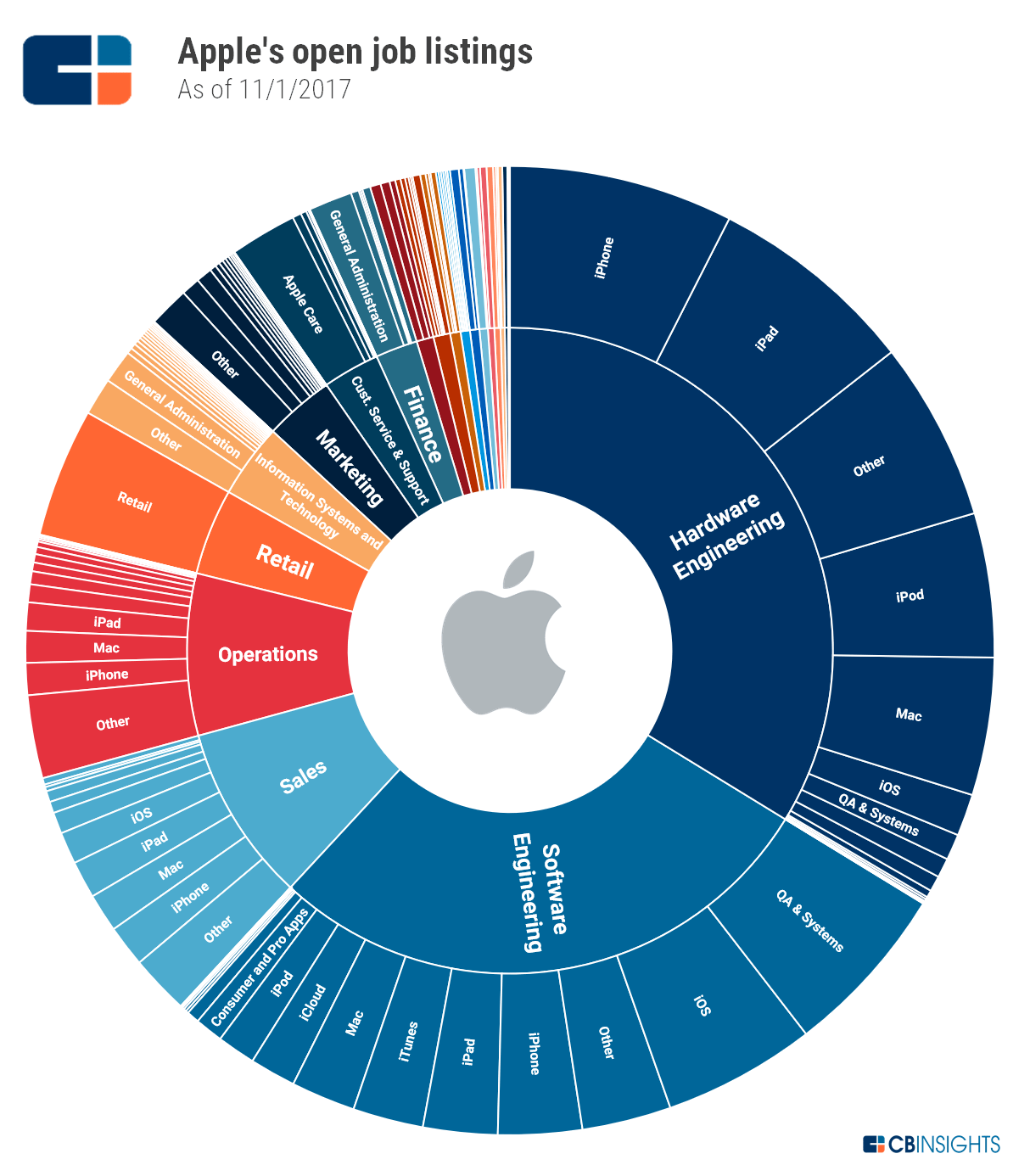
Within the broader Information Technology sector, Apple’s foundational business activities place it predominantly in the Technology Hardware, Storage & Peripherals industry group. Specifically, its main product lines—iPhone, Mac, iPad, and wearables (Apple Watch, AirPods)—categorize it under the Consumer Electronics sub-industry, a component of the Technology Hardware & Equipment industry. This classification highlights Apple’s immense revenue generation from the design, manufacturing, and sale of physical devices. For many years, the bulk of Apple’s revenue and profit was derived from these hardware sales, making its performance closely tied to consumer spending on premium electronics, product refresh cycles, and global supply chain efficiency.
Beyond Hardware: Apple’s Diversification into Services
While hardware remains central to Apple’s identity and financial success, the company has strategically diversified its revenue streams, particularly over the last decade. This shift has significantly altered its financial profile, moving it beyond a pure-play hardware manufacturer and into a more resilient, recurring revenue model. This diversification is a key financial narrative for Apple, impacting its valuation multiples and perceived stability.
The Rise of Recurring Revenue
The emphasis on services represents a deliberate strategy to reduce reliance on the cyclical nature of hardware sales. Services revenue often boasts higher gross margins than hardware, provides greater predictability, and fosters a robust ecosystem that locks in customers. This ‘stickiness’ enhances customer lifetime value, a critical metric for business finance. For investors, a growing services segment signals a more stable and less volatile earnings profile, potentially justifying a higher valuation multiple.
Services as a Growth Engine: App Store, Apple Music, iCloud, Apple TV+
Apple’s Services segment encompasses a vast array of offerings, each contributing significantly to the company’s financial strength:
- App Store: A dominant platform for digital content and software, generating substantial revenue through commissions on app sales and in-app purchases.
- Apple Music: A subscription-based music streaming service competing with industry leaders.
- iCloud: Cloud storage and synchronization services, generating recurring subscription fees.
- Apple TV+: A subscription video-on-demand service, placing Apple in the competitive streaming content industry.
- Apple Pay: Mobile payment and digital wallet services, contributing to transaction fees.
- AppleCare: Extended warranty and support services.
- Advertising: Revenue from search ads in the App Store and other advertising initiatives.
This broad portfolio positions Apple not just in consumer electronics, but also significantly within Internet Software & Services, Media & Entertainment (specifically diversified consumer services and content), and IT Services sub-industries. The rapid growth of this segment consistently outpaces hardware growth, representing a critical financial driver for the company.
Financial Impact of the Services Segment
The expansion of the Services segment has a transformative impact on Apple’s financials. It contributes to:
- Higher Gross Margins: Services typically carry much higher profit margins compared to hardware, which can be subject to intense competition and manufacturing costs. This elevates the company’s overall profitability.
- Revenue Stability: Subscription-based models offer predictable, recurring revenue streams, insulating the company from the volatility associated with product launch cycles and consumer purchasing patterns.
- Ecosystem Reinforcement: A strong services offering enhances the value proposition of Apple’s hardware, encouraging existing users to remain within the ecosystem and attracting new ones. This creates a virtuous cycle that supports long-term financial health.
- Diversified Valuation: Investors often assign higher valuation multiples to companies with significant recurring revenue, viewing them as less risky and having more sustainable growth prospects. This shifts Apple’s valuation away from being solely a hardware multiple.
Implications for Investors: Analyzing a Multi-faceted Giant
For investors, Apple’s evolving sectoral composition presents both unique opportunities and challenges. Its blend of hardware dominance and burgeoning services requires a nuanced approach to financial analysis and portfolio management.
Valuation Challenges and Opportunities
Traditional valuation models for hardware companies might undervalue Apple due to its services growth. Conversely, valuing its services segment purely like a software-as-a-service (SaaS) company might overlook the underlying hardware dependency. Investors must consider a blended approach, assessing:
- Hardware Metrics: Unit sales, average selling prices (ASPs), gross margins on products, and inventory management.
- Services Metrics: Subscriber growth, average revenue per user (ARPU), churn rates, and operating margins for various service lines.
- Ecosystem Value: The synergistic financial benefits derived from the integration of hardware, software, and services, which often creates switching costs for consumers and sustainable competitive advantages.
This complexity often leads analysts to use sum-of-the-parts valuations to account for the different characteristics and growth rates of each business segment.
Sector Exposure and Portfolio Diversification
Despite its diversification, Apple remains a heavyweight in the Information Technology sector, especially in consumer electronics. For investors building diversified portfolios, a substantial allocation to Apple means significant exposure to tech hardware. However, the growing services component provides an element of diversification within the company itself, offering exposure to software, digital content, and payment processing sub-industries. This internal diversification can make Apple a cornerstone holding, providing a blend of growth and stability that might otherwise require investments in multiple different companies across various distinct sub-sectors.
Key Financial Metrics to Monitor
Investors should closely track a range of financial metrics to assess Apple’s performance:
- Revenue by Segment: Scrutinize the growth rates of Products (hardware) versus Services. Look for sustained growth in the Services segment and its increasing percentage of total revenue.
- Gross Margins: Compare gross margins for hardware versus services. An increasing mix towards services should positively impact overall company gross margins.
- Operating Cash Flow: Apple consistently generates robust operating cash flow, indicating its ability to fund operations, R&D, and return capital to shareholders.
- Return on Capital Employed (ROCE): A measure of how efficiently Apple is using its capital to generate profits, especially relevant given its substantial investments in R&D and supply chain.
- Shareholder Returns: Monitor dividends and share repurchases, which are significant components of Apple’s capital allocation strategy and return substantial value to investors.
Market Dynamics and Competitive Landscape
Apple operates in intensely competitive markets, facing rivals across all its major segments. Its immense market capitalization and broad influence also attract significant regulatory attention, both of which are critical factors for business finance and long-term investment viability.
Competition Across Segments
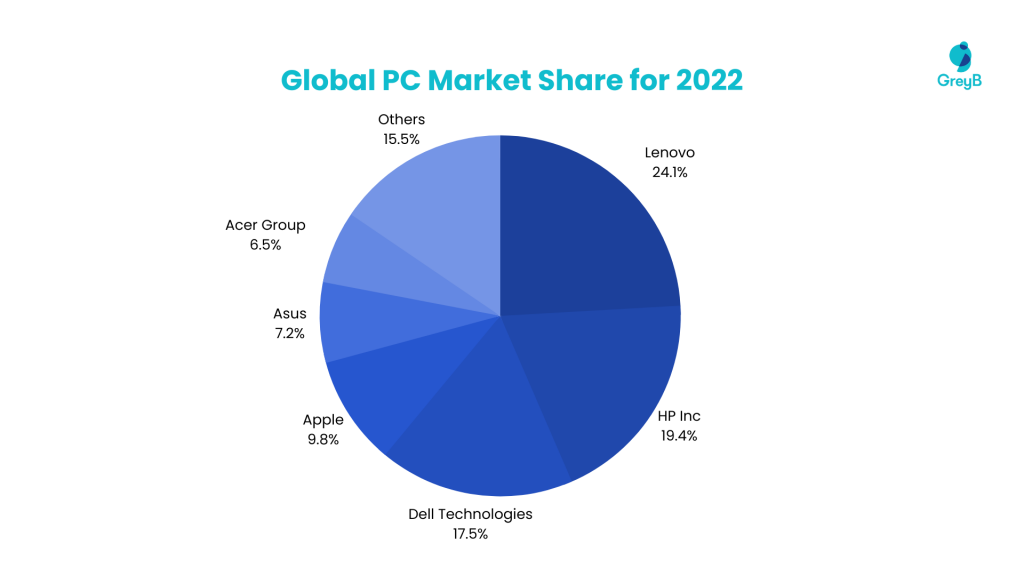
- Hardware: Competes with Samsung, Google, Huawei, and other Android manufacturers in smartphones; Microsoft, HP, Dell in personal computers; and various wearable tech companies.
- Services: Faces formidable rivals like Spotify (music), Netflix/Disney+ (video streaming), Google/Amazon (cloud services), and a myriad of app developers on its own platform.
- Financial Services: Competes with traditional banks and fintech companies with Apple Pay and future financial product ambitions.
This competitive pressure means Apple must continually innovate and execute flawlessly to maintain market share and pricing power, both of which are directly reflected in its financial performance.
Regulatory Scrutiny and Market Power
As one of the world’s largest companies, Apple faces increasing scrutiny from antitrust regulators globally. Issues surrounding App Store fees, pre-installed apps, and competition within its ecosystem pose potential financial risks through fines, mandated business practice changes, or even divestitures. For business finance, these regulatory headwinds represent contingent liabilities and can impact long-term strategic planning, potentially limiting growth in high-margin service areas. Investors must factor these geopolitical and regulatory risks into their assessment of Apple’s future earnings power.
Global Supply Chain Considerations
Apple’s reliance on a complex global supply chain for its hardware manufacturing exposes it to geopolitical risks, trade disputes, and logistics challenges. Disruptions can lead to production delays, increased costs, and impact revenue recognition. Managing this intricate supply chain efficiently is a significant aspect of Apple’s operational finance, directly affecting cost of goods sold and overall profitability.
Forecasting Future Growth and Sectoral Shifts
Apple’s trajectory is not static; the company continues to explore new avenues for growth and its sectoral footprint will likely continue to evolve. This forward-looking perspective is vital for long-term financial forecasting and investment strategy.
Emerging Technologies: AI, AR/VR, Health Tech
Apple is heavily investing in research and development for emerging technologies. Significant pushes into Artificial Intelligence (AI) are enhancing its existing products and services. The anticipated entry into augmented reality (AR) and virtual reality (VR) through potential new hardware products would solidify its position in nascent but high-growth sectors, potentially creating entirely new revenue streams and diversifying its hardware category beyond traditional consumer electronics. Furthermore, Apple’s ventures into health technology, leveraging the Apple Watch and Health app, position it to capture a share of the burgeoning digital health market, blending technology with healthcare services, a massive new market opportunity.
Strategic Acquisitions and Vertical Integration
Apple’s history of strategic acquisitions, though often smaller and undisclosed in detail, is aimed at bolstering its technological capabilities, intellectual property, and service offerings. Future acquisitions could further entrench it in specific sub-sectors or propel it into entirely new ones. The company’s continued vertical integration, particularly in chip design (e.g., M-series chips for Macs, A-series for iPhones), is a financial strategy aimed at controlling costs, optimizing performance, and reducing reliance on external suppliers, thereby enhancing gross margins and competitive advantage.
The Evolving Definition of “Tech”
Ultimately, Apple’s classification underscores a broader trend: the convergence of industries. What once was purely a “hardware company” is now a formidable player in software, services, media, and potentially even healthcare and automotive (through CarPlay and rumored future projects). For financial analysis, this means that companies like Apple are increasingly difficult to pigeonhole into single, narrow industry sectors. Their true valuation and risk profile lie in understanding their diversified revenue streams, integrated ecosystem, and capacity for continuous innovation across multiple, converging technological and service-oriented markets. This makes Apple a perpetual subject of fascination for those dissecting the intricate world of business finance.
aViewFromTheCave is a participant in the Amazon Services LLC Associates Program, an affiliate advertising program designed to provide a means for sites to earn advertising fees by advertising and linking to Amazon.com. Amazon, the Amazon logo, AmazonSupply, and the AmazonSupply logo are trademarks of Amazon.com, Inc. or its affiliates. As an Amazon Associate we earn affiliate commissions from qualifying purchases.