
The question of “how much is Apple Inc. worth?” is far more complex than a simple numerical answer. It speaks to the incredible economic power, market influence, and financial prowess of one of the world’s most iconic companies. For investors, economists, and business analysts alike, understanding Apple’s valuation means dissecting a monumental entity whose market capitalization routinely fluctuates into the multi-trillion-dollar range, a status shared by only a handful of corporations globally. This colossal worth isn’t merely a reflection of its ubiquitous products but a testament to its shrewd business strategies, relentless innovation, robust financial health, and an ecosystem that deeply integrates into the lives of billions.

Apple’s valuation is a dynamic figure, subject to market forces, investor sentiment, and ongoing financial performance. However, at its core, its “worth” is primarily represented by its market capitalization – the aggregate value of all its outstanding shares. This metric provides a snapshot of how the market currently values the company, encompassing not just its tangible assets and current profits, but also the intangible elements like its brand equity, future growth prospects, and competitive advantages. Delving into the layers beneath this headline figure reveals a meticulously constructed financial empire, built on a foundation of revolutionary products, burgeoning services, and an unparalleled global supply chain.
Deconstructing Apple’s Colossal Market Capitalization
To truly grasp Apple’s worth, one must first understand the mechanisms that drive its market capitalization. This isn’t just an abstract number; it’s a living reflection of investor confidence, perceived future earnings, and the company’s strategic positioning in a rapidly evolving global economy.
The Definition of Market Cap and Apple’s Scale
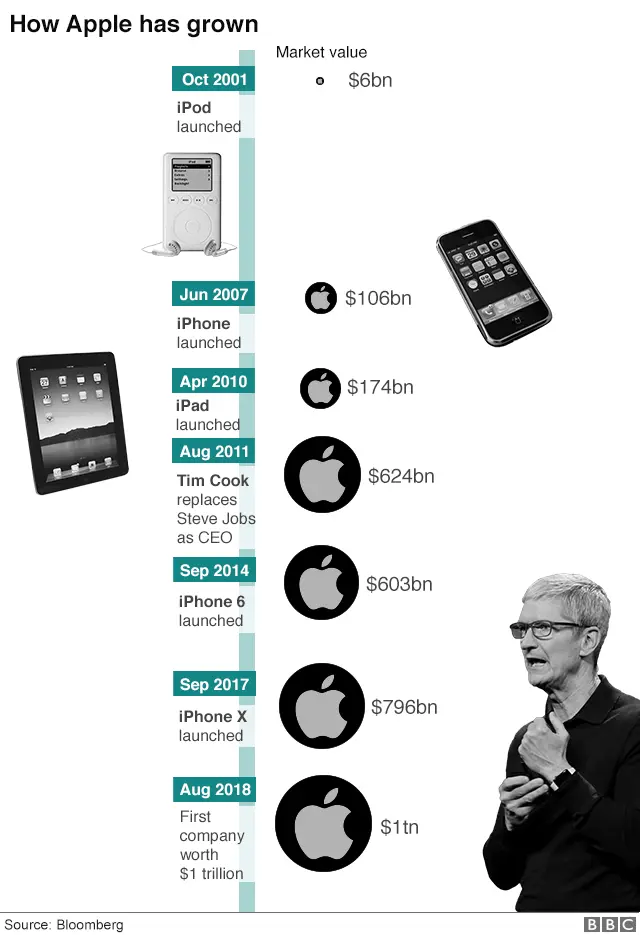
Market capitalization (market cap) is calculated by multiplying a company’s current stock price by the total number of its outstanding shares. It represents the total value of all shares of a company, acting as a direct indicator of its size and overall market value. For Apple, this figure regularly hovers around or exceeds the $2 trillion mark, often reaching $3 trillion or more during periods of strong market performance and positive news. This places Apple in an elite club of companies, underscoring its immense influence on global stock markets and economic indices.
Apple’s journey to this gargantuan valuation has been decades in the making. From its humble beginnings in a garage to its reinvention under Steve Jobs and subsequent explosive growth driven by the iPhone, each strategic move, product launch, and financial decision has contributed to building this formidable financial edifice. Its market cap isn’t static; it’s a constantly moving target, influenced by daily trading, quarterly earnings reports, product announcements, and broader macroeconomic trends. Investors continuously weigh Apple’s current financial health against its potential for future growth, leading to daily adjustments in its share price and, consequently, its overall market worth.
Factors Driving Valuation: Beyond Simple Sales
While robust sales figures are undeniably critical, Apple’s valuation extends far beyond mere revenue generation. Investors scrutinize a multitude of qualitative and quantitative factors to assign such a premium to its shares:
- Future Growth Potential: A significant portion of Apple’s market cap is forward-looking. Investors are betting on the company’s ability to continue innovating, entering new markets, and expanding its existing offerings. This includes anticipation of new product categories (like AR/VR devices or automotive projects) and continued growth in its high-margin services segment.
- Brand Strength and Customer Loyalty: While intangible, Apple’s brand equity is an enormous financial asset. Its reputation for premium quality, innovative design, and a seamless user experience fosters unparalleled customer loyalty. This brand power allows Apple to command premium prices and maintain strong sales even in competitive markets, directly impacting its profitability and cash flow.
- Innovation Pipeline: The market values Apple’s proven track record of disruptive innovation. The expectation that Apple will continue to introduce groundbreaking products and services fuels investor optimism and willingness to pay a premium for its stock.
- Ecosystem Lock-in: The tightly integrated Apple ecosystem—where devices, software, and services work seamlessly together—creates a powerful moat. Once users are invested in the Apple ecosystem, switching costs (both financial and psychological) are high, leading to recurring revenue and a stable customer base, which are highly attractive to investors.
- Financial Discipline and Shareholder Returns: Apple’s massive cash reserves, consistent share buyback programs, and growing dividend payments signal financial strength and a commitment to returning value to shareholders, further bolstering investor confidence.
The Core Pillars of Apple’s Financial Empire
Apple’s multi-trillion-dollar valuation is supported by a diversified and robust business model, resting on several key financial pillars. Each segment contributes significantly to its overall revenue, profitability, and future growth prospects.
Product Powerhouse: iPhone, Mac, iPad, and Wearables
Hardware remains the bedrock of Apple’s business, with the iPhone consistently leading the charge. The company’s product strategy is centered around premiumization, innovation, and ecosystem integration:
- iPhone Dominance: The iPhone is not just a smartphone; it’s the gateway to Apple’s entire ecosystem. Its premium pricing strategy, coupled with a loyal customer base and robust upgrade cycles, generates immense revenue and profits. The continuous enhancements in cameras, processors, and software features ensure its competitive edge.
- Mac and iPad Resilience: Despite a competitive PC and tablet market, Apple’s Mac and iPad lines maintain strong sales, driven by their powerful performance, integration with the Apple ecosystem, and appeal to specific user segments (creatives, students, professionals). The shift to Apple Silicon (M-series chips) has revitalized the Mac lineup, offering superior performance and efficiency, thereby bolstering sales and margins.
- Wearables, Home, and Accessories Growth: This category, including Apple Watch, AirPods, and HomePod, represents a significant growth vector. These devices expand the Apple ecosystem further, enhancing user convenience and generating additional revenue streams. The Apple Watch, in particular, has become a market leader in smartwatches, integrating health and fitness features that deepen user engagement.
The Services Segment: A Growth Engine and Profit Machine
Perhaps the most exciting and financially significant development for Apple in recent years has been the explosive growth of its services division. This segment, encompassing the App Store, Apple Music, iCloud, Apple Pay, Apple TV+, Apple Arcade, and more, is strategically crucial for several reasons:
- Recurring Revenue: Services provide a predictable, recurring revenue stream, which is highly valued by investors because it offers greater stability compared to more cyclical hardware sales. Once users subscribe or utilize a service, they are more likely to continue, leading to sustained income.
- Higher Margins: Services generally boast significantly higher profit margins compared to hardware sales. This directly contributes to Apple’s overall profitability and cash flow, allowing for greater investment in research and development, as well as shareholder returns.
- Ecosystem Deepening: Each service further entrenches users within the Apple ecosystem, making it even harder for them to switch to competing platforms. This creates a powerful network effect where the value of the ecosystem increases with each additional user and service.
- Diversification: The growth of services diversifies Apple’s revenue streams, making the company less dependent on any single product, particularly the iPhone. This adds resilience to its financial model, especially during periods of hardware market saturation or economic downturns.
Global Reach and Supply Chain Mastery
Apple’s ability to operate on a global scale is another critical component of its financial strength. Its products are sold in virtually every major market, and its brand recognition is universal.
- Market Penetration: Apple has successfully penetrated diverse markets, from established economies in North America and Europe to rapidly growing emerging markets in Asia and Latin America. This broad geographical footprint mitigates risks associated with over-reliance on any single region.
- Optimized Supply Chain: Apple’s legendary supply chain management is a competitive advantage. Its ability to design, source, manufacture, and distribute millions of complex devices worldwide with remarkable efficiency and cost-effectiveness is unparalleled. This mastery allows Apple to maintain high-quality standards, manage inventory effectively, and negotiate favorable terms with suppliers, all of which directly impact its profitability.
Investment Perspectives: Why Apple Remains a Blue Chip Stock
For institutional and individual investors alike, Apple’s stock is often considered a cornerstone of a diversified portfolio. Its status as a “blue chip” is well-earned, rooted in its robust financial health, commitment to shareholder returns, and remarkable resilience.
Financial Health and Shareholder Returns
Apple’s balance sheet is a testament to its financial strength. The company consistently generates massive amounts of free cash flow, providing it with substantial reserves for strategic investments, acquisitions, and returning capital to shareholders.
- Massive Cash Reserves: Apple typically holds hundreds of billions of dollars in cash and marketable securities. This war chest provides immense financial flexibility, allowing the company to weather economic downturns, fund ambitious R&D projects, and pursue large-scale acquisitions without significant external financing.
- Aggressive Share Buybacks: Apple has one of the largest and most consistent share buyback programs in corporate history. By repurchasing its own stock, Apple reduces the number of outstanding shares, which typically boosts earnings per share (EPS) and can increase the stock price, benefiting existing shareholders. This commitment signals management’s confidence in the company’s long-term value.
- Consistent Dividends: While not a high-dividend stock, Apple has consistently paid and grown its dividend since 2012. This makes it attractive to income-oriented investors, providing a tangible return in addition to potential capital appreciation. The combination of buybacks and dividends demonstrates a strong commitment to shareholder value.
Navigating Economic Headwinds and Geopolitical Challenges
Apple has repeatedly demonstrated its ability to navigate complex global challenges, a quality highly valued by investors looking for stability.
- Recession Resilience: While not entirely immune to economic downturns, Apple’s premium brand and loyal customer base often provide a buffer. Consumers may delay purchases, but many ultimately return to the Apple ecosystem due to perceived value and quality. The growing services segment also provides a more stable revenue stream during turbulent times.
- Supply Chain Resilience: Despite facing global supply chain disruptions (e.g., during the pandemic), Apple has shown remarkable adaptability. Its diversified manufacturing footprint, strong supplier relationships, and logistics expertise enable it to minimize impacts and quickly rebound, a critical factor for maintaining production and sales.
- Geopolitical and Regulatory Pressures: Apple operates in a complex global environment, facing regulatory scrutiny over app store policies, competition concerns, and geopolitical tensions. Its ability to engage with regulators, adapt business practices where necessary, and diversify its operational footprint demonstrates its strategic agility and commitment to long-term viability.
The Future Outlook: Sustaining Trillions in Value
Maintaining a multi-trillion-dollar valuation requires continuous innovation, strategic expansion, and adept risk management. Apple’s future worth will hinge on its ability to build upon its current successes and venture into new frontiers.
Innovation Pipeline and New Growth Vectors
The expectation of future innovation is a cornerstone of Apple’s premium valuation. Investors constantly look for the “next big thing” that will unlock new revenue streams and sustain growth.
- Augmented Reality (AR) and Virtual Reality (VR): The development of AR/VR devices (like the Vision Pro) is seen as a potentially transformative category, akin to the iPhone’s impact. If successful, these products could create an entirely new computing platform, opening vast new markets for hardware, software, and services.
- Automotive Ventures: While highly speculative, rumors of Apple’s foray into the automotive industry (the “Apple Car” project) indicate its ambition to disrupt established markets. Such a move, if realized, could exponentially expand its addressable market and diversify its revenue base.
- Health and Wellness Technologies: Apple’s increasing focus on health features within the Apple Watch and other devices points to a future where its technology plays an even more central role in personal well-being. This segment has immense potential for recurring services and partnerships.
Emerging Market Opportunities and Ecosystem Expansion
Beyond new product categories, Apple continues to see significant opportunities in expanding its existing presence and deepening its ecosystem.
- Emerging Economies: Continued penetration into large, rapidly growing emerging markets (like India) offers substantial untapped potential for iPhone sales and, subsequently, services adoption. As incomes rise in these regions, Apple’s premium products become more accessible to a broader consumer base.
- Ecosystem Integration: Apple’s strategy involves making its ecosystem even more pervasive in users’ lives. This includes seamless integration across all devices, enhancing continuity features, and developing new services that make the Apple experience indispensable. This “stickiness” ensures continued revenue generation and customer loyalty.

Risks and Competitive Landscape
No company, regardless of its size, is without risks. Apple faces several challenges that could impact its future valuation:
- Regulatory Scrutiny: Antitrust concerns regarding its App Store policies and control over its ecosystem remain a significant risk. Potential regulatory interventions could impact its services revenue and overall profitability.
- Intense Competition: While a market leader, Apple operates in highly competitive industries. Android rivals continually innovate, and new entrants in emerging tech spaces could challenge its dominance.
- Dependence on China: A significant portion of Apple’s manufacturing and a substantial share of its sales come from China. Geopolitical tensions, supply chain disruptions, or economic slowdowns in the region pose considerable risks.
- Need for Continuous Innovation: To justify its premium valuation, Apple must consistently deliver groundbreaking products and services. Failure to innovate or a misstep in a major new product category could lead to investor skepticism and a decline in its market worth.
In conclusion, “how much is Apple Inc. worth?” is a question that encapsulates its monumental financial stature. It is a value derived from a powerful combination of groundbreaking products, a burgeoning services empire, masterful supply chain management, and an unparalleled brand. Its worth is dynamic, reflecting its ability to innovate, adapt, and consistently deliver value to its vast customer base and, critically, to its shareholders. For those in the world of finance, Apple represents not just a company, but a benchmark for corporate success and a compelling investment narrative that continues to evolve.
aViewFromTheCave is a participant in the Amazon Services LLC Associates Program, an affiliate advertising program designed to provide a means for sites to earn advertising fees by advertising and linking to Amazon.com. Amazon, the Amazon logo, AmazonSupply, and the AmazonSupply logo are trademarks of Amazon.com, Inc. or its affiliates. As an Amazon Associate we earn affiliate commissions from qualifying purchases.