
Prepaid debit cards have emerged as a versatile financial tool, offering a practical alternative to traditional banking products for managing expenses, budgeting, and facilitating secure transactions. Unlike credit cards, which involve borrowing funds, or traditional debit cards linked directly to a bank account, prepaid debit cards operate on a load-and-spend model, requiring users to deposit funds onto the card beforehand. This fundamental difference makes them an excellent choice for individuals seeking greater control over their spending, those without access to conventional banking services, or anyone looking to segment their finances for specific purposes.
Understanding where to acquire these cards and what to consider before purchasing is crucial for making an informed financial decision. This guide delves into the various purchasing avenues, the financial implications of different card options, and essential considerations to ensure the chosen card aligns with your personal finance goals.
Understanding Prepaid Debit Cards: A Primer for Personal Finance
A prepaid debit card functions much like a standard debit card in terms of its transaction capabilities – it can be used anywhere its network (Visa, MasterCard, Discover, American Express) is accepted, online or in physical stores, and at ATMs for cash withdrawals. The key distinction lies in its funding mechanism: you load money onto the card before you can spend it. Once the funds are depleted, transactions will be declined unless more money is added. This operates on a “pay-as-you-go” principle, making it a robust tool for financial management.
For many, prepaid debit cards serve as a vital bridge to the formal financial system. Individuals who are unbanked or underbanked, those with a poor credit history, or even teenagers receiving allowances can utilize these cards for everyday transactions without the need for a traditional bank account or credit check. From a personal finance perspective, they provide a clear spending limit, inherently preventing overdrafts and accumulating debt, thereby fostering disciplined financial habits. They offer a secure way to shop online, manage travel funds, or distribute allowances without exposing primary bank account details.
The Financial Advantages: Why Consider a Prepaid Debit Card?
The utility of a prepaid debit card extends across various personal finance scenarios, making it a valuable addition to many individuals’ financial portfolios. Its core benefits revolve around control, accessibility, and security.
Budgeting and Spending Control
One of the most compelling reasons to use a prepaid debit card is its effectiveness as a budgeting tool. By loading a specific amount of money for certain expenses (e.g., groceries, entertainment, online shopping), users can cap their spending in those categories. Once the funds on the card are exhausted, spending in that category stops, preventing overspending and helping individuals adhere to their financial plans. This clear delineation of funds can be far more effective than trying to track spending from a primary checking account.
Avoiding Debt and Overdraft Fees
Unlike credit cards, prepaid debit cards do not allow users to spend money they don’t have, thus eliminating the risk of accumulating debt or incurring interest charges. Similarly, because funds are pre-loaded, there are no overdraft fees, which can be a significant cost for those who frequently overdraw their traditional bank accounts. This makes them a financially safer option for individuals prone to impulse purchases or those with tight budgets.
Financial Inclusion and Accessibility
For the millions of people globally who do not have a traditional bank account, prepaid debit cards offer a crucial entry point into the digital economy. They provide a means to receive direct deposits (such as paychecks or government benefits), pay bills online, and make purchases without relying on cash. This inclusion can empower individuals to manage their finances more efficiently and participate more fully in modern commerce.
Enhanced Security for Online and Travel Spending
Using a prepaid debit card for online purchases adds an extra layer of security. Should the card number be compromised, the exposure is limited only to the funds loaded onto that specific card, not your main bank account. This isolation minimizes potential financial damage. Similarly, for travel, loading a prepaid card with travel funds can be safer than carrying large amounts of cash or exposing your primary bank accounts to potential fraud in unfamiliar locations.
Navigating Purchase Points: Where to Acquire Your Card
Prepaid debit cards are widely available through various channels, each offering different levels of convenience, card options, and associated fees. Understanding these purchasing points is key to finding a card that best suits your financial needs.
Online Retailers and Card Issuers’ Websites
Purchasing a prepaid debit card online is often the most convenient option, offering the broadest selection of cards and features. Major card networks like Visa and MasterCard license various companies to issue prepaid debit cards, many of which have dedicated websites.
- Convenience: Cards can be ordered from the comfort of your home and shipped directly to your address.
- Variety: Online platforms typically showcase a wider array of cards, allowing for easy comparison of features, fee structures, and reload options. This allows consumers to pick a card tailored to specific uses, such as travel, online shopping, or general spending.
- Direct Application: You can usually complete the application process, provide necessary identification (Know Your Customer, or KYC, requirements), and set up initial funding all in one go.
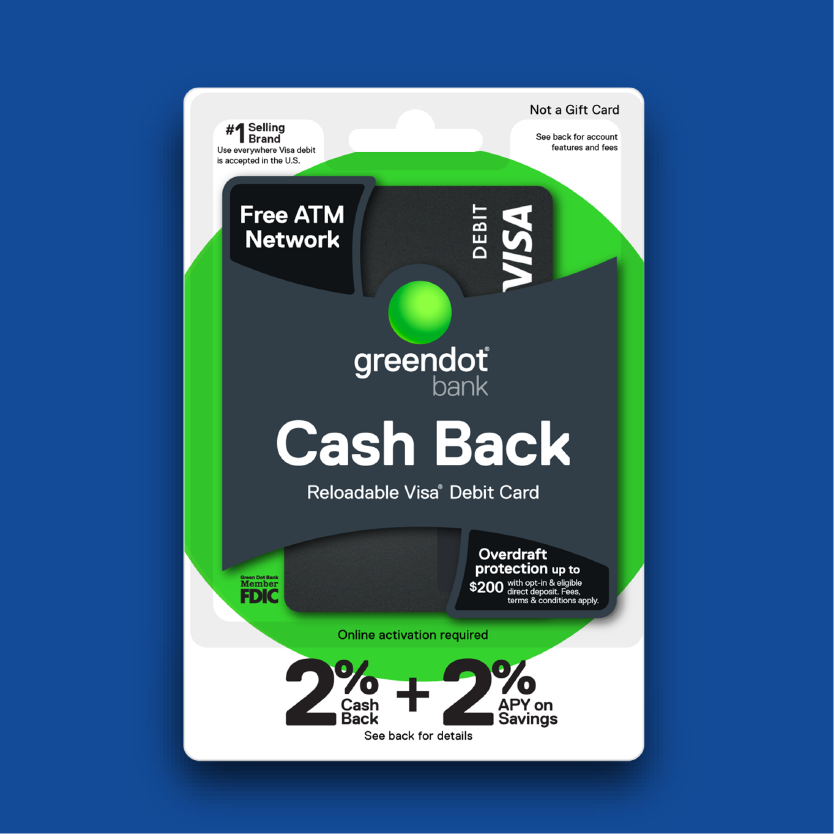
- Examples: Websites like Netspend, PayPal Prepaid, Green Dot, and various bank-affiliated prepaid card portals offer diverse options.
When purchasing online, be prepared to provide personal information for verification purposes, especially for reloadable cards, to comply with federal regulations designed to prevent fraud and money laundering.
Physical Retail Locations
For immediate access or for those who prefer in-person transactions, prepaid debit cards are readily available at thousands of retail locations across the country.
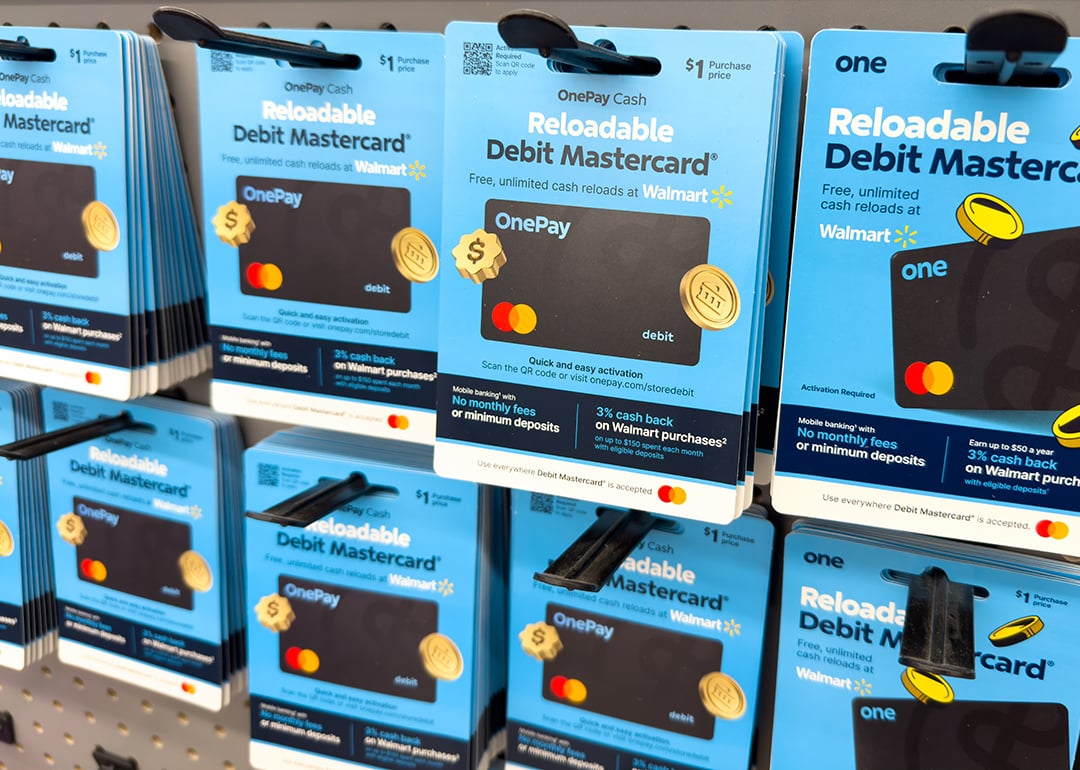
- Convenience Stores: Chains like 7-Eleven, CVS Pharmacy, Walgreens, and Rite Aid often carry a selection of prepaid debit cards near the gift card racks or at the customer service desk.
- Supermarkets: Major grocery store chains such as Walmart, Kroger, Safeway, and Publix are common places to find prepaid cards. Walmart, in particular, offers its own branded prepaid card (Walmart MoneyCard) in addition to others.
- General Merchandise Stores: Stores like Target or other big-box retailers also stock a variety of prepaid debit card brands.
- Instant Acquisition: The primary advantage of purchasing from a physical store is instant access. You can buy the card, load funds onto it (often at the same counter), and begin using it almost immediately.
- Limited Selection: The downside is that the selection is usually more limited compared to online options, and detailed fee disclosures might require a closer look at the packaging or an online search.
At retail locations, you can usually load an initial amount of cash onto the card at the time of purchase. For reloadable cards, you will typically need to register the card online or via phone to unlock full features and potentially qualify for FDIC insurance.
Banks and Credit Unions
While less common for generic prepaid debit cards, some traditional banks and credit unions do offer their own branded prepaid card products. These might be appealing if you already have an account with the institution.
- Integration: These cards might offer seamless integration with your existing banking services, such as easy transfers from your checking account to the prepaid card.
- Potential Member Benefits: For credit union members, there might be lower fees or special benefits associated with their branded prepaid offerings.
- Limited Availability: Availability varies widely, and many financial institutions focus more on traditional debit and credit cards. It’s best to inquire directly with your bank or credit union about their prepaid card options.
Critical Financial Due Diligence: What to Evaluate Before Buying
Before committing to a prepaid debit card, a thorough review of its terms and conditions is essential. The fee structure, in particular, can significantly impact the card’s overall value and should be carefully scrutinized.
Fee Structures
Prepaid debit cards can come with a variety of fees. Transparency in these charges is paramount for smart financial planning.
- Activation Fees: A one-time fee charged when you first purchase the card.
- Monthly Maintenance Fees: A recurring fee charged to keep the account active. Some cards waive this fee if you meet certain criteria, such as direct depositing a minimum amount or making a certain number of transactions.
- Transaction Fees: Fees for specific types of transactions, such as point-of-sale purchases (less common but exists), bill payments, or online transfers.
- ATM Withdrawal Fees: Charges for withdrawing cash from an ATM, which might include both a fee from the card issuer and a surcharge from the ATM operator.
- Reload Fees: Fees incurred when adding more money to the card, which can vary by method (e.g., cash load at a retail location vs. direct deposit).
- Inactivity Fees: Some cards charge a fee if the card is not used for a certain period.
- Foreign Transaction Fees: If you plan to use the card internationally, check for fees on purchases made in foreign currencies.
Always read the cardholder agreement thoroughly, focusing on the fee schedule, to understand all potential costs.
KYC (Know Your Customer) Requirements
For reloadable prepaid cards, federal regulations require card issuers to verify your identity. This typically involves providing your name, address, date of birth, and Social Security Number (or other taxpayer identification number). This process is crucial for security, fraud prevention, and enabling certain features like direct deposit and FDIC insurance. Unregistered or non-reloadable gift cards may not require KYC, but they also offer fewer features and less protection.
Reload Options and Accessibility
Consider how you will add funds to the card after the initial purchase. Convenient reload options are vital for the long-term utility of a prepaid card.
- Direct Deposit: Many cards allow direct deposit of paychecks or government benefits, often free of charge.
- Cash Reload Networks: Services like Green Dot MoneyPak, VanillaDirect, MoneyGram, and Western Union allow you to add cash to your card at thousands of retail locations. These often come with a fee.
- Bank Transfers: Some cards allow you to link an external bank account for electronic transfers, though this can take a few business days.
- Mobile Check Deposit: Some cards offer the ability to deposit checks using a mobile app.
Features and Benefits
Beyond basic spending, many prepaid cards offer additional features that can enhance their value.
- Online Account Management: Access to an online portal or mobile app to check balances, view transaction history, and manage settings.
- Bill Pay: The ability to pay bills directly from your card account.
- Fraud Protection: Similar to traditional debit or credit cards, many prepaid cards offer protection against unauthorized transactions.
- FDIC Insurance: Ensure the funds on the card are FDIC insured, which protects your money up to the legal limit ($250,000) in case the issuing bank fails. This typically requires the card to be registered with your personal information.
Maximizing Value: Smart Usage and Management of Your Prepaid Card
Once you’ve acquired your prepaid debit card, effective management can help you leverage its full financial potential. Treat it as a tool, not just a casual spending device.
- Track Your Spending: Regularly monitor your card balance and transaction history through the card issuer’s website or mobile app. This reinforces budgeting habits and helps catch unauthorized activity quickly.
- Utilize Direct Deposit: If offered and feasible, setting up direct deposit for your paycheck or benefits can often waive monthly fees and provide immediate access to your funds without extra reload charges.
- Be Mindful of Fees: Continuously review the fee schedule to avoid unnecessary costs. For example, use in-network ATMs to avoid surcharges, or consolidate reloads to minimize transaction fees.
- Use for Specific Purposes: Designate your prepaid card for specific spending categories, such as online shopping, entertainment, or a travel budget, to maintain clear financial boundaries.
- Prioritize Security: Treat your prepaid card like cash. Keep your PIN secure, never share your card details unnecessarily, and report lost or stolen cards immediately to the issuer.
By carefully considering your options for purchasing and diligently managing your prepaid debit card, you can harness its power as a valuable asset in your personal finance toolkit, offering control, security, and accessibility in your daily financial life.
aViewFromTheCave is a participant in the Amazon Services LLC Associates Program, an affiliate advertising program designed to provide a means for sites to earn advertising fees by advertising and linking to Amazon.com. Amazon, the Amazon logo, AmazonSupply, and the AmazonSupply logo are trademarks of Amazon.com, Inc. or its affiliates. As an Amazon Associate we earn affiliate commissions from qualifying purchases.