
Understanding the precise value of a single American Express Membership Rewards point is a nuanced endeavor, as its worth is anything but static. Unlike a fixed monetary unit, an Amex point’s purchasing power fluctuates dramatically depending on the redemption method chosen. For the financially savvy individual, maximizing these points can translate into significant savings or luxurious experiences that would otherwise be out of reach. This article delves into the intricate economics of Amex points, identifying optimal redemption strategies within the realm of personal finance.
The Variable Nature of Amex Point Value
The perceived worth of an American Express Membership Rewards point is a dynamic variable, directly tied to how a cardholder chooses to redeem it. This elasticity is both a challenge and an opportunity, requiring careful consideration to ensure the highest possible return on one’s accumulated points.
Cash Back and Statement Credits
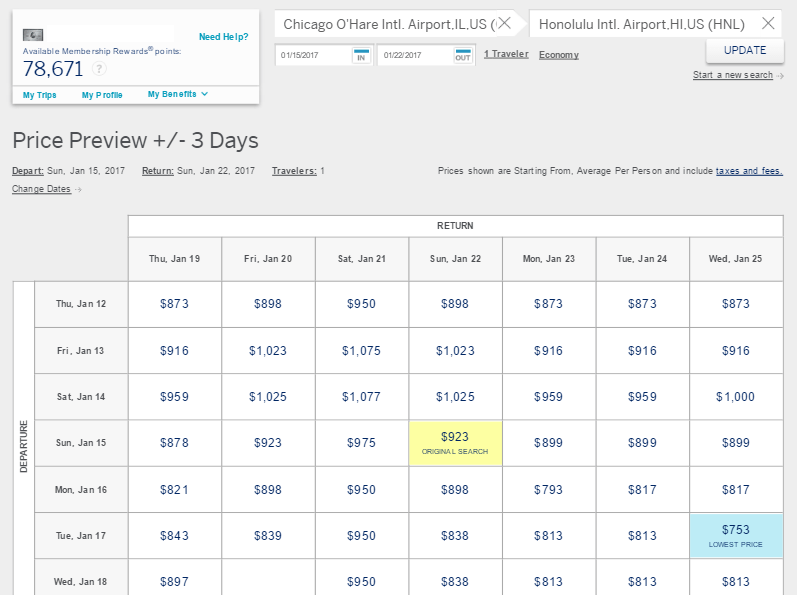
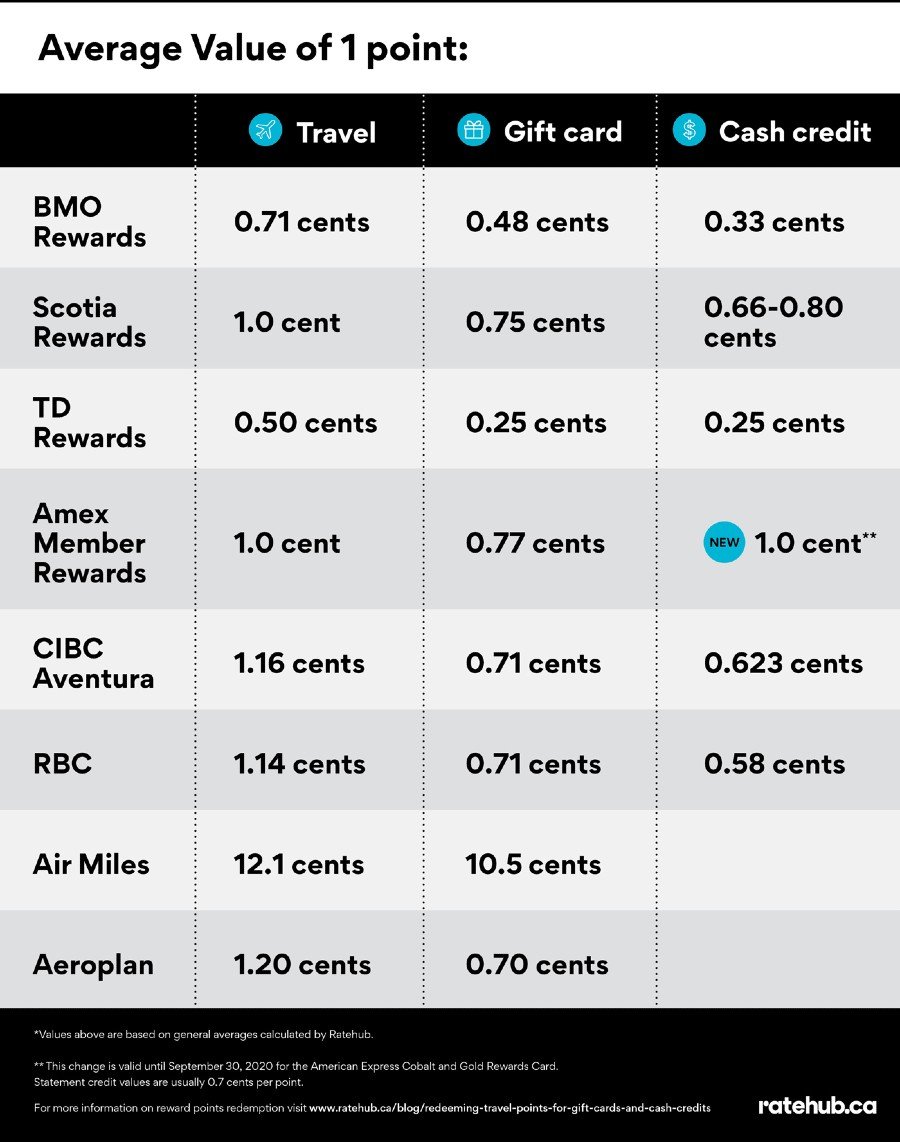
One of the most straightforward, yet often least valuable, ways to redeem Amex points is for cash back or as a statement credit against purchases. Typically, when opting for a statement credit, 1 Amex point is worth approximately 0.6 cents. This means 10,000 points would offset $60 from your bill. While simple and immediate, this redemption method rarely represents the best value for your points. Similarly, using points directly at checkout with retailers like Amazon usually yields a value of 0.7 cents per point or less, making it another sub-optimal choice for those focused on maximizing their financial assets. Financial discipline suggests avoiding these lower-value redemptions unless absolutely necessary.
Gift Cards and Merchandise
Redeeming points for gift cards generally offers a slight improvement over statement credits, but still falls short of top-tier value. The value per point can range from 0.7 cents to 1 cent, depending on the retailer and any current promotions. For example, a $100 gift card might cost 10,000 points, valuing each point at 1 cent. While this is better than a 0.6-cent redemption, it rarely provides the outsized value found elsewhere. Similarly, using points for merchandise through Amex’s online portal often yields a value below 1 cent per point, largely because the prices for these items are typically higher than what one would find through a direct cash purchase from another retailer. From a financial perspective, exchanging a flexible asset like points for a specific, often inflated, retail item limits your financial agility.
Travel Redemptions: Direct Booking vs. Transfer Partners
Travel is where American Express Membership Rewards points truly shine and offer the highest potential value. There are two primary avenues for travel redemption:
Booking through Amex Travel Portal
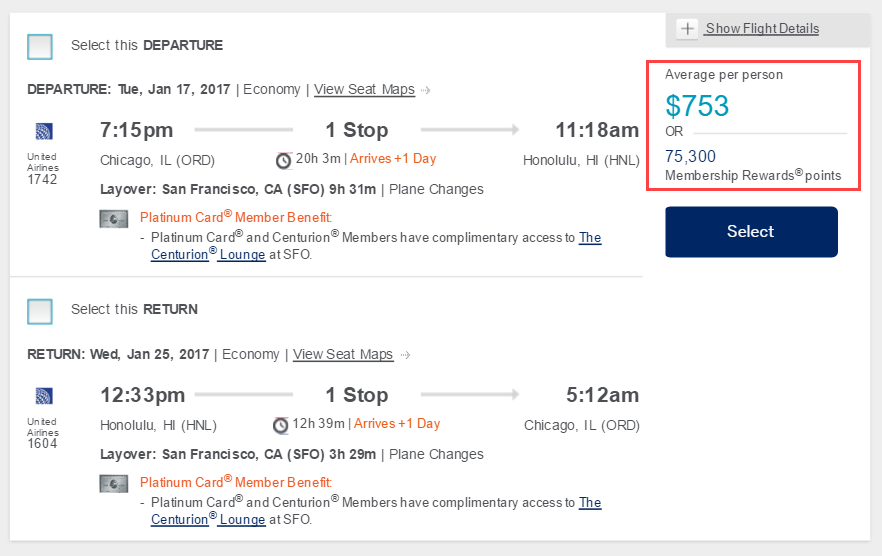
When booking flights, hotels, or rental cars directly through the Amex Travel portal, points typically yield a value of 1 cent per point for flights and 0.7 cents per point for hotels (with some exceptions like Amex Fine Hotels & Resorts or The Hotel Collection, which can sometimes offer slightly better value). This is a decent, reliable option, especially for simpler bookings or when specific transfer partners aren’t suitable. For example, a $500 flight would cost 50,000 points.
Transferring to Airline and Hotel Partners
This is the golden ticket for maximizing Amex point value. American Express partners with a robust network of airlines and hotels, allowing cardholders to transfer their Membership Rewards points to these loyalty programs, usually at a 1:1 ratio. This is where the value per point can skyrocket, often reaching 2 cents, 3 cents, or even 5 cents per point, especially for premium international flights or luxury hotel stays.
For instance, a business class flight that might cost $5,000 in cash could be acquired for 100,000 airline miles after transferring points, effectively valuing each point at 5 cents ($5,000 / 100,000 points). This exponential increase in value is due to the inherent pricing discrepancies between cash fares and award chart redemptions in many airline and hotel loyalty programs. This strategy requires research and flexibility but delivers unparalleled financial leverage.
Maximizing Your Membership Rewards Points for Financial Gain
To truly unlock the superior value of American Express Membership Rewards points, a strategic and informed approach is essential. This often involves focusing on a specific type of redemption that consistently delivers high returns.
Strategic Travel Transfers
The cornerstone of high-value Amex point redemption lies in strategically transferring points to airline and hotel loyalty programs. This process converts your flexible Amex points into a more specialized currency (miles or hotel points) that can then be used to book travel. The key is to research award charts for various airline partners (e.g., Delta SkyMiles, British Airways Avios, Air Canada Aeroplan, Singapore Airlines KrisFlyer) and hotel partners (e.g., Marriott Bonvoy, Hilton Honors) to identify “sweet spots.” These sweet spots are specific routes or room categories that require a disproportionately low number of miles or points compared to their cash price.
For example, a business class flight from the U.S. to Europe might cost 60,000 Aeroplan points, while the cash price could be $3,000 or more, yielding a value of 5 cents per point ($3,000 / 60,000 points). This level of value is rarely achievable through direct cash back or portal bookings. Understanding award availability and being flexible with travel dates can further enhance these opportunities.
Understanding Transfer Bonuses
American Express frequently offers transfer bonuses to select airline and hotel partners. These promotions can add an additional 10%, 20%, or even 30% to the points transferred, immediately boosting their value. For instance, a 25% transfer bonus to a specific airline means that 10,000 Amex points would become 12,500 airline miles. If those 12,500 miles are then used for a redemption that normally yields 2 cents per point, your effective value for the original 10,000 Amex points jumps to 2.5 cents per point (1.25 * 2 cents). Savvy cardholders monitor these bonuses closely and time their transfers to coincide with these promotions, effectively creating arbitrage opportunities within their rewards portfolio.
The Power of Premium Travel Cards
The type of American Express card you hold can also influence the value and flexibility of your points. Premium cards like The Platinum Card® from American Express offer enhanced travel benefits, such as lounge access, hotel elite status, and exclusive travel offers, which indirectly amplify the value derived from points used for travel. While points from different Membership Rewards cards generally transfer at the same rates, the comprehensive travel ecosystem built around premium cards can make travel redemptions more seamless and enjoyable, adding to the perceived overall value.
Common Redemption Rates and Their Implications
Understanding the typical redemption rates for various options is crucial for making financially sound decisions about your Membership Rewards points.
Sub-optimal Redemptions to Avoid
As a rule of thumb for maximizing financial value, consider redemptions that yield less than 1 cent per point as sub-optimal. This includes most direct cash back options, statement credits, and many merchandise redemptions. While convenient, these options effectively devalue your hard-earned points, converting a potentially high-value asset into a low-yield one. Unless facing an immediate financial necessity where liquidity is paramount, it is almost always better to save points for higher-value travel redemptions.
The Sweet Spot: Luxury Travel
The true “sweet spot” for Amex point valuation lies in booking premium cabin airfare (business or first class) on international routes, or luxury hotel stays. This is where the differential between the cash price and the points required can be staggering. A first-class international ticket can cost upwards of $10,000 but might be secured for 150,000-200,000 points after transferring to an airline partner, resulting in a point value of 5 cents or more. Similarly, high-end hotel rooms that cost hundreds of dollars per night might be redeemed for a relatively modest number of points. This strategy effectively leverages your points to acquire experiences that would be significantly expensive to purchase with cash, offering substantial savings and an elevated travel experience.
Weighing Convenience Against Value
Sometimes, the choice between convenience and maximum value is a personal one. For instance, using points to cover a flight directly through the Amex travel portal at 1 cent per point might be perfectly acceptable for a domestic economy flight, even though transferring to a partner might yield slightly more. The additional effort of checking award space, transferring points, and navigating partner sites might not be worth the marginal gain for certain redemptions. However, for large, aspirational trips involving business or first class, the effort invested in finding a high-value transfer is almost always justified by the significant financial savings.
Calculating Your Own Point Value
To truly understand the worth of your American Express points for a specific redemption, it’s beneficial to perform a simple calculation.
The Simple Math: (Redemption Value / Points Used)
The formula is straightforward:
Value per Point = (Cash Value of What You’re Redeeming / Number of Points Used)
For example:
- If a flight costs $500 and you redeem 50,000 points through the Amex portal: $500 / 50,000 points = 0.01 = 1 cent per point.
- If a business class flight costs $4,000 and you transfer 80,000 Amex points to an airline partner to book it: $4,000 / 80,000 points = 0.05 = 5 cents per point.
By consistently applying this calculation, you can quickly assess whether a redemption offers good value or if your points could be better utilized elsewhere.
Incorporating Opportunity Cost
Beyond the direct calculation, consider the opportunity cost. If you redeem points for a statement credit at 0.6 cents per point, you are effectively giving up the opportunity to redeem those same points for travel at 2-5 cents per point. This lost potential value represents a significant hidden cost. From a financial planning perspective, understanding this opportunity cost encourages more disciplined and high-value redemption choices.
Strategic Accumulation and Redemption
Optimizing the worth of your Amex points isn’t just about how you spend them; it’s also about how you earn and manage them.
Choosing the Right Amex Card
American Express offers a suite of cards that earn Membership Rewards points, each with different earning categories and annual fees. Evaluating cards like The Platinum Card® (strong for travel, high annual fee), American Express® Gold Card (strong for dining and groceries), or the Blue Business® Plus Credit Card (flat 2X on all purchases) based on your spending habits is crucial. A diversified portfolio of Amex cards can maximize point accumulation across various spending categories, accelerating your journey towards high-value redemptions. The more points you earn efficiently, the more opportunities you have to realize significant financial benefits.
Timing Your Redemptions for Maximum Impact
Timing is everything in the world of points and miles. For travel redemptions, booking far in advance (especially for international premium cabins) or close to departure (if you have flexibility) can yield better award availability and sometimes lower point requirements. Similarly, holding onto points until a favorable transfer bonus is announced can instantly increase their value by 10-30%. By being patient and strategic, cardholders can ensure their American Express points consistently deliver exceptional financial returns, transforming what might seem like a simple loyalty program into a powerful tool for personal wealth enhancement.
aViewFromTheCave is a participant in the Amazon Services LLC Associates Program, an affiliate advertising program designed to provide a means for sites to earn advertising fees by advertising and linking to Amazon.com. Amazon, the Amazon logo, AmazonSupply, and the AmazonSupply logo are trademarks of Amazon.com, Inc. or its affiliates. As an Amazon Associate we earn affiliate commissions from qualifying purchases.