
The ascent of Bitcoin from an experimental digital token to a multi-trillion-dollar asset class has fundamentally shifted the landscape of personal finance. As institutional adoption grows and regulatory frameworks become more defined, the question for the modern investor is no longer “should I buy Bitcoin?” but rather “where is the most secure, cost-effective, and efficient place to buy it?”
Choosing a platform to acquire Bitcoin (BTC) involves navigating a complex ecosystem of centralized exchanges, decentralized protocols, traditional fintech apps, and specialized brokerage services. Each avenue offers a distinct balance of convenience, security, and fee structures. This guide provides a deep dive into the primary venues for purchasing Bitcoin, analyzed through the lens of financial prudence and strategic investing.
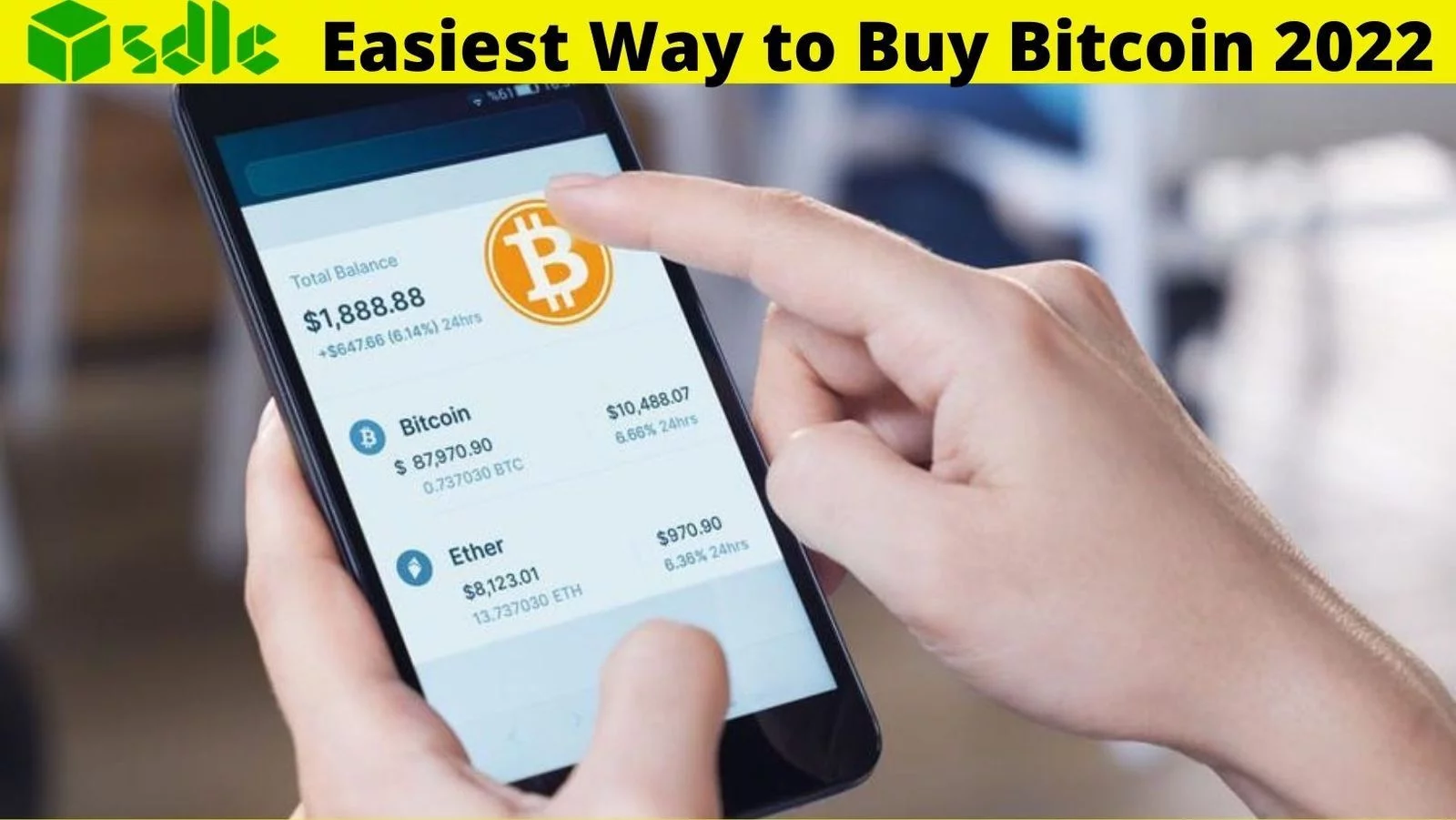
Navigating the Landscape of Centralized Exchanges (CEXs)
For the vast majority of investors, centralized exchanges remain the primary gateway into the world of cryptocurrency. These platforms function similarly to traditional stock brokerages, acting as intermediaries that match buyers and sellers while providing a user-friendly interface for managing assets.
The Appeal of Industry Leaders
Major platforms such as Coinbase, Kraken, and Binance have dominated the market by offering high liquidity and robust security measures. High liquidity is a critical factor for investors; it ensures that large buy or sell orders can be executed with minimal “slippage”—the difference between the expected price of a trade and the price at which the trade is actually executed.
Coinbase is often cited as the gold standard for beginners due to its intuitive interface and its status as a publicly traded company in the United States. This public listing subjects the firm to rigorous financial auditing and regulatory oversight, providing a layer of trust that many international platforms may lack. Kraken, on the other hand, is frequently favored by professional traders for its advanced charting tools and industry-leading security protocols, including its pioneering use of “Proof of Reserves” to prove it holds client funds.
The Role of Fees and Tiers
When selecting a centralized exchange, the fee structure is perhaps the most significant variable affecting an investor’s long-term returns. Most exchanges utilize a “maker-taker” model. “Makers” provide liquidity to the book by placing limit orders, while “takers” remove liquidity by executing market orders. Typically, maker fees are lower than taker fees.
Furthermore, many platforms offer tiered accounts. For instance, using a “Basic” interface often incurs significantly higher “convenience fees” compared to using the “Advanced” or “Pro” trading interfaces on the same platform. A savvy investor can save upwards of 1% to 3% per transaction simply by utilizing the advanced trading terminal rather than the simplified “Buy Now” button.
Integrating Bitcoin into Traditional Financial Portfolios
As Bitcoin has matured, it has moved beyond the confines of specialized crypto-only platforms. Investors can now access BTC through the same institutions they use for their retirement accounts and stock portfolios. This integration has simplified the tax reporting and asset management process for many.
The Rise of Spot Bitcoin ETFs
One of the most significant developments in the history of Bitcoin as a financial asset was the approval of Spot Bitcoin Exchange-Traded Funds (ETFs) in the United States. For investors who want exposure to the price movements of Bitcoin without the responsibility of managing private keys or navigating crypto exchanges, ETFs offered by firms like BlackRock, Fidelity, and Ark Invest are ideal.
Buying a Bitcoin ETF is as simple as buying shares of a stock through a standard brokerage account (like Vanguard or Charles Schwab). This allows Bitcoin to be held within tax-advantaged accounts such as IRAs or 401(k)s, providing a massive advantage for long-term wealth accumulation.
Fintech and Payment Apps
For retail consumers looking for small-scale exposure, payment apps like Cash App, PayPal, and Venmo have integrated Bitcoin buying features. The primary advantage here is friction-less entry. If a user already has a linked bank account and has completed identity verification, they can often purchase Bitcoin in seconds.
However, these apps often come with higher spreads and may limit the user’s ability to withdraw the Bitcoin to an external wallet. From a financial strategy perspective, these are excellent for “testing the waters” but may not be the most efficient venues for significant capital allocation due to the lack of advanced trading tools and higher-than-average transaction costs.
Peer-to-Peer (P2P) Marketplaces and Decentralized Options

While centralized entities offer ease of use, a segment of the market prioritizes privacy and direct ownership, leading them to Peer-to-Peer (P2P) marketplaces and decentralized alternatives.
Direct Peer-to-Peer Trading
Platforms like Bisq or Hodl Hodl allow individuals to trade Bitcoin directly with one another without a central intermediary holding the funds. These platforms often use escrow systems to ensure that both parties fulfill their end of the bargain.
The primary financial benefit of P2P is the ability to negotiate prices and use a wide variety of payment methods, including bank transfers, cash in person, or even gift cards. However, P2P markets usually carry higher risks of fraud and lower liquidity, meaning large trades can be difficult to execute at market price.
Decentralized Exchanges (DEXs) and Wrapped Bitcoin
In the broader decentralized finance (DeFi) ecosystem, Bitcoin can be traded on DEXs. Because Bitcoin exists on its own blockchain, it cannot be traded directly on Ethereum-based DEXs like Uniswap without being “wrapped” (e.g., WBTC). Wrapped Bitcoin is a tokenized version of BTC that is pegged 1:1 to the value of the original asset.
While DEXs offer unparalleled privacy and control, they are generally not the starting point for someone wondering “where to buy BTC” with fiat currency (USD, EUR, etc.). They are instead tools for active traders who already own crypto-assets and wish to swap them for Bitcoin exposure without relying on a centralized authority.
Assessing Security, Regulation, and Compliance
In the world of personal finance, the security of an investment is just as important as its potential for growth. When deciding where to buy BTC, an investor must evaluate the regulatory standing and security infrastructure of the platform.
KYC and AML Compliance
Most reputable platforms require “Know Your Customer” (KYC) and “Anti-Money Laundering” (AML) documentation. While this process involves sharing personal identification, it is a hallmark of a legitimate financial institution. Platforms that operate within these legal frameworks are less likely to face sudden regulatory shutdowns or freezes that could jeopardize user funds. For the serious investor, compliance is a feature, not a bug, as it provides a level of legal recourse and institutional stability.
The Importance of Cold Storage
When evaluating an exchange, one should investigate their storage practices. The most secure platforms keep the vast majority of client assets in “cold storage”—offline hardware wallets that are not connected to the internet and are therefore immune to online hacking attempts.
Furthermore, many modern exchanges now offer “Vault” services, which require multiple approvals and a time-delay for withdrawals. These features are essential for individuals holding significant amounts of BTC who are not yet ready to transition to self-custody.
Strategic Execution: Timing and Storage Post-Purchase
Knowing where to buy BTC is only half the battle; how you buy it and what you do with it afterward are equally critical to a sound financial strategy.
Dollar-Cost Averaging (DCA)
Market volatility is a defining characteristic of Bitcoin. To mitigate the risk of buying at a local peak, many financial advisors suggest Dollar-Cost Averaging. This involves setting up recurring purchases (daily, weekly, or monthly) regardless of the price. Most major exchanges, such as Coinbase and Kraken, allow users to automate this process. Over time, DCA lowers the average cost basis of the investment and removes the emotional stress of trying to “time the market.”
The Transition to Self-Custody
The final consideration in the “where to buy” journey is where the Bitcoin resides after the transaction. The common industry maxim “Not your keys, not your coins” highlights the risk of leaving assets on an exchange. While centralized platforms have improved their security, they still represent a single point of failure.
For significant holdings, the most financially sound move is to transfer the BTC to a hardware wallet (like Ledger or Trezor). This gives the investor total control over their private keys. When choosing an exchange, it is vital to check the withdrawal fees. Some platforms lure users in with low trading fees only to charge exorbitant amounts to move the Bitcoin to a private wallet. A true financial analysis of a platform must include the “all-in” cost: the trading fee plus the withdrawal fee.
In conclusion, the best place to buy Bitcoin depends entirely on your financial goals, technical comfort level, and the amount of capital you intend to deploy. For the casual investor, integrated apps or ETFs provide the path of least resistance. For the active trader or the long-term “HODLer,” established centralized exchanges offer the best balance of low fees and high security. Regardless of the chosen path, a focus on security, fee transparency, and regulatory compliance remains the foundation of a successful Bitcoin investment strategy.
aViewFromTheCave is a participant in the Amazon Services LLC Associates Program, an affiliate advertising program designed to provide a means for sites to earn advertising fees by advertising and linking to Amazon.com. Amazon, the Amazon logo, AmazonSupply, and the AmazonSupply logo are trademarks of Amazon.com, Inc. or its affiliates. As an Amazon Associate we earn affiliate commissions from qualifying purchases.